Sample Letter To Collect Judgement Without Judgement In Wake
Description




Get your form ready online
Our built-in tools help you complete, sign, share, and store your documents in one place.
Make edits, fill in missing information, and update formatting in US Legal Forms—just like you would in MS Word.
Download a copy, print it, send it by email, or mail it via USPS—whatever works best for your next step.
Sign and collect signatures with our SignNow integration. Send to multiple recipients, set reminders, and more. Go Premium to unlock E-Sign.
If this form requires notarization, complete it online through a secure video call—no need to meet a notary in person or wait for an appointment.
We protect your documents and personal data by following strict security and privacy standards.

Make edits, fill in missing information, and update formatting in US Legal Forms—just like you would in MS Word.

Download a copy, print it, send it by email, or mail it via USPS—whatever works best for your next step.

Sign and collect signatures with our SignNow integration. Send to multiple recipients, set reminders, and more. Go Premium to unlock E-Sign.

If this form requires notarization, complete it online through a secure video call—no need to meet a notary in person or wait for an appointment.

We protect your documents and personal data by following strict security and privacy standards.
Looking for another form?
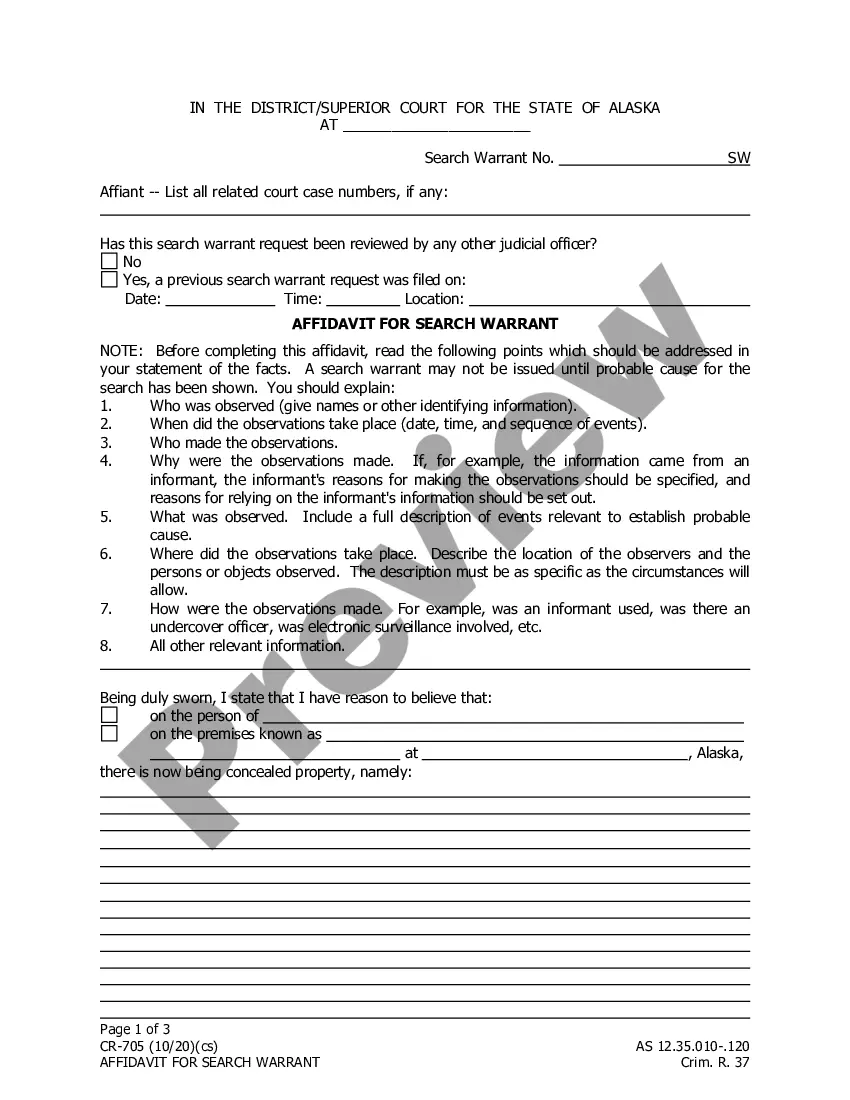








Form popularity
FAQ
Judgment is a court decision that settles a dispute between two parties by determining the rights and obligations of each party. Judgments are classified as in personam, in rem, or quasi in rem. Judgments are usually monetary, but can also be non-monetary, and are legally enforceable.
NORTH CAROLINA A judgment is a lien on real property for ten years from the entry date. N.C. Gen. Stat. § 1-234.
How long is a judgment enforceable in NC? A judgment expires after 10 years in NC, but can be renewed one (1) time.
In North Carolina, a judgment (and the lien on real property created by the judgment) expire ten years from the date of the judgment. The statutes provide that no execution may be issued after the judgment, and its corresponding lien, expire.
Here's how you can cope: Remember, Their Attitude Isn't About You. Avoid Stooping to Their Level. Be Mindful Of Your Own Judgmental Tendencies. Don't Get Defensive. Consider Their Upbringing and Environment. Limit the Time You Spend Together. Reframe Their Judgments. Call Them Out Directly.
This list is based as much on the advice the people I have worked with have given me, as I have given them. DON'T JUMP TO CONCLUSIONS. WATCH OUT FOR SENSITIVE SPOTS. DON'T BE A JUDGER! ... DEPERSONALISE THE SUBJECT. PEOPLE SEE WHAT THEY ALREADY BELIEVE. FOCUS ON THE INTENT NOT JUDGEMENT.
More commonly, valid excuses might include serious illness, a family emergency, or a scheduling conflict that was well-documented. Courts typically require evidence for these excuses, such as medical records or proof of an emergency, to consider rescheduling the hearing.

