Judgement Lien Example In Pennsylvania
Description




Get your form ready online
Our built-in tools help you complete, sign, share, and store your documents in one place.
Make edits, fill in missing information, and update formatting in US Legal Forms—just like you would in MS Word.
Download a copy, print it, send it by email, or mail it via USPS—whatever works best for your next step.
Sign and collect signatures with our SignNow integration. Send to multiple recipients, set reminders, and more. Go Premium to unlock E-Sign.
If this form requires notarization, complete it online through a secure video call—no need to meet a notary in person or wait for an appointment.
We protect your documents and personal data by following strict security and privacy standards.

Make edits, fill in missing information, and update formatting in US Legal Forms—just like you would in MS Word.

Download a copy, print it, send it by email, or mail it via USPS—whatever works best for your next step.

Sign and collect signatures with our SignNow integration. Send to multiple recipients, set reminders, and more. Go Premium to unlock E-Sign.

If this form requires notarization, complete it online through a secure video call—no need to meet a notary in person or wait for an appointment.

We protect your documents and personal data by following strict security and privacy standards.
Looking for another form?
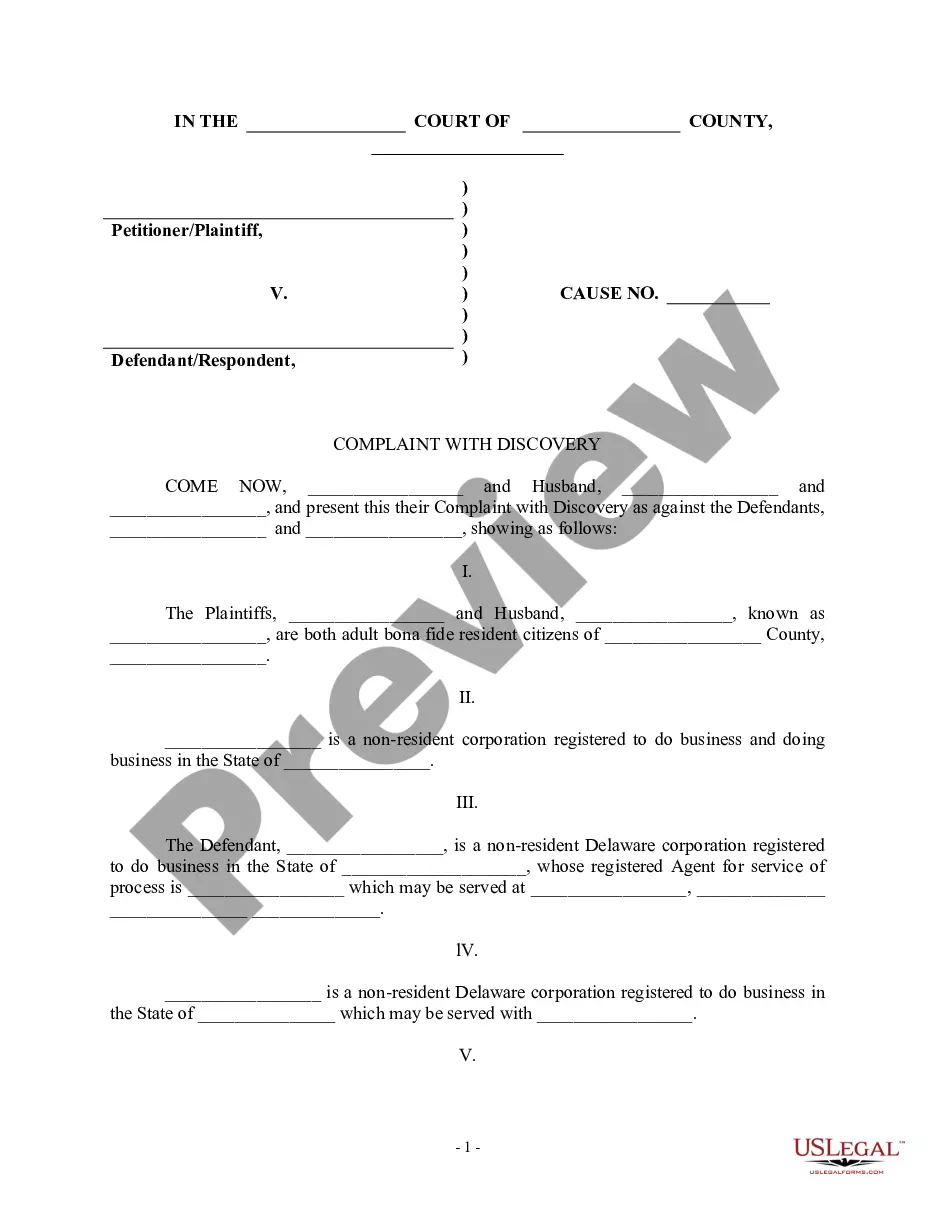



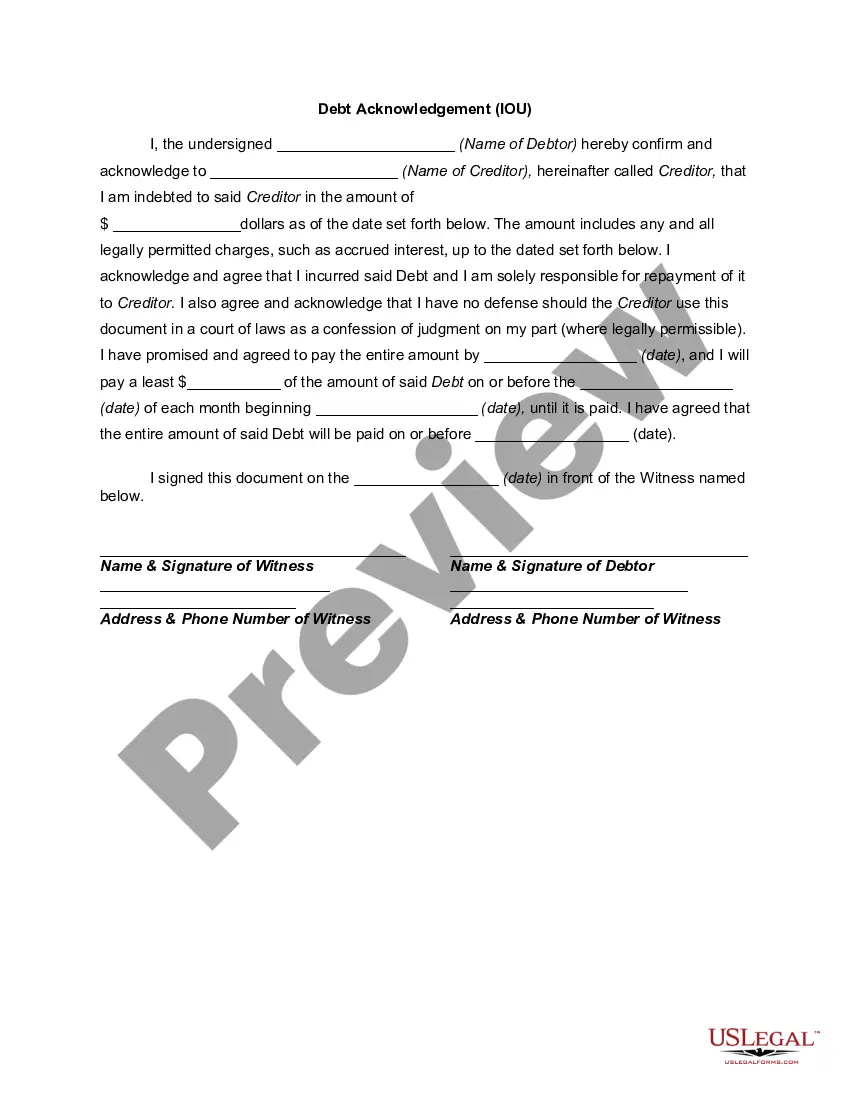


Form popularity
FAQ
Key examples of liens include mortgage liens, mechanic's liens, tax liens, warehouseman's liens, and judgment liens.
Of the three types of liens (consensual, statutory, and judgment), the judgment lien is the most dangerous form, but one which the informed business owner may be able to eliminate. A judicial lien is created when a court grants a creditor an interest in the debtor's property, after a court judgment.
Take the certified docket sheet and a notice of judgment for each judgment debtor (see above) to the common pleas court clerk in each county where you want a judgment lien. Ask that the certified docket sheet be recorded in the county judgment index. Once that's done, you've got a judgment lien in that county.
In Pennsylvania, lien rights extend to general contractors, subcontractors and sub-subcontractors (contractors and suppliers who have a direct contract with subcontractors). A notice of intent to lien to an owner is due 30 days before the Lien Claim is filed for subcontractors and sub-subcontractors.
In order to perfect your lien claim, it must be filed in the prothonotary's office of the county court where the property is physically located. A “prothonotary” is just an old-school term for the chief clerk of the court. If the property is located in more than one county, then the claim should be filed in both.
Pennsylvania judgments are valid for 5 years. Judgments can be revived every 5 years and should be revived if a creditor is attempting to actively collect on the debt. Judgments also act as a lien against real property for up to 20 years or longer if properly revived.
Lien must be filed w/in 6 months after last labor or materials furnished. In Pennsylvania, an action to enforce a mechanics lien must be initiated within 2 years of the date of filing the lien claim. This deadline may not be extended, and failure to meet the deadline results in the lien becoming unenforceable.
To obtain a judgment lien, you must first record the judgment with the court of common pleas in the county where the debtor owns property. The lien will stay in effect for five years, but can be renewed, if the debtor does not sell the property within that time period.
File a praecipe for judgment, using our form, a dated copy of the 10-day notice, and a Pennsylvania Rule 236 form. If the debtor is an individual, you must file a notarized affidavit of nonmilitary service. File an original and a copy for each debtor, with a Rule 236 form on top.

