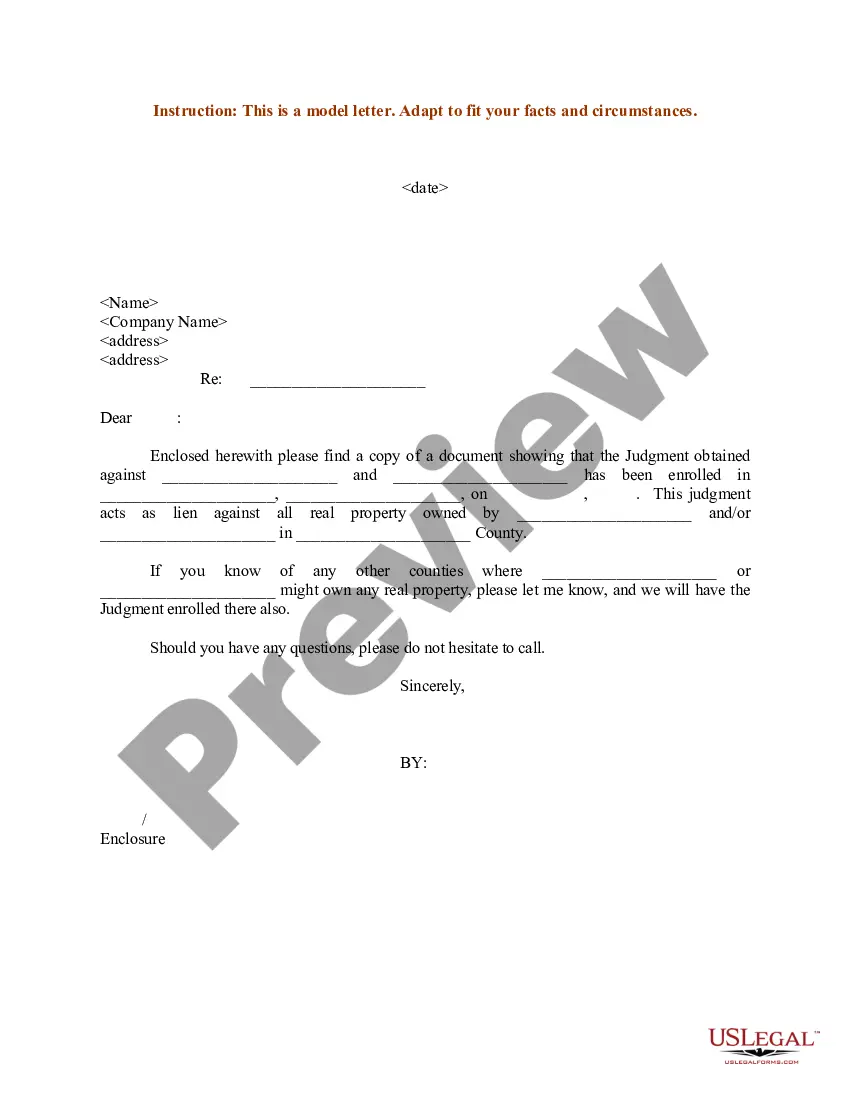
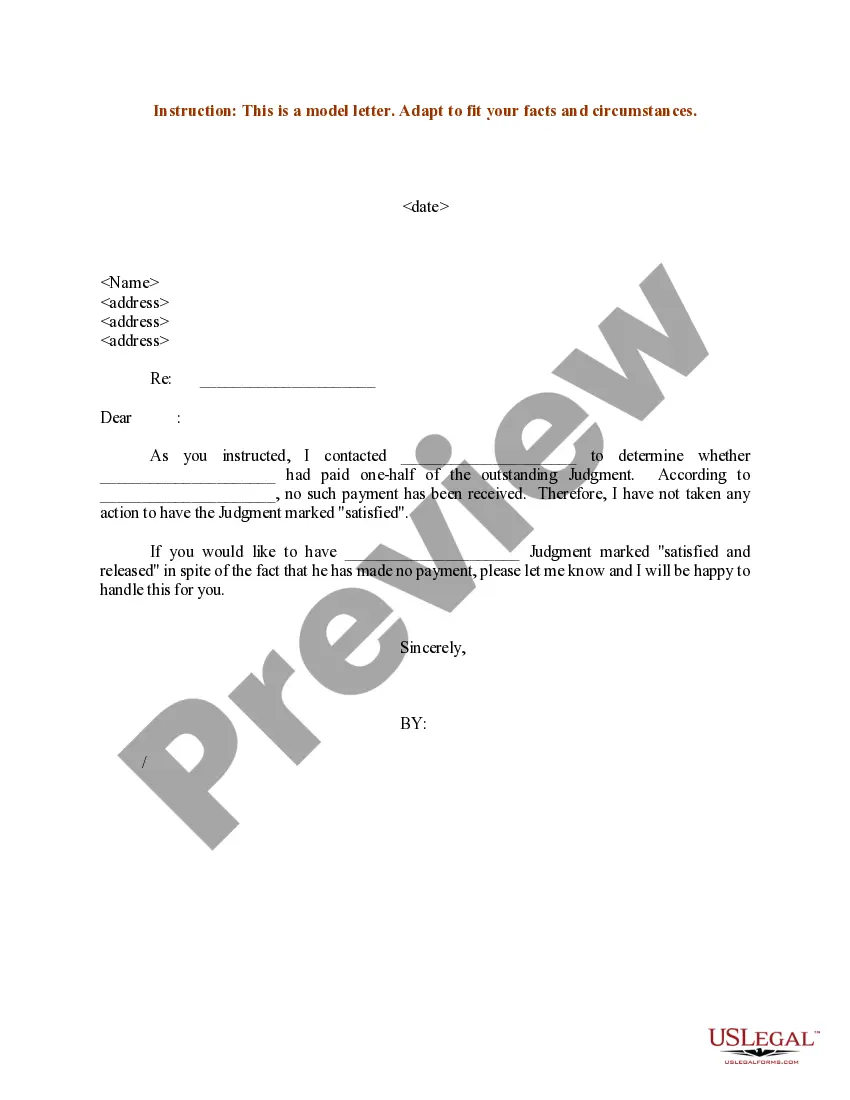
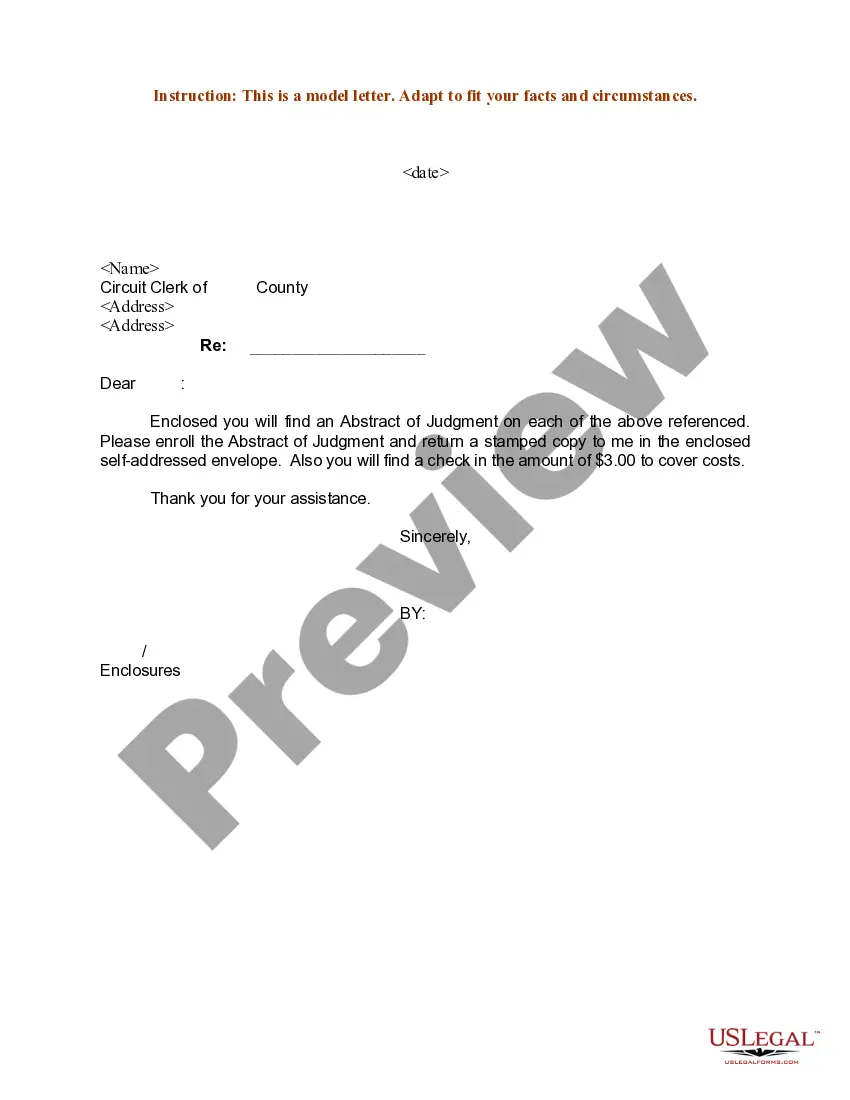
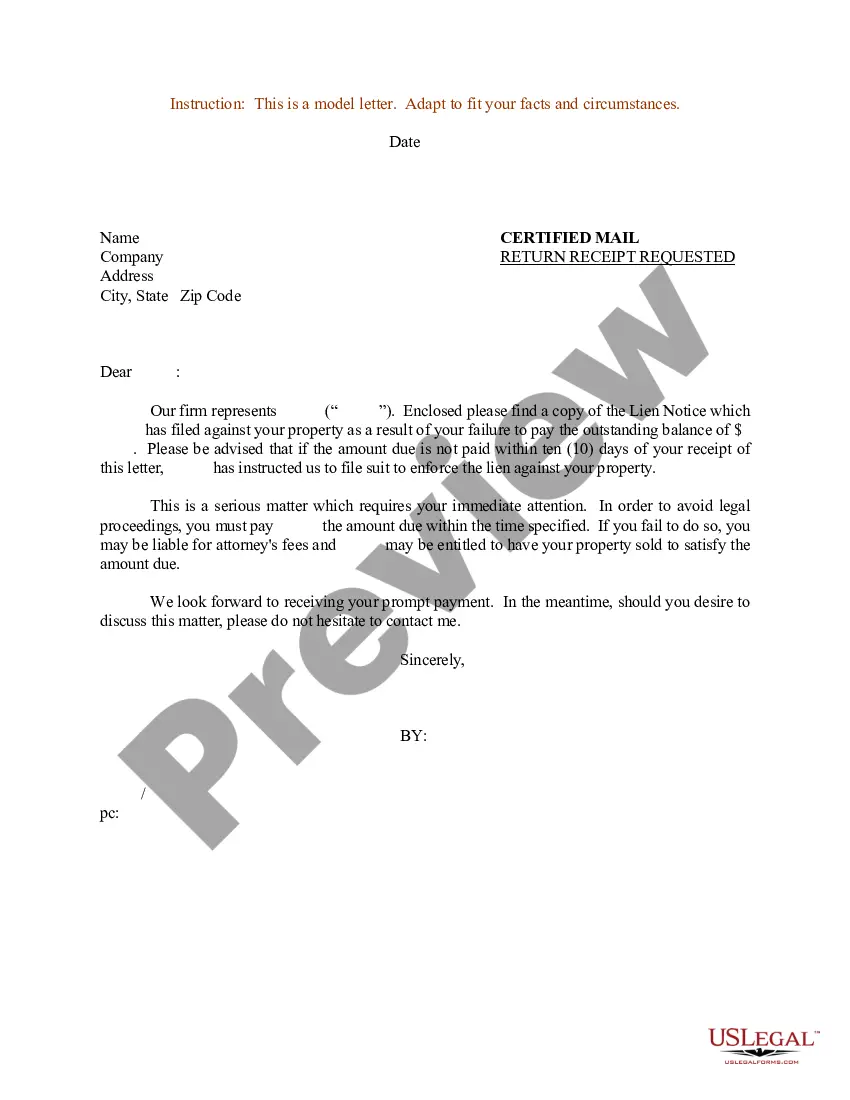
Notice Of Judgment Or Settlement In Ohio
Description
Get your form ready online
Our built-in tools help you complete, sign, share, and store your documents in one place.
Make edits, fill in missing information, and update formatting in US Legal Forms—just like you would in MS Word.
Download a copy, print it, send it by email, or mail it via USPS—whatever works best for your next step.
Sign and collect signatures with our SignNow integration. Send to multiple recipients, set reminders, and more. Go Premium to unlock E-Sign.
If this form requires notarization, complete it online through a secure video call—no need to meet a notary in person or wait for an appointment.
We protect your documents and personal data by following strict security and privacy standards.

Make edits, fill in missing information, and update formatting in US Legal Forms—just like you would in MS Word.

Download a copy, print it, send it by email, or mail it via USPS—whatever works best for your next step.

Sign and collect signatures with our SignNow integration. Send to multiple recipients, set reminders, and more. Go Premium to unlock E-Sign.

If this form requires notarization, complete it online through a secure video call—no need to meet a notary in person or wait for an appointment.

We protect your documents and personal data by following strict security and privacy standards.
Looking for another form?
Form popularity
FAQ
To collect your judgment through a bank account attachment, complete the following three steps: Find out the name of the Judgment Debtor's bank, the bank's address, and the Judgment Debtor's account number. Obtain and complete the OTW Garnishment Packet. File the "OTW" Garnishment Packet with the Clerk of Court.
This means that the government has 15 years to collect the taxes owed before the lien expires. Judgment lien: In Ohio, a judgment lien can be valid for up to 5 years. However, the lien can be extended for an additional 5 years if the creditor files a renewal notice before the expiration of the original lien.
The most common ways you may find out that there are outstanding judgements against you in one of the following ways: letter in the mail or phone call from the collection attorneys; garnishee notice from your payroll department; freeze on your bank account; or.
This means that although Ohio's statute of limitations for judgment enforcement is at least fifteen years, in reality the best practice is to act at least once every five years so that your judgment does not become dormant. Often judgments are against more than one judgment debtor.
The Public Access Court Electronic Records (PACER) System contains docket sheet information on most criminal and civil cases that are unavailable through the CM/ECF System. A national District Court case and party index is also available through PACER.
The notice, if given, shall be given not earlier than sixteen days nor later than three years after the date of entry of the third judgment, and shall be in a form and manner, and contain such information, as the registrar prescribes.
To collect your judgment through a bank account attachment, complete the following three steps: Find out the name of the Judgment Debtor's bank, the bank's address, and the Judgment Debtor's account number. Obtain and complete the OTW Garnishment Packet. File the "OTW" Garnishment Packet with the Clerk of Court.
On the date when judgment is entered, the clerk must serve on all parties a copy of the opinion—or the judgment, if no opinion was written—and a notice of the date when the judgment was entered.
Notice of Entry of Judgment or Order (CIV-130) Tells the parties that a judgment has been entered in a case. Service of this notice sets the start date of important deadlines regarding the ability to set-aside or challenge the judgment.
Enter a judgment means to make a final recording of the decision and the opinion, if the court made one. When the entry is complete depends on the jurisdiction, but entering a judgment usually either occurs after the decision is inserted into the docket or sent to a specified official.