Sample Motion For Judgment Nunc Pro Tunc In Michigan
Description



Get your form ready online
Our built-in tools help you complete, sign, share, and store your documents in one place.
Make edits, fill in missing information, and update formatting in US Legal Forms—just like you would in MS Word.
Download a copy, print it, send it by email, or mail it via USPS—whatever works best for your next step.
Sign and collect signatures with our SignNow integration. Send to multiple recipients, set reminders, and more. Go Premium to unlock E-Sign.
If this form requires notarization, complete it online through a secure video call—no need to meet a notary in person or wait for an appointment.
We protect your documents and personal data by following strict security and privacy standards.

Make edits, fill in missing information, and update formatting in US Legal Forms—just like you would in MS Word.

Download a copy, print it, send it by email, or mail it via USPS—whatever works best for your next step.

Sign and collect signatures with our SignNow integration. Send to multiple recipients, set reminders, and more. Go Premium to unlock E-Sign.

If this form requires notarization, complete it online through a secure video call—no need to meet a notary in person or wait for an appointment.

We protect your documents and personal data by following strict security and privacy standards.
Looking for another form?

Form popularity
FAQ
Nunc pro tunc is a Latin term meaning "now for then." Generally, this refers to an action taken by a court that applies retroactively to correct an earlier ruling. Usually, the term is used relating to the procedural devices of nunc pro tunc amendments or nunc pro tunc judgments.
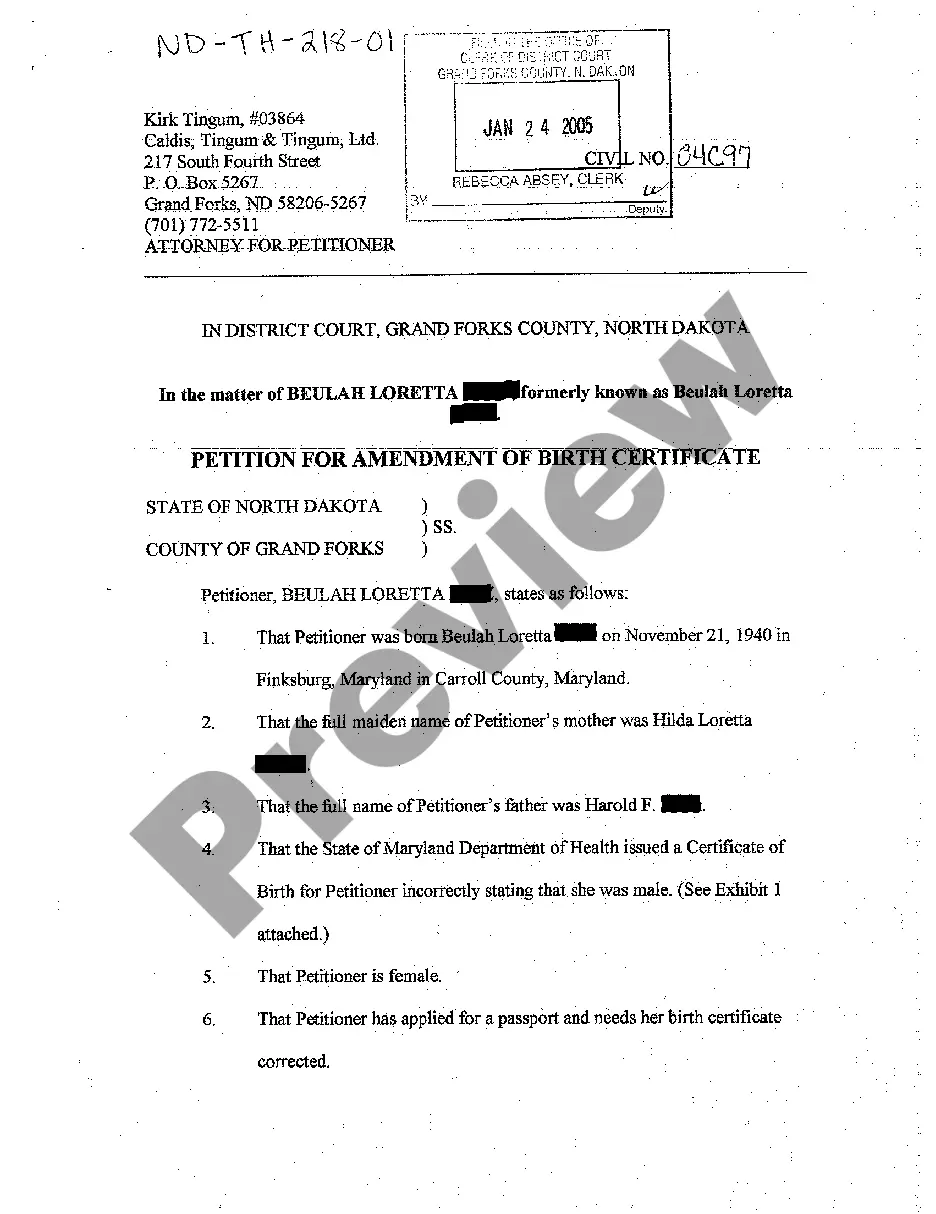
Example language: "This motion arises from the fact that the order dated insert date incorrectly reflects the wrong effective date of insert detail due to reason. As a result, this motion seeks to correct this error and have the court's order applied retroactively to correct date."
Nunc pro tunc judgments can be requested by the court or either party in the case. There is no hard deadline to file, but the request should be made as soon as the error is discovered. Requests must be submitted in writing and must clearly specify the error.
File your Motion and the copies with the court clerk's office in the court where your case was heard. File a copy of the proposed order with your Motion. Contact your court to find out which filing methods are available. Depending on your court, you may be able to file electronically.
A Motion for Relief from Judgment: What You Need to Know If you have been convicted of a crime in Michigan and believe that you have grounds for relief from the judgment, you may file a motion for relief under MCR 6.500. This motion must be filed in the circuit court where the conviction occurred.
Nunc pro tunc is a Latin term meaning "now for then." Generally, this refers to an action taken by a court that applies retroactively to correct an earlier ruling.
A “set aside” in simple terms means that a court vacates or voids a prior order, as if the order never existed. Before a court will “set aside” a judgment or order, there must be a clear statutory basis for the set aside, and facts that warrant the order vacated.
Examples: a court clerk fails to file an answer when he/she received it, and a nunc pro tunc date of filing is needed to meet the legal deadline (statute of limitations); a final divorce judgment is misdirected and, therefore, not signed and dated until the day after the re-marriage of one of the parties-the nunc pro ...
The deceased passed away before the court gave its decision, an event that would otherwise have caused title to the home to pass entirely to the joint-tenant, the deceased's spouse, by right of survivorship. The nunc pro tunc order allowed the estate to retain ownership of one half of the home.
