Two Weeks Notice Letter With Reason In Contra Costa
Description




Get your form ready online
Our built-in tools help you complete, sign, share, and store your documents in one place.
Make edits, fill in missing information, and update formatting in US Legal Forms—just like you would in MS Word.
Download a copy, print it, send it by email, or mail it via USPS—whatever works best for your next step.
Sign and collect signatures with our SignNow integration. Send to multiple recipients, set reminders, and more. Go Premium to unlock E-Sign.
If this form requires notarization, complete it online through a secure video call—no need to meet a notary in person or wait for an appointment.
We protect your documents and personal data by following strict security and privacy standards.
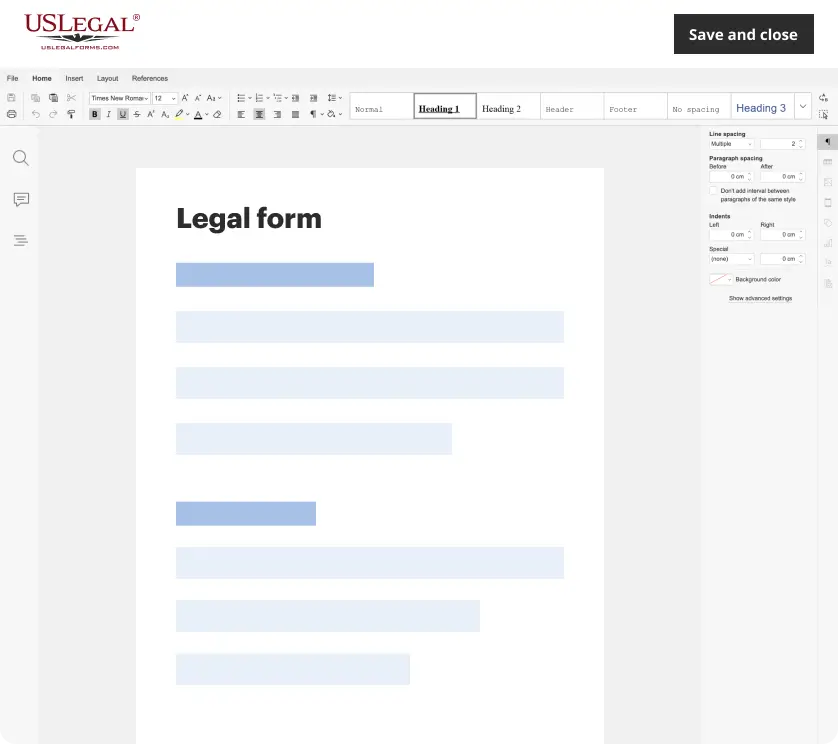
Make edits, fill in missing information, and update formatting in US Legal Forms—just like you would in MS Word.
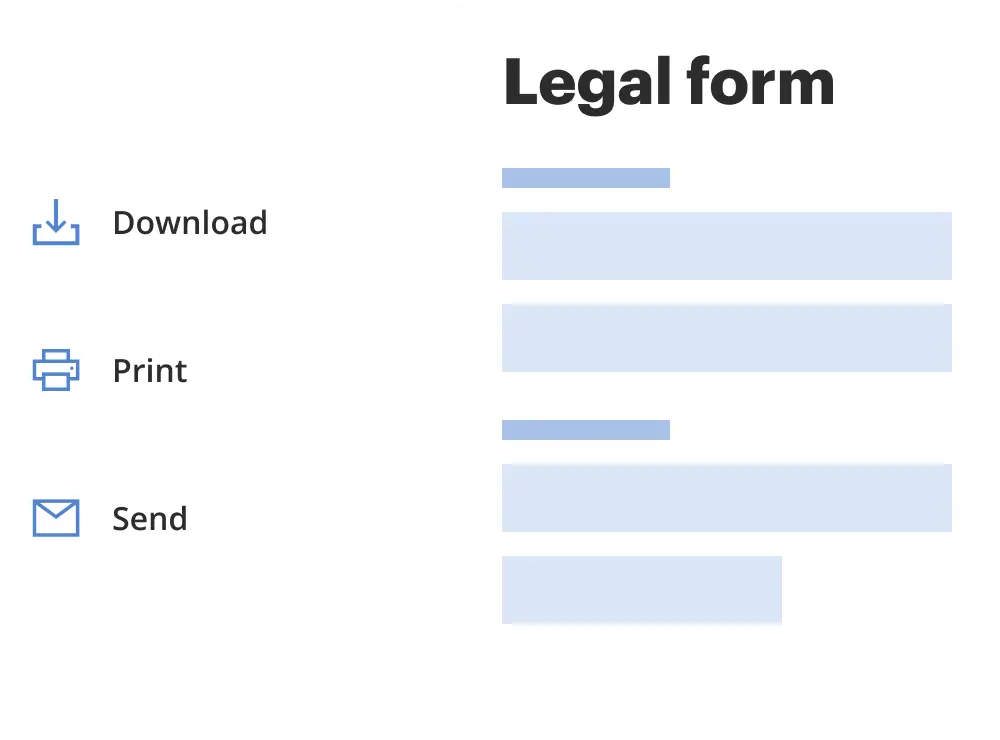
Download a copy, print it, send it by email, or mail it via USPS—whatever works best for your next step.
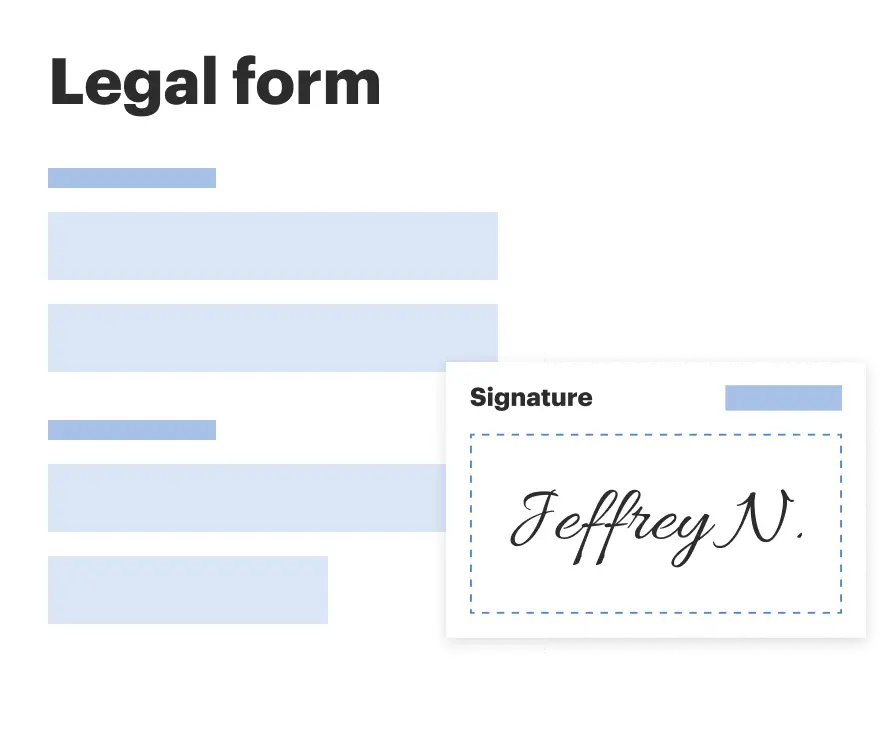
Sign and collect signatures with our SignNow integration. Send to multiple recipients, set reminders, and more. Go Premium to unlock E-Sign.
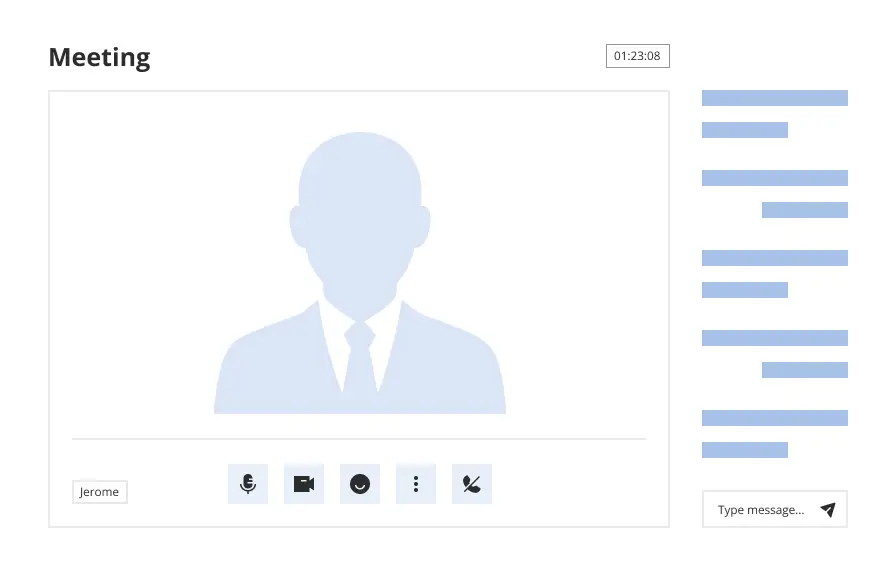
If this form requires notarization, complete it online through a secure video call—no need to meet a notary in person or wait for an appointment.
We protect your documents and personal data by following strict security and privacy standards.
Looking for another form?






Form popularity
FAQ
Technically, the answer is yes. In most cases, it's entirely up to the employer to determine whether they want the person who is resigning to complete their final two weeks or whether they'd prefer to let them go right away.
This amount of forewarning—while it might be a nice thing to do—is not required by law. However, there are some exceptions to this, and (regardless of the law) sometimes giving two weeks' notice in California can be the best for you in light of your specific circumstances.
If you are relying on your current employer for references in the future or work in a small, close-knit field, understand that leaving without notice could end your professional relationship and even result in a negative reference or reputation within that field.
Technically, the answer is yes. In most cases, it's entirely up to the employer to determine whether they want the person who is resigning to complete their final two weeks or whether they'd prefer to let them go right away.
A3: Yes, employers can ask an employee to leave immediately upon receiving their resignation. However, consider the potential impact on morale and workload and whether you will compensate the employee for the notice period.
No you do not need to give a reason when putting in your 2 week notice. People will naturally ask out of curiosity, keep it professional and just say that you are moving on.
The labour court can order your employer to provide you with a relieving letter. To file a complaint with the labour court, you will need to submit a written complaint to the appropriate authority, along with any supporting documents, such as employment contracts, salary slips, and correspondence with your employer.
How to write a 2 weeks' notice letter. Date and recipient's address. List the date, the recipient's name, and the company address, whether you're handing them the letter via email or in person. Greeting. Resignation notice. Reason for resigning. Expression of gratitude. Offer of support. Signature.
Dear Manager's Name, I am writing to formally submit my resignation from my position as Your Job Title at Company Name. My last day of work will be Date - Two Weeks from Today, providing you with the standard two weeks' notice.
Please consider this letter my official two weeks' notice of leave. I have enjoyed my time with the company but wish to pursue other opportunities for continued personal and professional growth. I thank you for the opportunities I was given here and wish you all continued success.

