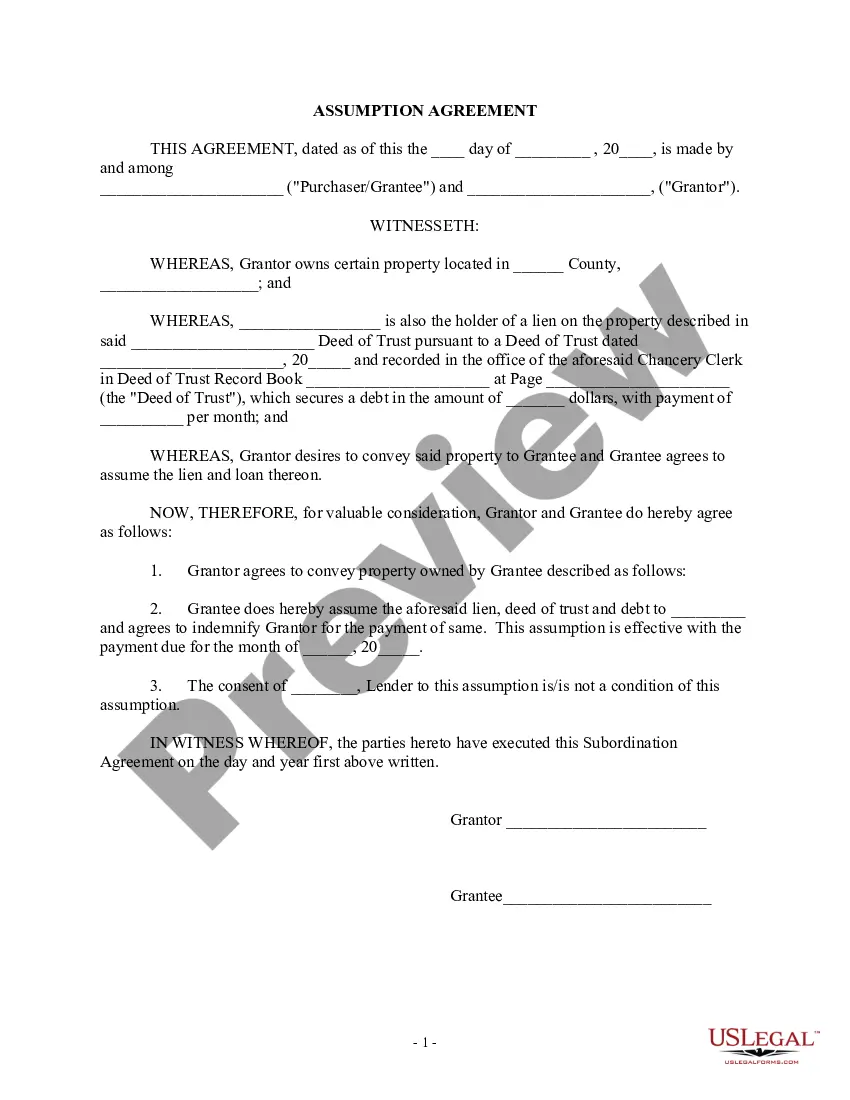
Judgment Against Property With Bad Credit In Contra Costa
Description




Get your form ready online
Our built-in tools help you complete, sign, share, and store your documents in one place.
Make edits, fill in missing information, and update formatting in US Legal Forms—just like you would in MS Word.
Download a copy, print it, send it by email, or mail it via USPS—whatever works best for your next step.
Sign and collect signatures with our SignNow integration. Send to multiple recipients, set reminders, and more. Go Premium to unlock E-Sign.
If this form requires notarization, complete it online through a secure video call—no need to meet a notary in person or wait for an appointment.
We protect your documents and personal data by following strict security and privacy standards.

Make edits, fill in missing information, and update formatting in US Legal Forms—just like you would in MS Word.

Download a copy, print it, send it by email, or mail it via USPS—whatever works best for your next step.

Sign and collect signatures with our SignNow integration. Send to multiple recipients, set reminders, and more. Go Premium to unlock E-Sign.

If this form requires notarization, complete it online through a secure video call—no need to meet a notary in person or wait for an appointment.

We protect your documents and personal data by following strict security and privacy standards.
Looking for another form?








Form popularity
FAQ
To do this, fill out an EJ-001 Abstract of Judgment form and take it to the clerk's office. After the clerk stamps it, record it at the County Recorder's Office in the county where the property is located. Place a lien on a business.
How to file a small claim in California Step 1: Filing the paperwork. Go to your county clerk's office and let them know you'd like to file a small claim. Step 2: Serving the papers. Step 3: Going to court. Step 4: The final judgment. Step 5: Collecting your judgment.
Enforcing Your Judgment Get in touch with the judgment debtor. Levy (seize) assets that you have personal knowledge of. Examine judgment debtor in court to locate unknown assets. Suspend the judgment debtor's driver's license if the judgment is for auto accident.
Property taxes are based on the assessed value of your property. The Homeowners' Exemption reduces your property taxes by deducting $7,000 from your property's assessed value before applying the tax rate, and given the one percent statewide property tax rate, this generally equates to $70 in property tax savings.
Homeowner's Exemption If you own and occupy the property as your principal place of residence, you are eligible for a Homeowners' Exemption of $7,000 in assessed value for that property. The exemption will reduce the annual property tax bill by at least $70 each year.
Homeowner's Exemption If you own and occupy the property as your principal place of residence, you are eligible for a Homeowners' Exemption of $7,000 in assessed value for that property. The exemption will reduce the annual property tax bill by at least $70 each year.
In California, all properties are subject to a basic tax rate of 1% based on their assessed value. This value is set by the county assessor when the property is bought or newly built. For example, if your assessment is $500,000, the basic property tax you owe would be $5,000 annually.
The California Constitution provides a $7,000 reduction in the taxable value for a qualifying owner-occupied home. The home must have been the principal place of residence of the owner on the lien date, January 1st.
(c)(1) The abstract of judgment shall be certified in the name of the judgment debtor as listed on the judgment and may also include the additional name or names by which the judgment debtor is known as set forth in the affidavit of identity, as defined in Section 680.135, filed by the judgment creditor with the ...
An Abstract of Judgment is sent from the Court to the jail and California Department of Corrections and Rehabilitation if the Court sentences a subject to prison and if the subject is in custody and if the subject is detained pending transport.