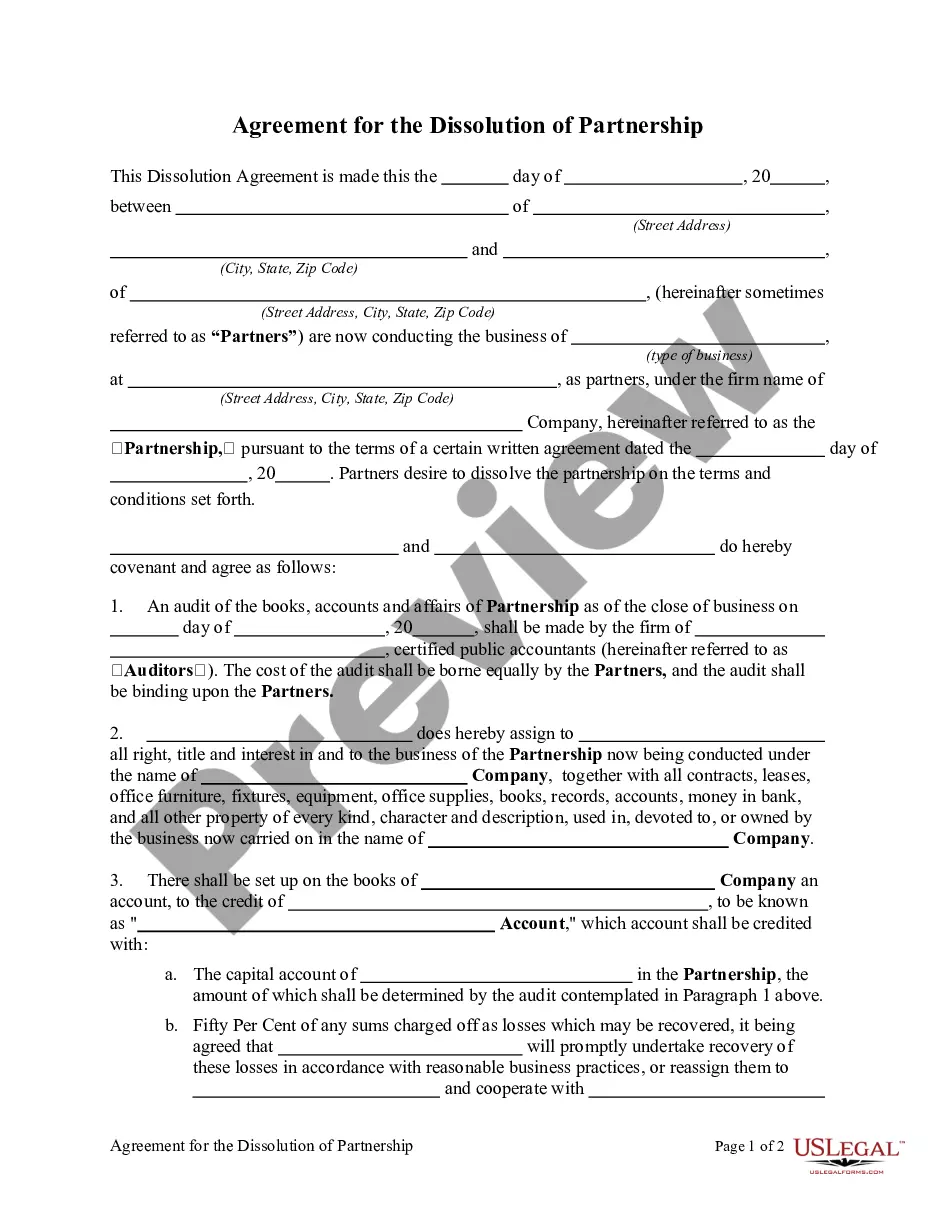
Judgment Note Form With Two Points In Collin
Description




Get your form ready online
Our built-in tools help you complete, sign, share, and store your documents in one place.
Make edits, fill in missing information, and update formatting in US Legal Forms—just like you would in MS Word.
Download a copy, print it, send it by email, or mail it via USPS—whatever works best for your next step.
Sign and collect signatures with our SignNow integration. Send to multiple recipients, set reminders, and more. Go Premium to unlock E-Sign.
If this form requires notarization, complete it online through a secure video call—no need to meet a notary in person or wait for an appointment.
We protect your documents and personal data by following strict security and privacy standards.

Make edits, fill in missing information, and update formatting in US Legal Forms—just like you would in MS Word.

Download a copy, print it, send it by email, or mail it via USPS—whatever works best for your next step.

Sign and collect signatures with our SignNow integration. Send to multiple recipients, set reminders, and more. Go Premium to unlock E-Sign.

If this form requires notarization, complete it online through a secure video call—no need to meet a notary in person or wait for an appointment.

We protect your documents and personal data by following strict security and privacy standards.
Looking for another form?



Form popularity
FAQ
Completing the “additional facts” section of the separate statement, then the response to the defendant's separate statement, and then the memorandum of points and authorities is, in my opinion, the most effective method of opposing a summary-judgment motion.
Can an order for summary judgment be set aside or varied? Yes. The court has general case management powers to set aside or vary the terms of an order for summary judgment, either in response to an application made by one of the parties or of its own initiative.
Once the Judgment is entered, the winner should serve a copy of the Judgment with "notice of entry" on the loser. This service starts the loser's time to appeal running.
To request summary judgment, a party must file a motion in writing. The party filing the motion is known as the “moving party.” The party responding to the other party's motion is known as the “non-moving party.” For information on motions generally, please refer to A Guide to Motions for Unrepresented Complainants.