Judgment Lien Foreclosure In Collin
Description




Get your form ready online
Our built-in tools help you complete, sign, share, and store your documents in one place.
Make edits, fill in missing information, and update formatting in US Legal Forms—just like you would in MS Word.
Download a copy, print it, send it by email, or mail it via USPS—whatever works best for your next step.
Sign and collect signatures with our SignNow integration. Send to multiple recipients, set reminders, and more. Go Premium to unlock E-Sign.
If this form requires notarization, complete it online through a secure video call—no need to meet a notary in person or wait for an appointment.
We protect your documents and personal data by following strict security and privacy standards.

Make edits, fill in missing information, and update formatting in US Legal Forms—just like you would in MS Word.

Download a copy, print it, send it by email, or mail it via USPS—whatever works best for your next step.

Sign and collect signatures with our SignNow integration. Send to multiple recipients, set reminders, and more. Go Premium to unlock E-Sign.

If this form requires notarization, complete it online through a secure video call—no need to meet a notary in person or wait for an appointment.

We protect your documents and personal data by following strict security and privacy standards.
Looking for another form?

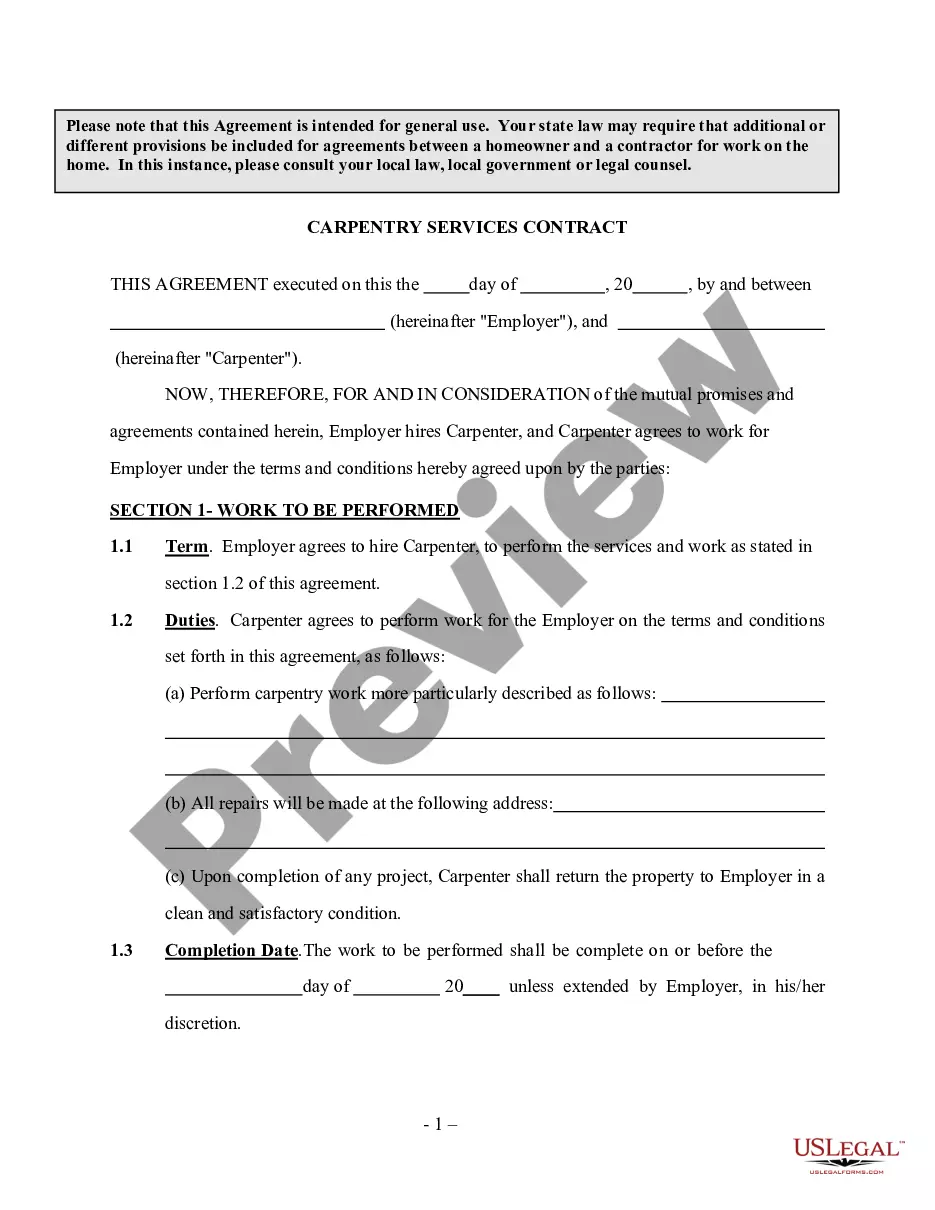




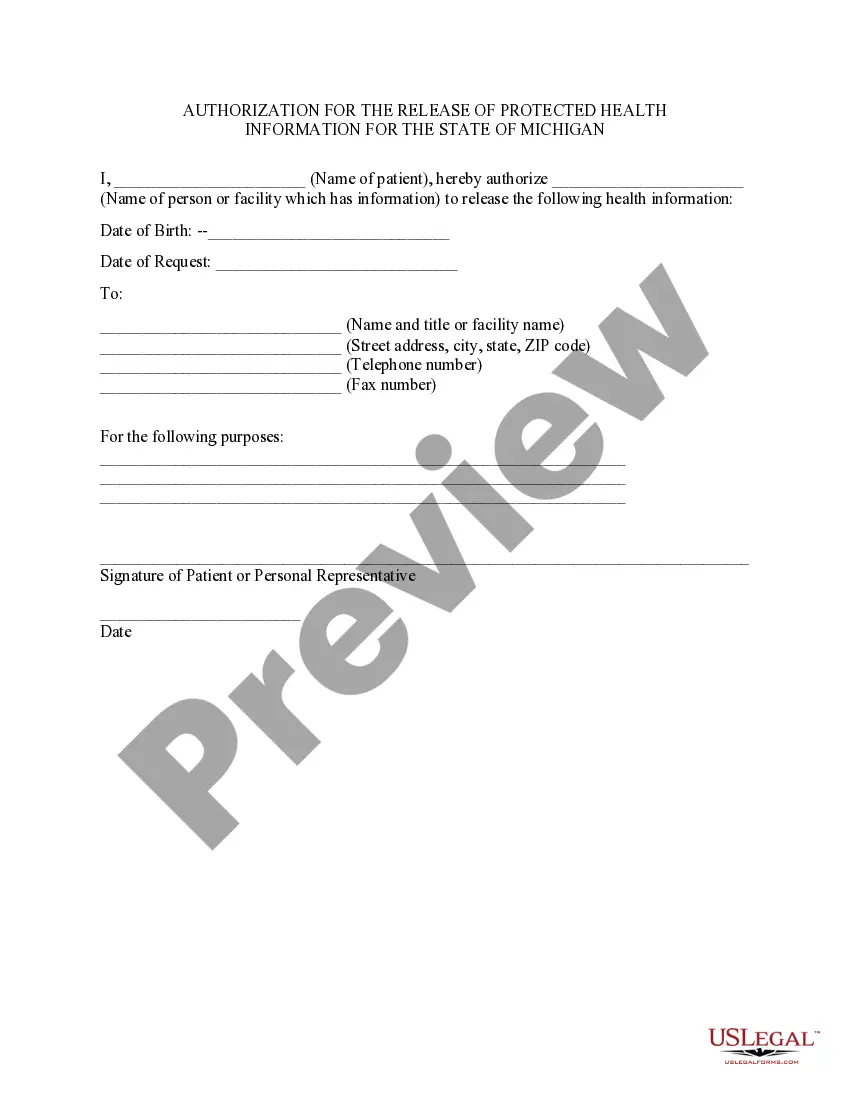
Form popularity
FAQ
Generally, to file a judgment lien, an abstract of judgment must be issued by the justice court. Some justice courts have a form available on their website to request an abstract of judgment.
This is a breakdown of the steps involved in foreclosing on a lien. File a mechanics lien. Filing a mechanics lien is the actual first step in the lien foreclosure process. Send notices. Hire a lawyer. Prepare your case. File your case. Serve the owners. Wait for your day in court. Collect on your judgment.
What Do You Do When There Is A Judgment Lien On Your Property, But The Judgment Has Expired? Judgments have expiration dates. If they are not timely renewed, they expire. In CA that is 10 years.
In Texas, there are three ways in which a lienholder can foreclose on a property: Judicial Foreclosure. A judicial foreclosure requires the lienholder to file a civil lawsuit against the homeowner. Non-Judicial Foreclosure. Expedited Foreclosure. Court Rules.
Verify the Lien: Ensure the lien is valid and check for any errors that could invalidate it. Satisfy the Judgment: Paying the debt in full is the most straightforward way to remove the lien. Obtain a satisfaction of judgment from the creditor and file it with the court.
Generally, to file a judgment lien, an abstract of judgment must be issued by the justice court. Some justice courts have a form available on their website to request an abstract of judgment.
Under New Hampshire law, the borrower typically receives just one warning about the foreclosure sale: a notice of sale. The lender has to personally serve the notice of sale to the borrower or mail it at least 45 days before the sale and publish it in a newspaper once a week for three weeks before the sale. (N.H. Rev.
