Judgment Lien On Personal Property Form California In Chicago
Description




Get your form ready online
Our built-in tools help you complete, sign, share, and store your documents in one place.
Make edits, fill in missing information, and update formatting in US Legal Forms—just like you would in MS Word.
Download a copy, print it, send it by email, or mail it via USPS—whatever works best for your next step.
Sign and collect signatures with our SignNow integration. Send to multiple recipients, set reminders, and more. Go Premium to unlock E-Sign.
If this form requires notarization, complete it online through a secure video call—no need to meet a notary in person or wait for an appointment.
We protect your documents and personal data by following strict security and privacy standards.

Make edits, fill in missing information, and update formatting in US Legal Forms—just like you would in MS Word.

Download a copy, print it, send it by email, or mail it via USPS—whatever works best for your next step.

Sign and collect signatures with our SignNow integration. Send to multiple recipients, set reminders, and more. Go Premium to unlock E-Sign.

If this form requires notarization, complete it online through a secure video call—no need to meet a notary in person or wait for an appointment.

We protect your documents and personal data by following strict security and privacy standards.
Looking for another form?
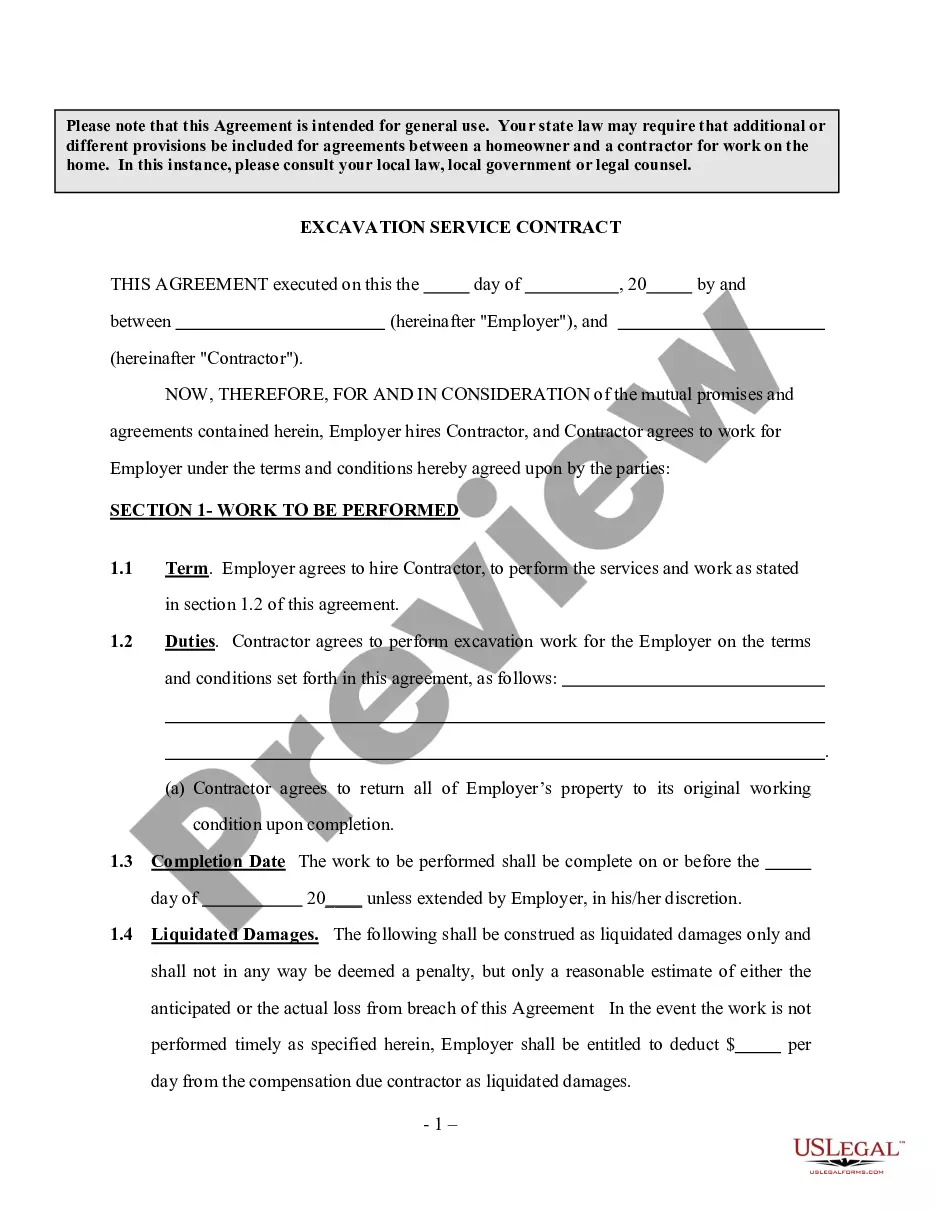






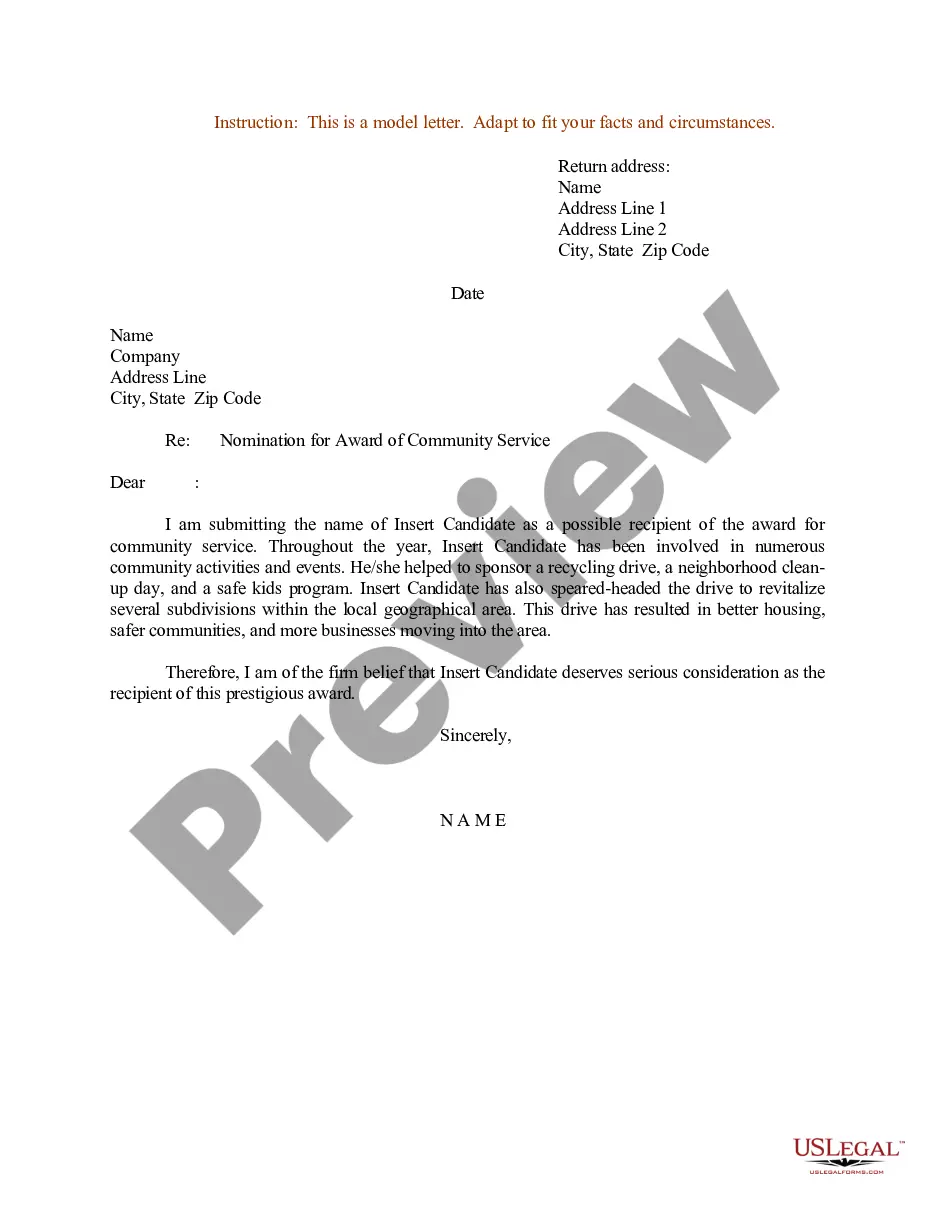


Form popularity
FAQ
A property owner can choose to place a lien on their property. A voluntary lien is a claim over the property that a homeowner agrees to give to a creditor as security for the payment of a debt. A mortgage lien is the most common type of voluntary real estate lien, also called a deed of trust lien in some states.
It is not an automatic process. The creditor must file court documents in the appropriate country recorder as well as a copy with the Illinois circuit court clerk in the county in which the property is located.
In a Nutshell This court order allows them to collect on the debt by seizing your real or personal property (or putting a lien on it), garnishing your wages, or levying your bank account. Personal property includes everything from household goods to vehicles. Real property includes things like your home or land.
Enforcing Your Judgment Get in touch with the judgment debtor. Levy (seize) assets that you have personal knowledge of. Examine judgment debtor in court to locate unknown assets. Suspend the judgment debtor's driver's license if the judgment is for auto accident.
How does a creditor go about getting a judgment lien in Illinois? To attach a lien, if the debtor's property is located in the same county where the judgment was entered, the creditor files the judgment with the county recorder.
And the amount owed. If you are placing a judgment lean. You first need to obtain a judgement </S>MoreAnd the amount owed. If you are placing a judgment lean. You first need to obtain a judgement </S> in court. Once you have a judgment you can file it with the county recorder's.
Under Illinois law, a mechanics lien should be filed in the County Recorder of Deeds where the property is located. This is crucial as the lien must be filed not only in the correct county but the correct office as well. The fees and specific document formatting vary depending on your county.
Under Illinois law, a mechanics lien should be filed in the County Recorder of Deeds where the property is located. This is crucial as the lien must be filed not only in the correct county but the correct office as well. The fees and specific document formatting vary depending on your county.
Enforcement proceedings (also known as collection actions) to collect judgments are governed primarily by 735 ILCS 5/2-1402. This statute provides three main tools for enforcing and collecting judgments: (1) the Citation to Discover Assets; (2) wage garnishment proceedings; and (3) non-wage garnishment proceedings.

