Judgment Lien On Real Property Florida In California
Description




Get your form ready online
Our built-in tools help you complete, sign, share, and store your documents in one place.
Make edits, fill in missing information, and update formatting in US Legal Forms—just like you would in MS Word.
Download a copy, print it, send it by email, or mail it via USPS—whatever works best for your next step.
Sign and collect signatures with our SignNow integration. Send to multiple recipients, set reminders, and more. Go Premium to unlock E-Sign.
If this form requires notarization, complete it online through a secure video call—no need to meet a notary in person or wait for an appointment.
We protect your documents and personal data by following strict security and privacy standards.

Make edits, fill in missing information, and update formatting in US Legal Forms—just like you would in MS Word.

Download a copy, print it, send it by email, or mail it via USPS—whatever works best for your next step.

Sign and collect signatures with our SignNow integration. Send to multiple recipients, set reminders, and more. Go Premium to unlock E-Sign.

If this form requires notarization, complete it online through a secure video call—no need to meet a notary in person or wait for an appointment.

We protect your documents and personal data by following strict security and privacy standards.
Looking for another form?




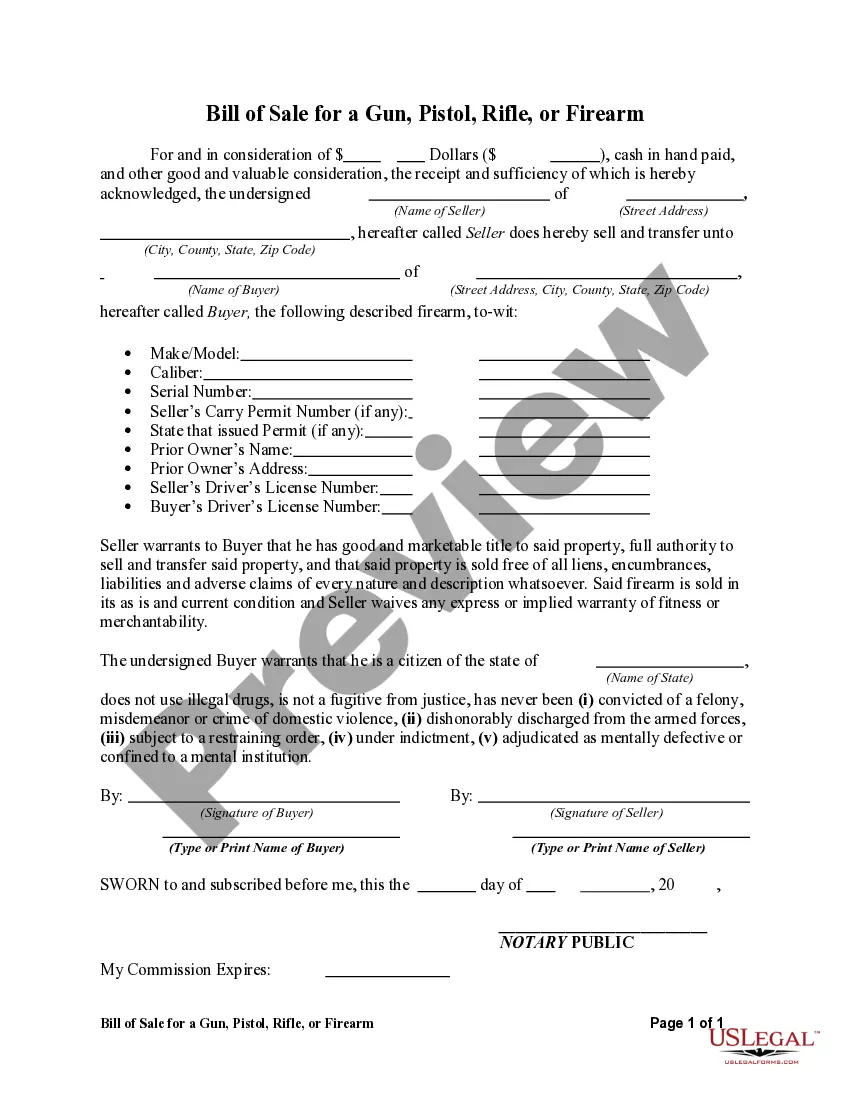

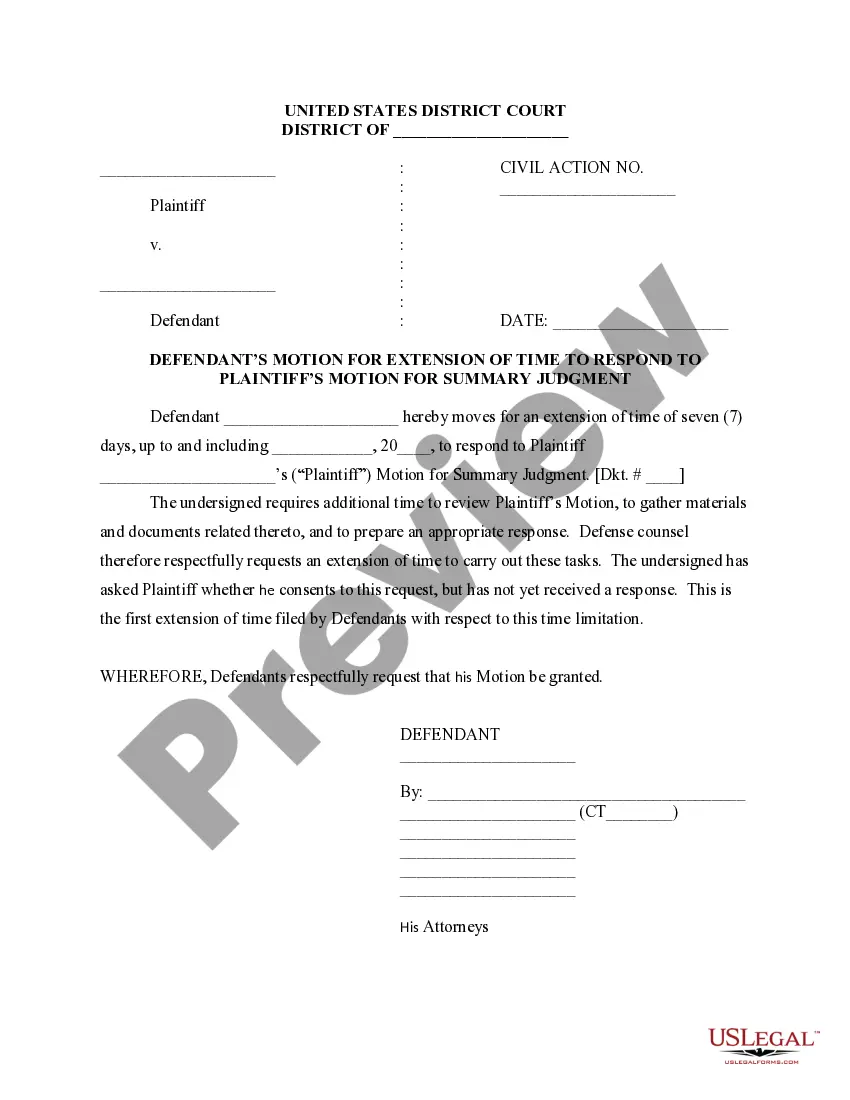

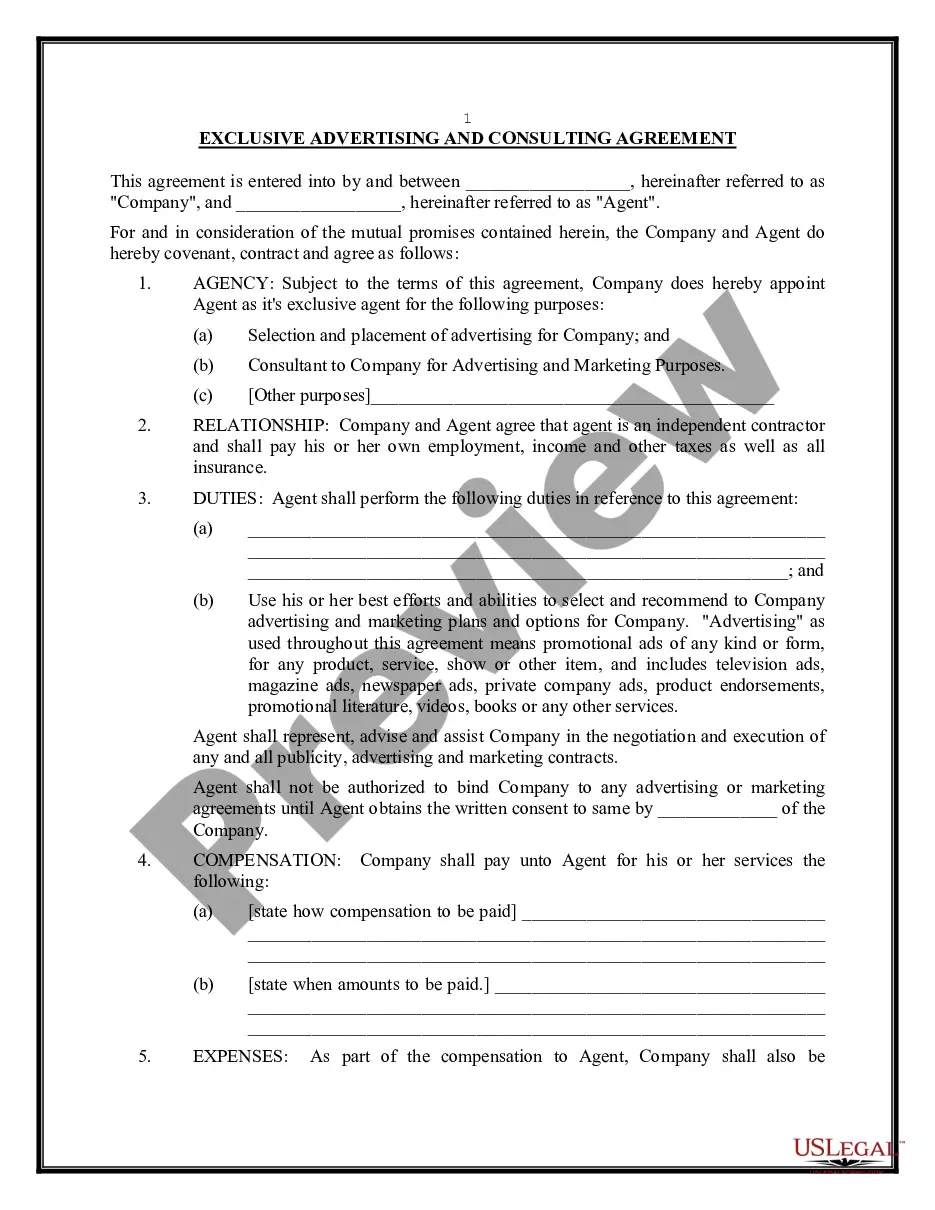
Form popularity
FAQ
Most judgments (the court order saying what you're owed) expire in 10 years. This means you can't collect on it after 10 years. To avoid this, you can ask the court to renew it. A renewal lasts 10 years.
Satisfy the Judgment: Paying the debt in full is the most straightforward way to remove the lien. Obtain a satisfaction of judgment from the creditor and file it with the court.
Here are a few ways to remove the lien: Invalidate the lien. If the lien is invalid or was obtained in a manner that doesn't follow the procedural requirements under the law, an attorney may be able to strip the lien from the property. Satisfy the debt. Negotiate a lower payoff. File for bankruptcy.
If you put liens on the other side's property, you or the other side must remove them. To remove a lien, file a certified copy of the Acknowledgment of Satisfaction of Judgment (form EJ-100) with each county recorder's office where you put the lien on their property.
Lien Release: After a lien has been filed, the California claimant can release or cancel the lien by filing a Mechanics Lien Release form with the county recorder's office where the lien was originally recorded.
File a certified copy of your judgment in the real estate records of the county in which the property is located. The lien is in effect for 10 years, and it can be renewed for an additional ten years.
An involuntary lien can occur without your knowledge, depending on the circumstances. A creditor often places a judgment lien after suing you and winning the case.
To attach a lien, the creditor must record the judgment with the county recorder in any Florida county where the debtor owns real estate now or may own real estate in future. For liens on personal property, the creditor files the judgment with the Florida Department of State.
The recorded judgment automatically attaches to all property in whatever county the judgment is recorded. The creditor would have to record the judgment in all 67 Florida counties separately to create a state-wide lien on the debtor's real property. Second, only “certified copies” of the judgment give rise to a lien.
You can obtain a judgment lien on the judgment debtor's real property by recording a certified copy of your judgment in the real estate records in the county in which the property is located. Such liens are not recorded with the Department of State.

