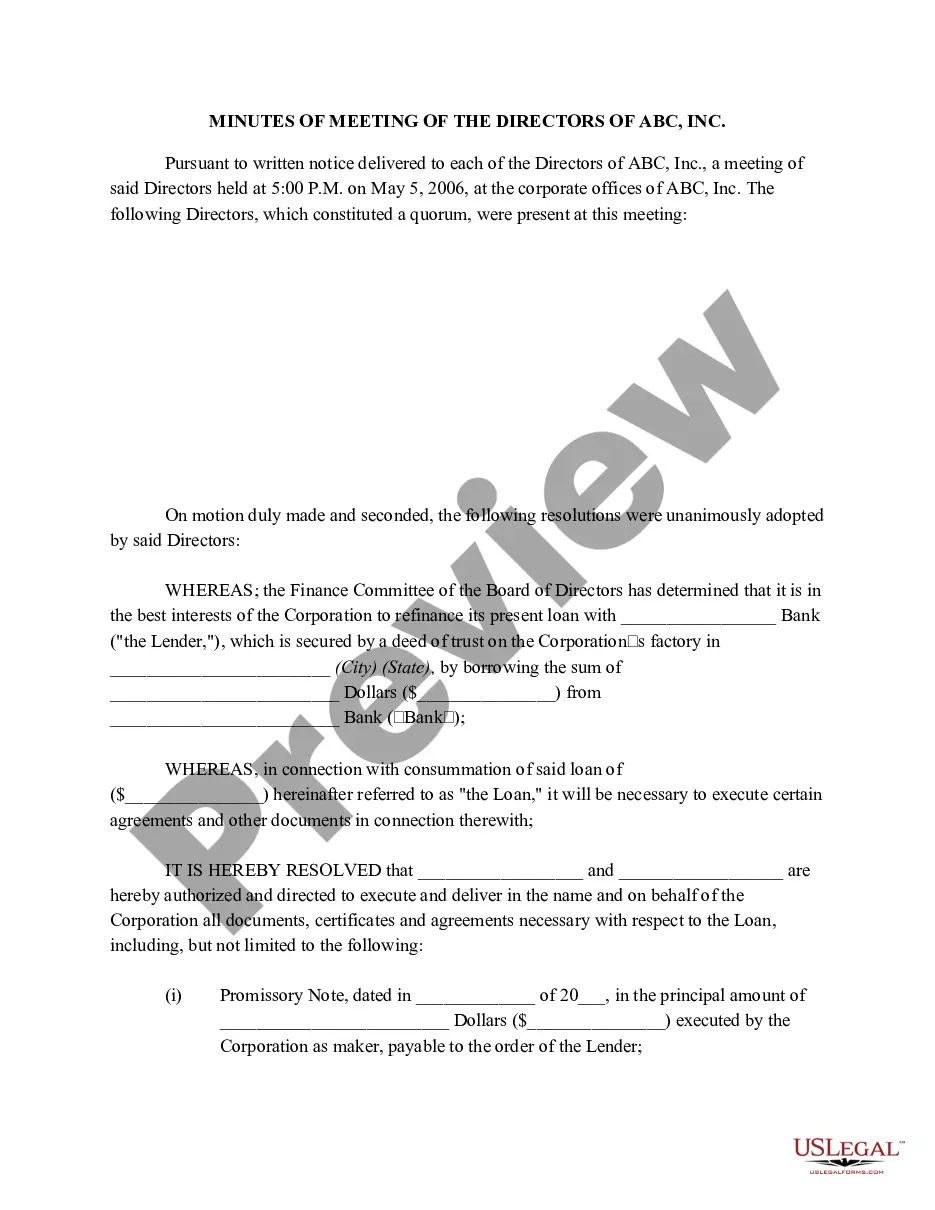
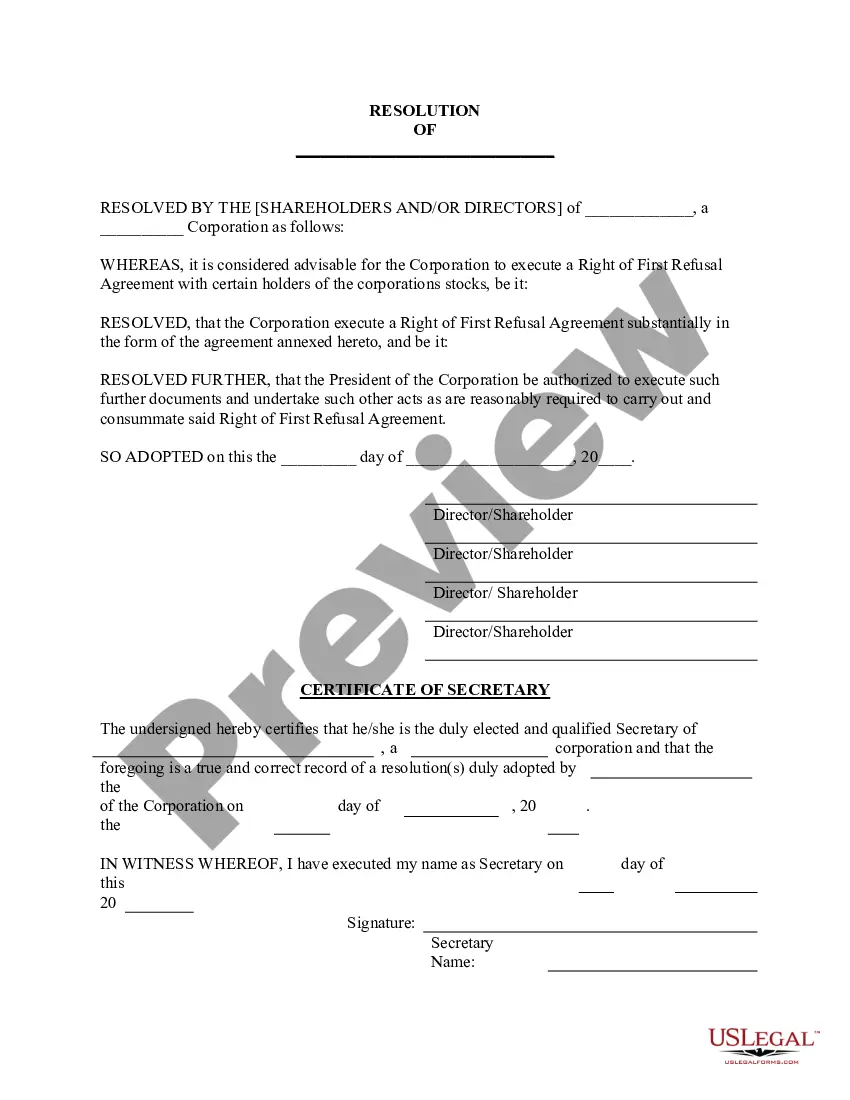
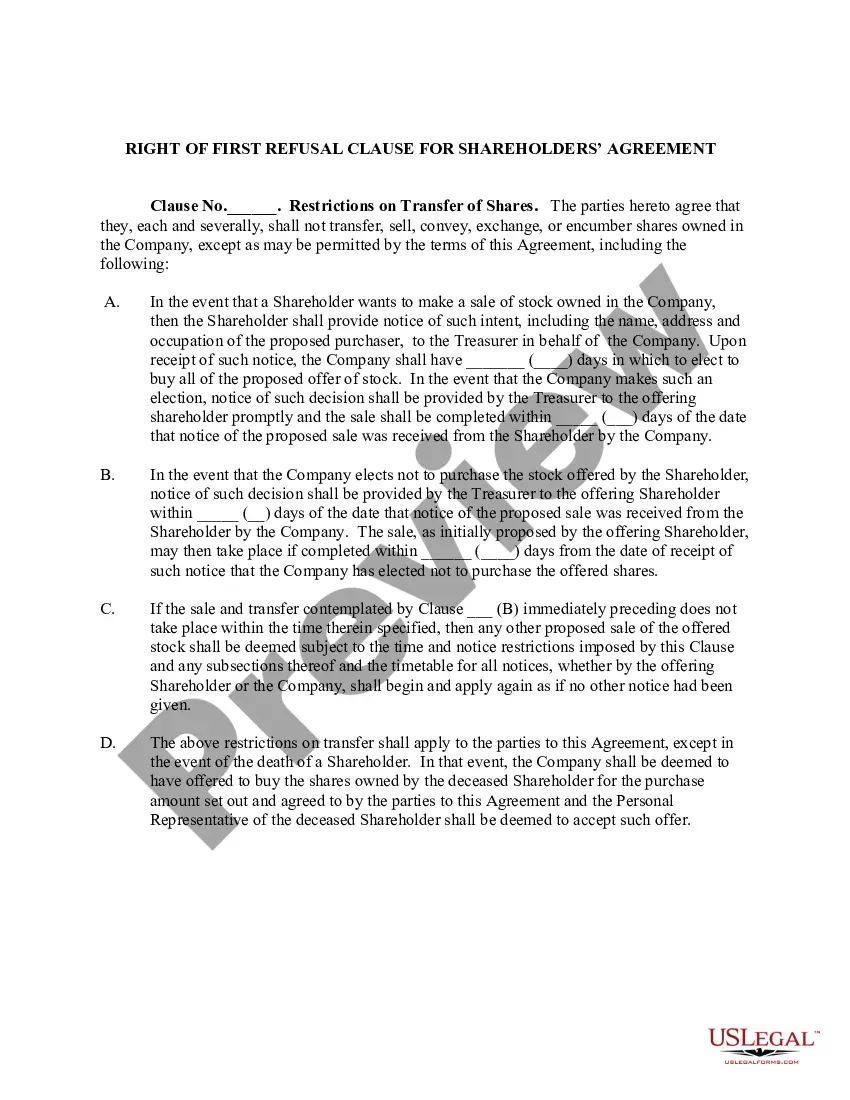
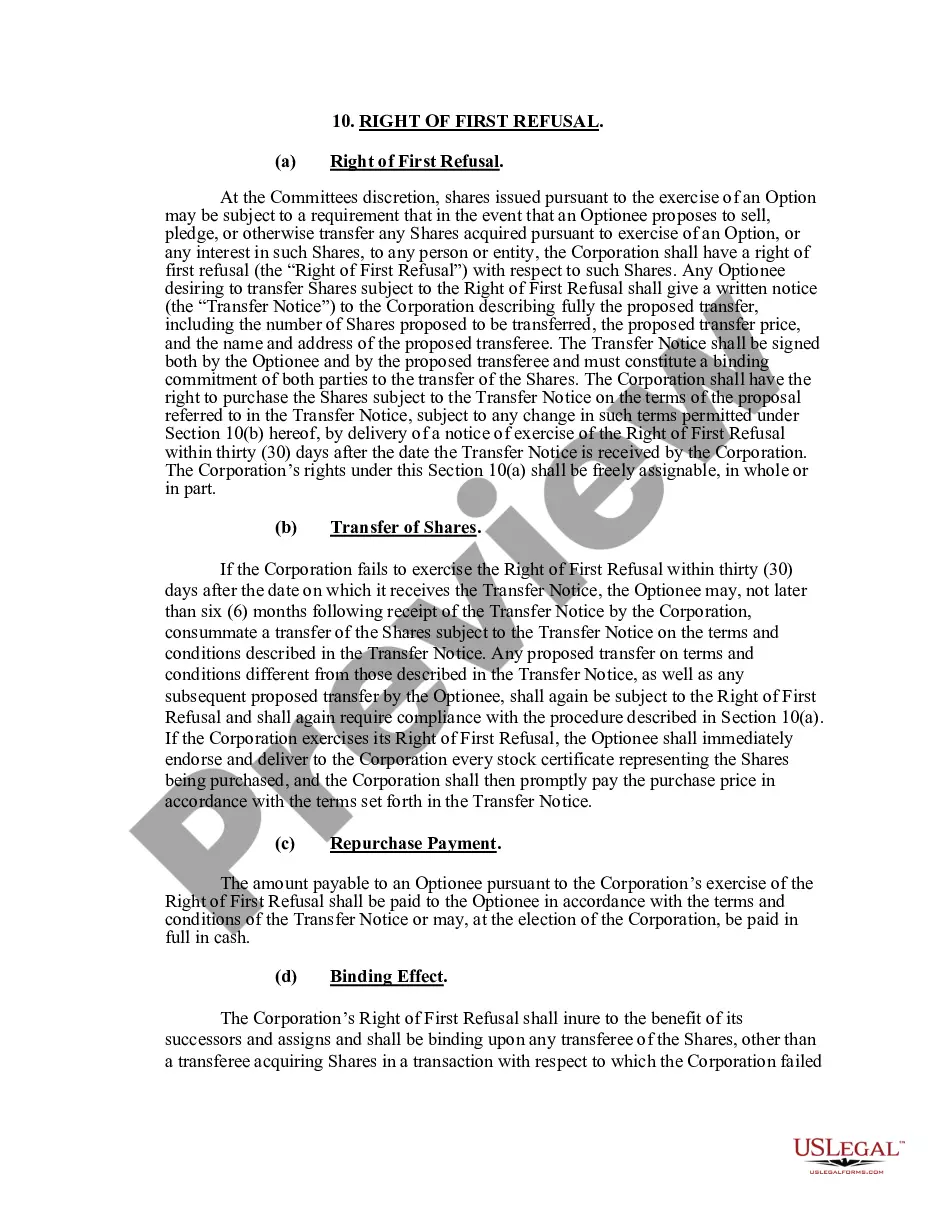
Corporate Refusal For 501 In San Jose
Description
Get your form ready online
Our built-in tools help you complete, sign, share, and store your documents in one place.
Make edits, fill in missing information, and update formatting in US Legal Forms—just like you would in MS Word.
Download a copy, print it, send it by email, or mail it via USPS—whatever works best for your next step.
Sign and collect signatures with our SignNow integration. Send to multiple recipients, set reminders, and more. Go Premium to unlock E-Sign.
If this form requires notarization, complete it online through a secure video call—no need to meet a notary in person or wait for an appointment.
We protect your documents and personal data by following strict security and privacy standards.

Make edits, fill in missing information, and update formatting in US Legal Forms—just like you would in MS Word.

Download a copy, print it, send it by email, or mail it via USPS—whatever works best for your next step.

Sign and collect signatures with our SignNow integration. Send to multiple recipients, set reminders, and more. Go Premium to unlock E-Sign.

If this form requires notarization, complete it online through a secure video call—no need to meet a notary in person or wait for an appointment.

We protect your documents and personal data by following strict security and privacy standards.
Looking for another form?





Form popularity
FAQ
Builder's remedy allows developers to bypass local zoning and development standards to get projects swiftly approved, if a city's long-term housing plans, known as a housing element, are out of compliance with state law.
A 501(c)(3) organization may engage in some lobbying, but too much lobbying activity risks loss of tax-exempt status.
Under the Internal Revenue Code, all section 501(c)(3) organizations are absolutely prohibited from directly or indirectly participating in, or intervening in, any political campaign on behalf of (or in opposition to) any candidate for elective public office.
In general, no organization may qualify for section 501(c)(3) status if a substantial part of its activities is attempting to influence legislation (commonly known as lobbying). A 501(c)(3) organization may engage in some lobbying, but too much lobbying activity risks loss of tax-exempt status.
If the audience makes laws and the organization attempts to change legislation by encouraging these lawmakers to vote a certain way, then it's lobbying. If the organization is speaking with an administrative official or other non-lawmaking individual or group about a broad policy change, then it's advocacy.
Corporations generally would be considered as single issue lobbies. If a corporation wishes to change public policy, or to influence legislation which impacts its success as a business, it may use lobbying as a "primary avenue" for this purpose.
Historically, the IRS denies a very small number of 501(c)(3) applications (less than 1%). It is much more likely that they will ask you questions that seem too hard to answer. As many as 10% of applicants simply give up on their applications for this reason.
Common mistakes in meeting the Organizational Test can lead to your application's rejection. One frequent issue is incomplete or improper language in the articles of incorporation. For instance, failing to include specific language that reflects your nonprofit's purpose or using vague terms can raise red flags.
Earning too much income generated from unrelated activities can jeopardize an organization's 501(c)(3) tax-exempt status. This income comes from a regularly carried- on trade or business that is not substantially related to the organization's exempt purpose.
Sometimes, an organization's application for recognition of tax-exempt status is denied, or its exempt status is revoked after an examination.