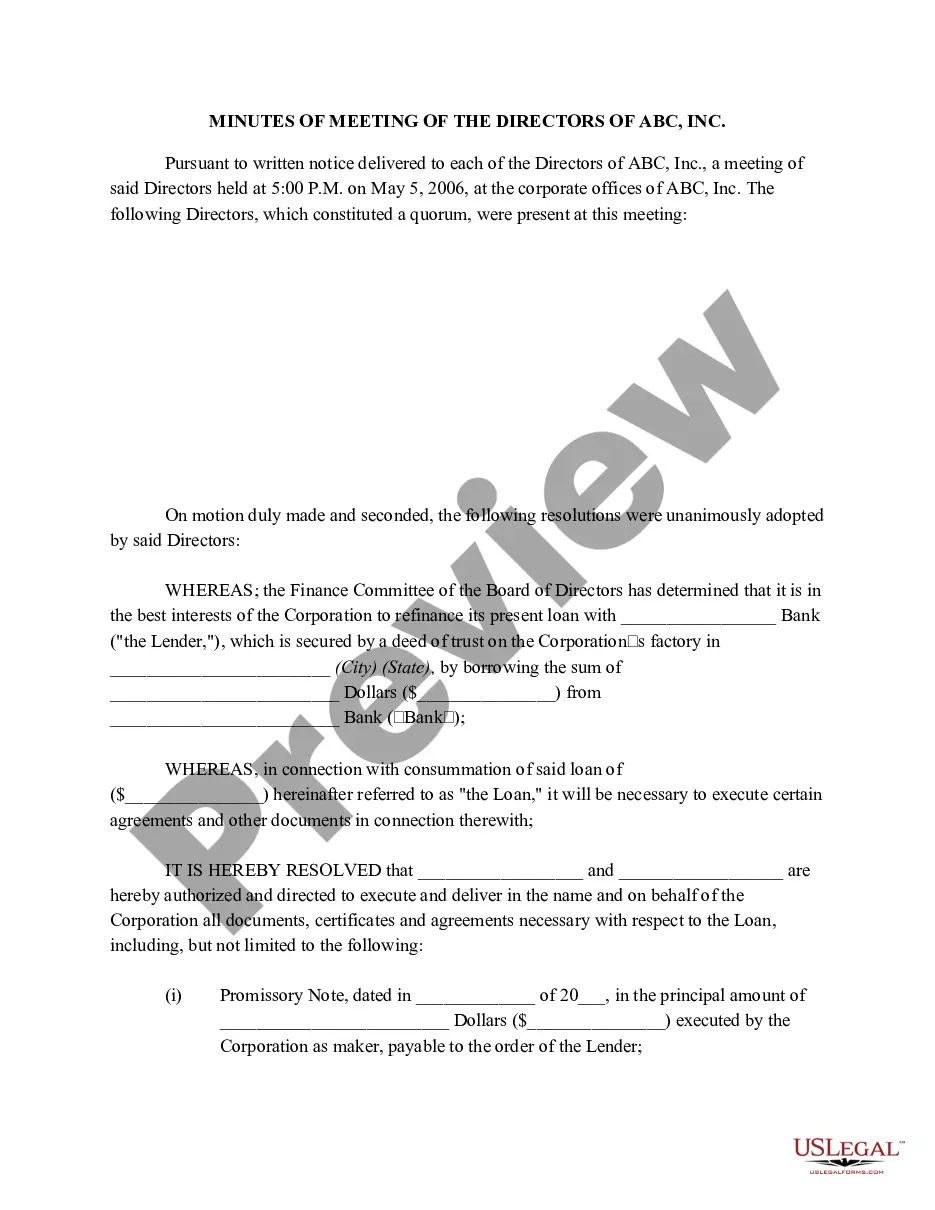
Corporate Refusal For 501 In Ohio
Description
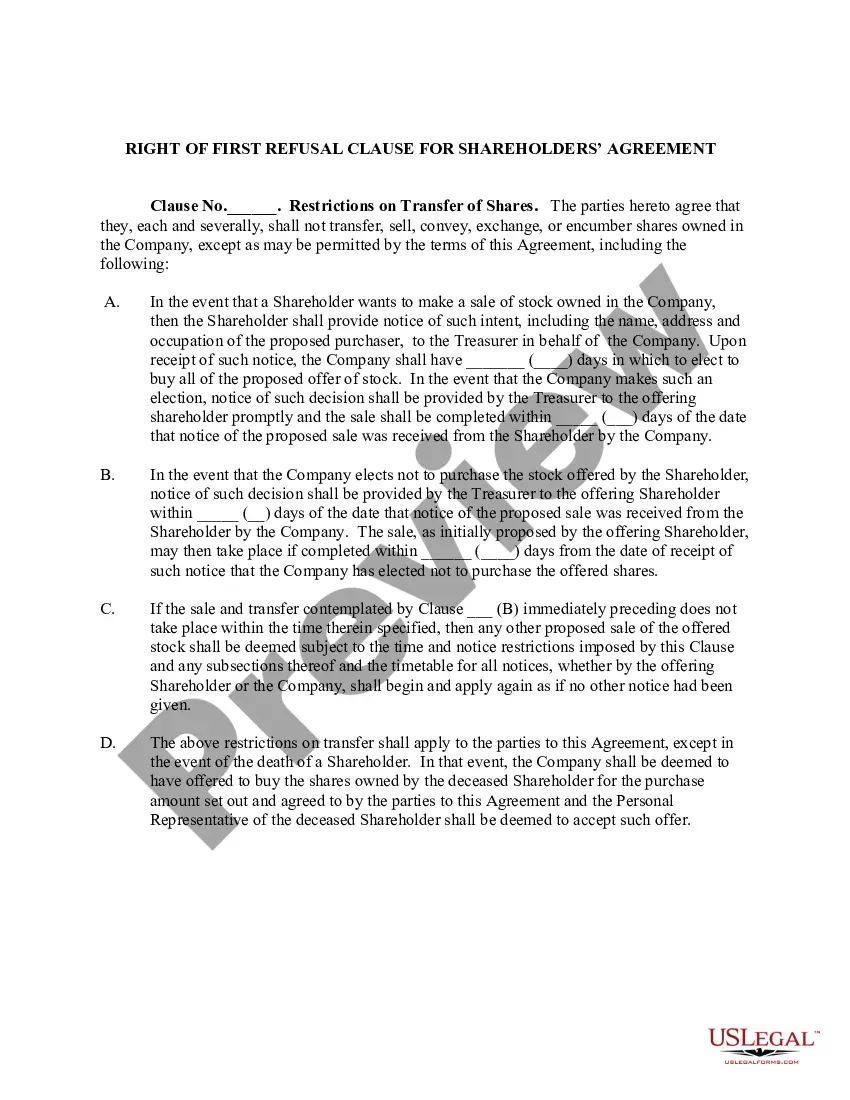
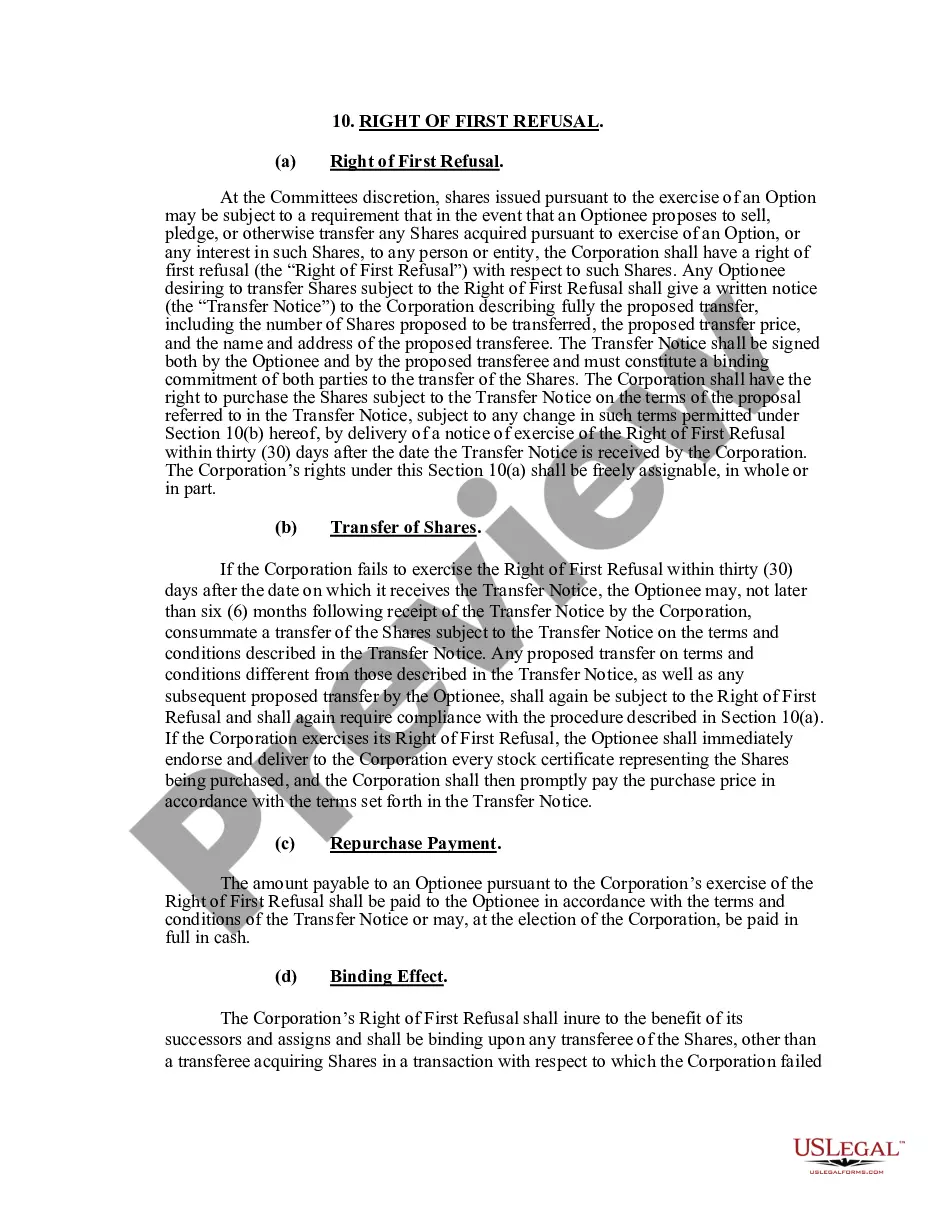
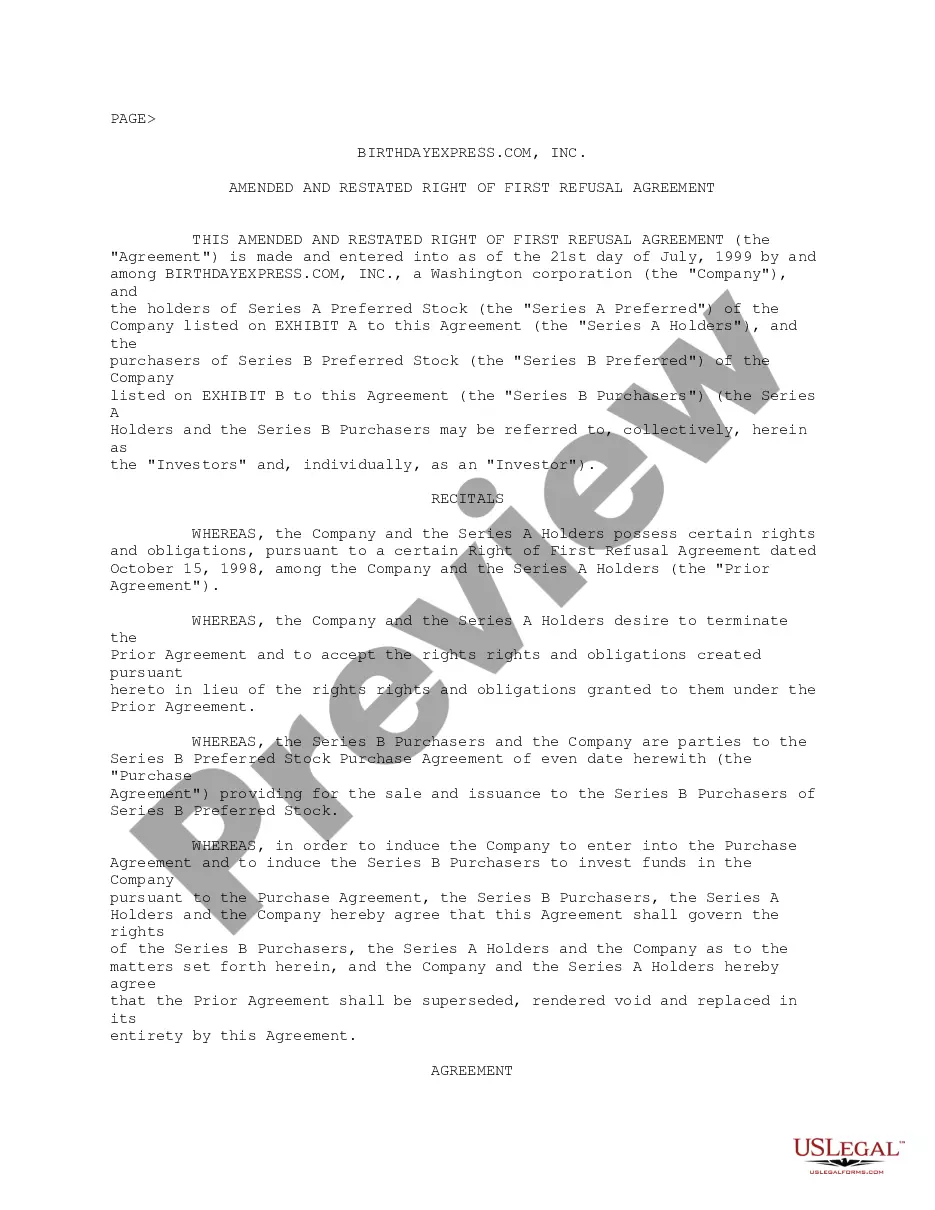
Get your form ready online
Our built-in tools help you complete, sign, share, and store your documents in one place.
Make edits, fill in missing information, and update formatting in US Legal Forms—just like you would in MS Word.
Download a copy, print it, send it by email, or mail it via USPS—whatever works best for your next step.
Sign and collect signatures with our SignNow integration. Send to multiple recipients, set reminders, and more. Go Premium to unlock E-Sign.
If this form requires notarization, complete it online through a secure video call—no need to meet a notary in person or wait for an appointment.
We protect your documents and personal data by following strict security and privacy standards.

Make edits, fill in missing information, and update formatting in US Legal Forms—just like you would in MS Word.

Download a copy, print it, send it by email, or mail it via USPS—whatever works best for your next step.

Sign and collect signatures with our SignNow integration. Send to multiple recipients, set reminders, and more. Go Premium to unlock E-Sign.

If this form requires notarization, complete it online through a secure video call—no need to meet a notary in person or wait for an appointment.

We protect your documents and personal data by following strict security and privacy standards.
Looking for another form?
Form popularity
FAQ
Historically, the IRS denies a very small number of 501(c)(3) applications (less than 1%). It is much more likely that they will ask you questions that seem too hard to answer. As many as 10% of applicants simply give up on their applications for this reason.
Ohio does not require corporations to file an annual report. Taxes. For complete details on state taxes for Ohio corporations, visit Business Owner's Toolkit or the State of Ohio .
A disqualified person is any person who was in a position to exercise substantial influence over the affairs of the applicable tax-exempt organization at any time during the lookback period. It is not necessary that the person actually exercise substantial influence, only that the person be in a position to do so.
Earning too much income generated from unrelated activities can jeopardize an organization's 501(c)(3) tax-exempt status. This income comes from a regularly carried- on trade or business that is not substantially related to the organization's exempt purpose.
Common mistakes in meeting the Organizational Test can lead to your application's rejection. One frequent issue is incomplete or improper language in the articles of incorporation. For instance, failing to include specific language that reflects your nonprofit's purpose or using vague terms can raise red flags.
Exemption requirements - 501(c)(3) organizations To be tax-exempt under section 501(c)(3) of the Internal Revenue Code, an organization must be organized and operated exclusively for exempt purposes set forth in section 501(c)(3), and none of its earnings may inure to any private shareholder or individual.
If you suspect a violation of charitable laws is occurring, you can file a complaint by completing and submitting the online complaint form, by calling the Ohio Attorney General Help Center at 800-282-0515 or by completing the paper complaint form and submitting it via mail or email.
Private inurement occurs when the nonprofit's income or assets are used to benefit insiders, often board members, officers, directors, or employees. Engaging in this type of activity will result in the nonprofit losing its 501(c)(3) status and being subject to penalty excise taxes.
Under the substantial part test, a church or religious organization that conducts excessive lobbying activity in any taxable year may lose its tax-exempt status, resulting in all its income being subject to tax.