Corporate Refusal For 501 In Franklin
Description
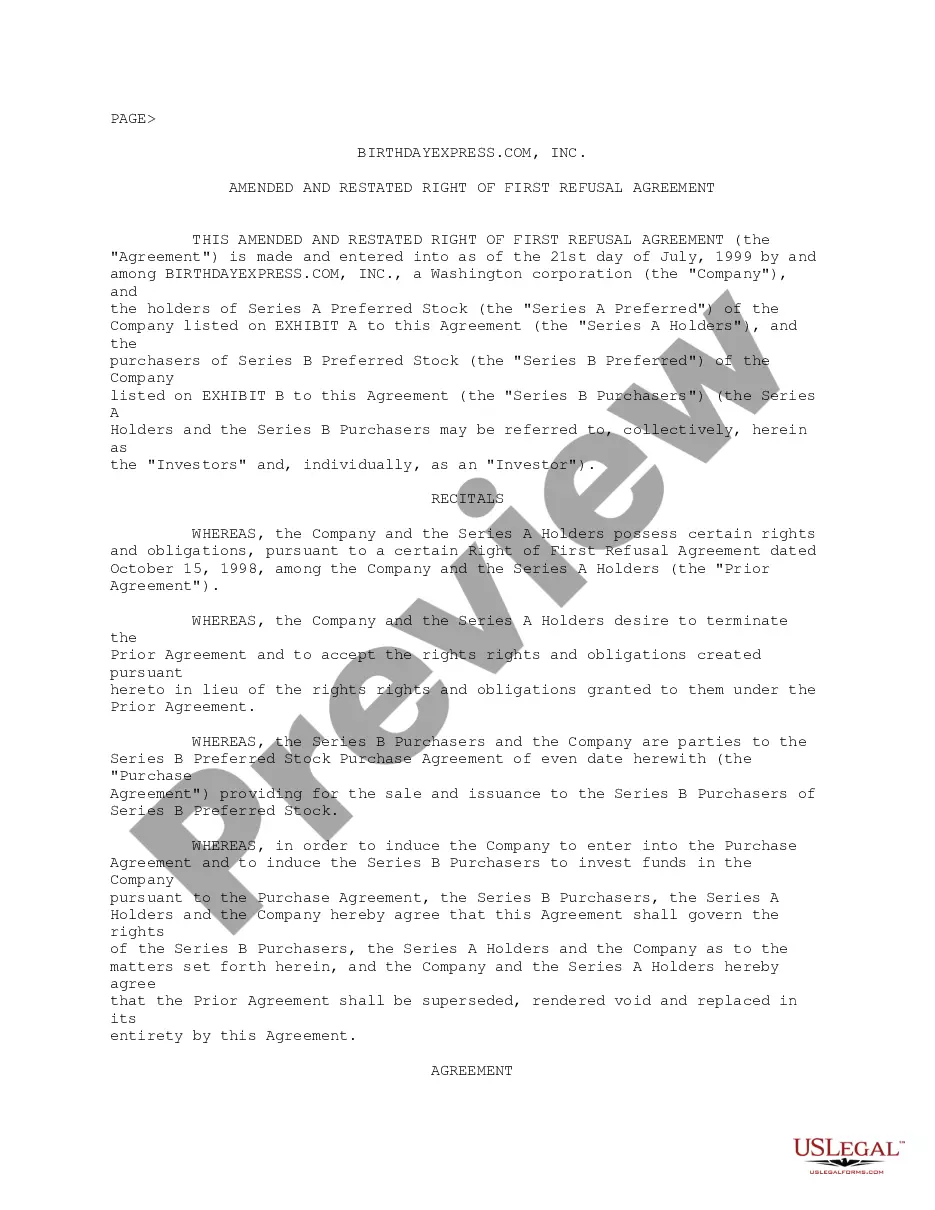
Get your form ready online
Our built-in tools help you complete, sign, share, and store your documents in one place.
Make edits, fill in missing information, and update formatting in US Legal Forms—just like you would in MS Word.
Download a copy, print it, send it by email, or mail it via USPS—whatever works best for your next step.
Sign and collect signatures with our SignNow integration. Send to multiple recipients, set reminders, and more. Go Premium to unlock E-Sign.
If this form requires notarization, complete it online through a secure video call—no need to meet a notary in person or wait for an appointment.
We protect your documents and personal data by following strict security and privacy standards.

Make edits, fill in missing information, and update formatting in US Legal Forms—just like you would in MS Word.

Download a copy, print it, send it by email, or mail it via USPS—whatever works best for your next step.

Sign and collect signatures with our SignNow integration. Send to multiple recipients, set reminders, and more. Go Premium to unlock E-Sign.

If this form requires notarization, complete it online through a secure video call—no need to meet a notary in person or wait for an appointment.

We protect your documents and personal data by following strict security and privacy standards.
Looking for another form?









Form popularity
FAQ
Common mistakes in meeting the Organizational Test can lead to your application's rejection. One frequent issue is incomplete or improper language in the articles of incorporation. For instance, failing to include specific language that reflects your nonprofit's purpose or using vague terms can raise red flags.
Minnesota-based Optum bought DaVita Medical Group, which owns HealthCare Partners, in June of last year for $4.3 billion. With the addition of HealthCare Partners, Optum's network serves 1.4 million consumers across Southern California; HealthCare has served the region for 30 years.
Actually, no! These terms are often used interchangeably, but they all mean different things. Nonprofit means the entity, usually a corporation, is organized for a nonprofit purpose. 501(c)(3) means a nonprofit organization that has been recognized by the IRS as being tax-exempt by virtue of its charitable programs.
Organizations that meet the requirements of Internal Revenue Code section 501(a) are exempt from federal income taxation. In addition, charitable contributions made to some section 501(a) organizations by individuals and corporations are deductible under Code section 170.
Exempt purposes - Internal Revenue Code Section 501(c)(3) The exempt purposes set forth in section 501(c)(3) are charitable, religious, educational, scientific, literary, testing for public safety, fostering national or international amateur sports competition, and preventing cruelty to children or animals.
“Charitable” is broadly defined as being established for purposes that are religious, educational, charitable, scientific, literary, testing for public safety, fostering of national or international amateur sports, or prevention of cruelty to animals and children. For more information, see What is a 501(c)(3)?
Both of them exempt organizations from paying corporate income taxes. However, a 501(c) organization may not allow its donors to write off donations while a 501(c)(3) organization lets its donors take tax deductions on their contributions.
In order to become a tax-exempt nonprofit, one must file for tax-exempt status. This is a difficult process and professional help is often recommended. The most common way to become a tax-exempt nonprofit is by establishing the organization as a section 501(c)(3) entity with the IRS.