Corporate Refusal Form Dental In Florida
Description
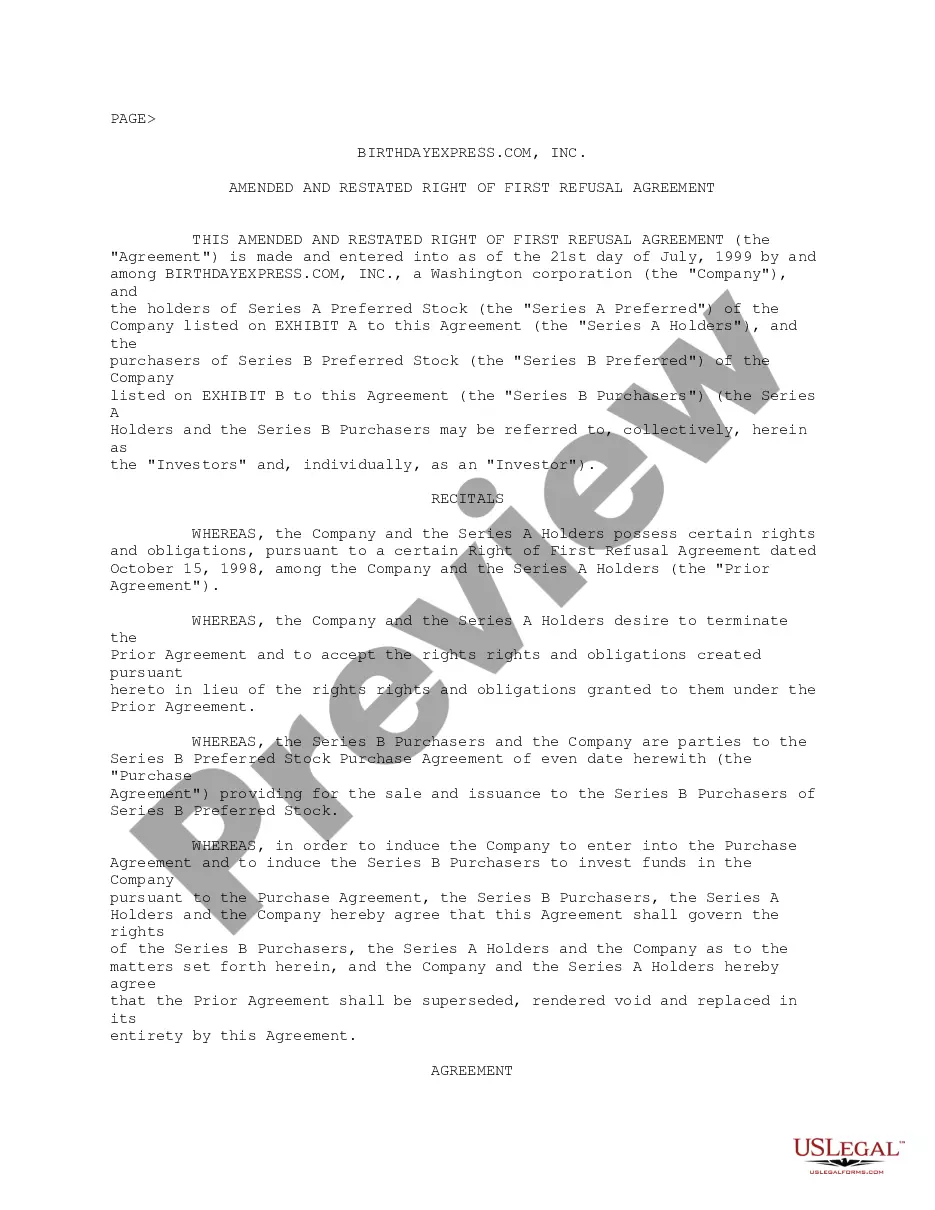
Get your form ready online
Our built-in tools help you complete, sign, share, and store your documents in one place.
Make edits, fill in missing information, and update formatting in US Legal Forms—just like you would in MS Word.
Download a copy, print it, send it by email, or mail it via USPS—whatever works best for your next step.
Sign and collect signatures with our SignNow integration. Send to multiple recipients, set reminders, and more. Go Premium to unlock E-Sign.
If this form requires notarization, complete it online through a secure video call—no need to meet a notary in person or wait for an appointment.
We protect your documents and personal data by following strict security and privacy standards.

Make edits, fill in missing information, and update formatting in US Legal Forms—just like you would in MS Word.

Download a copy, print it, send it by email, or mail it via USPS—whatever works best for your next step.

Sign and collect signatures with our SignNow integration. Send to multiple recipients, set reminders, and more. Go Premium to unlock E-Sign.

If this form requires notarization, complete it online through a secure video call—no need to meet a notary in person or wait for an appointment.

We protect your documents and personal data by following strict security and privacy standards.
Looking for another form?









Form popularity
FAQ
Your dentist may feel that X-rays are necessary to make a proper diagnosis or treatment plan. Treatment without the necessary radiographs is considered negligence. As a patient, you also have the right to refuse any dental treatment proposed by the dentist. How can I get a copy of my dental records?
Dentists can refuse to treat you under certain conditions, but it's still their ethical duty to treat you. Whether it's behavior, medical risks, or payment issues, knowing why a dentist might refuse dental treatment can help you prevent them.
Dentists can refuse to treat you under certain conditions, but it's still their ethical duty to treat you. Whether it's behavior, medical risks, or payment issues, knowing why a dentist might refuse dental treatment can help you prevent them.
A dentist who recommends or performs unnecessary dental services or procedures is engaged in unethical conduct. The dentist's ethical obligation in this matter applies regardless of the type of practice arrangement or contractual obligations in which he or she provides patient care.
Every patient has the right to accept or refuse recommended treatment from their dentist, known as informed consent or refusal. Dentists must comply with the informed consent law1 by thoroughly explaining treatment options to patients so they can make the best medical decisions possible for their needs.
Before any treatment begins, your dentist must obtain your consent. This means you agree to the treatment after understanding what it involves. Your dentist should explain the treatment clearly and answer any questions you have. You can also choose to refuse treatment if you are not comfortable with it.
While a dentist cannot refuse anyone dental treatment because of their race or religion, etc., they can refuse any service for legitimate medical reasons. There is a medical reason to refuse dental implants to smokers.
Documenting Informed Refusal Effectively The clinician's assessment and recommended treatment; A list of risks and benefits discussed; A list of alternatives discussed; A statement that the patient refused treatment; A statement that the patient had the opportunity to ask questions and a list of any questions asked;
1. Tooth Decay. Tooth decay is also known as dental caries or dental cavities. It is the most common dental problem that dentists see in patients.
Print the Complaint Form with the Authorization for Release of Patient Records from our Enforcement site or call 1-888-419-3456 or (850)414-1976 to request one by phone. Complete the form and mail it to the address given on the form.