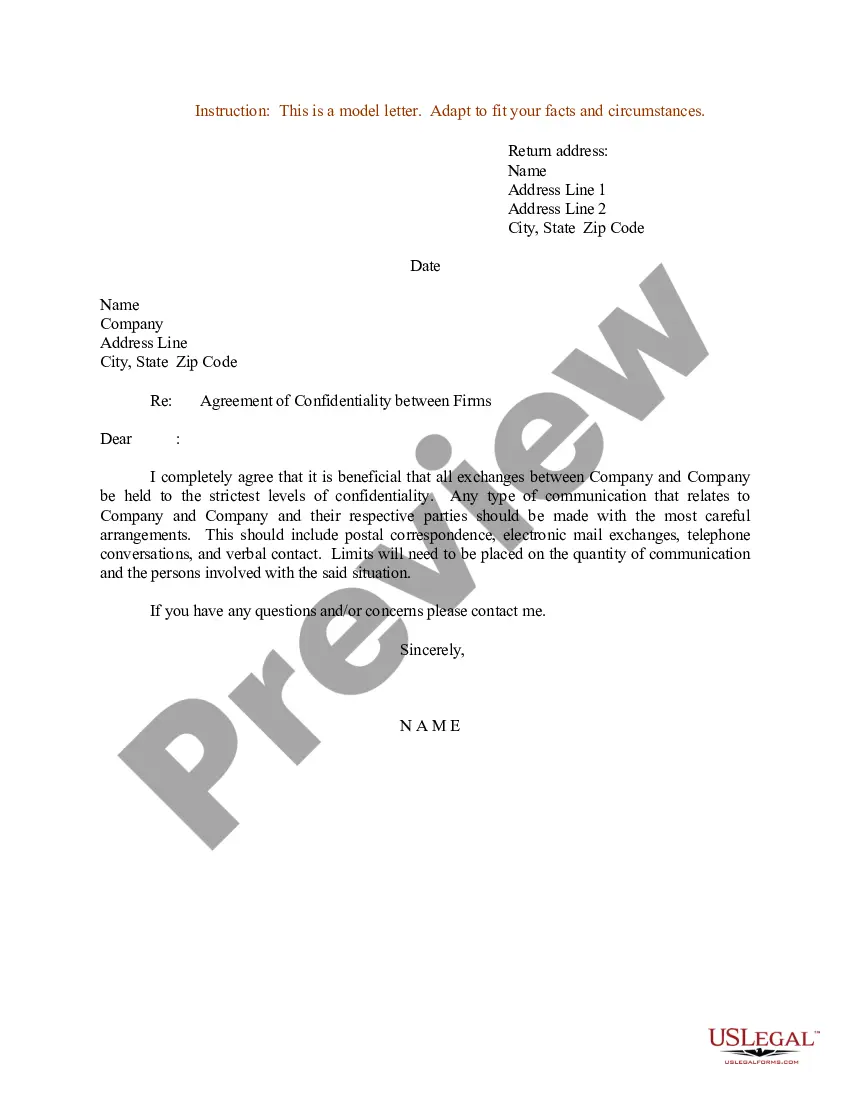
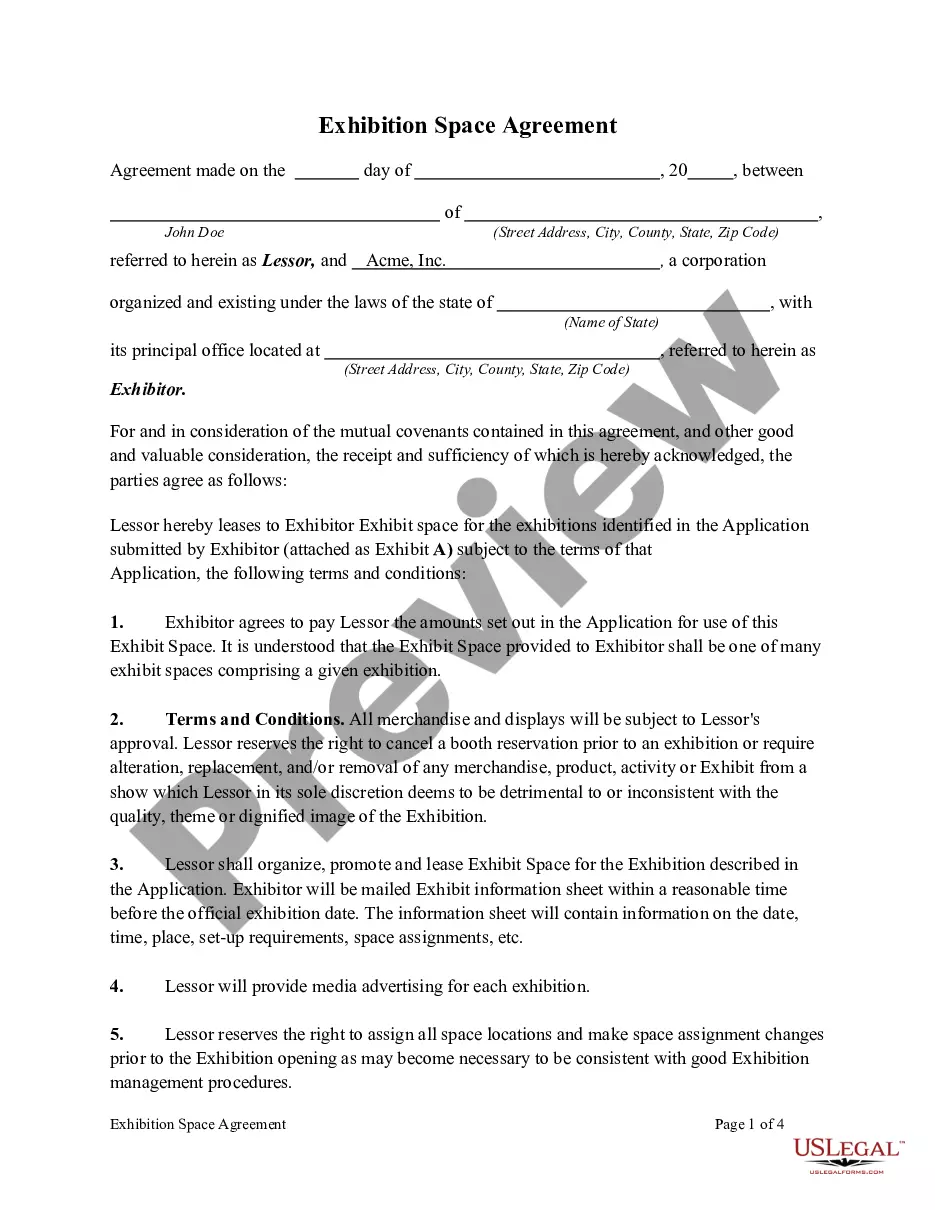
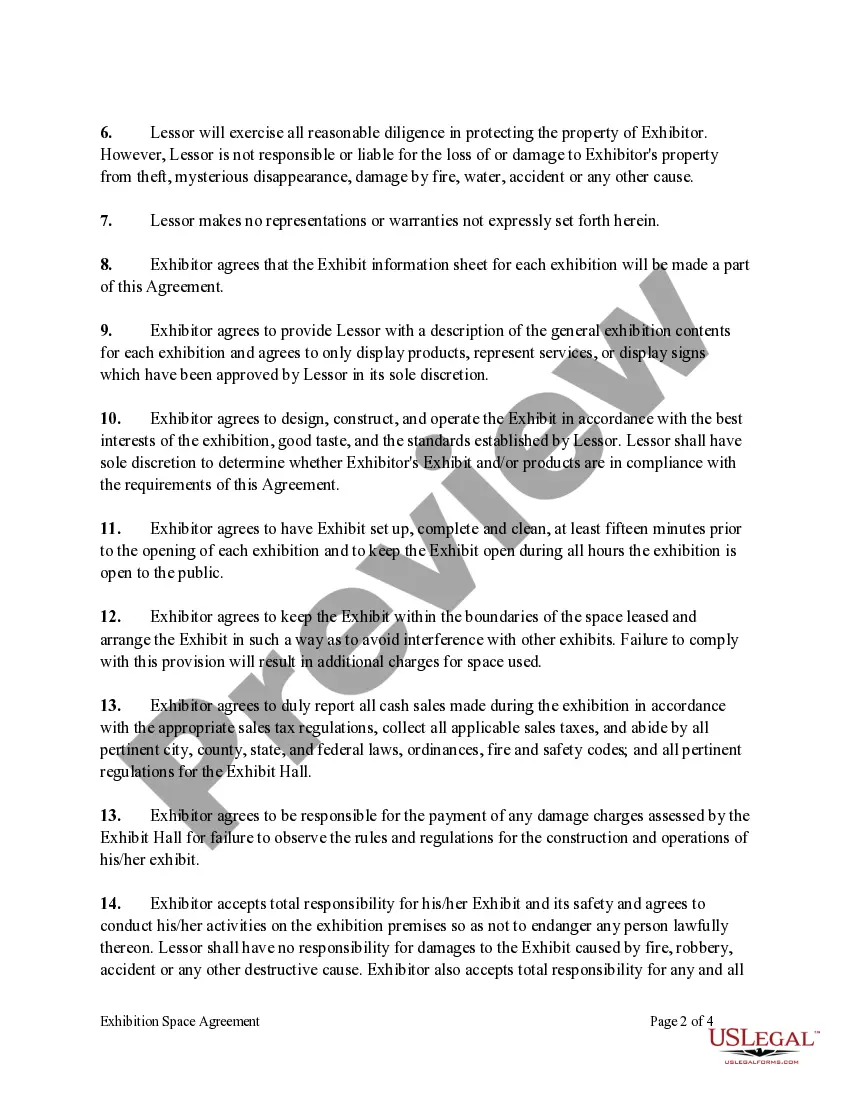
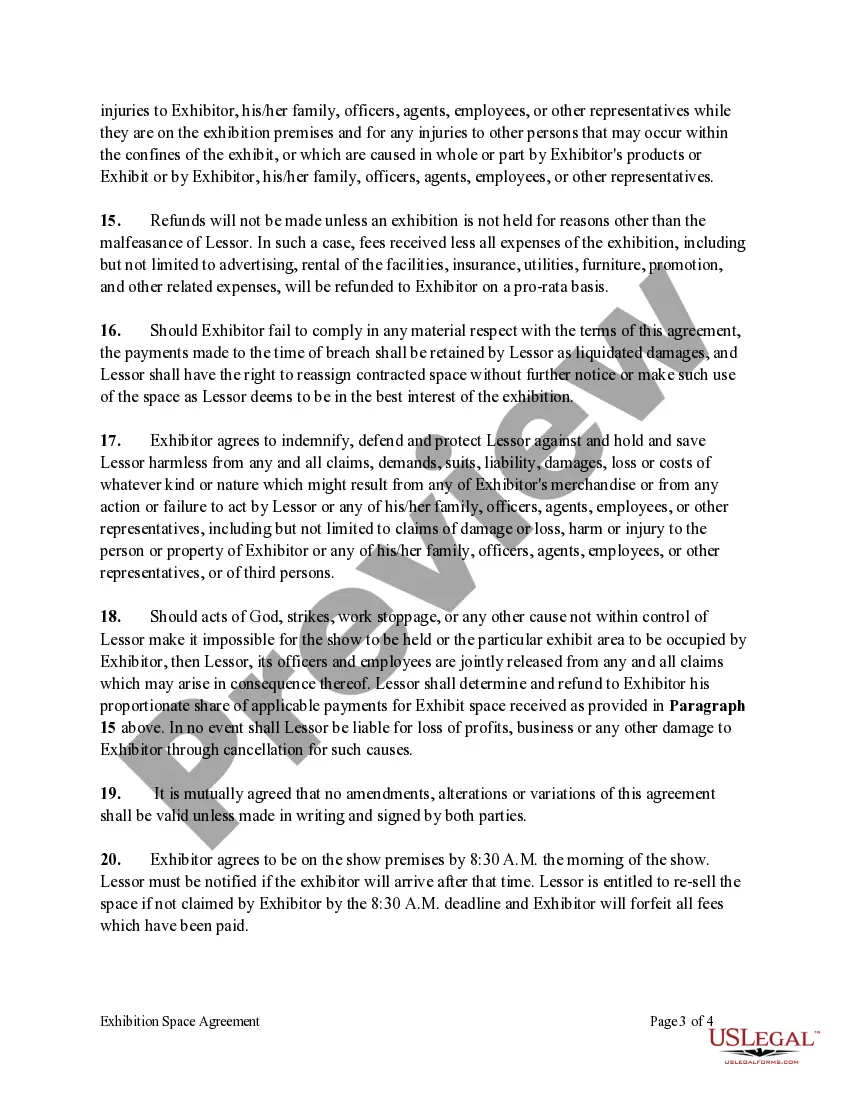
Exhibition Contract Template For Virtual Assistant In Chicago
Description
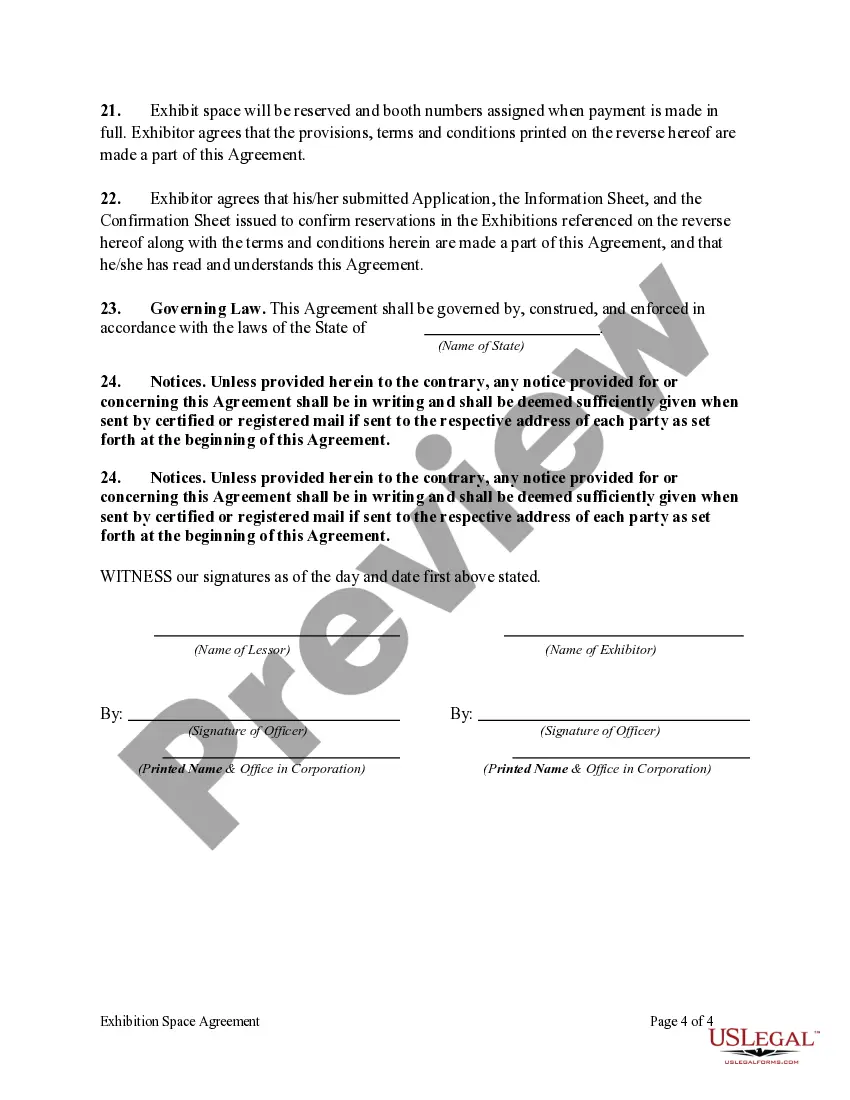
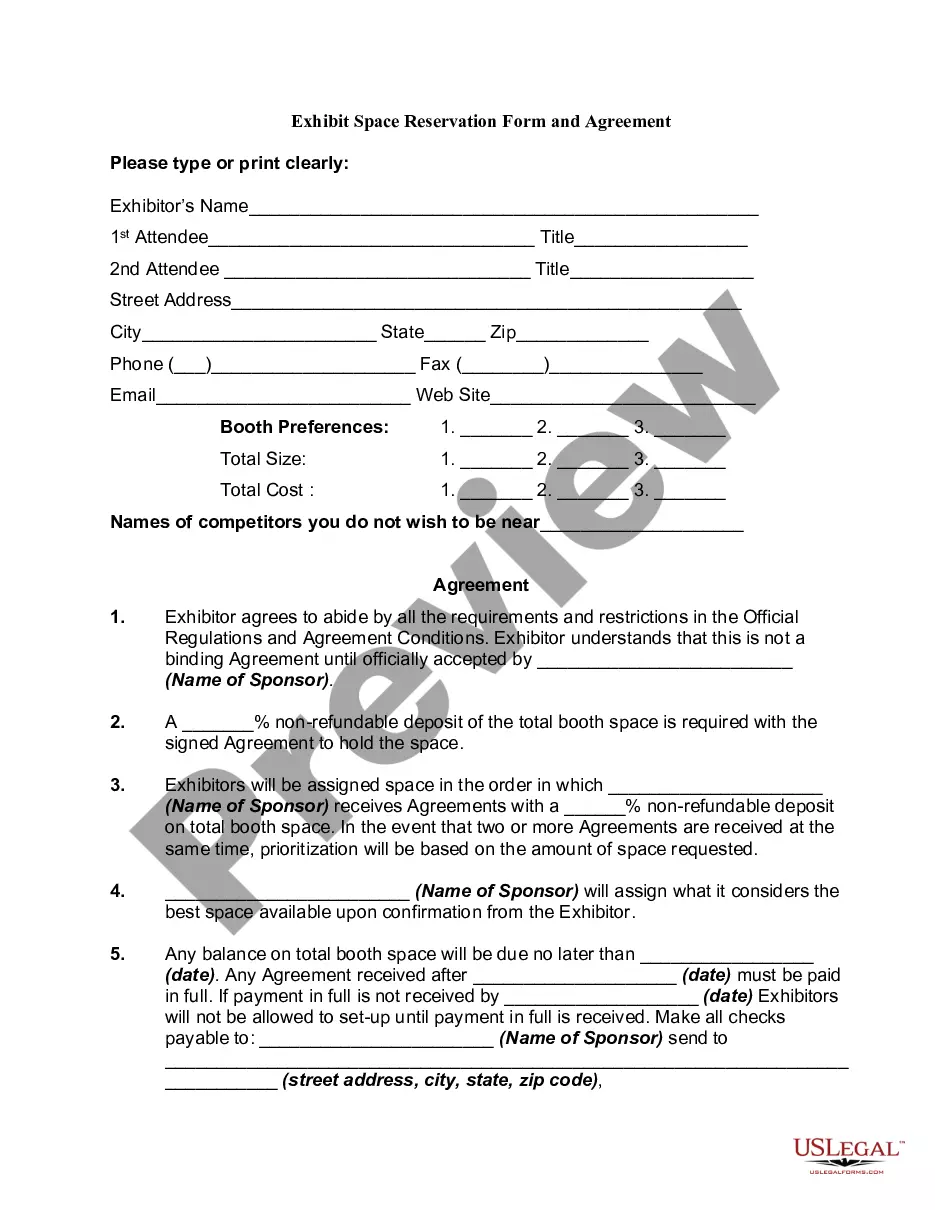

Get your form ready online
Our built-in tools help you complete, sign, share, and store your documents in one place.
Make edits, fill in missing information, and update formatting in US Legal Forms—just like you would in MS Word.
Download a copy, print it, send it by email, or mail it via USPS—whatever works best for your next step.
Sign and collect signatures with our SignNow integration. Send to multiple recipients, set reminders, and more. Go Premium to unlock E-Sign.
If this form requires notarization, complete it online through a secure video call—no need to meet a notary in person or wait for an appointment.
We protect your documents and personal data by following strict security and privacy standards.

Make edits, fill in missing information, and update formatting in US Legal Forms—just like you would in MS Word.

Download a copy, print it, send it by email, or mail it via USPS—whatever works best for your next step.

Sign and collect signatures with our SignNow integration. Send to multiple recipients, set reminders, and more. Go Premium to unlock E-Sign.

If this form requires notarization, complete it online through a secure video call—no need to meet a notary in person or wait for an appointment.

We protect your documents and personal data by following strict security and privacy standards.
Looking for another form?
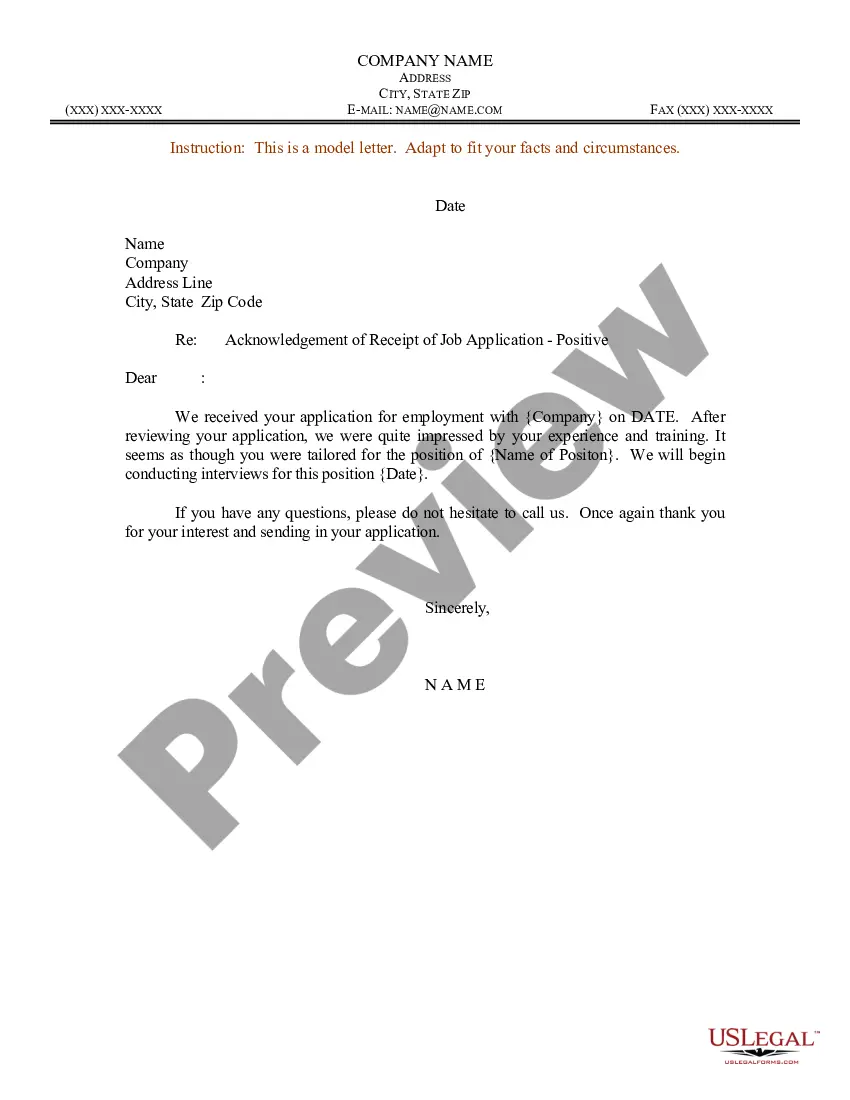

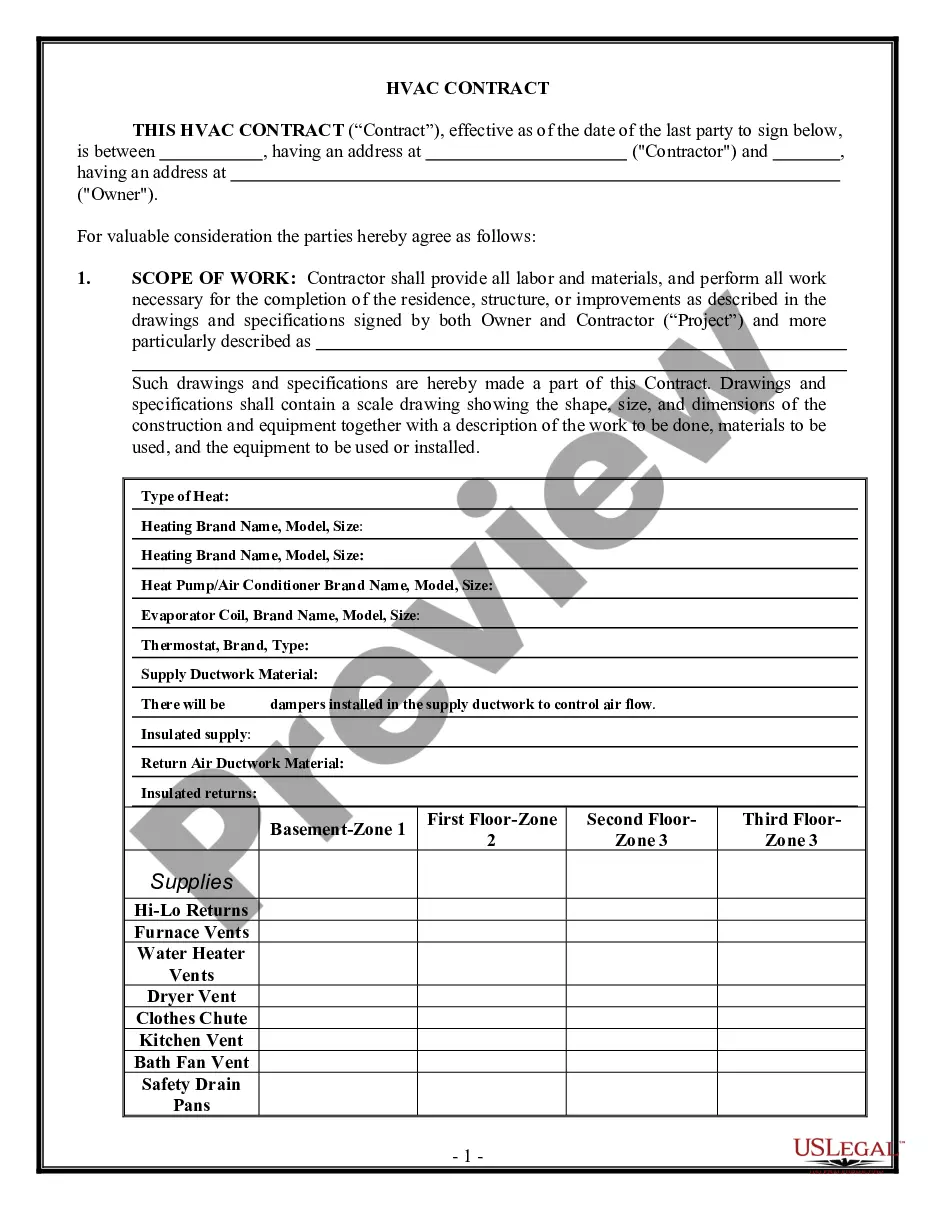




Form popularity
FAQ
A virtual assistant is an independent contractor who provides administrative services to clients while operating outside of the client's office. A virtual assistant typically operates from a home office but can access the necessary planning documents, such as shared calendars, remotely.
What is a 1099 employee? A 1099 employee is a contractor rather than a full-time employee. These employees may also be referred to as freelancers, self-employed workers, or independent contractors.
This might sound like a good idea, but the short answer is no, you cannot. An independent contractor has to meet certain criteria, and it's highly unlikely that an administrative assistant would meet these.
The second, equally important thing you need to know is that when you are a virtual assistant or any other type of freelancer, you are self-employed and responsible for 100% of your taxes. There are no taxes taken out for you from your employer.
Every virtual assistant needs a contract You want to have a contract in place before you start working for a client because it protects you. It gives the client an understanding of what they've committed to and what their responsibilities are — just as much as it does for you!
There are also specialized virtual assistants who can handle work with social media, graphic design, writing blog articles, and more. The specific duties vary based on the needs of the business and the VA's professional skills and experience. A virtual assistant can be an independent contractor or an employee.
A virtual assistant is an independent contractor who provides administrative services to clients while operating outside of the client's office. A virtual assistant typically operates from a home office but can access the necessary planning documents, such as shared calendars, remotely.
This might sound like a good idea, but the short answer is no, you cannot. An independent contractor has to meet certain criteria, and it's highly unlikely that an administrative assistant would meet these.
Write the contract in six steps Start with a contract template. Open with the basic information. Describe in detail what you have agreed to. Include a description of how the contract will be ended. Write into the contract which laws apply and how disputes will be resolved. Include space for signatures.