Accident And Injury Care In Wayne
Description

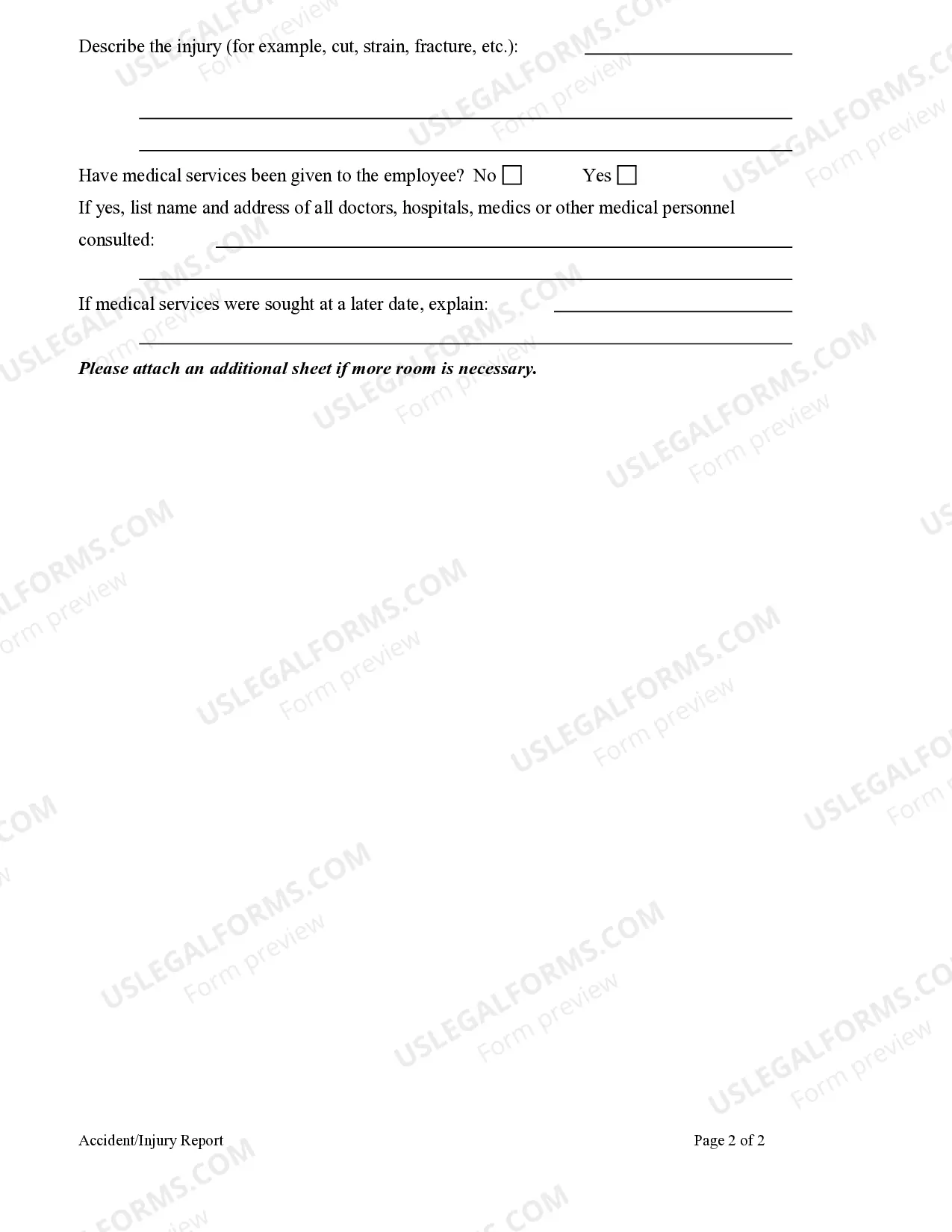
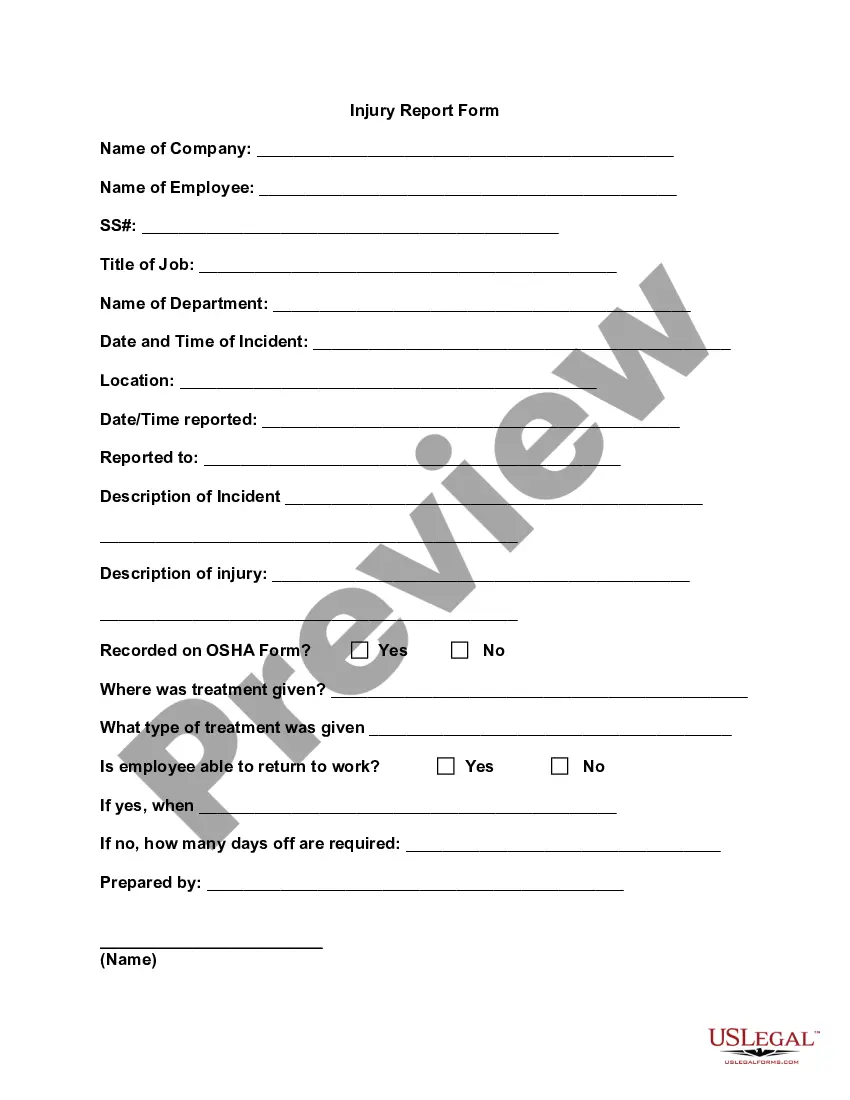
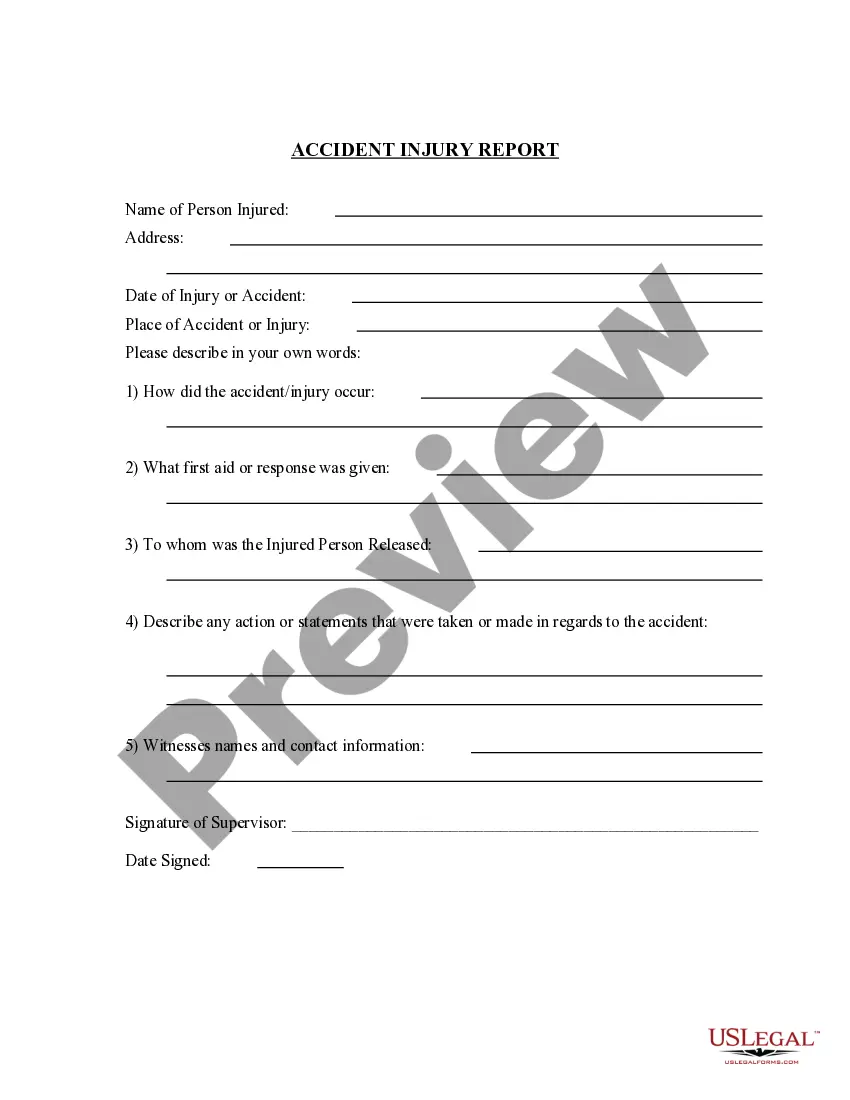
Get your form ready online
Our built-in tools help you complete, sign, share, and store your documents in one place.
Make edits, fill in missing information, and update formatting in US Legal Forms—just like you would in MS Word.
Download a copy, print it, send it by email, or mail it via USPS—whatever works best for your next step.
Sign and collect signatures with our SignNow integration. Send to multiple recipients, set reminders, and more. Go Premium to unlock E-Sign.
If this form requires notarization, complete it online through a secure video call—no need to meet a notary in person or wait for an appointment.
We protect your documents and personal data by following strict security and privacy standards.

Make edits, fill in missing information, and update formatting in US Legal Forms—just like you would in MS Word.

Download a copy, print it, send it by email, or mail it via USPS—whatever works best for your next step.

Sign and collect signatures with our SignNow integration. Send to multiple recipients, set reminders, and more. Go Premium to unlock E-Sign.

If this form requires notarization, complete it online through a secure video call—no need to meet a notary in person or wait for an appointment.

We protect your documents and personal data by following strict security and privacy standards.
Looking for another form?

Form popularity
FAQ
Always File a Claim, Regardless of Who Was At-Fault One of the primary questions we receive from clients who have been in an accident is whether they should report the accident to their own auto insurance carrier, particularly when the accident was not their fault. And the answer to that question is: always.
How long after a car accident can you claim injury? StateStatute of Limitations on Car Insurance Claims California 2 years Colorado 3 years Connecticut 2 years Delaware 2 years47 more rows •
Even in at-fault states, where the other driver's insurer pays, there are several reasons why you should always call your own auto insurance company first, including: Some insurers will help you negotiate a settlement with the other driver's insurance company.
Even if the damage is minor, it is important to contact your own insurance provider as soon as possible (no matter who you think is at fault) to ensure that you can get your claim started and completed quickly.
It's better if you file a third party claim directly with the other person's insurance. That will keep your insurance rates from rising (yes, your rates can rise if you file a claim with your own insurance even if you're not at fault.) You can't use a delay in processing the claim as an excuse to run up more expenses.
Always File a Claim, Regardless of Who Was At-Fault One of the primary questions we receive from clients who have been in an accident is whether they should report the accident to their own auto insurance carrier, particularly when the accident was not their fault. And the answer to that question is: always.
It's better if you file a third party claim directly with the other person's insurance. That will keep your insurance rates from rising (yes, your rates can rise if you file a claim with your own insurance even if you're not at fault.) You can't use a delay in processing the claim as an excuse to run up more expenses.
Yes. Regardless of fault, it is important to call your insurance company and report any accident that involves injuries or property damage. It is a common myth that you needn't contact your insurance company if you aren't at fault.
Just tell your story or part of the accident in plain simple terms/words. Don't embellish your narrative. Keep it simple and tell the truth. Focus on the accident scene itself. You may need to use white typing paper to add on to your original report too so keep that in mind.
Stick to the Facts Focus on the facts without adding opinions or assumptions. Describe what happened during the accident clearly and avoid discussing fault or other details. Never guess or estimate. If you don't know the answer to a question, admit that you don't know and move on.
