Injury Lawyer For Assault In Tarrant
Description

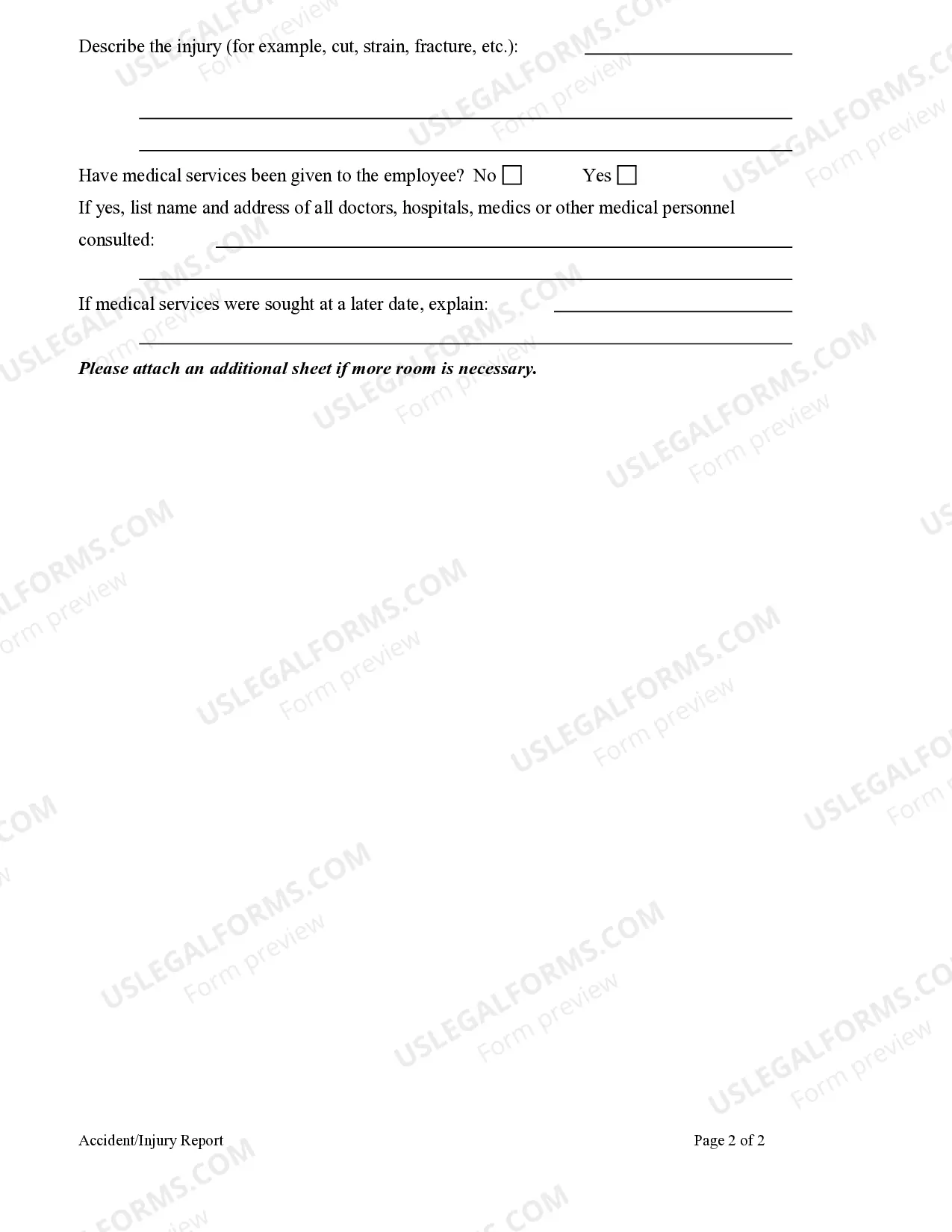
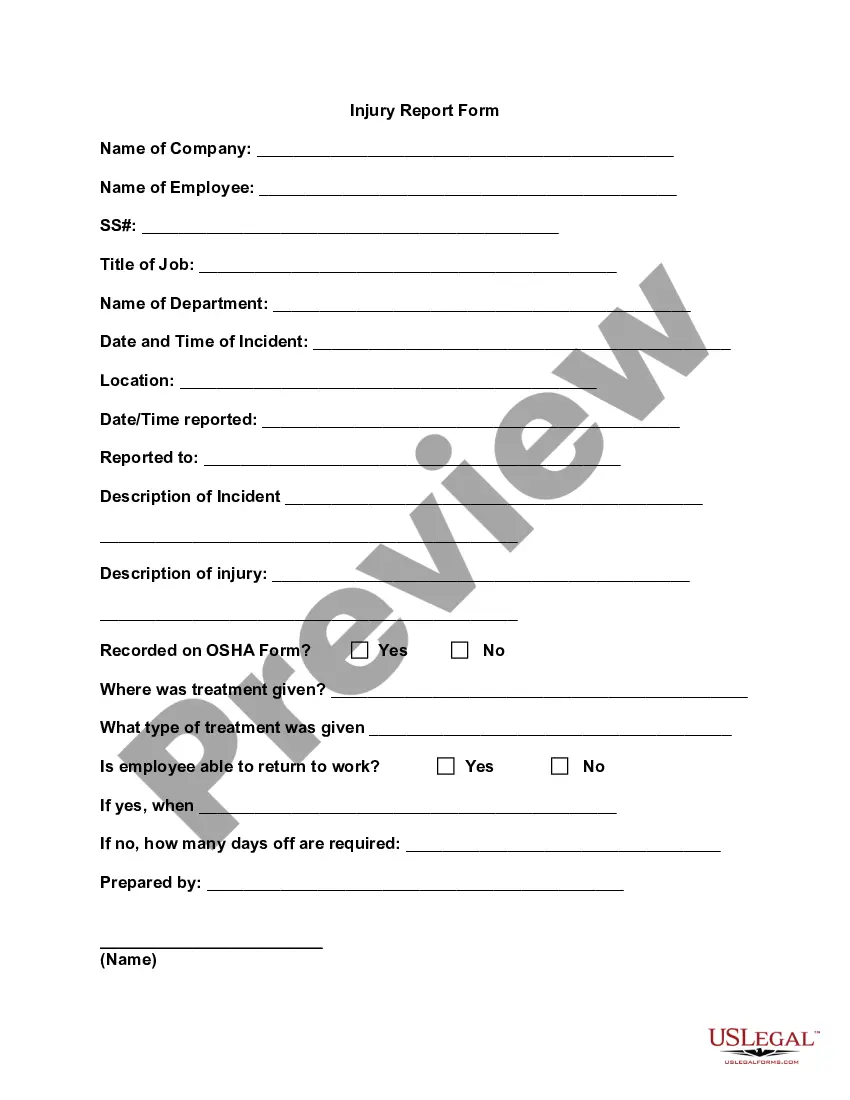
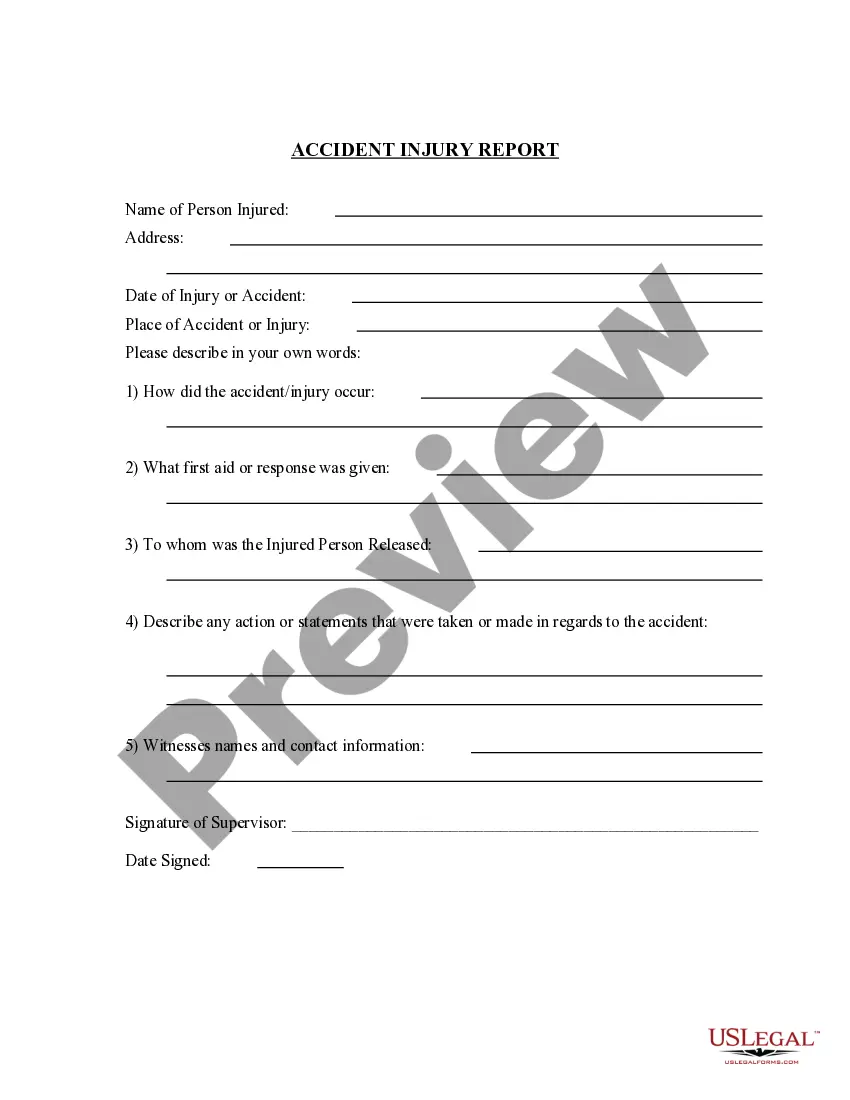
Get your form ready online
Our built-in tools help you complete, sign, share, and store your documents in one place.
Make edits, fill in missing information, and update formatting in US Legal Forms—just like you would in MS Word.
Download a copy, print it, send it by email, or mail it via USPS—whatever works best for your next step.
Sign and collect signatures with our SignNow integration. Send to multiple recipients, set reminders, and more. Go Premium to unlock E-Sign.
If this form requires notarization, complete it online through a secure video call—no need to meet a notary in person or wait for an appointment.
We protect your documents and personal data by following strict security and privacy standards.

Make edits, fill in missing information, and update formatting in US Legal Forms—just like you would in MS Word.

Download a copy, print it, send it by email, or mail it via USPS—whatever works best for your next step.

Sign and collect signatures with our SignNow integration. Send to multiple recipients, set reminders, and more. Go Premium to unlock E-Sign.

If this form requires notarization, complete it online through a secure video call—no need to meet a notary in person or wait for an appointment.

We protect your documents and personal data by following strict security and privacy standards.
Looking for another form?



Form popularity
FAQ
For cases involving physical assault outside of medical malpractice, there is no set maximum limit on compensation. The court will consider the specific circumstances of each case when determining an appropriate amount of compensation based on the evidence presented.
In Texas, assault with the infliction of bodily injury is considered a misdemeanor and can result in up to one year in jail along with fines or probation.
The amount you can sue for after an assault and battery depends on various factors. These factors include how serious the attack was, how bad your injuries are, and how these injuries have affected your life.
The prosecution must prove beyond a reasonable doubt each of these 3 elements: Intent to cause harm or fear. Fear or apprehension of imminent harm. Actual or attempted physical contact.
Yes, you can sue someone for hitting you. In California, this falls under personal injury law, specifically civil assault and battery.
The intent is what allows you to consider it an assault claim. Essentially, a civil assault consists of any intentional, violent action that causes you to feel apprehension and physical harm. You do not even need to be fully struck for it to be considered a civil assault.
10 Self-Defense Strategies Everyone Needs to Know. TRUST YOUR INSTINCTS. Too many women enroll in a self-defense class after they've been assaulted. PRACTICE TARGET DENIAL. PRESENT YOURSELF WITH CONFIDENCE. SET STRONG VERBAL BOUNDARIES. MAINTAIN A NON-CONFRONTATIONAL STANCE. KEEP A SAFE DISTANCE. USE THE ELEMENT OF SURPRISE.
The statute of limitations for filing either a battery or assault lawsuit in Texas is two years. This means that if you wait longer than two years after someone hit you, then you will no longer have a valid claim against them and will not be able to receive any damages for the injury they caused.
Legal Standards and Proofs This standard is distinctly lower than the criminal requirement of 'beyond a reasonable doubt'. Plaintiffs must meticulously compile and present evidence, including eyewitness testimony, medical reports, and potentially video footage, to substantiate their claims.
Possible Defenses for Assault Self-Defense. One of the most common defenses to assault charges is self-defense. Defense of Others. Similar to self-defense, the defense of others allows an individual to use reasonable force to protect another person from imminent harm. Consent. Lack of Intent. Mistake of Fact. Insanity.
