Accident With Trauma In San Antonio
Description

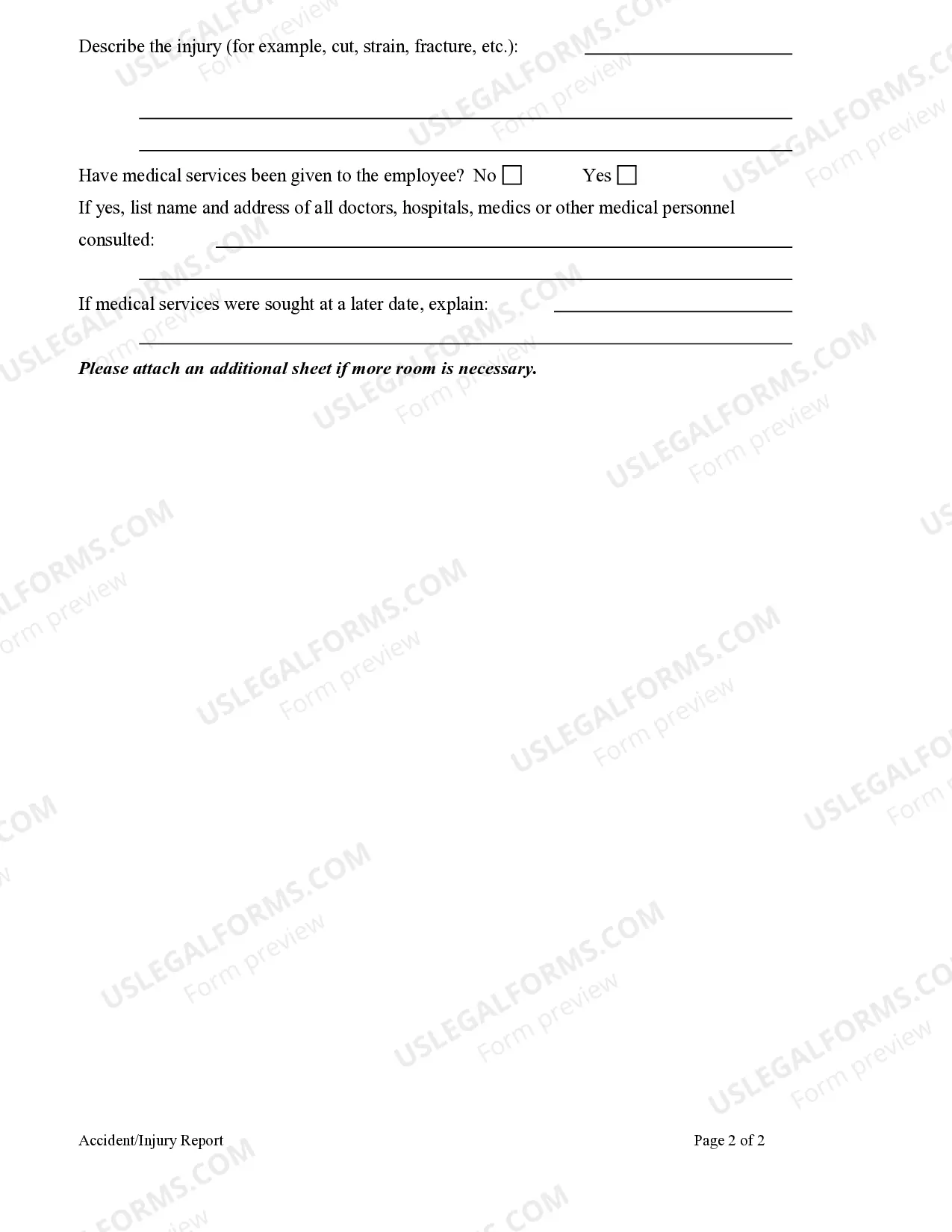
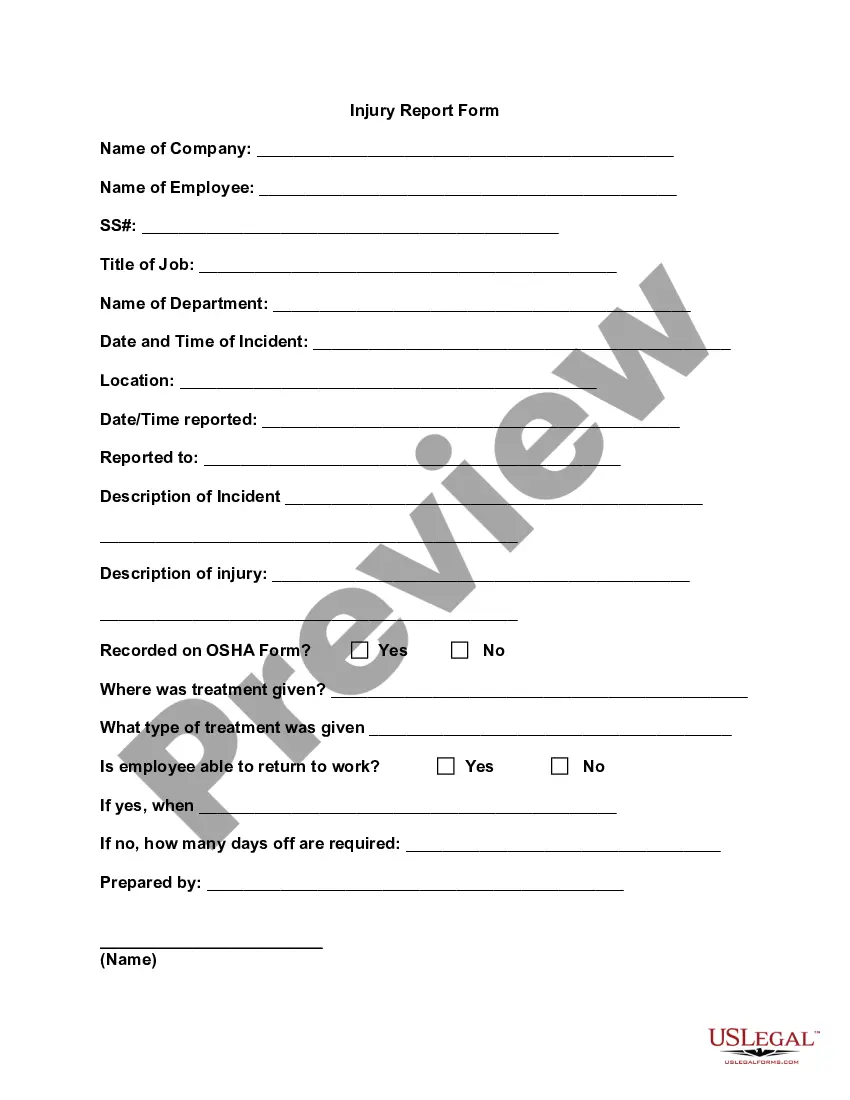
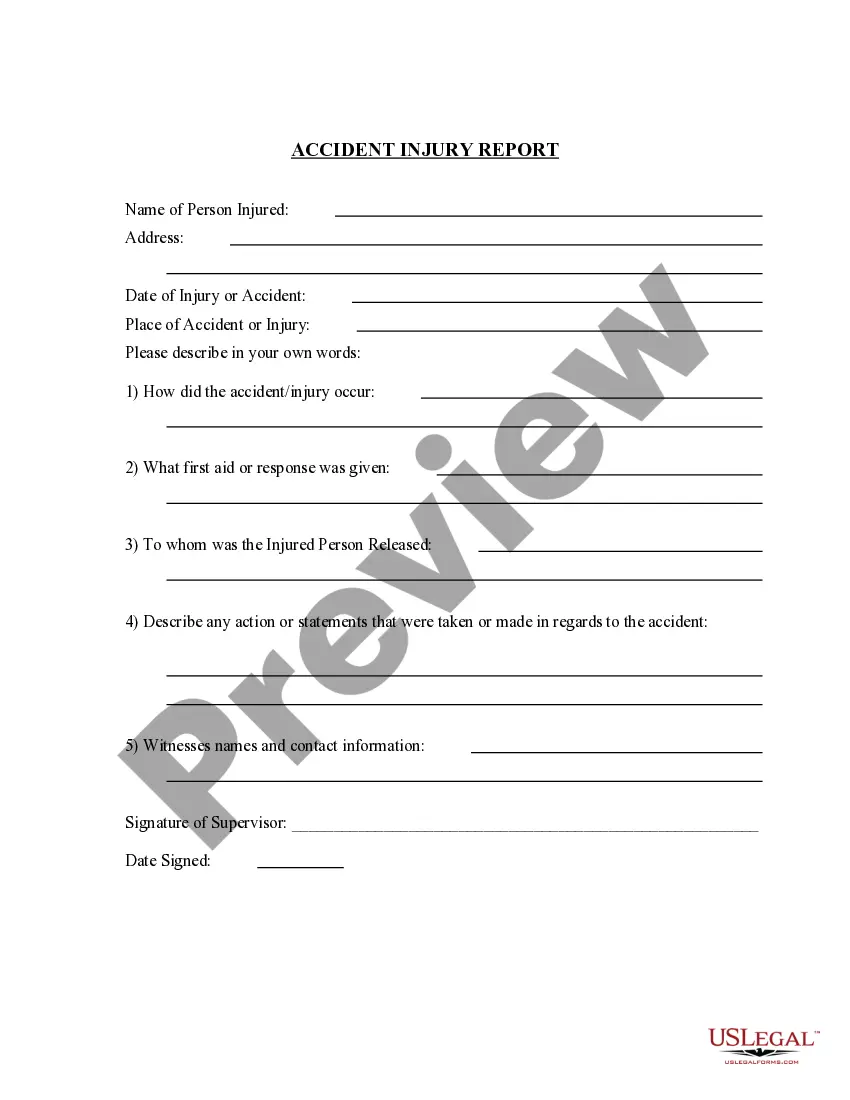
Get your form ready online
Our built-in tools help you complete, sign, share, and store your documents in one place.
Make edits, fill in missing information, and update formatting in US Legal Forms—just like you would in MS Word.
Download a copy, print it, send it by email, or mail it via USPS—whatever works best for your next step.
Sign and collect signatures with our SignNow integration. Send to multiple recipients, set reminders, and more. Go Premium to unlock E-Sign.
If this form requires notarization, complete it online through a secure video call—no need to meet a notary in person or wait for an appointment.
We protect your documents and personal data by following strict security and privacy standards.

Make edits, fill in missing information, and update formatting in US Legal Forms—just like you would in MS Word.

Download a copy, print it, send it by email, or mail it via USPS—whatever works best for your next step.

Sign and collect signatures with our SignNow integration. Send to multiple recipients, set reminders, and more. Go Premium to unlock E-Sign.

If this form requires notarization, complete it online through a secure video call—no need to meet a notary in person or wait for an appointment.

We protect your documents and personal data by following strict security and privacy standards.
Looking for another form?

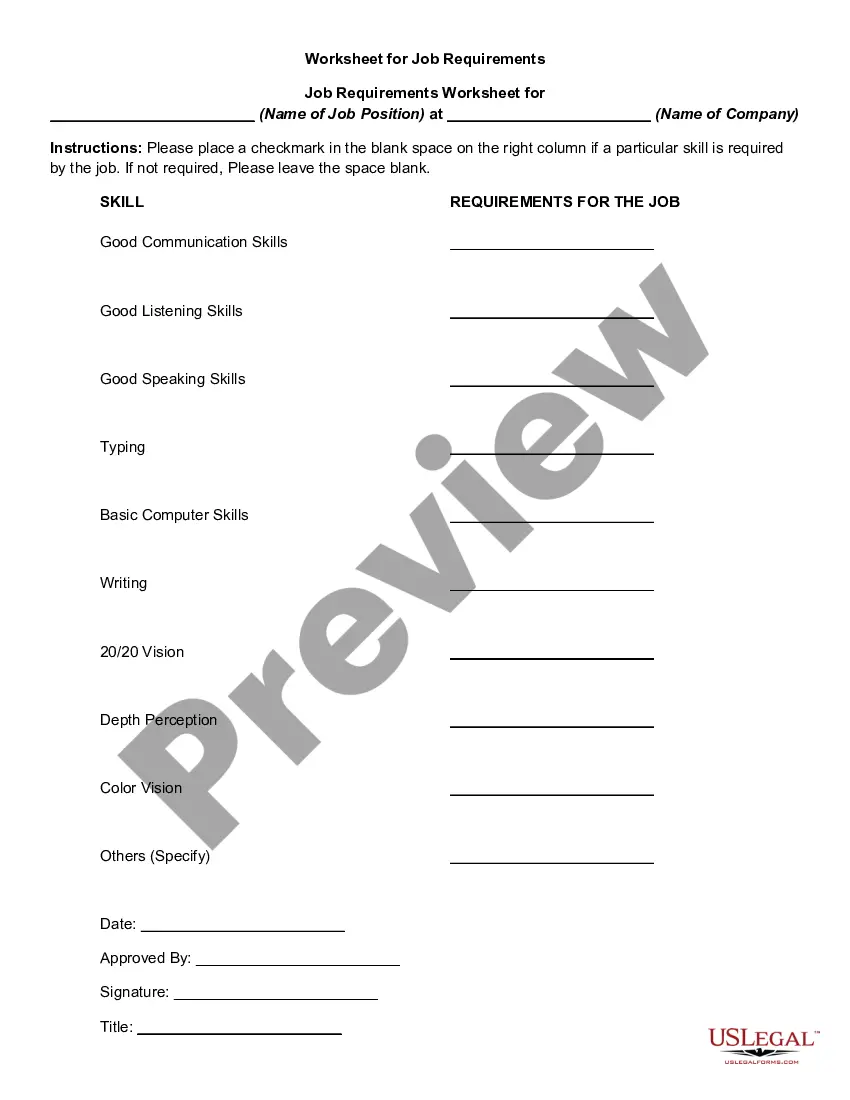





Form popularity
FAQ
311 Customer Service connects you with customer service representatives that are ready to assist with service requests including: potholes. stray animals. downed street signs.
Be ready to give your phone number and location. DEPARTMENT OF PUBLIC SAFETY (DPS) 24-HOUR NON-EMERGENCY NUMBER/ROADSIDE ASSISTANCE 800-525-5555 • txdps.state.tx Call for non-emergency roadside assistance; answered 24 hours a day by a live operator. For emergencies, dial 9-1-1.
To make a noise complaint, please contact SAPD Non Emergency at (210) 207-7273. More about Noise Ordinance Resources.
This may be carried out by a GP or specialist. You can see a GP to start on this process, or you can refer yourself for assessment to a talking therapy service. You're likely to be offered treatment if you've had symptoms of PTSD for more than 4 weeks or your symptoms are severe.
Mindfulness and relaxation techniques Meditation encourages relaxation and mindfulness, helping individuals process and release trauma. Breathing exercises, such as deep breathing, diaphragmatic breathing, or box breathing, can calm the nervous system and reduce stress through deep breath.
Does trauma go away? Trauma may not completely go away, but with the right support and treatment, individuals can learn to manage and reduce its impact on their lives. Healing is a gradual process, and many people find ways to regain a sense of normalcy and well-being.
How to Let Go of Past Trauma Stay connected to your support system. Find healthy activities that help with self-expression. Move your body in gentle ways like stretching, yoga, or walking. Eat balanced meals. Keep a regular sleep routine. Practice mindfulness and relaxation techniques. Attend a support group.
University Hospital is the only hospital in San Antonio and South Texas verified by the American College of Surgeons as both a Level I trauma center and a Level I pediatric trauma center.
What can I do to cope after a traumatic event? Avoid the use of alcohol or drugs. Spend time with trusted friends and relatives who are supportive. Try to maintain routines for meals, exercise, and sleep. Engage in exercise, mindfulness, or other activities that help reduce stress.
What can I do to cope after a traumatic event? Avoid the use of alcohol or drugs. Spend time with trusted friends and relatives who are supportive. Try to maintain routines for meals, exercise, and sleep. Engage in exercise, mindfulness, or other activities that help reduce stress.
