Personal Injury For Car Insurance In Queens
Description

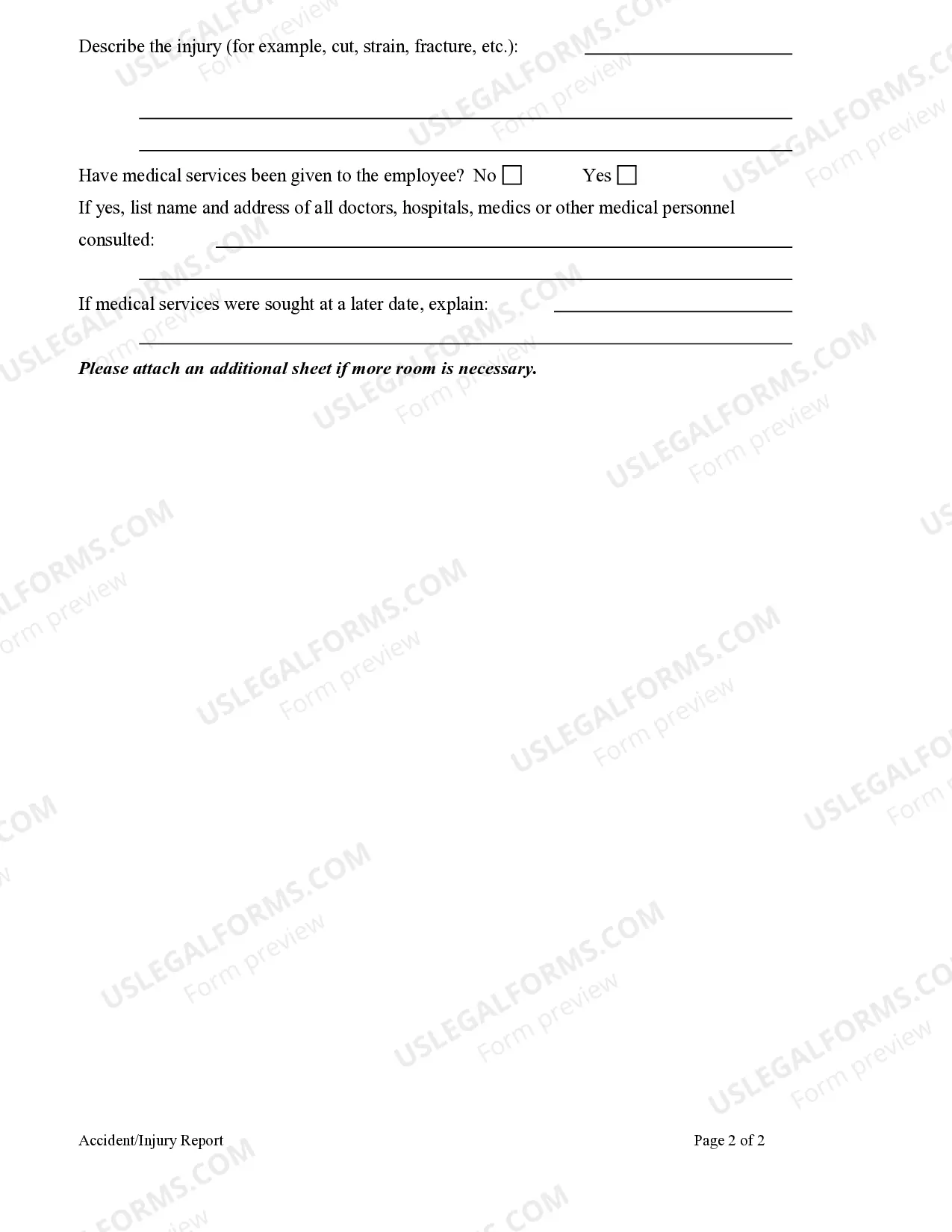
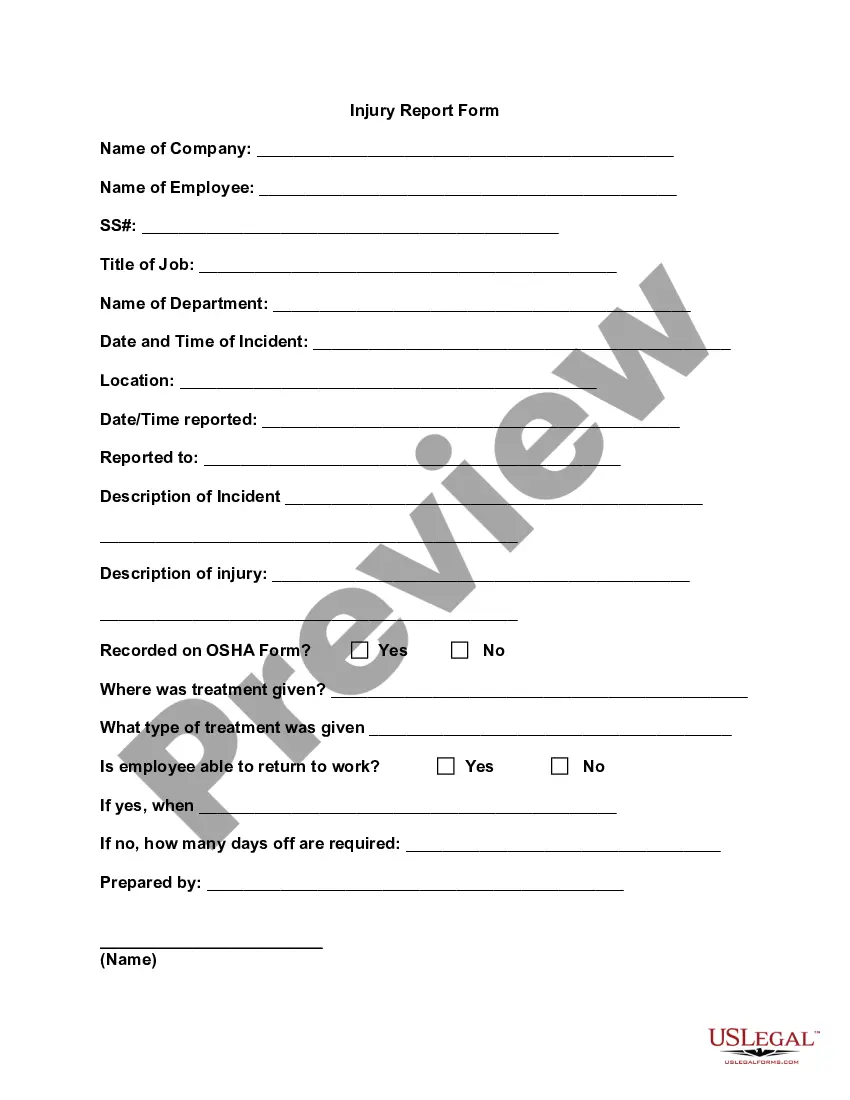
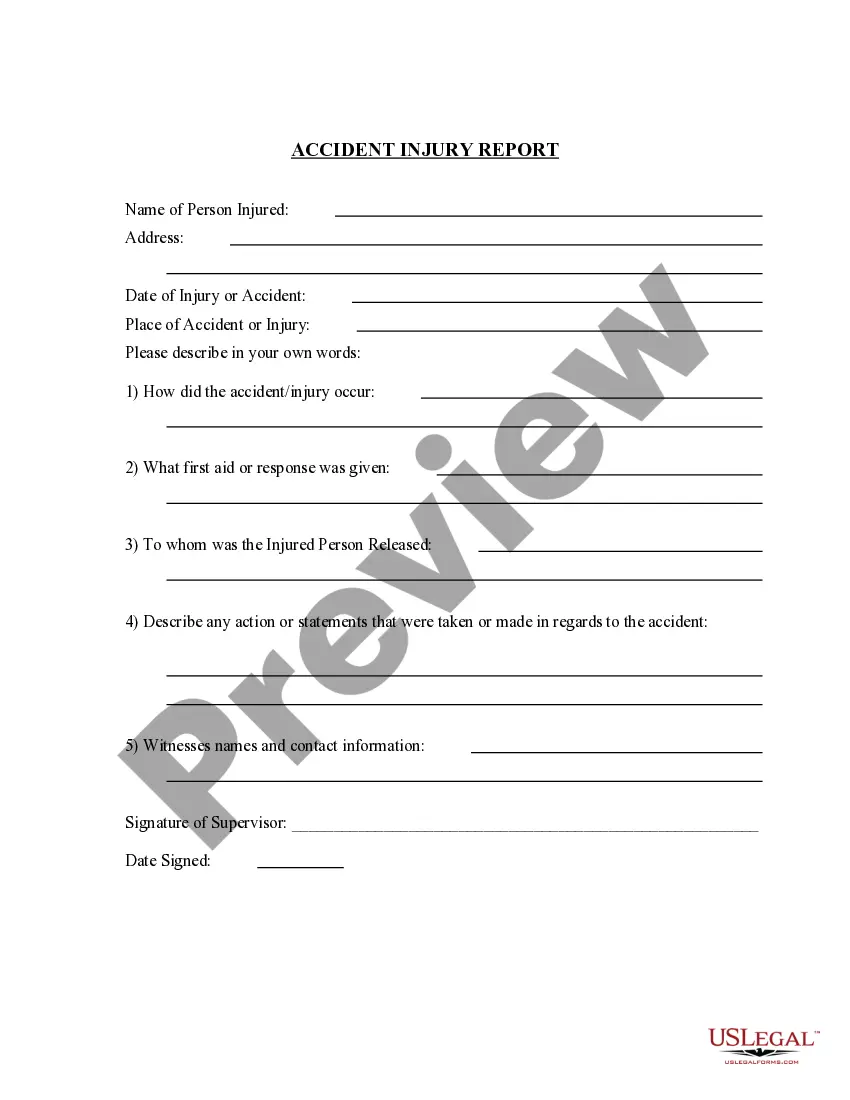
Get your form ready online
Our built-in tools help you complete, sign, share, and store your documents in one place.
Make edits, fill in missing information, and update formatting in US Legal Forms—just like you would in MS Word.
Download a copy, print it, send it by email, or mail it via USPS—whatever works best for your next step.
Sign and collect signatures with our SignNow integration. Send to multiple recipients, set reminders, and more. Go Premium to unlock E-Sign.
If this form requires notarization, complete it online through a secure video call—no need to meet a notary in person or wait for an appointment.
We protect your documents and personal data by following strict security and privacy standards.

Make edits, fill in missing information, and update formatting in US Legal Forms—just like you would in MS Word.

Download a copy, print it, send it by email, or mail it via USPS—whatever works best for your next step.

Sign and collect signatures with our SignNow integration. Send to multiple recipients, set reminders, and more. Go Premium to unlock E-Sign.

If this form requires notarization, complete it online through a secure video call—no need to meet a notary in person or wait for an appointment.

We protect your documents and personal data by following strict security and privacy standards.
Looking for another form?




Form popularity
FAQ
The average personal injury settlement amount is approximately $55,056.08, which is based on data from over 5,861 cases that were settled between 2021 and 2024.
To support a claim for compensation for injuries you will have to prove that your current symptoms were caused by injuries sustained in the accident. To value the claim a Court will need to know how long it will take before you recover or if there will be lasting symptoms.
Key elements of a personal injury demand letter Introduction and background information. Description of the incident and injuries. Medical documentation and treatment details. Demand for compensation and (possibly) settlement amount. Contact information and next steps. Create a strong and convincing narrative.
Personal Injury Protection (PIP) is often required by law in your state, unless there's a waiver that's allowed. Medical Payments is the optional type of this coverage.
Frequently Asked Questions (FAQ) Type your letter. Concisely review the main facts. Be polite. Write with your goal in mind. Ask for exactly what you want. Set a deadline. End the letter by stating you will promptly pursue legal remedies if the other party does not meet your demand. Make and keep copies.
How to File a Personal Injury Claim Without a Lawyer: A Step-by-Step Guide Step 1: Gather Evidence from the Scene. Step 2: Seek Medical Attention. Step 3: Notify the At-Fault Party's Insurance Company. Step 4: Calculate the Value of Your Claim. Step 5: Send a Demand Letter. Step 6: Negotiate a Settlement.
Key elements of a personal injury demand letter Introduction and background information. Description of the incident and injuries. Medical documentation and treatment details. Demand for compensation and (possibly) settlement amount. Contact information and next steps. Create a strong and convincing narrative.
The U.S. Department of Justice noted a median compensatory damages award of $287,628 for personal injury trials in New York. These figures contrast sharply with national averages.
Personal Injury Protection (PIP) is often required by law in your state, unless there's a waiver that's allowed. Medical Payments is the optional type of this coverage.
If you and your family members don't have health insurance or have a plan that doesn't offer all the benefits of PIP, it might be in your best interest to get as much PIP coverage as you can comfortably afford. Consider the financial impact of an injury-causing car accident when deciding your PIP limits.
