Accident And Injury Care In Queens
Description

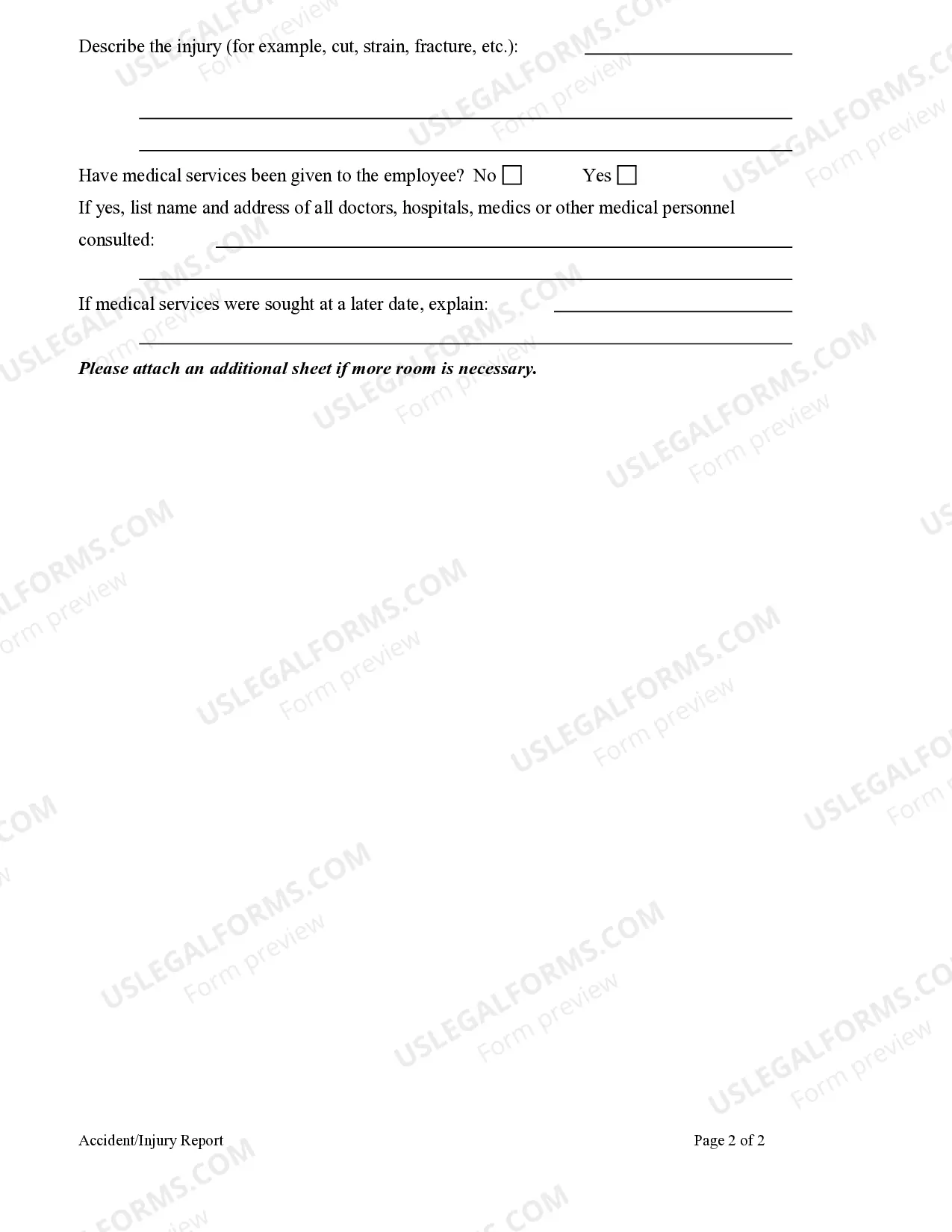
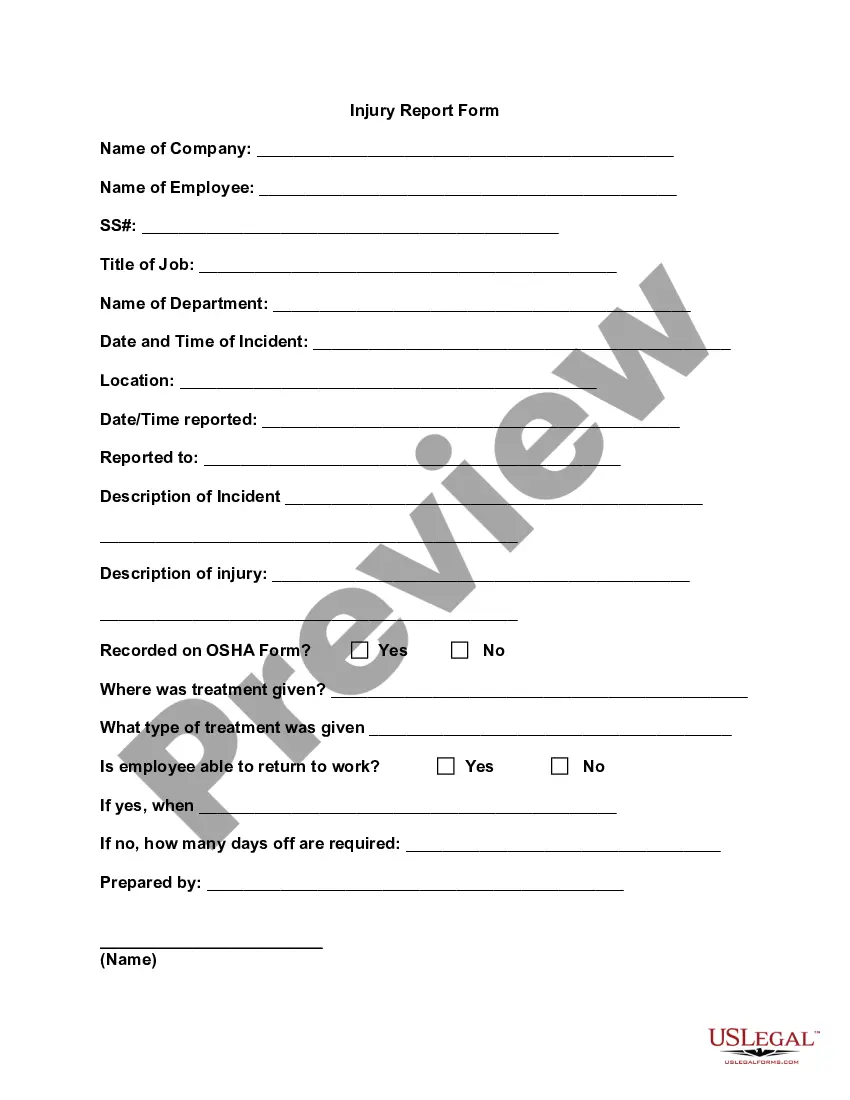
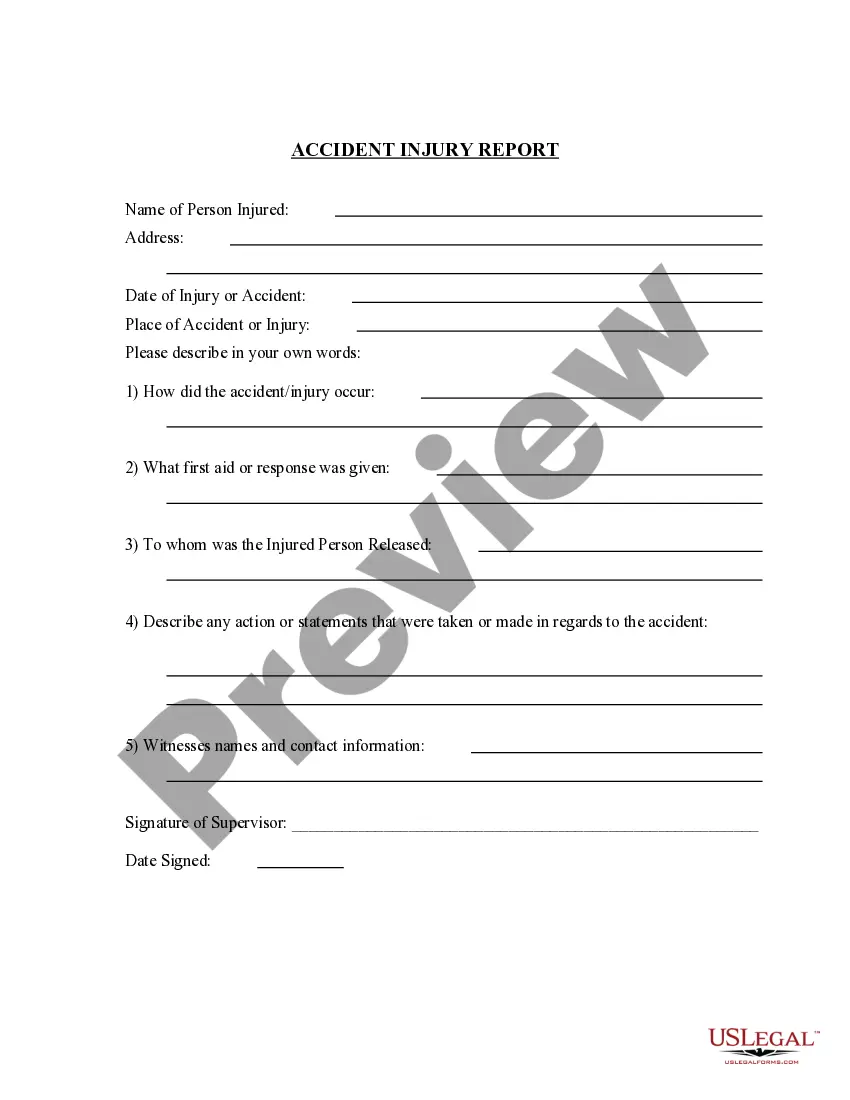
Get your form ready online
Our built-in tools help you complete, sign, share, and store your documents in one place.
Make edits, fill in missing information, and update formatting in US Legal Forms—just like you would in MS Word.
Download a copy, print it, send it by email, or mail it via USPS—whatever works best for your next step.
Sign and collect signatures with our SignNow integration. Send to multiple recipients, set reminders, and more. Go Premium to unlock E-Sign.
If this form requires notarization, complete it online through a secure video call—no need to meet a notary in person or wait for an appointment.
We protect your documents and personal data by following strict security and privacy standards.

Make edits, fill in missing information, and update formatting in US Legal Forms—just like you would in MS Word.

Download a copy, print it, send it by email, or mail it via USPS—whatever works best for your next step.

Sign and collect signatures with our SignNow integration. Send to multiple recipients, set reminders, and more. Go Premium to unlock E-Sign.

If this form requires notarization, complete it online through a secure video call—no need to meet a notary in person or wait for an appointment.

We protect your documents and personal data by following strict security and privacy standards.
Looking for another form?





Form popularity
FAQ
How to Handle an Accident Offer medical assistance. Remove the person from the area or clear the area around them. Complete an incident report. Report the accident to your insurance provider and other relevant parties. Conduct an incident assessment. Use the incident to improve your risk mitigation techniques.
“Incident (Accident) Investigations: A Guide for Employers” simplifies how to approach incident or accident investigations — providing helpful information on how to: Preserve and document the scene. Collect Data. Determine root causes. Implement corrective actions.
How long after a car accident can you claim injury? StateStatute of Limitations on Car Insurance Claims California 2 years Colorado 3 years Connecticut 2 years Delaware 2 years47 more rows •
One: Report the Accident. California law requires drivers to report any accident resulting in property damage, injury, or death. Two: Seek Medical Treatment. Three: Notify Insurance Carriers of the Accident. Four: Gather Critical Documentation. Five: Consult an Experienced Personal Injury Attorney.
Stick to the Facts Focus on the facts without adding opinions or assumptions. Describe what happened during the accident clearly and avoid discussing fault or other details. Never guess or estimate. If you don't know the answer to a question, admit that you don't know and move on.
“Incident (Accident) Investigations: A Guide for Employers” simplifies how to approach incident or accident investigations — providing helpful information on how to: Preserve and document the scene. Collect Data. Determine root causes. Implement corrective actions.
In New York, it usually takes several months to settle a car accident claim, but some cases can stretch to a year or even longer.
Here are some details you'll want to include when writing a report for the car accident you were involved in: The Other Driver's Identity. The Time and Location of the Collision. Vehicle Information. Insurance Details. Eye-Witness Information. An Explanation of How the Collision Occurred. Seek Medical Attention.
Provide your name, phone number, and address. If pressed for more, inform the adjuster of things like the date, time, and location. However, you are not required to discuss the nature of your injury, the treatment you received, and how the crash occurred.
There are five key details of accidents legally required: Full name, address and occupation of the injured person (a) Date and time of the accident (b) Location of the accident (c) Cause and nature of the injury (d) Name, address and occupation of the person giving the notice, if other than the injured person (e).
