Personal Injury For Negligence In Orange
Description

Get your form ready online
Our built-in tools help you complete, sign, share, and store your documents in one place.
Make edits, fill in missing information, and update formatting in US Legal Forms—just like you would in MS Word.
Download a copy, print it, send it by email, or mail it via USPS—whatever works best for your next step.
Sign and collect signatures with our SignNow integration. Send to multiple recipients, set reminders, and more. Go Premium to unlock E-Sign.
If this form requires notarization, complete it online through a secure video call—no need to meet a notary in person or wait for an appointment.
We protect your documents and personal data by following strict security and privacy standards.

Make edits, fill in missing information, and update formatting in US Legal Forms—just like you would in MS Word.

Download a copy, print it, send it by email, or mail it via USPS—whatever works best for your next step.

Sign and collect signatures with our SignNow integration. Send to multiple recipients, set reminders, and more. Go Premium to unlock E-Sign.

If this form requires notarization, complete it online through a secure video call—no need to meet a notary in person or wait for an appointment.

We protect your documents and personal data by following strict security and privacy standards.
Looking for another form?

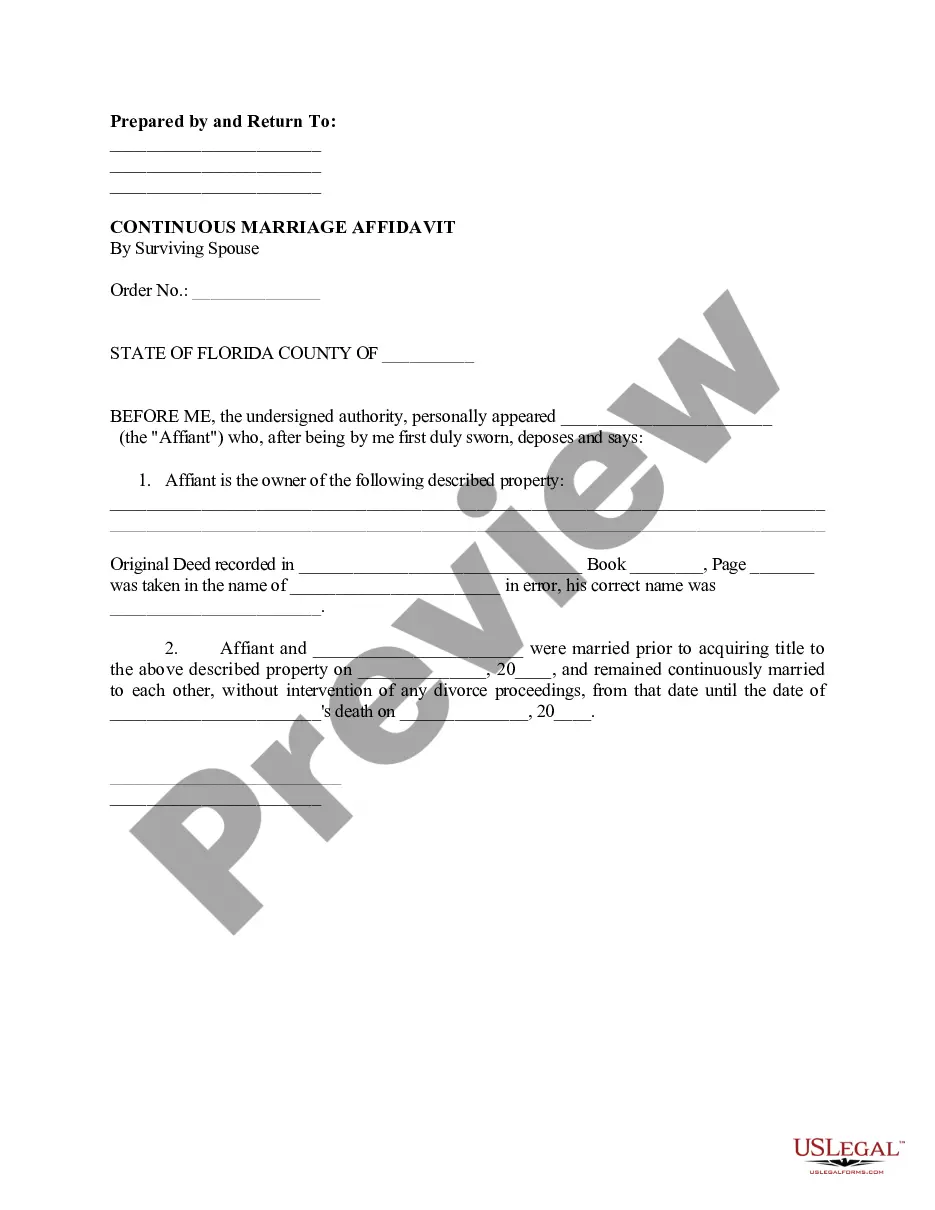
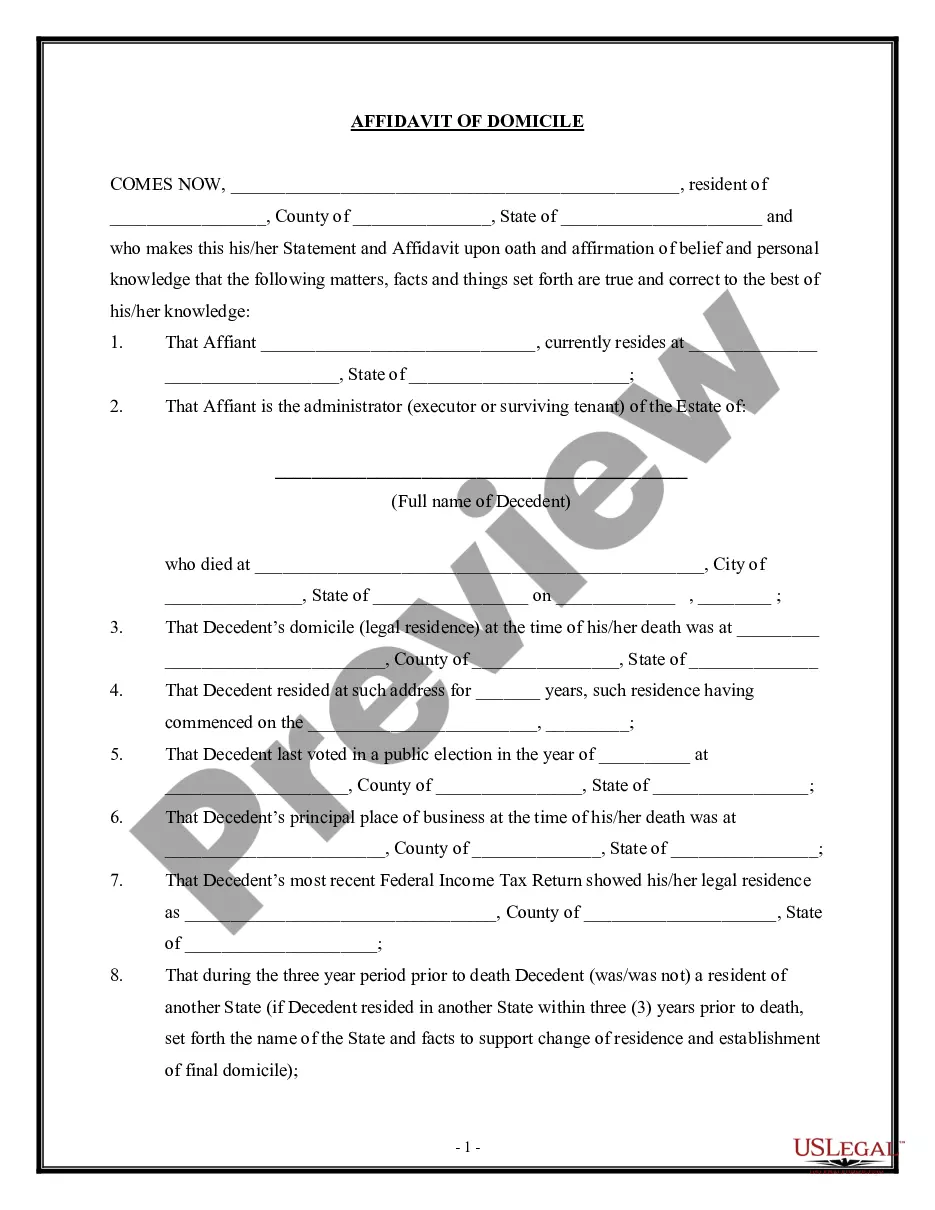
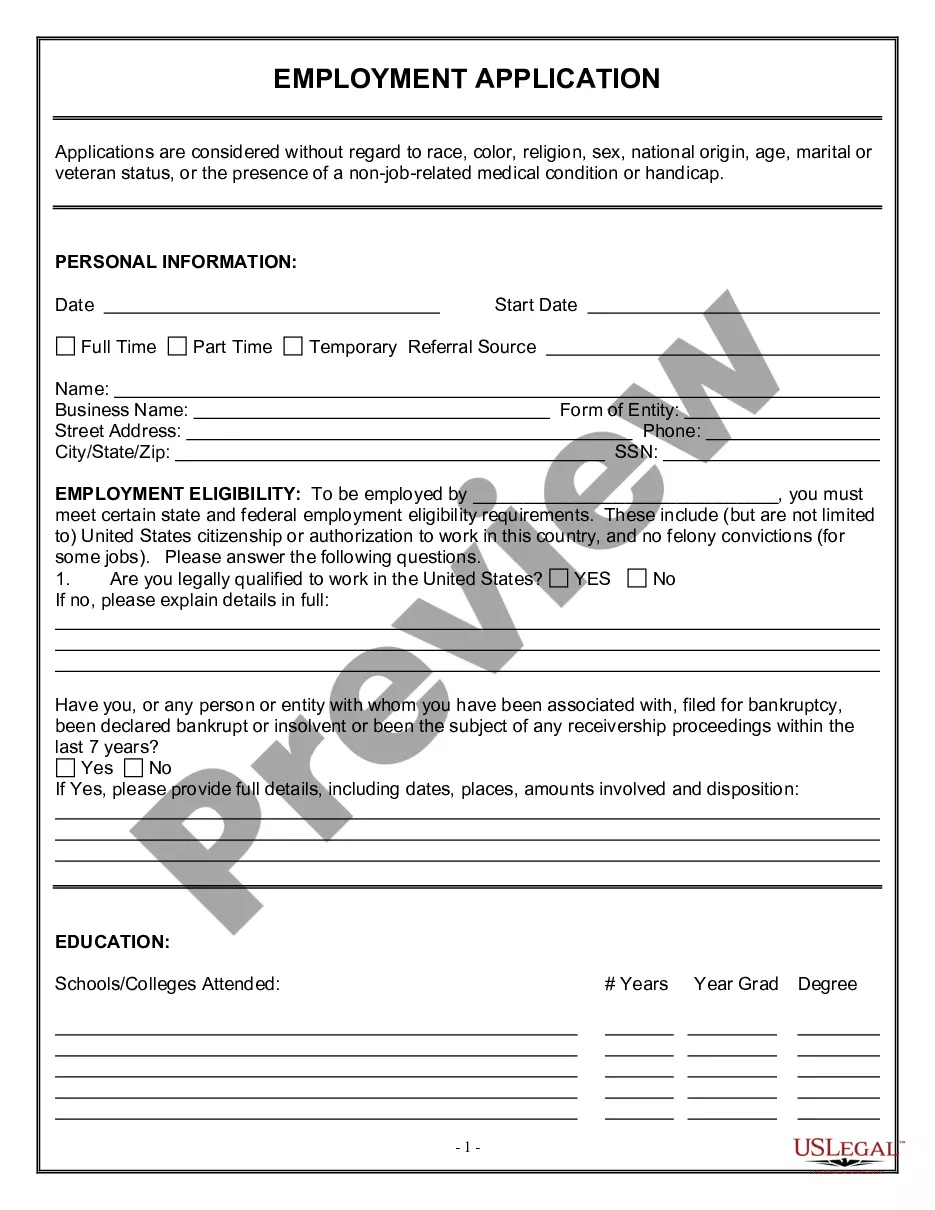


Form popularity
FAQ
Legally speaking, negligence is a failure to use reasonable care under the circumstances. In order to establish negligence, you must be able to prove four “elements”: a duty, a breach of that duty, causation and damages.
The most common method used to calculate what a personal injury settlement should be worth is to add up the special damages and then add one to five times that amount for your pain and suffering, depending on the severity.
Suing for Negligence: An 8-Step Guide Seek Medical Attention. Your health is the priority. Document the Incident. Report the Incident. Consult a Personal Injury Lawyer (Optional) ... Investigate and Gather Evidence. File the Complaint. Engage in Discovery. Negotiate or Go to Trial.
The average personal injury settlement amount is approximately $55,056.08, which is based on data from over 5,861 cases that were settled between 2021 and 2024.
To succeed in a negligence case in California, you must establish four key elements: duty, breach of duty, causation, and damages.
Multiplier Method Typically ranging from 1.5 to 5, higher variables are assigned to more severe cases. For instance, if you incurred $100,000 in economic damages and a 1.5 variable is applied, your pain and suffering damages would amount to $150,000. Using a variable of four, your claim would reach $400,000.
The average personal injury settlement amount is approximately $55,056.08, which is based on data from over 5,861 cases that were settled between 2021 and 2024.
You may only pursue a claim of compensation for professional negligence if you can prove that you've suffered damages. This could be injury, a financial loss, or disruption to your career, professional or family life.
The plaintiff must prove negligence and provide evidence to support their claim for damages, which can include medical bills, receipts, wage statements, and more. Remember, proving damages is just as important as establishing the other elements of negligence—duty, breach, and causation.
To succeed in an action for negligence at common law a claimant has to establish that: The defendant owed a duty to the claimant. The defendant breached the duty owed to the claimant. The defendant's breach of duty caused the claimant to suffer recoverable loss.
