Accident With Injury In Illinois
Description

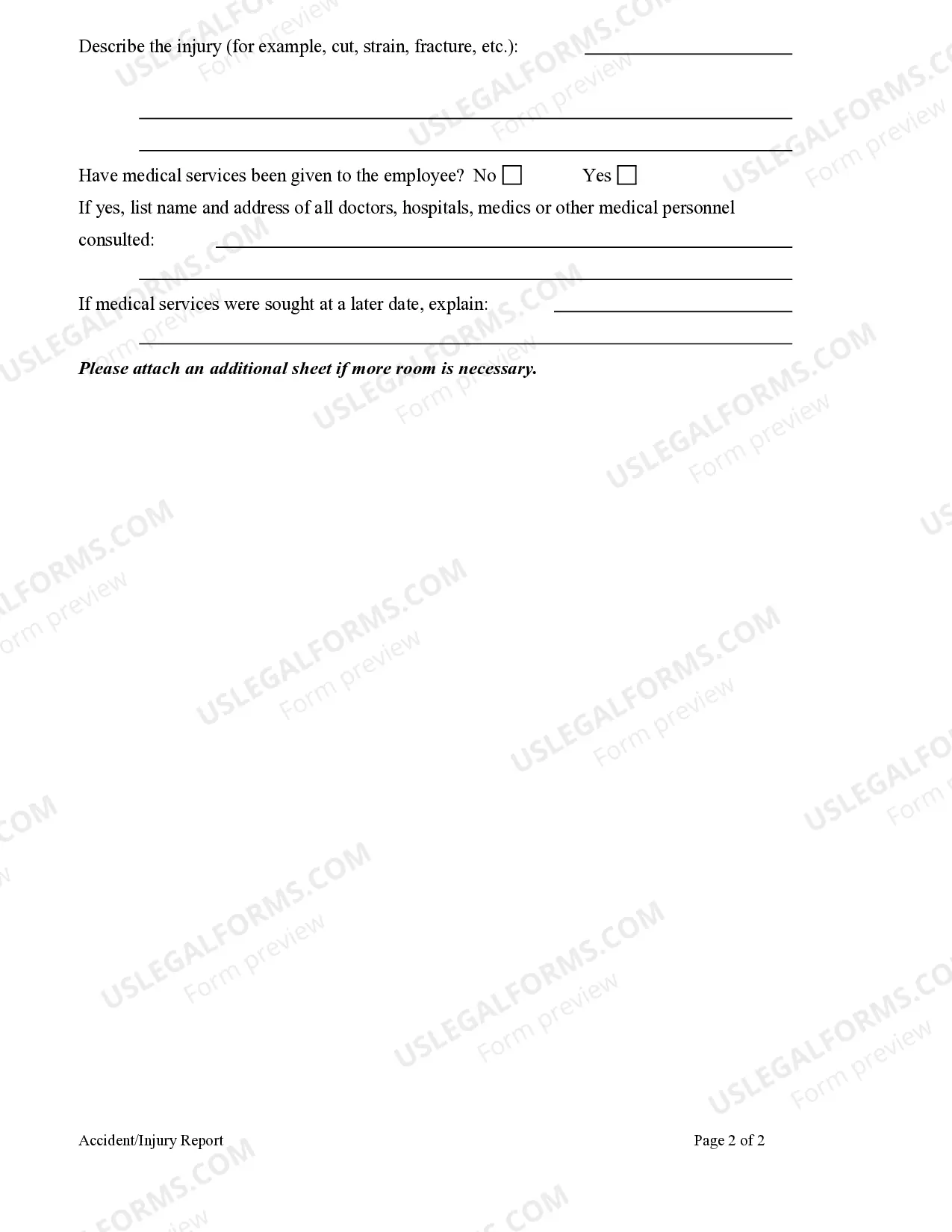
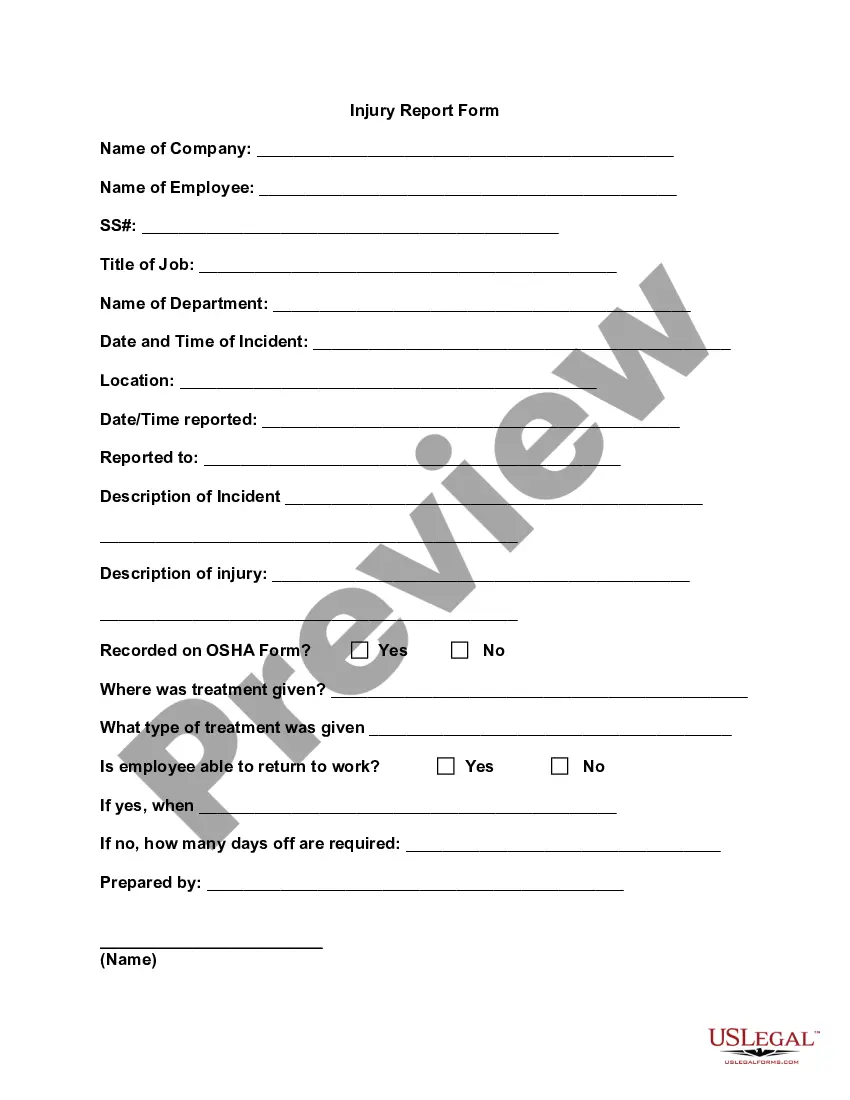
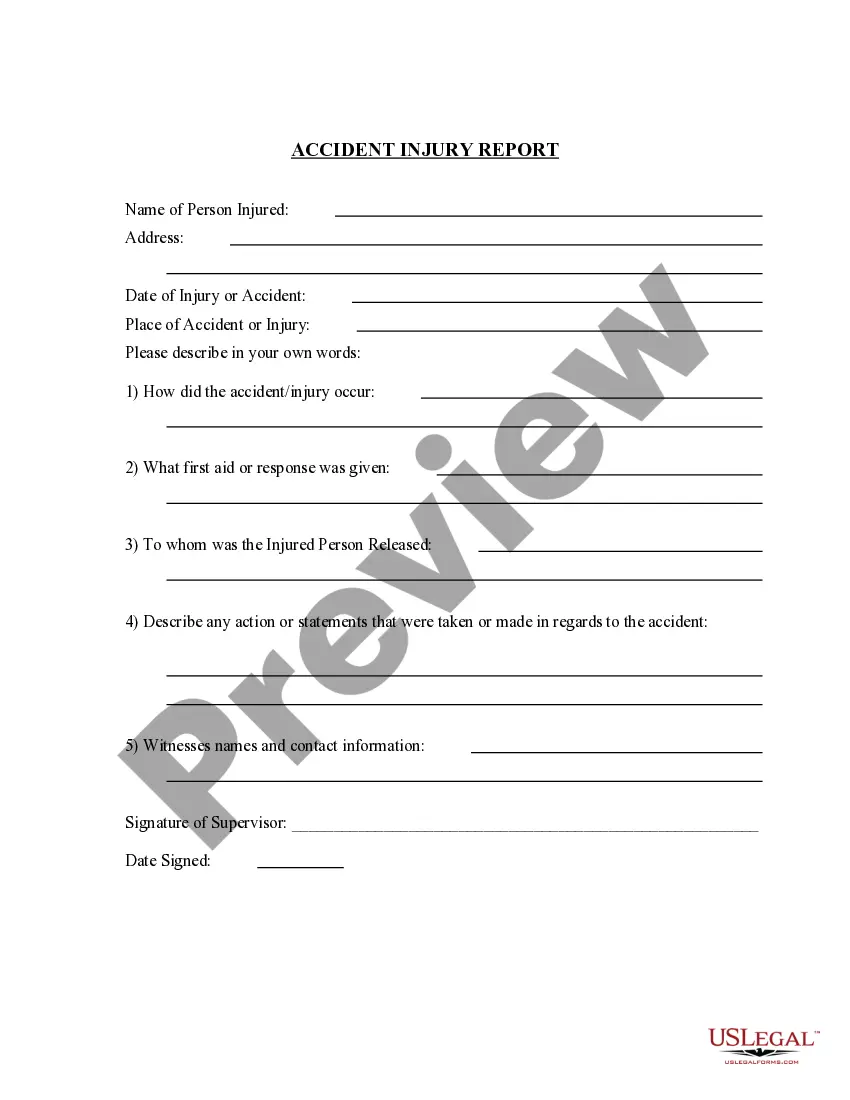
Get your form ready online
Our built-in tools help you complete, sign, share, and store your documents in one place.
Make edits, fill in missing information, and update formatting in US Legal Forms—just like you would in MS Word.
Download a copy, print it, send it by email, or mail it via USPS—whatever works best for your next step.
Sign and collect signatures with our SignNow integration. Send to multiple recipients, set reminders, and more. Go Premium to unlock E-Sign.
If this form requires notarization, complete it online through a secure video call—no need to meet a notary in person or wait for an appointment.
We protect your documents and personal data by following strict security and privacy standards.

Make edits, fill in missing information, and update formatting in US Legal Forms—just like you would in MS Word.

Download a copy, print it, send it by email, or mail it via USPS—whatever works best for your next step.

Sign and collect signatures with our SignNow integration. Send to multiple recipients, set reminders, and more. Go Premium to unlock E-Sign.

If this form requires notarization, complete it online through a secure video call—no need to meet a notary in person or wait for an appointment.

We protect your documents and personal data by following strict security and privacy standards.
Looking for another form?






Form popularity
FAQ
Yes, you can get sued for a car accident even if you have insurance. While insurance provides financial protection, it doesn't prevent someone from pursuing legal action.
Minor Injuries: Settlements typically range from $2,500 to $10,000. Moderate Injuries: These cases, including broken bones or moderate trauma, can see settlements ranging from $10,000 to $75,000.
Illinois. The average settlement amount in Illinois for a neck or back injury is $651,081 while the median amount is $720,000. The highest amount we found was $1.4 million for a plaintiff who required back surgery after being rear-ended by a truck.
In most circumstances, you are not entitled to retain title of your vehicle once it has been deemed totaled. Illinois law only lets you keep your totaled vehicle if it has hail damage and can still be safely operated or if it is nine model years or older.
However, Illinois is not a no-fault state. Illinois operates under a fault-based system. This means that the person who caused the accident is responsible for paying the damages resulting from the accident. The at-fault driver's insurance typically covers these costs, up to the policy's limits.
Illinois law allows you to keep a totaled vehicle only if it is nine years old or older, or if the vehicle has incurred only hail damage that does not affect the operational safety of the vehicle. In that case, your insurance company may, but is not required to let you keep your vehicle.
Every state has a statute of limitations that determines how long a person has to file a personal injury claim such as an accident lawsuit. In Illinois, the statute of limitations to file a car accident injury claim is only two years.
Illinois law (625 ILCS 5/7-203) requires BI limits of at least $25,000 per person per accident and $50,000 total per accident.
Call 911 to get immediate medical help for anyone who is hurt and to make sure your crash has been promptly reported to a law enforcement agency. Even if you have no visible injuries or think you escaped with only minor cuts and scrapes, still visit a doctor as soon as possible.
To determine fault, Illinois law relies on the concept of negligence. A driver is considered negligent if they fail to exercise reasonable care while driving, resulting in an accident. To prove negligence, the following elements must be established: Duty of Care: Every driver must legally operate their vehicle safely.
