Injury Lawyers For You In Chicago
Description

Get your form ready online
Our built-in tools help you complete, sign, share, and store your documents in one place.
Make edits, fill in missing information, and update formatting in US Legal Forms—just like you would in MS Word.
Download a copy, print it, send it by email, or mail it via USPS—whatever works best for your next step.
Sign and collect signatures with our SignNow integration. Send to multiple recipients, set reminders, and more. Go Premium to unlock E-Sign.
If this form requires notarization, complete it online through a secure video call—no need to meet a notary in person or wait for an appointment.
We protect your documents and personal data by following strict security and privacy standards.

Make edits, fill in missing information, and update formatting in US Legal Forms—just like you would in MS Word.

Download a copy, print it, send it by email, or mail it via USPS—whatever works best for your next step.

Sign and collect signatures with our SignNow integration. Send to multiple recipients, set reminders, and more. Go Premium to unlock E-Sign.

If this form requires notarization, complete it online through a secure video call—no need to meet a notary in person or wait for an appointment.

We protect your documents and personal data by following strict security and privacy standards.
Looking for another form?
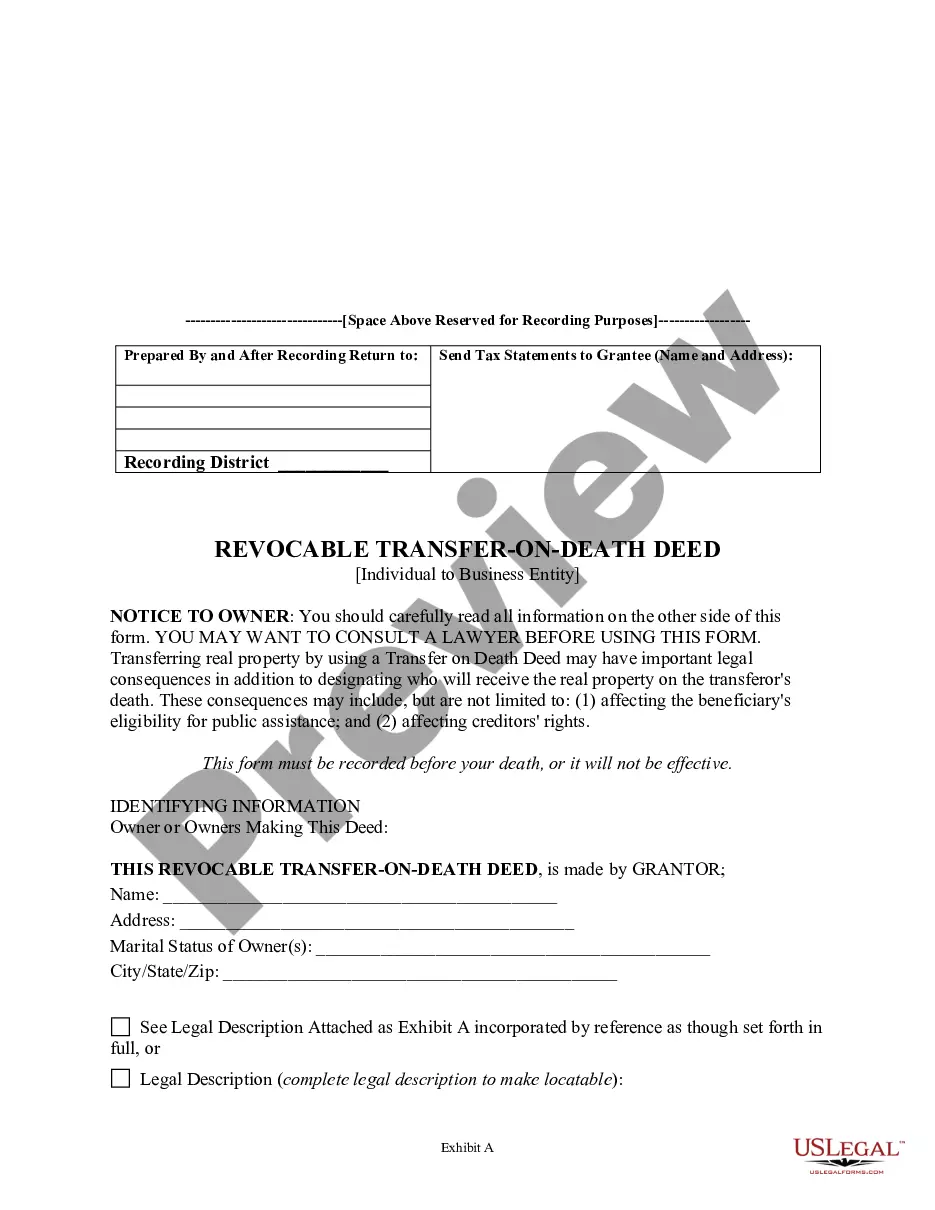
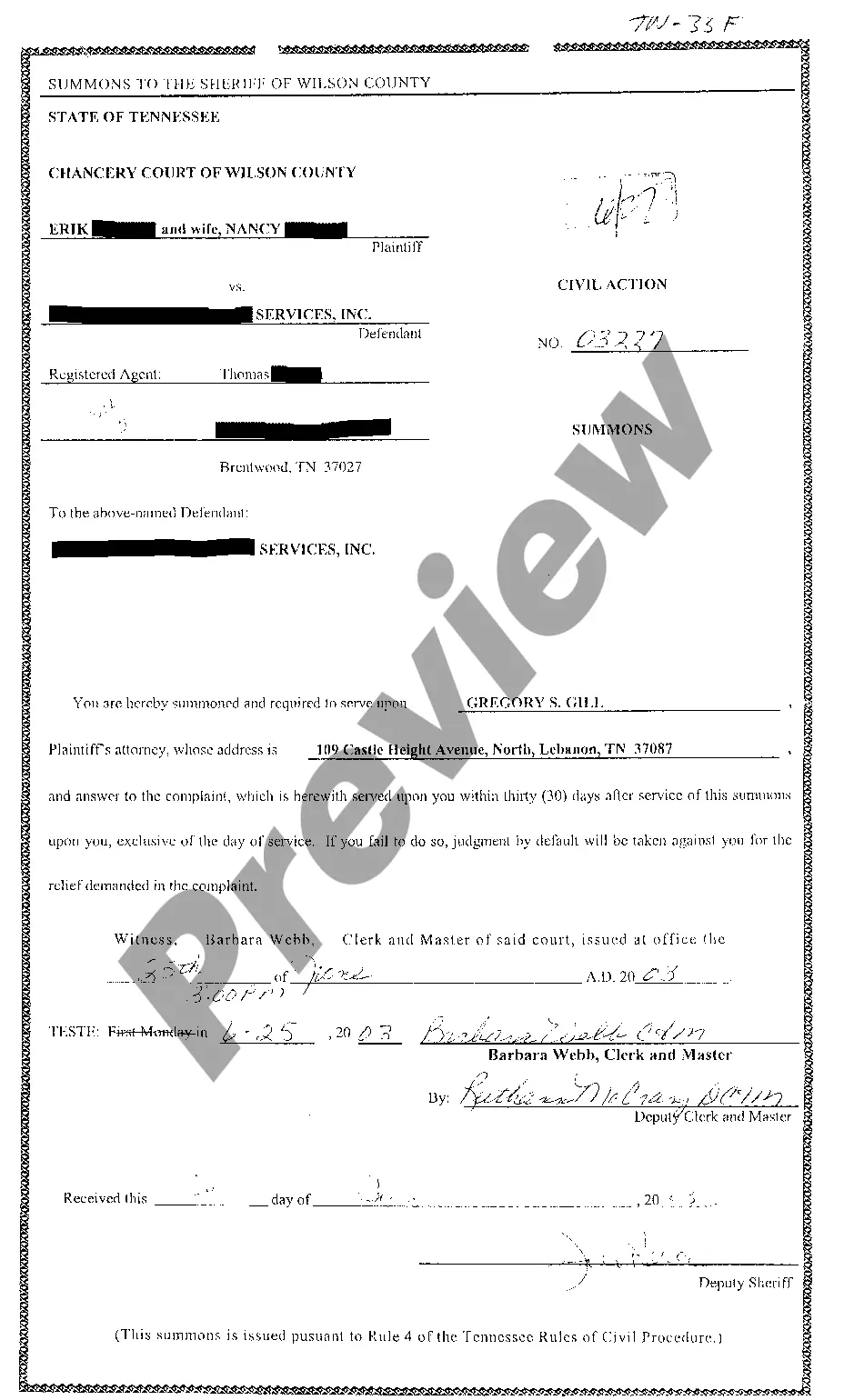
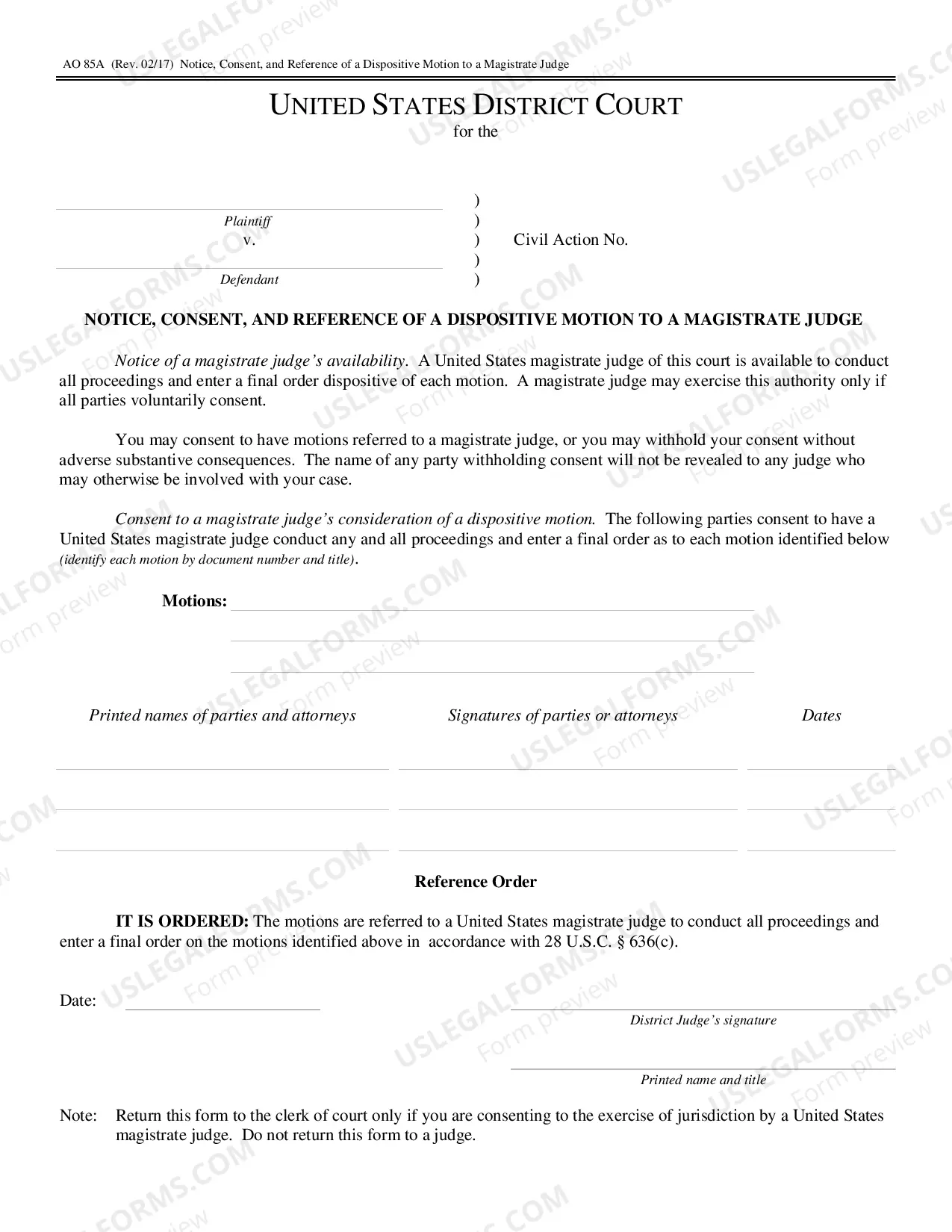
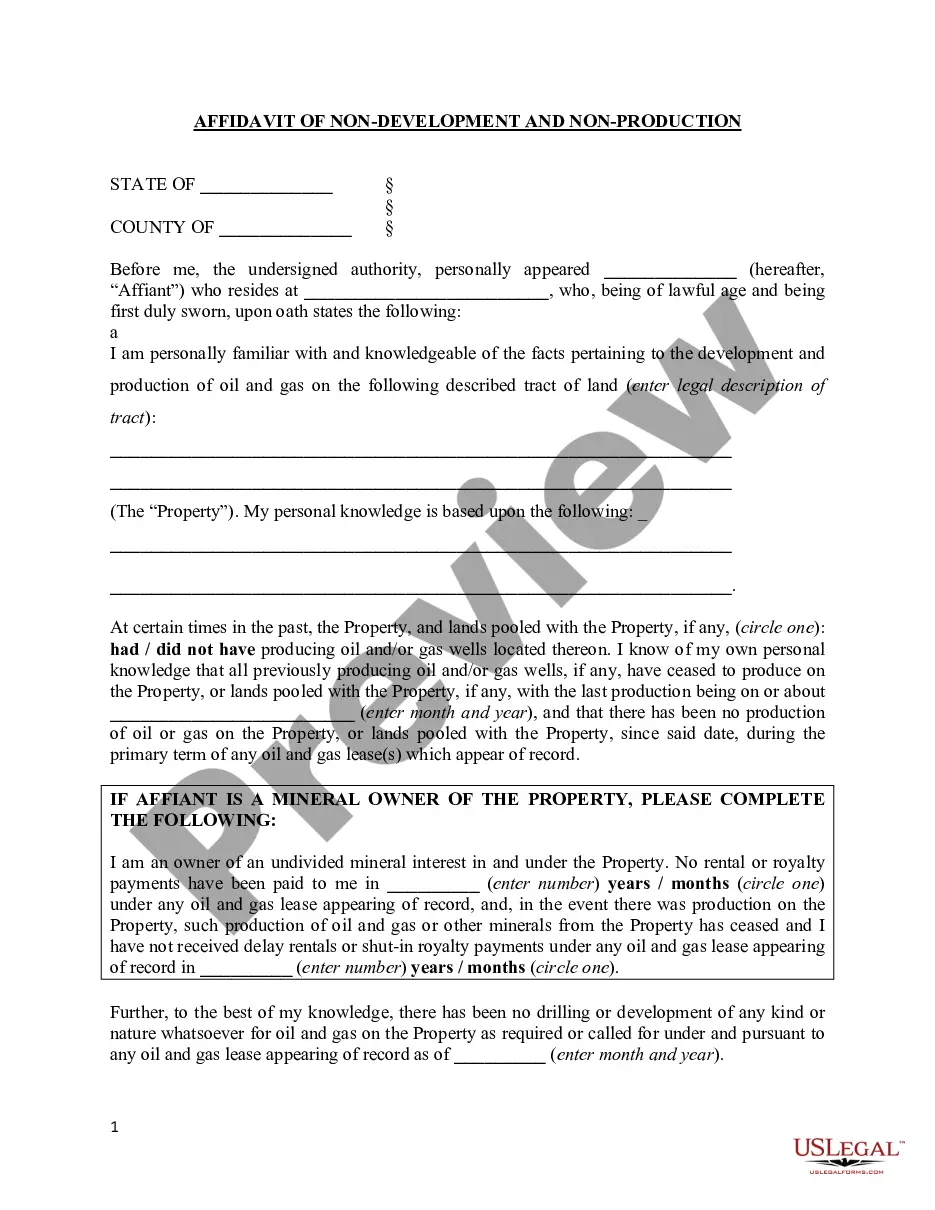


Form popularity
FAQ
In most cases in Illinois, you have two years from the date of your injury to file a civil personal injury lawsuit. As with most laws, there are exceptions to this two-year deadline. For instance, if the injured person does not discover their injury until a later date, the clock starts ticking on the date of discovery.
While the specific circumstances of your case might warrant a different deadline, the standard statute of limitations for personal injury cases in Illinois is two years. Under Illinois statute, the clock begins to run on the date the injury is sustained.
In most cases in Illinois, you have two years from the date of your injury to file a civil personal injury lawsuit. As with most laws, there are exceptions to this two-year deadline. For instance, if the injured person does not discover their injury until a later date, the clock starts ticking on the date of discovery.
The most effective way to communicate with a personal injury lawyer is to be clear and honest. That is to say that a client should speak with the attorney in a frank and candid way about the details of the case in a manner that is not overly complex.
You can handle your personal injury case by yourself if you have little bit knowledge about your legal rights and option. But it is advisable to hire an experienced personal injury attorney to negotiate a fair settlement and get you the compensation which you deserve.
Time limits The most common claim in a personal injury case is negligence and the time limit for this is 3 years. This means that court proceedings must be issued within 3 years of you first being aware that you have suffered an injury.
Ing to the U.S. Department of Justice, personal injury lawsuit outcome statistics include a majority (90 to 95 percent) settled before trial. Out of the small percentage that end up seeing a courtroom, the data suggests that the success rate of personal injury cases is around half.
The average personal injury settlement amount is approximately $55,056.08, which is based on data from over 5,861 cases that were settled between 2021 and 2024.
In most cases in Illinois, you have two years from the date of your injury to file a civil personal injury lawsuit. As with most laws, there are exceptions to this two-year deadline. For instance, if the injured person does not discover their injury until a later date, the clock starts ticking on the date of discovery.
Time limits The most common claim in a personal injury case is negligence and the time limit for this is 3 years. This means that court proceedings must be issued within 3 years of you first being aware that you have suffered an injury.
