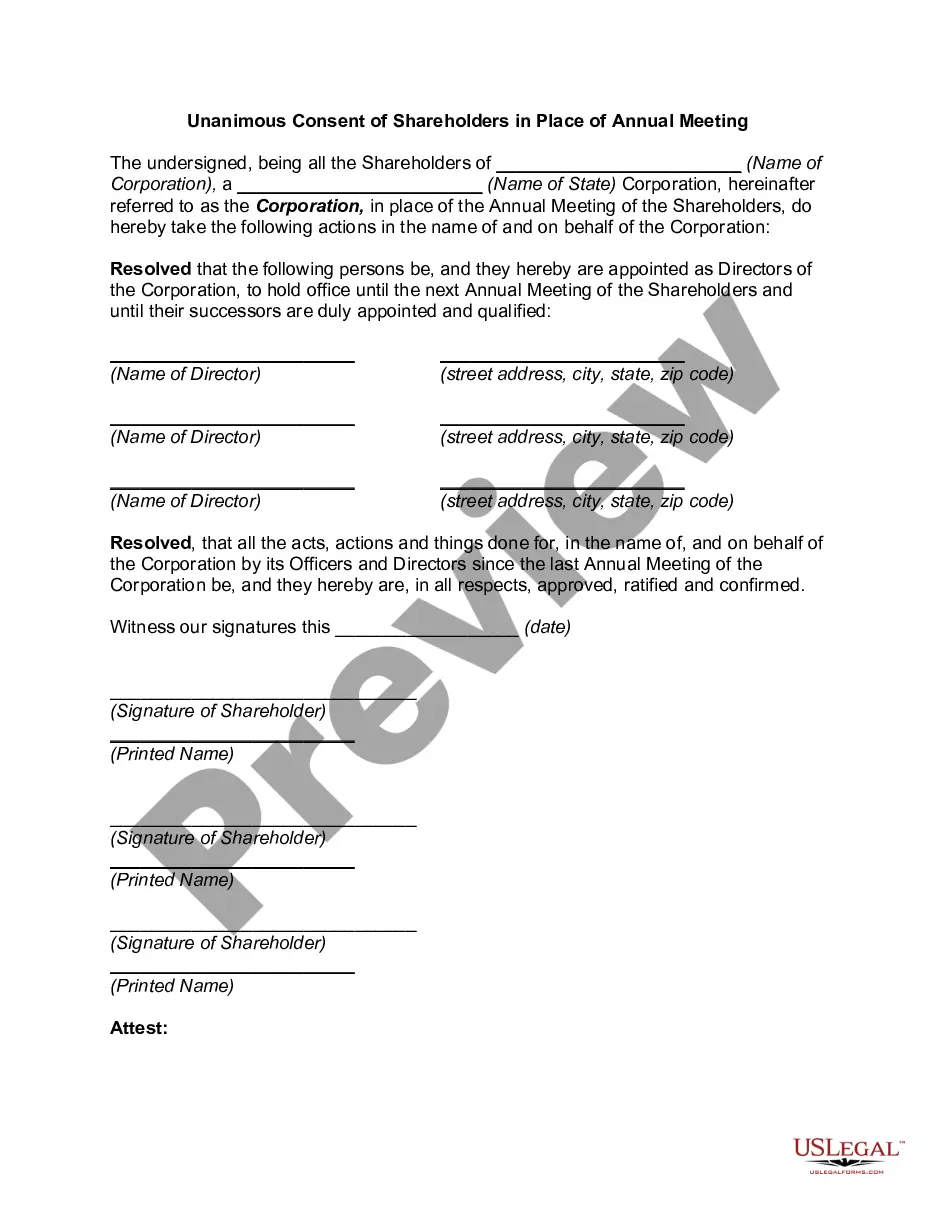
Annual Meeting Corporate With Example In Philadelphia
Description


Get your form ready online
Our built-in tools help you complete, sign, share, and store your documents in one place.
Make edits, fill in missing information, and update formatting in US Legal Forms—just like you would in MS Word.
Download a copy, print it, send it by email, or mail it via USPS—whatever works best for your next step.
Sign and collect signatures with our SignNow integration. Send to multiple recipients, set reminders, and more. Go Premium to unlock E-Sign.
If this form requires notarization, complete it online through a secure video call—no need to meet a notary in person or wait for an appointment.
We protect your documents and personal data by following strict security and privacy standards.

Make edits, fill in missing information, and update formatting in US Legal Forms—just like you would in MS Word.

Download a copy, print it, send it by email, or mail it via USPS—whatever works best for your next step.

Sign and collect signatures with our SignNow integration. Send to multiple recipients, set reminders, and more. Go Premium to unlock E-Sign.

If this form requires notarization, complete it online through a secure video call—no need to meet a notary in person or wait for an appointment.

We protect your documents and personal data by following strict security and privacy standards.
Looking for another form?




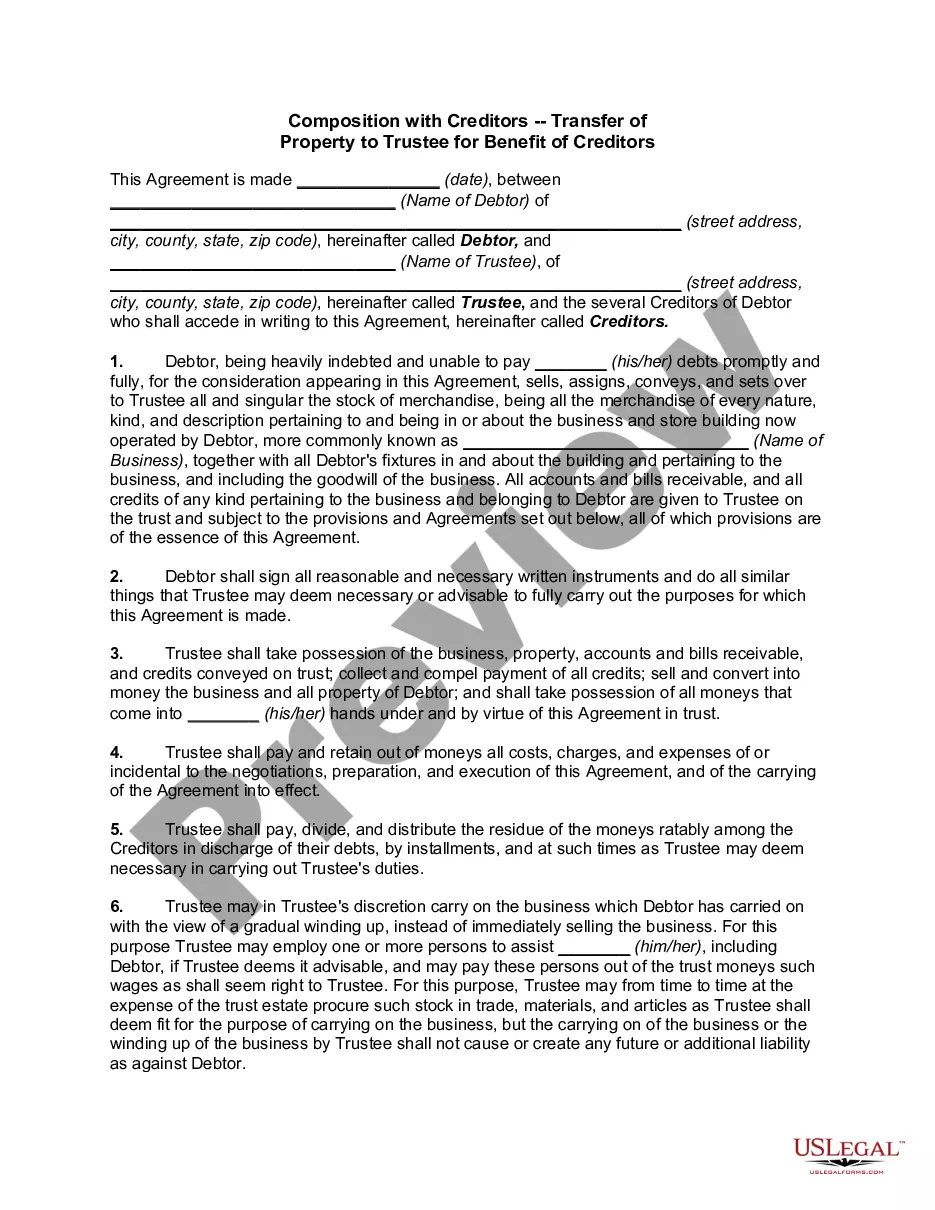
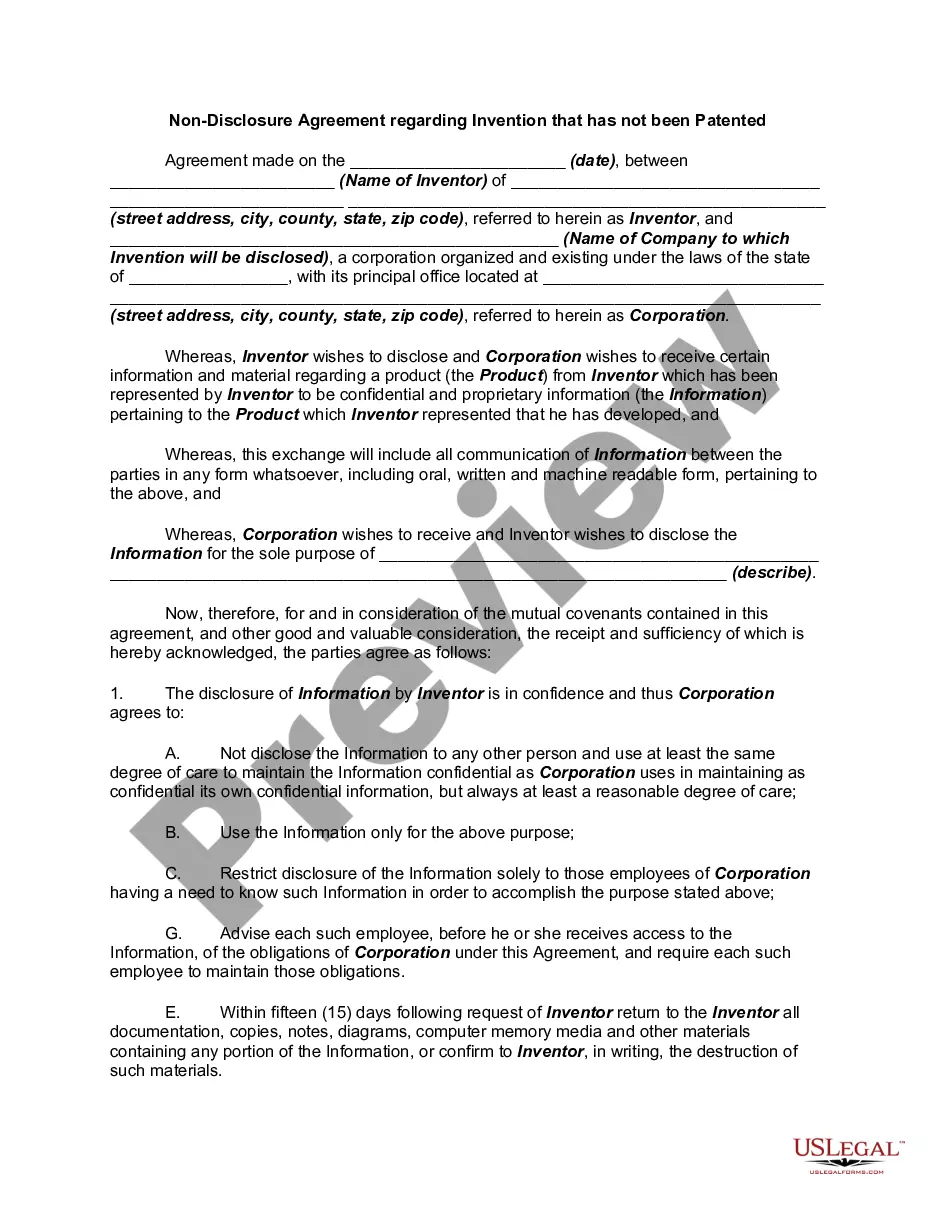


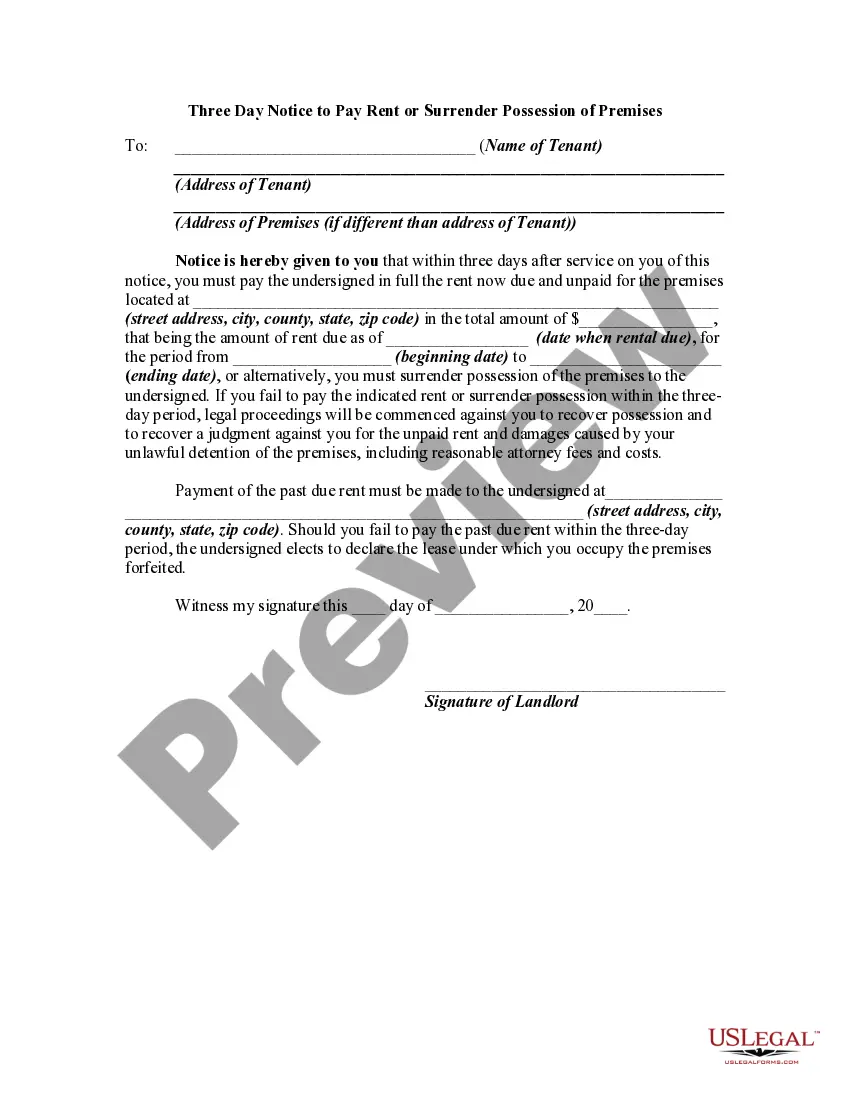
Form popularity
FAQ
Corporate meeting minutes typically include: The meeting's date, time and location. A list of attendees and absentees, including any present board members or officers. Agenda items. Summaries of all discussion points. Details of all activities completed or agreed upon. Results of any votes or motions.
What Happens If You Don't File? Usually a state will smack your business with a late penalty, as a kind of warning shot, to get you to file your annual report as soon as possible, and you'll usually have a second deadline before the state takes any further action against your business.
The following types of domestic and foreign businesses must now file annual reports with the Pennsylvania Department of State: Business corporations. Nonprofit corporations. Limited liability companies.
Starting 2025, all Pennsylvania corporations, nonprofits, non-professional LLCs, and LPs will need to file an Annual Report with the Pennsylvania Department of State, Bureau of Corporations and Charitable Organizations. It costs $7 for for-profit companies, $0 for nonprofits.
An example of an AGM is the annual meeting of shareholders of a publicly traded company. At the AGM, shareholders are provided with financial statements, elect board members, and vote on important issues such as mergers and acquisitions.
An annual general meeting (AGM) is the yearly gathering of a company's interested shareholders. At an annual general meeting (AGM), directors of the company present the company's financial performance and shareholders vote on the issues at hand.
The board president has the authority and responsibility to set the agenda. Regardless of the outcome, it's best to let your homeowners know that you appreciate their suggestion and carefully consider it. Here's what to do with homeowner input: Add their suggestions to the current meeting's agenda.
Conducting an HOA Meeting Start the meeting on time. Begin with a roll call to ensure all Board members are present. Discuss the items on the agenda in the order they are listed. Encourage all members to participate in the discussion. Stay on topic and avoid discussing items that are not on the agenda.
By using Robert's Rules of Order you will: Keep a meeting on track. Those speaking out of turn are asked to wait until item is up for discussion per the agenda. Identify when discussion may occur and when to call for a vote. Determine the quorum number and majority vote.
Report on specific dialogue or personal opinions of what was said at the meeting. While some HOA Boards may be tempted to record this information in an effort to be transparent, this is a big no-no. This will also help to keep the length of minutes down. Include homeowner forum topics and discussion in the minutes.