Meeting Resolution Example In Hennepin
Description



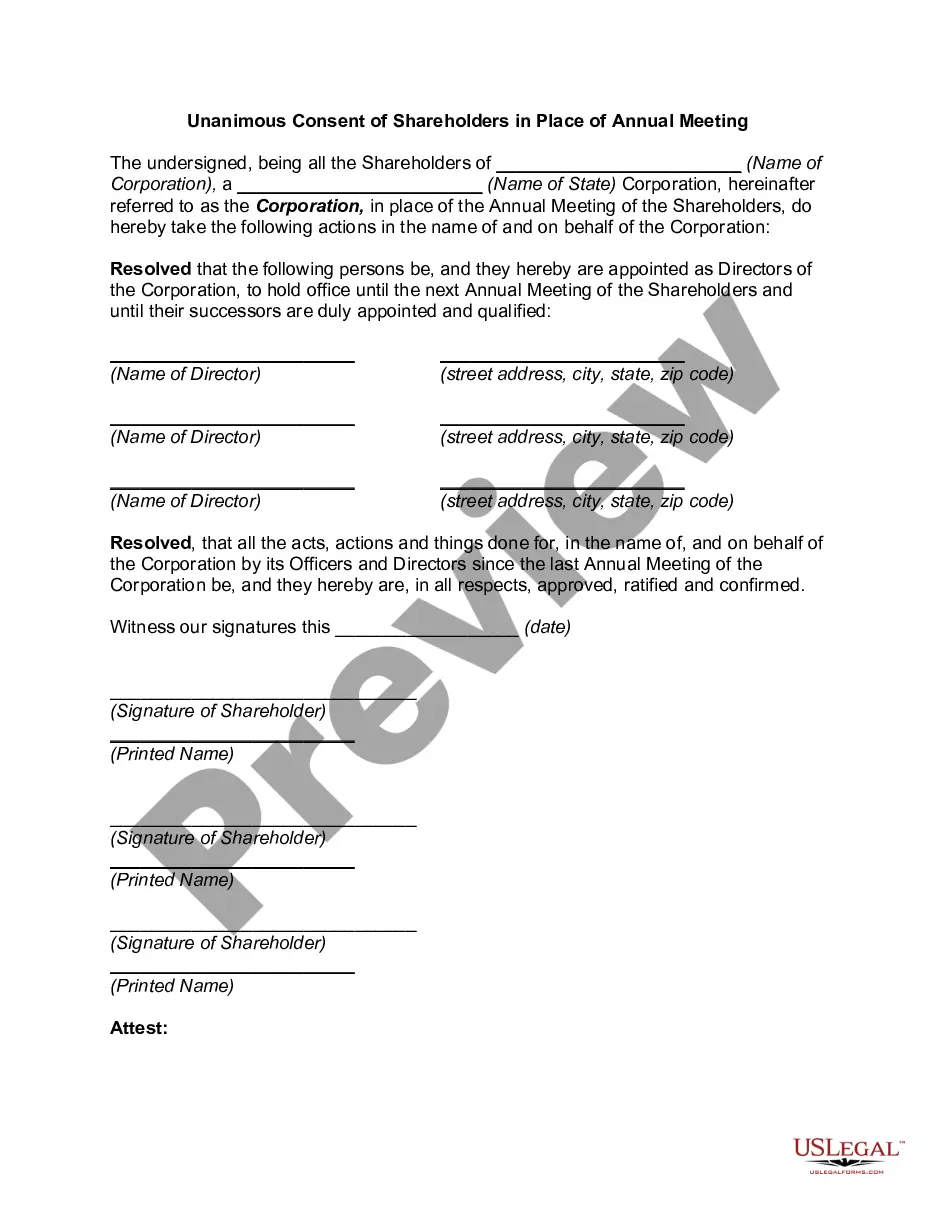
Get your form ready online
Our built-in tools help you complete, sign, share, and store your documents in one place.
Make edits, fill in missing information, and update formatting in US Legal Forms—just like you would in MS Word.
Download a copy, print it, send it by email, or mail it via USPS—whatever works best for your next step.
Sign and collect signatures with our SignNow integration. Send to multiple recipients, set reminders, and more. Go Premium to unlock E-Sign.
If this form requires notarization, complete it online through a secure video call—no need to meet a notary in person or wait for an appointment.
We protect your documents and personal data by following strict security and privacy standards.

Make edits, fill in missing information, and update formatting in US Legal Forms—just like you would in MS Word.

Download a copy, print it, send it by email, or mail it via USPS—whatever works best for your next step.

Sign and collect signatures with our SignNow integration. Send to multiple recipients, set reminders, and more. Go Premium to unlock E-Sign.

If this form requires notarization, complete it online through a secure video call—no need to meet a notary in person or wait for an appointment.

We protect your documents and personal data by following strict security and privacy standards.
Looking for another form?






Form popularity
FAQ
The title of the resolution must appropriately reflect the intent. Resolutions begin with "Whereas" statements, which provides the basic facts and reasons for the resolution, and conclude with "Resolved" statements which, identifies the specific proposal for the requestor's course of action.
A resolution is a motion that has been approved or passed by the board of directors during a planned board meeting.
Meeting. A Local Resolution Meeting (LRM) is often offered as part of the complaints process, to provide an opportunity to answer any questions or allow further discussions or explanations face to face.
The process typically involves presenting, discussing, and voting on a proposal, with the resolution being adopted if it receives the required level of support, often by a majority vote. Resolutions serve as the official record of decisions made during meetings, ensuring accountability and guiding subsequent actions.
A resolution is a formal way in which a company can note decisions that are made at a meeting of company members. There are two types of resolutions: ordinary and special. Under the Corporations Act 2001, most of the decisions that affect a company need to be made by a resolution.
A resolution is a legally binding agreement or decision made by company members or directors. The outcome of a resolution is determined by the votes cast for and against the decision. If the required majority is reached, the resolution is 'passed'.
7 steps for writing a resolution Put the date and resolution number at the top. Give the resolution a title that relates to the decision. Use formal language. Continue writing out each critical statement. Wrap up the heart of the resolution in the last statement.
Passing a special resolution at a meeting For a special resolution to pass, at least 75% of the votes cast must be in favour.
The title of the resolution must appropriately reflect the intent. Resolutions begin with "Whereas" statements, which provides the basic facts and reasons for the resolution, and conclude with "Resolved" statements which, identifies the specific proposal for the requestor's course of action.
7 steps for writing a resolution Put the date and resolution number at the top. Give the resolution a title that relates to the decision. Use formal language. Continue writing out each critical statement. Wrap up the heart of the resolution in the last statement.

