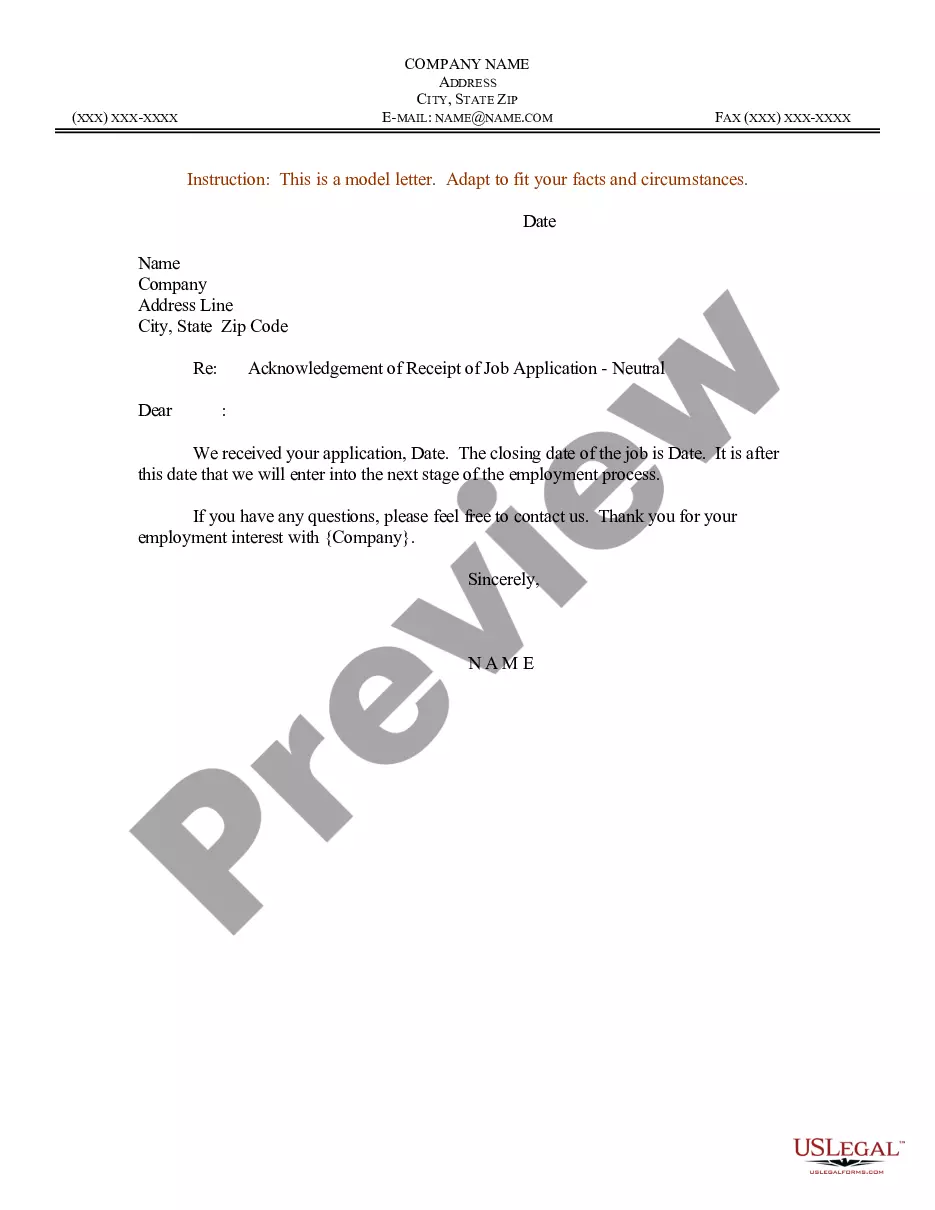
Job Offer Letter For Mortgage In Nassau
Description
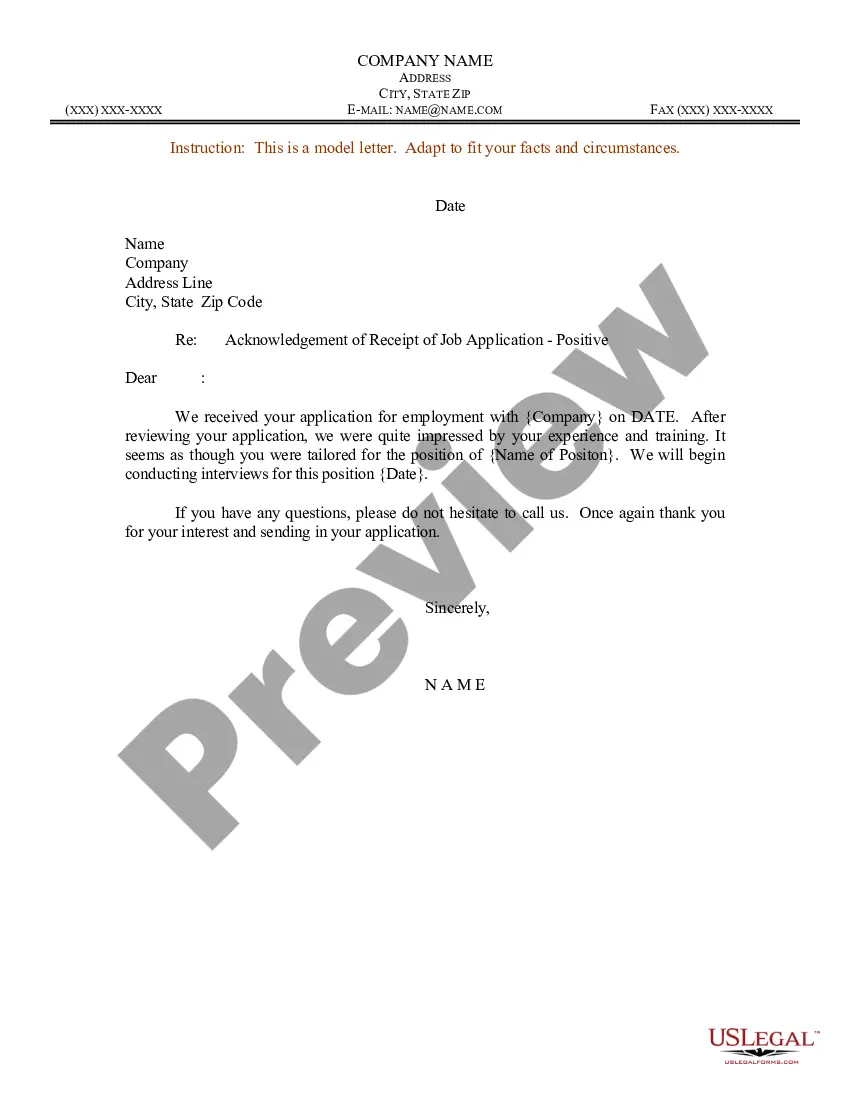
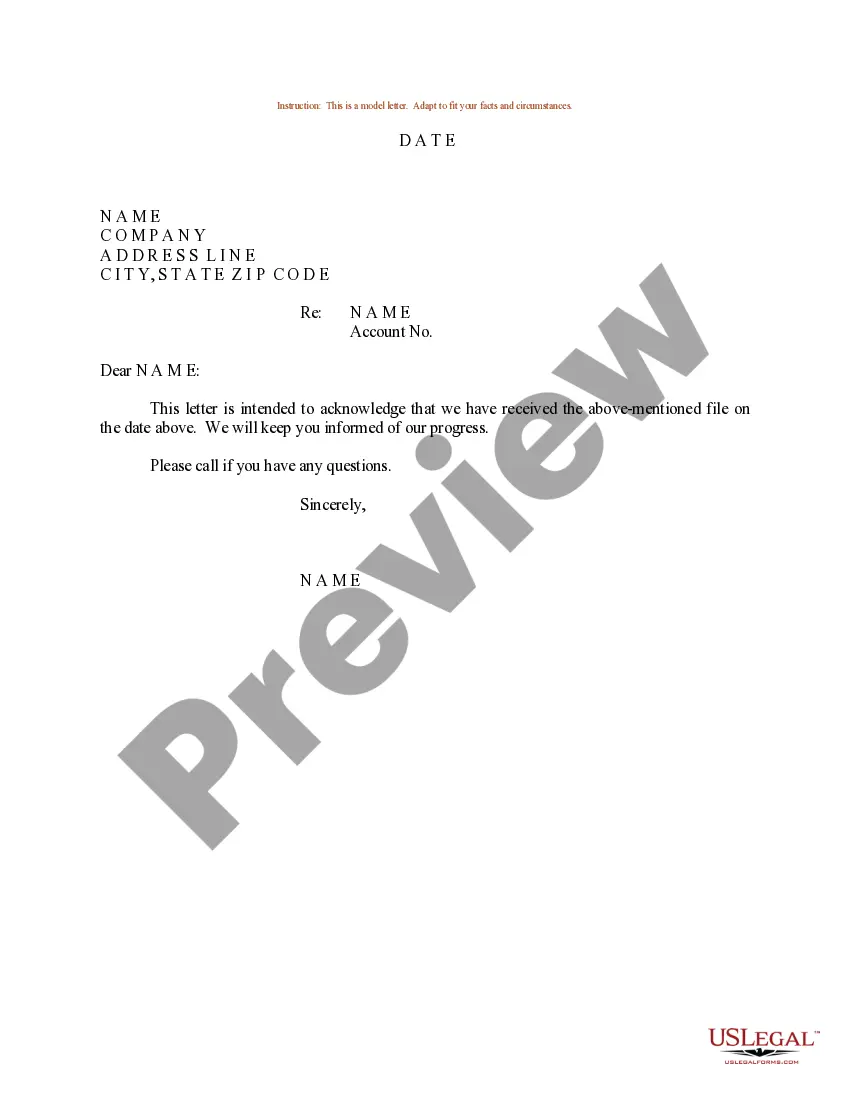
Get your form ready online
Our built-in tools help you complete, sign, share, and store your documents in one place.
Make edits, fill in missing information, and update formatting in US Legal Forms—just like you would in MS Word.
Download a copy, print it, send it by email, or mail it via USPS—whatever works best for your next step.
Sign and collect signatures with our SignNow integration. Send to multiple recipients, set reminders, and more. Go Premium to unlock E-Sign.
If this form requires notarization, complete it online through a secure video call—no need to meet a notary in person or wait for an appointment.
We protect your documents and personal data by following strict security and privacy standards.

Make edits, fill in missing information, and update formatting in US Legal Forms—just like you would in MS Word.

Download a copy, print it, send it by email, or mail it via USPS—whatever works best for your next step.

Sign and collect signatures with our SignNow integration. Send to multiple recipients, set reminders, and more. Go Premium to unlock E-Sign.

If this form requires notarization, complete it online through a secure video call—no need to meet a notary in person or wait for an appointment.

We protect your documents and personal data by following strict security and privacy standards.
Looking for another form?
Form popularity
FAQ
Generally this is done with paystubs, tax returns, and a call to the employer. For self-employed people it is usually tax returns and bank statements, maybe 1099's if available.
Offer letters aren't letters, they are legally binding contracts. Stop putting offers on homes if you don't know the implications of your actions and don't put your name on something that you don't read/understand. Basically, when a seller looks at offers, they have a choice of legally binding contracts to choose from.
If the buyer is not working with a real estate agent and does not have representation, the offer would come directly from the buyer. Represented buyers can also write their own offer letter and have their agent submit it for them.
Lenders give 'approval in principal' which is a statement of how much they are prepared to lend you. A 'letter of offer' is what you will receive when your mortgage has been fully approved, and you only get this after your offer on a property has been accepted.
A mortgage offer means your application has been accepted by a lender. After the offer, you'll sign a contract with your lender to let them know you're happy with it. Then your conveyancer can start the legal work.
Generally this is done with paystubs, tax returns, and a call to the employer. For self-employed people it is usually tax returns and bank statements, maybe 1099's if available.
Lenders typically want to see at least two years of self-employment before they will give you a mortgage. However, your income isn't the only factor they use to determine eligibility. Having a strong credit score can help boost your application.
Self-employed people can use a combination of documents to prove their income for a mortgage. This can include tax returns, business profit and loss statements, bank statements, 1099s, work contracts, invoices, and more.
For example, some landlords may accept an Offer Letter as proof of income for applicants relocating for a new job. However, not all Offer Letters include an income or salary. So, if your offer doesn't have these details, it won't count as proof of income.