Job Offer Letter For Canada Pr In Houston
Description
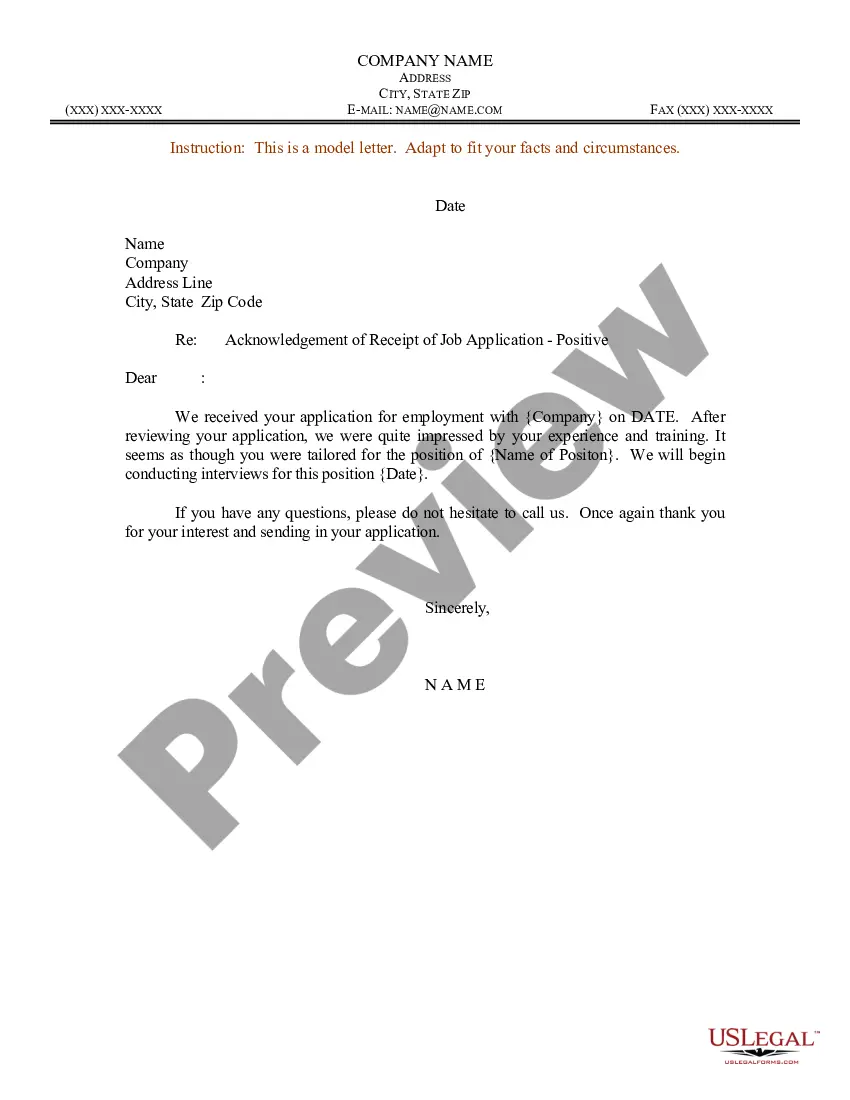


Get your form ready online
Our built-in tools help you complete, sign, share, and store your documents in one place.
Make edits, fill in missing information, and update formatting in US Legal Forms—just like you would in MS Word.
Download a copy, print it, send it by email, or mail it via USPS—whatever works best for your next step.
Sign and collect signatures with our SignNow integration. Send to multiple recipients, set reminders, and more. Go Premium to unlock E-Sign.
If this form requires notarization, complete it online through a secure video call—no need to meet a notary in person or wait for an appointment.
We protect your documents and personal data by following strict security and privacy standards.

Make edits, fill in missing information, and update formatting in US Legal Forms—just like you would in MS Word.

Download a copy, print it, send it by email, or mail it via USPS—whatever works best for your next step.

Sign and collect signatures with our SignNow integration. Send to multiple recipients, set reminders, and more. Go Premium to unlock E-Sign.

If this form requires notarization, complete it online through a secure video call—no need to meet a notary in person or wait for an appointment.

We protect your documents and personal data by following strict security and privacy standards.
Looking for another form?



Form popularity
FAQ
After you submit your admissions application, most Canadian schools take at least four to six weeks to assess your application, determine whether you qualify, and issue a Letter of Acceptance. However, for some schools, this process can take as long as two or three months.
How to request an employment verification letter from your employer Ask your supervisor. Ask your supervisor if they can write an employment verification for you. Contact the human resources department. Review company policy. Include all the necessary details. Request it in writing. Ensure that it has a handwritten signature.
As a Canadian citizen, you cannot apply for a US work visa yourself. Instead, a U.S. employer must apply for a work visa for you once they decide to hire you. There are three main work visas Canadian citizens can receive to legally work in the U.S., the H-1B visa, the TN1 visa, and the L1 visa.
Search and apply for jobs. Search for jobs. Network. Work as a volunteer to build your resume. Look for bridging programs related to your job. Consider alternative jobs. Apply to the Federal Internship for Newcomers Program. Look for a mentor. Start your own business.
Short answer is that you cannot. Canadian employment law does not allow employers to hire from outside Canada unless the employer is able to PROVE no one in Canada can fill the job. Therefore there are highly qualified applicants already in Canada for available jobs. This is
Here's a detailed list of what should be included. Company Letterhead. Employers Address. Date of the letter. Annual salary information. Job title. Hire date. Date employment ends (if scheduled end date) Employer signature.
A job offer can significantly enhance your Comprehensive Ranking System (CRS) score, increasing your chances of receiving an Invitation to Apply (ITA) for permanent residence. To qualify for CRS points, the job offer must be valid and meet specific criteria set by Immigration, Refugees, and Citizenship Canada (IRCC).
The letter must include: Your full name. Company contact information (address, telephone number, email address) Name, title and signature of immediate supervisor. All positions held while employed at the company. Job title(s) Main duties/responsibilities (for each position held)
Writing Tips The LOE should generally be kept to one to two pages. Clearly state the purpose of the letter and provide the context to the immigration officer. If applicable, include a timeline of events to outline your situation.
Any employment reference letters you submit as part of your immigration application must include the following: Your name. Employer's name. The start and end dates of your employment. Your job title. The job duties you held at the company.

