Job Offer In Letter In Houston
Description
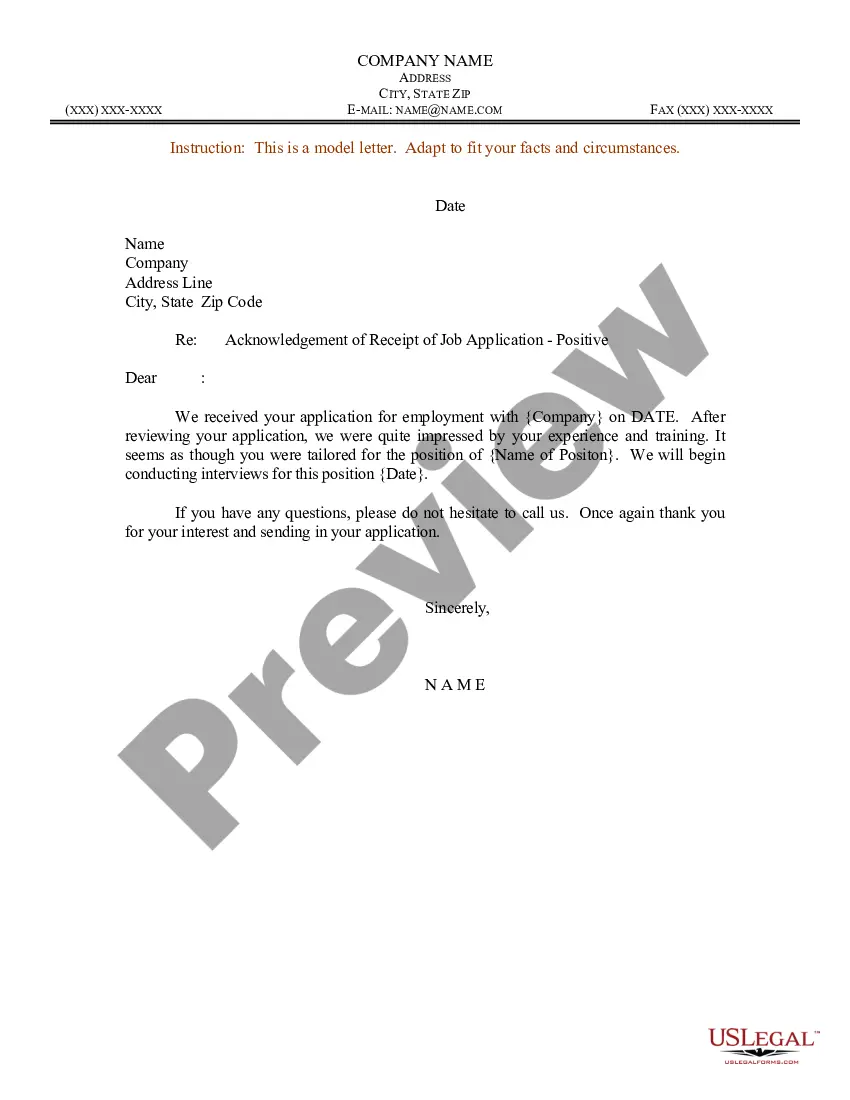



Get your form ready online
Our built-in tools help you complete, sign, share, and store your documents in one place.
Make edits, fill in missing information, and update formatting in US Legal Forms—just like you would in MS Word.
Download a copy, print it, send it by email, or mail it via USPS—whatever works best for your next step.
Sign and collect signatures with our SignNow integration. Send to multiple recipients, set reminders, and more. Go Premium to unlock E-Sign.
If this form requires notarization, complete it online through a secure video call—no need to meet a notary in person or wait for an appointment.
We protect your documents and personal data by following strict security and privacy standards.

Make edits, fill in missing information, and update formatting in US Legal Forms—just like you would in MS Word.

Download a copy, print it, send it by email, or mail it via USPS—whatever works best for your next step.

Sign and collect signatures with our SignNow integration. Send to multiple recipients, set reminders, and more. Go Premium to unlock E-Sign.

If this form requires notarization, complete it online through a secure video call—no need to meet a notary in person or wait for an appointment.

We protect your documents and personal data by following strict security and privacy standards.
Looking for another form?




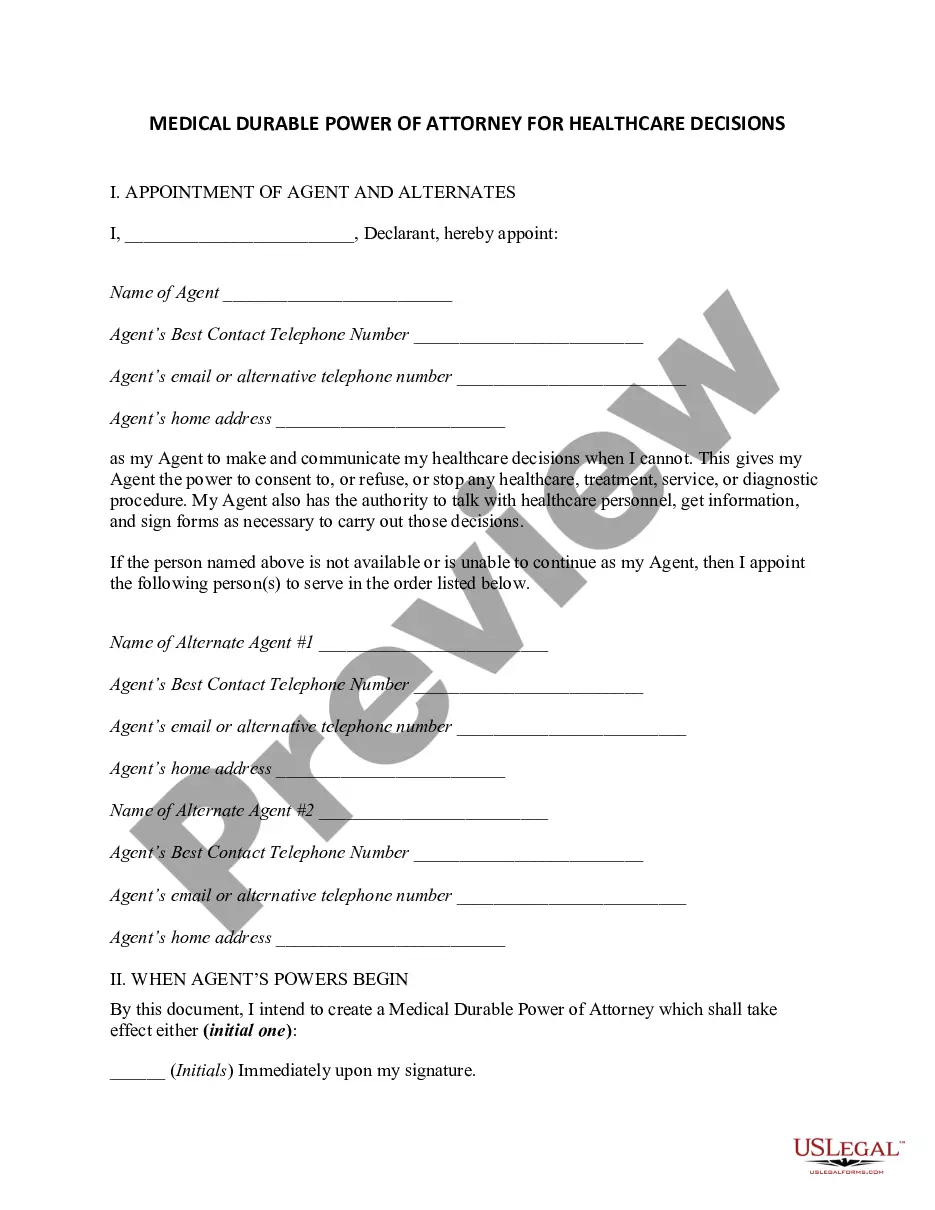




Form popularity
FAQ
Nope. An offer letter just spells out what the terms of your employment will be. You could just as easily start a job without an offer letter - restaurants, hotels, retail stores and so on never bother with them.
“I am excited about the opportunity to start on Start Date. Could you please send me the formal, written offer that includes the salary, benefits, and expected start date? I'm available at any time if further information is needed.”
Contact the company's hiring manager or recruiter you have been working with directly. Send a professional email politely requesting the offer letter. Express your enthusiasm for the opportunity and state that you are ready to accept the offer. Provide your preferred contact information and availability
To request an offer letter, you should: Contact the company's hiring manager or recruiter you have been working with directly. This is typically the best way to ensure your request is addressed promptly. Send a professional email politely requesting the offer letter.
In most cases, the time between the interview process and presenting an offer letter lands somewhere between a few days and two weeks. Job offer letters may also require extra time to create if the document contains legal jargon that must be reviewed by the company's legal team or internal counsel.
Employers or recruiters can send candidates letters with job offers for a position with a company, which can be an exciting part of your job search. When you receive one of these letters, it can mean you have valuable skills or experience and the company wishes to hire you.
In a brief email to the hiring manager or HR person, begin by showing your appreciation for the opportunity. Then, politely ask for an estimated timeline on when to expect a written offer. You may also include any clarifying questions you may have in regard to salary, benefits, or job responsibilities.
As a candidate, you may be offered a job verbally—over the phone or in person—and then receive an official offer letter after. Or, you may receive an offer letter before being given an opportunity to interview for the position.
An offer letter for a job will often include the following information: Job title and role expectations. Start date of the job. Compensation, benefits and equity. Office or working location. Termination clause. Acceptance and signature deadline.
A job offer acceptance letter can be fairly brief, but needs to contain the following: An expression of your gratitude for the job offer and the opportunity. Written formal acceptance of the job offer. The terms and conditions (your salary, job title, and any other benefits) Clarification on your starting date.

