Job Application Letter Format Class 12 In Harris
Description
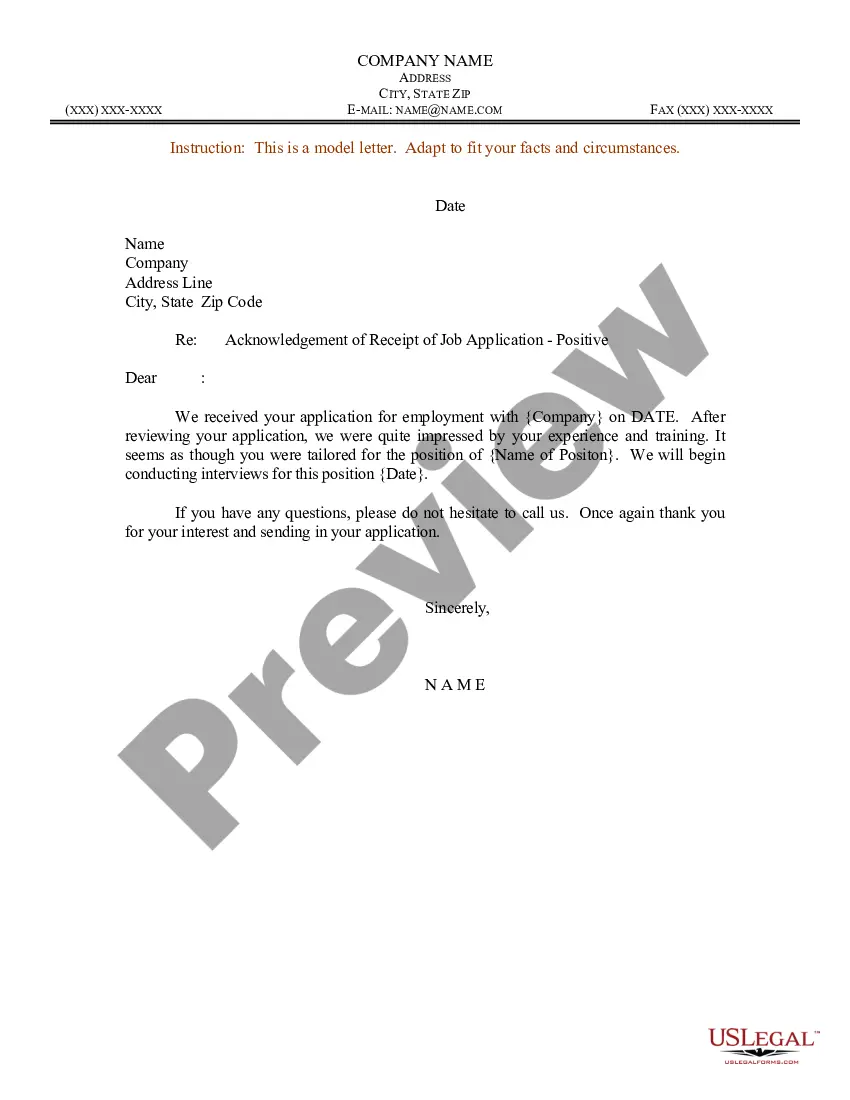


Get your form ready online
Our built-in tools help you complete, sign, share, and store your documents in one place.
Make edits, fill in missing information, and update formatting in US Legal Forms—just like you would in MS Word.
Download a copy, print it, send it by email, or mail it via USPS—whatever works best for your next step.
Sign and collect signatures with our SignNow integration. Send to multiple recipients, set reminders, and more. Go Premium to unlock E-Sign.
If this form requires notarization, complete it online through a secure video call—no need to meet a notary in person or wait for an appointment.
We protect your documents and personal data by following strict security and privacy standards.

Make edits, fill in missing information, and update formatting in US Legal Forms—just like you would in MS Word.

Download a copy, print it, send it by email, or mail it via USPS—whatever works best for your next step.

Sign and collect signatures with our SignNow integration. Send to multiple recipients, set reminders, and more. Go Premium to unlock E-Sign.

If this form requires notarization, complete it online through a secure video call—no need to meet a notary in person or wait for an appointment.

We protect your documents and personal data by following strict security and privacy standards.
Looking for another form?





Form popularity
FAQ
Writing a Formal Letter – Parts of a Formal Letter Always start with the sender's address. This is followed by the date. The receiver's address comes next. The subject of the letter is very important. The salutation can be Dear Sir/Ma'am. The body of the letter can be written in 3 paragraphs.
Letter Writing Format Sender's address. Date. Receiver's address. Subject. Salutation. Body of the letter. Complimentary closure. Signature line: sender's name, signature and designation.
What are the parts of a letter? Sender's address. Date. Receiver's address. Subject. Salutation. Body of the letter. Complimentary close. Signature.
How to write a cover letter for a high school student Include your personal details. Greet the hiring manager. Express your interest. List your skills and relevant experience. Thank the hiring manager. Include a professional closing. Review your letter.
A letter to the editor follows the format of a formal letter, and so it should start with the sender's complete address followed by the date, receiving editor's address, subject, salutation, body of the letter, complimentary closing, signature, name and designation if any.
You can review the points given below for writing a CV: Introduce yourself with a header. Include a professional profile (optional) ... List your employment history. Detail your educational qualifications. Add relevant skills and achievements. Include additional details.
How do I write an application letter for a job? Mention the job position you are applying for and where you found the information about the job opening. Introduce yourself and highlight your skills and qualifications. State strongly why you would be right for the job. Use a polite tone throughout your letter.
Notice Writing Format Class 12 Heading: Write "NOTICE" at the top, centred and in bold. Date: The date on which the notice is issued should be mentioned. Title/Subject: A brief title or subject that describes the content of the notice (e.g., "Annual Sports Day" or "School Trip").
The opening statement of you CV should include: • Your name and surname. Profile Summary. • Provide the reader a brief description of yourself, your aspirations and key achievements. Education and Qualification. • ... Work Experience or Employment History. • ... Skills. • ... Interests. • ... Language skills. • ... Computer or IT Skills. •

