Application Job Letter For Teacher In Franklin
Description
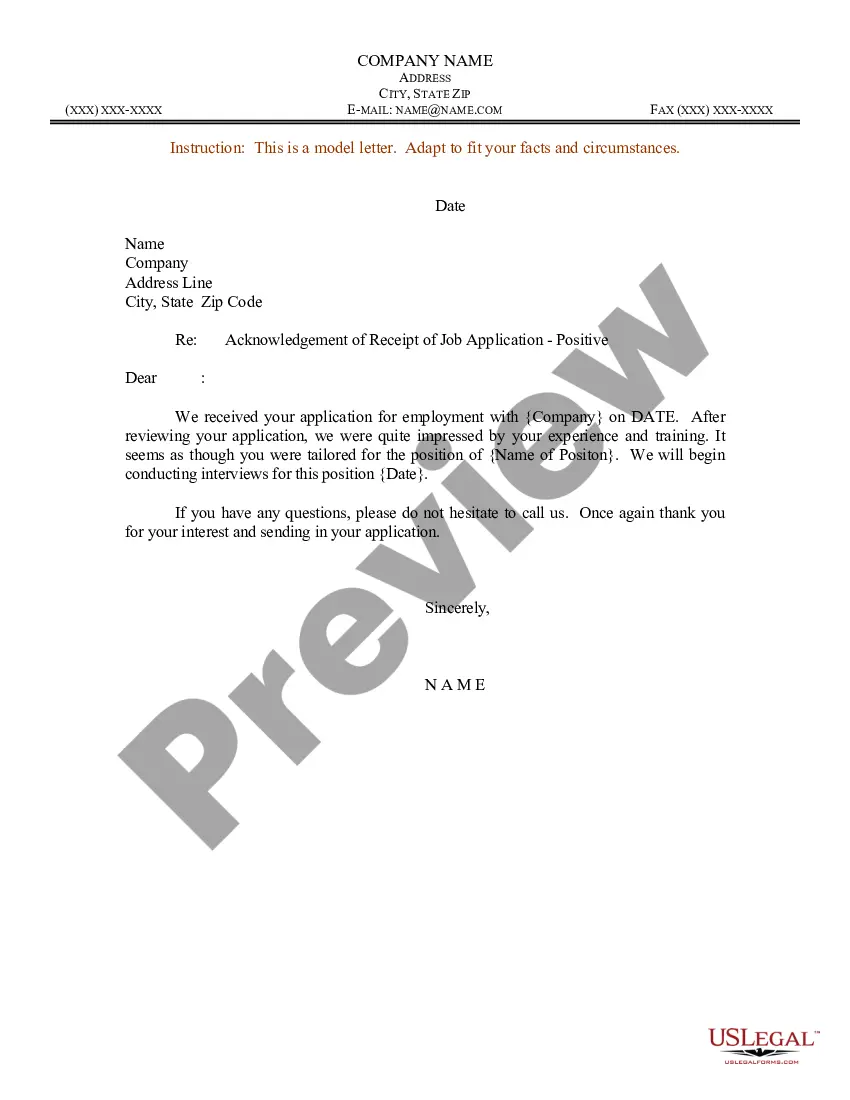


Get your form ready online
Our built-in tools help you complete, sign, share, and store your documents in one place.
Make edits, fill in missing information, and update formatting in US Legal Forms—just like you would in MS Word.
Download a copy, print it, send it by email, or mail it via USPS—whatever works best for your next step.
Sign and collect signatures with our SignNow integration. Send to multiple recipients, set reminders, and more. Go Premium to unlock E-Sign.
If this form requires notarization, complete it online through a secure video call—no need to meet a notary in person or wait for an appointment.
We protect your documents and personal data by following strict security and privacy standards.

Make edits, fill in missing information, and update formatting in US Legal Forms—just like you would in MS Word.

Download a copy, print it, send it by email, or mail it via USPS—whatever works best for your next step.

Sign and collect signatures with our SignNow integration. Send to multiple recipients, set reminders, and more. Go Premium to unlock E-Sign.

If this form requires notarization, complete it online through a secure video call—no need to meet a notary in person or wait for an appointment.

We protect your documents and personal data by following strict security and privacy standards.
Looking for another form?








Form popularity
FAQ
When you don't know how to address the hiring manager by name, use 'Dear Hiring Manager. ' I would avoid Sir/Madam because you don't know the hiring manager's pronouns. Usually, the team doesn't read the cover letter. It's addressed to the hiring manager or recruiter based on the situation.
Address your cover letter to a specific person, if possible. Call for the name of the hiring manager if not listed, unless the job description says “Please no phone calls.” Never use “To Whom It May Concern.” If a name is unavailable, use a title (e.g., Dear Administrator).
Address it to a specific person. Address your letter of intent to a specific person instead of “To Whom It May Concern” or “Hiring Manager.” ... Open with a summary. Outline your education. Highlight previous work experience. Describe your teaching style and values. Include a polite and optimistic closing.
Start with a professional salutation such as “Dear Hiring Manager's Name,” and include the job title or department if you don't know their name. If the hiring manager's name is unknown, “Dear Hiring Manager,” is an acceptable alternative. Who do you address a cover letter to?
Address of School and Hiring Manager: Include the full formal address of the hiring manager and the school you are applying to, just as you would address an envelope. It's also helpful to include the phone number and email address for the hiring manager to demonstrate your attention to detail.
Address to the individual named in the job posting, or with “Dear Members of the Search Committee.” The cover letter is a writing sample. It must be good. Proofread and spell check!
To get a job in teaching, counseling, nursing, or administration, you need at least a bachelor's degree or higher in a relevant subject as well as a state license. For most other positions, you need a high school diploma or GED certificate.
How To Write An Application Letter For a Teaching Job in a Nigerian School Capture Attention in the Introduction. Showcase Your Qualifications. Align with the School's Vision. Showcase your passion for education. Highlight your work experience. Conclude with Confidence. Proofread. Begin with a Strong Introduction:
How to write a letter of intent for a teaching job Address it to a specific person. Open with a summary. Outline your education. Highlight previous work experience. Describe your teaching style and values. Include a polite and optimistic closing.
To make a teaching resume as a graduate with no experience, highlight relevant coursework, internships, volunteer work, and student teaching experiences. Emphasize skills such as lesson planning, classroom management, and subject expertise. Include any certifications or training related to teaching.

