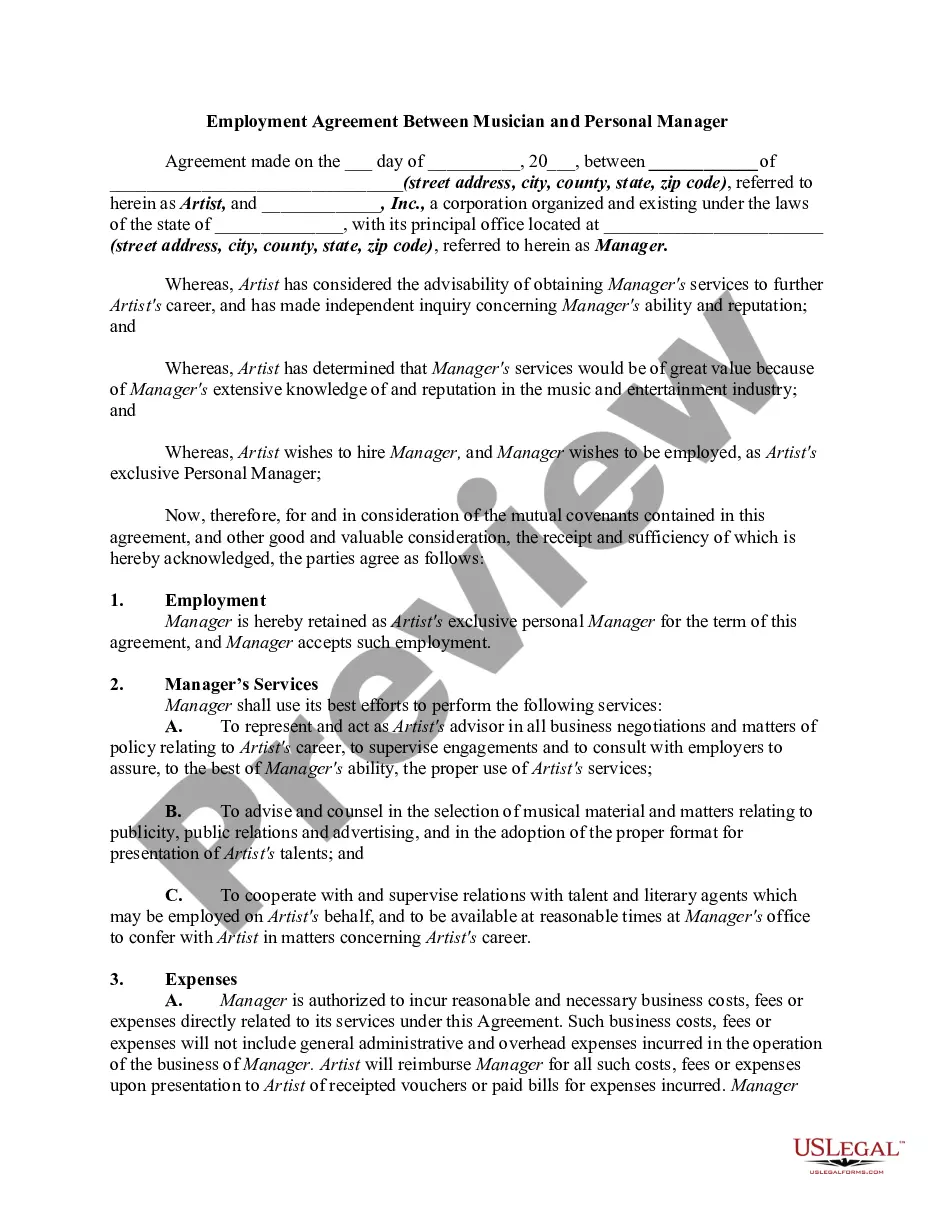
Manager Contract For Music Artist With No Experience In Wayne
Description

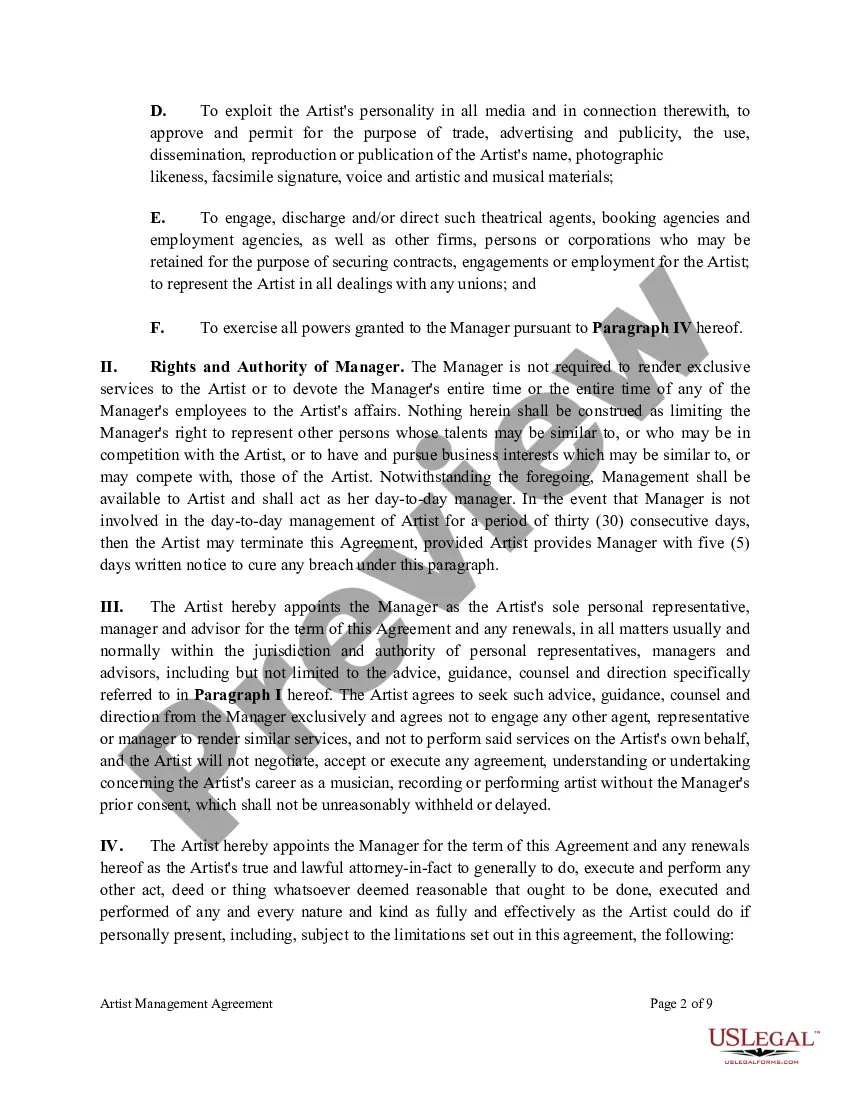
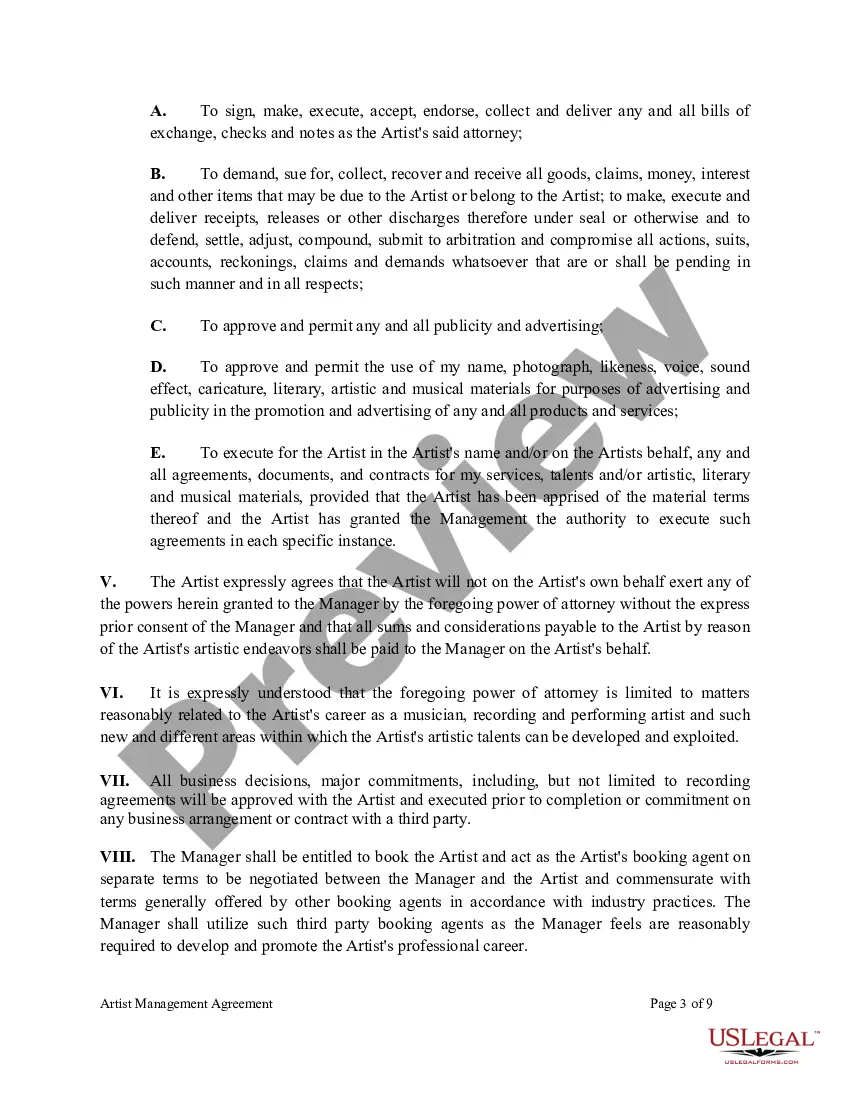
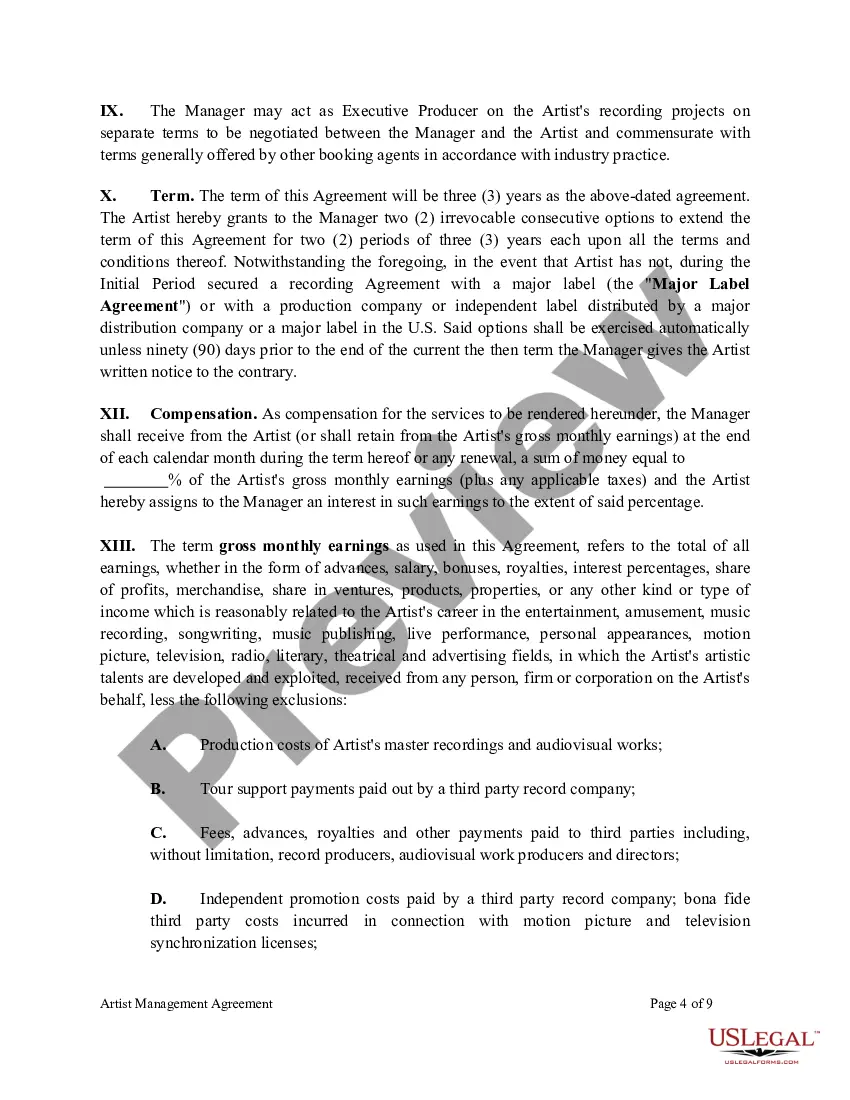
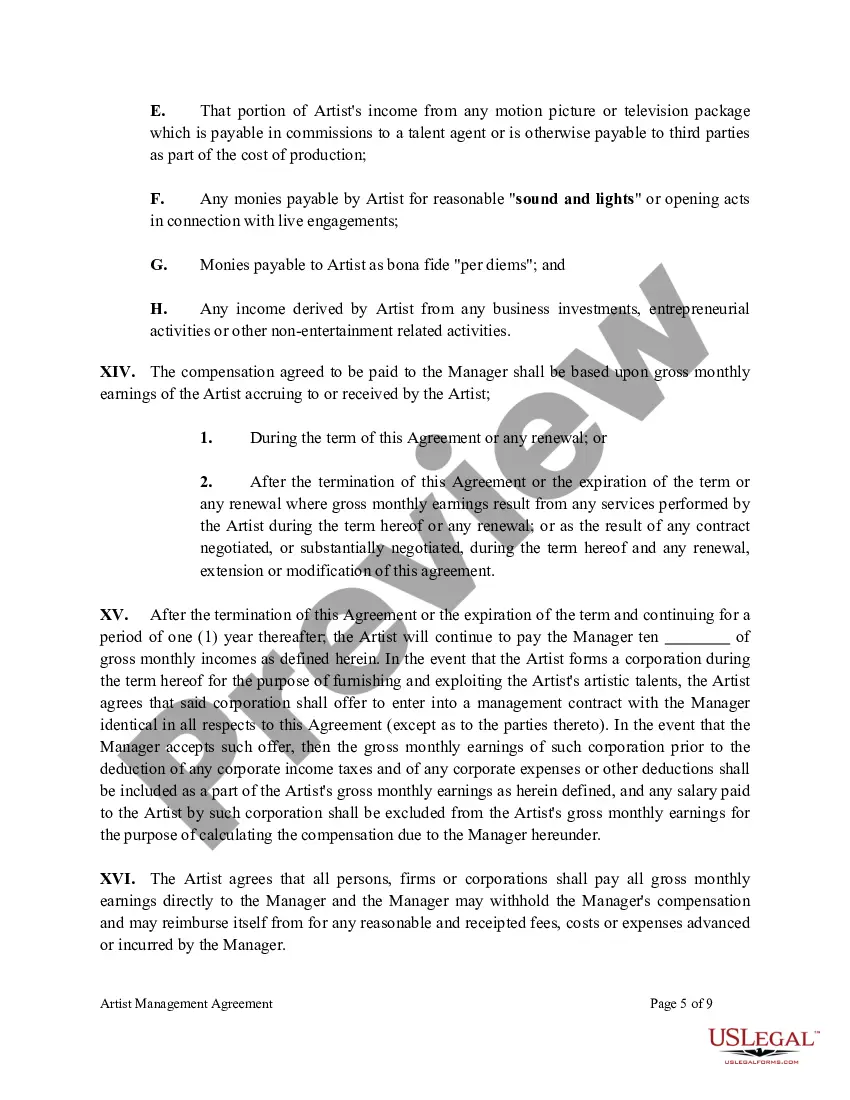
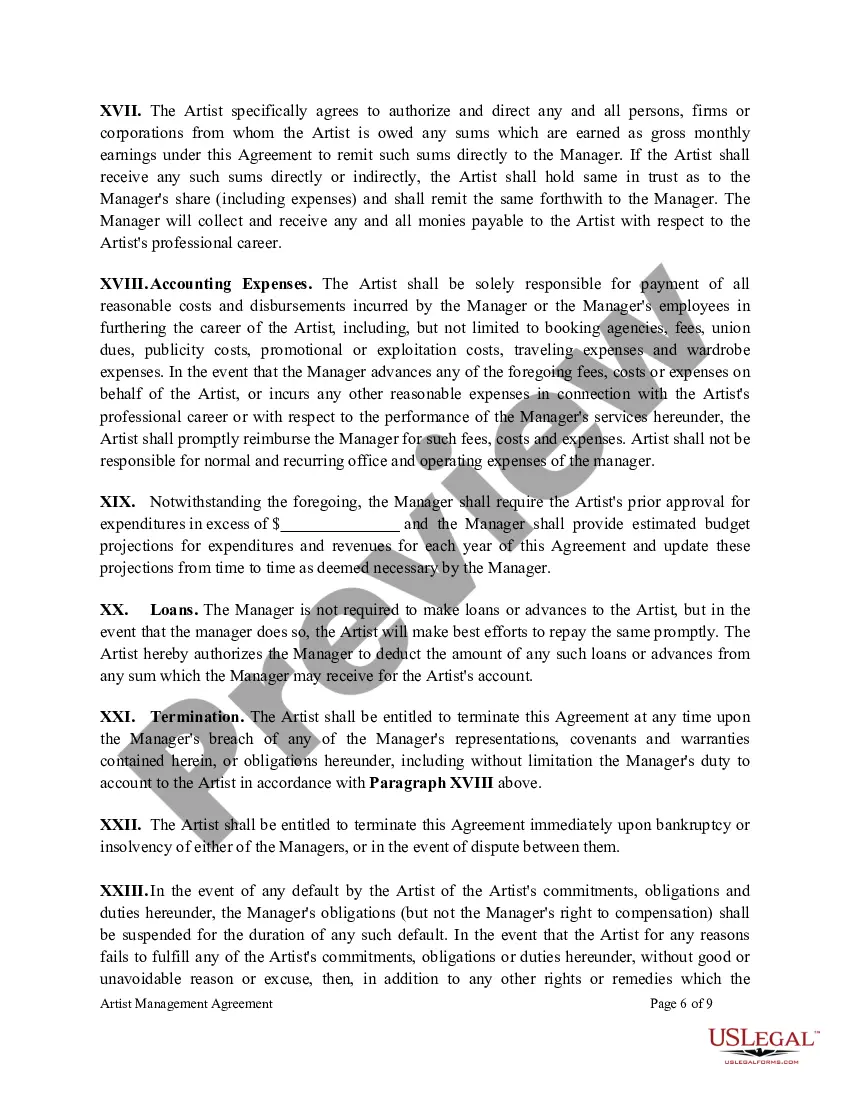
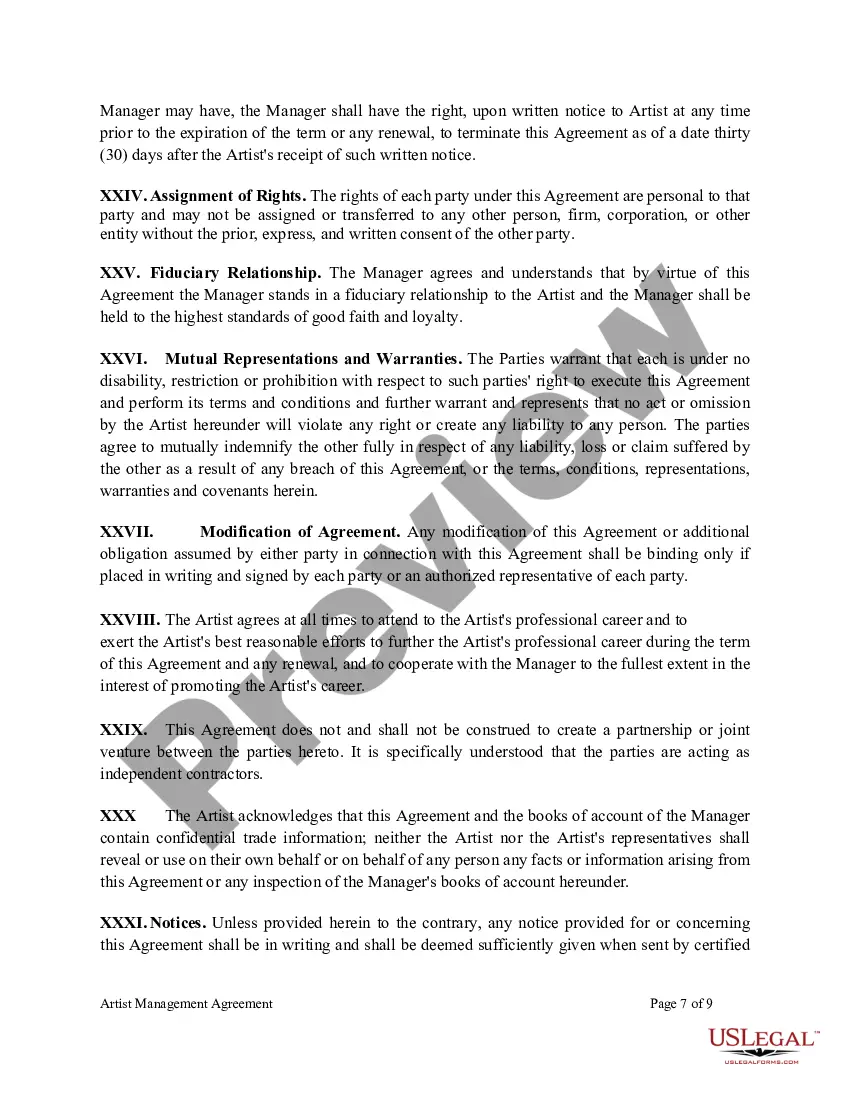
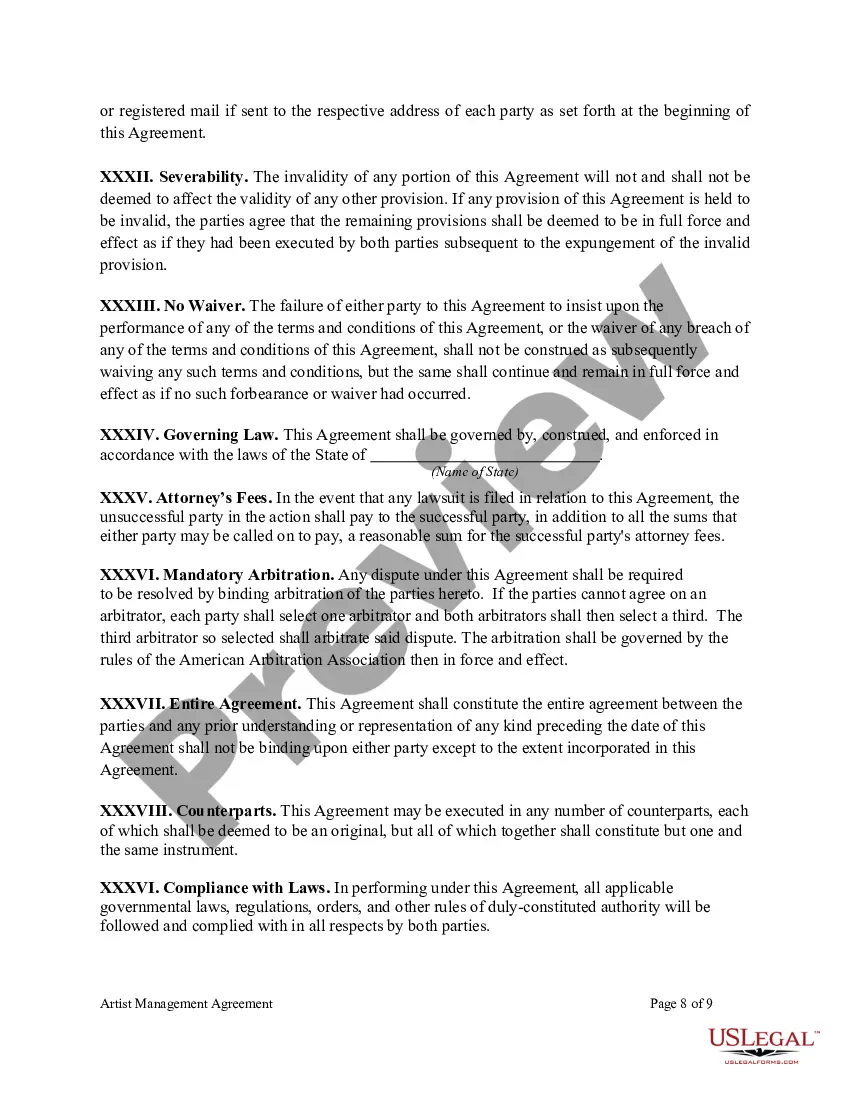
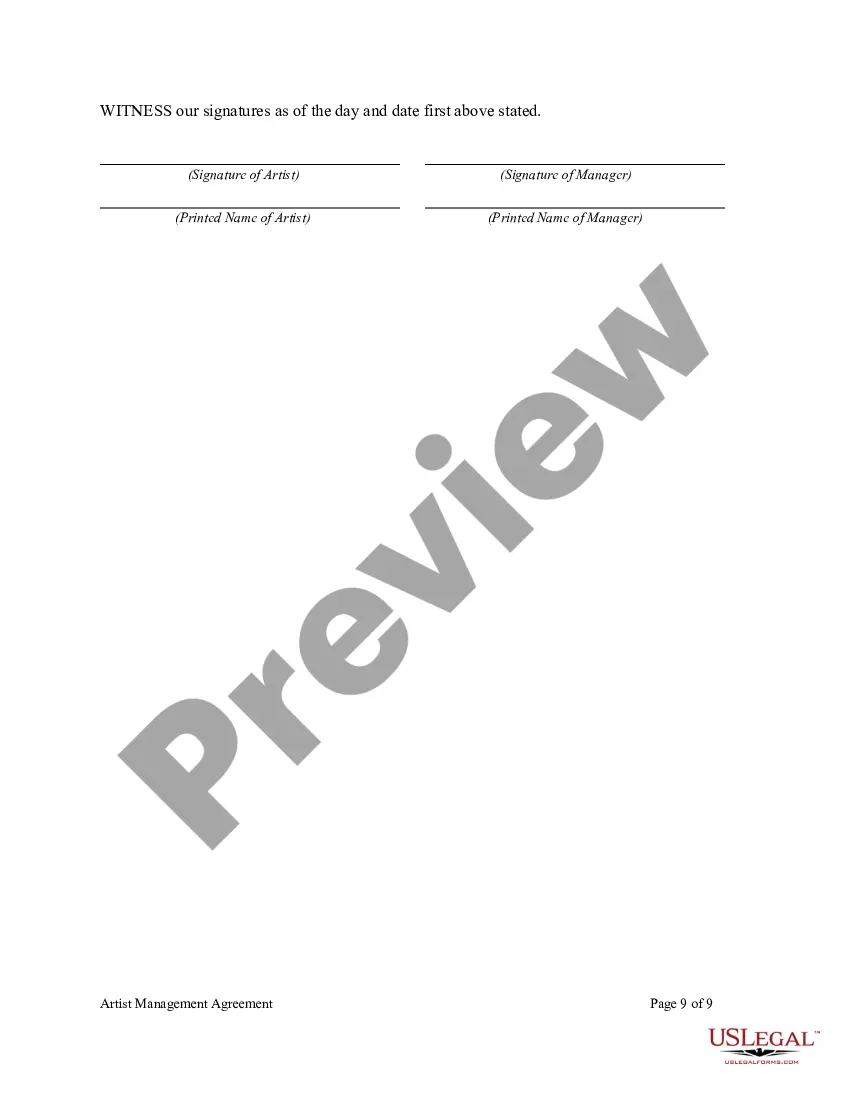
Get your form ready online
Our built-in tools help you complete, sign, share, and store your documents in one place.
Make edits, fill in missing information, and update formatting in US Legal Forms—just like you would in MS Word.
Download a copy, print it, send it by email, or mail it via USPS—whatever works best for your next step.
Sign and collect signatures with our SignNow integration. Send to multiple recipients, set reminders, and more. Go Premium to unlock E-Sign.
If this form requires notarization, complete it online through a secure video call—no need to meet a notary in person or wait for an appointment.
We protect your documents and personal data by following strict security and privacy standards.

Make edits, fill in missing information, and update formatting in US Legal Forms—just like you would in MS Word.

Download a copy, print it, send it by email, or mail it via USPS—whatever works best for your next step.

Sign and collect signatures with our SignNow integration. Send to multiple recipients, set reminders, and more. Go Premium to unlock E-Sign.

If this form requires notarization, complete it online through a secure video call—no need to meet a notary in person or wait for an appointment.

We protect your documents and personal data by following strict security and privacy standards.
Looking for another form?








Form popularity
FAQ
Comments Section Networking: Attend industry events, music conferences, and shows to meet people in the industry. Research: Look for managers who work with artists in your genre and have a track record of success. Referrals: Ask fellow musicians and industry contacts for recommendations.
Consider an internship or entry-level job. Look for internships at record labels, music studios, radio stations, or music management companies to gain hands-on experience. Entry-level roles like artist assistant or music promoter can also provide a foot in the door. Leverage social media and online platforms.
Becoming an artist with no experience is certainly possible, as artistry often hinges on creativity and personal expression rather than formal credentials. However, developing your skills is essential. Engage in self-directed practice, take online courses or workshops, and immerse yourself in the art community.
Yes, you can be a manager with no experience, but it requires strong interpersonal skills, a willingness to learn, and a proactive attitude. Seeking mentorship, undergoing training, and being open to continuous learning can help you acquire the necessary managerial skills.
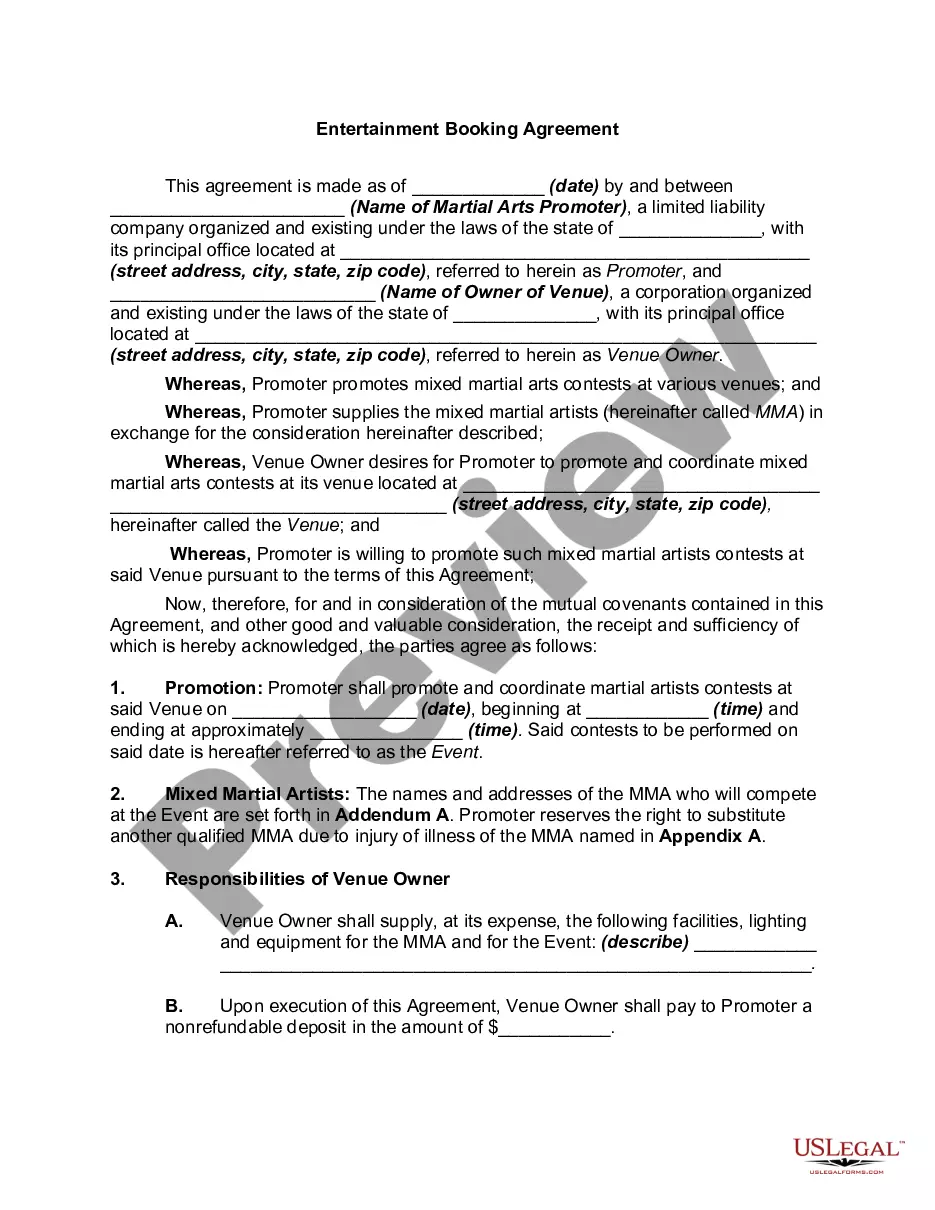
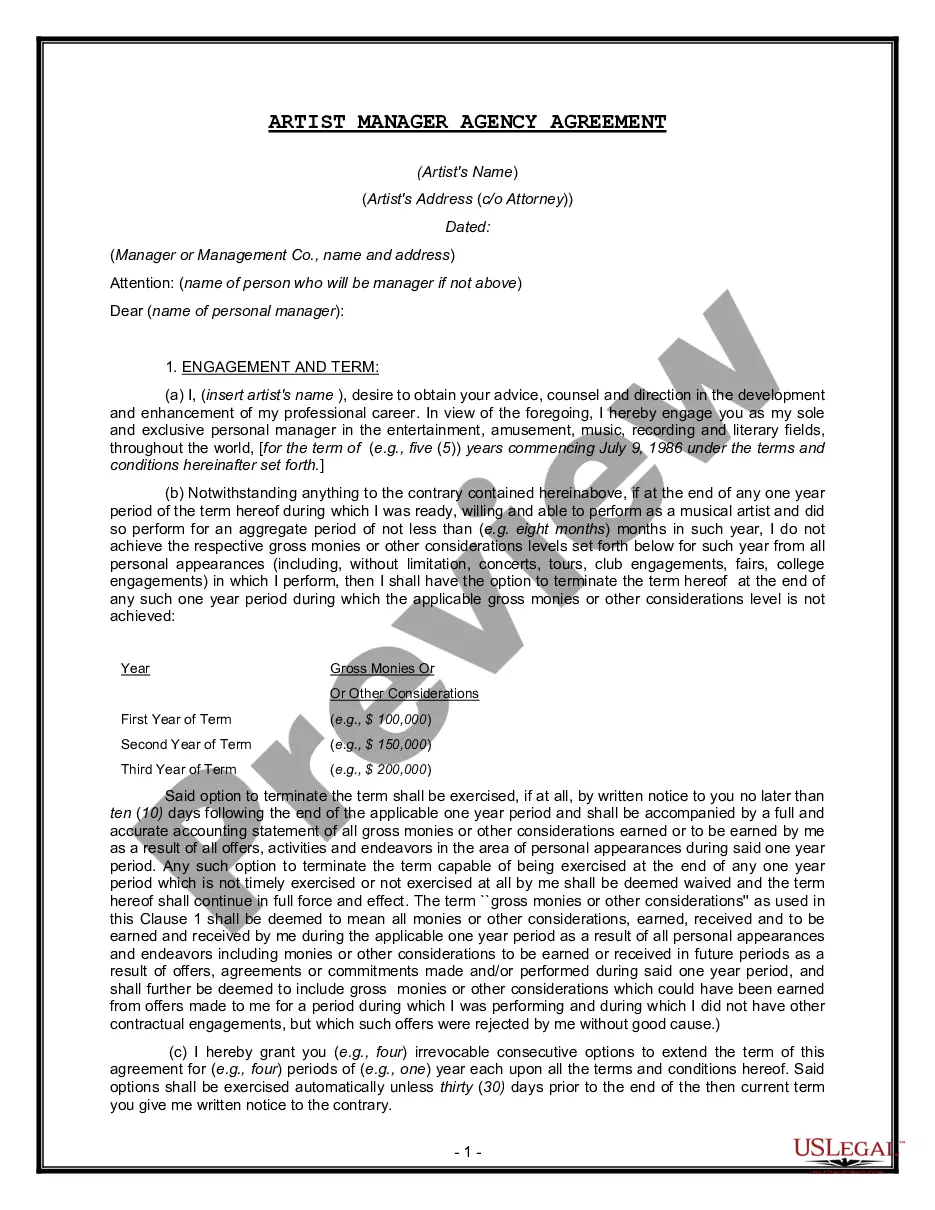
Managers typically receive 15% to 20% of the artist's gross earnings (before any expenses are deducted), but this figure can vary from contract to contract. For example, a manager might start at 20% and decrease his or her cut to 15% after a period of time or once the artist achieves a certain level in their career.
Some start by managing artists or groups they already know, while others apply for positions at management companies, found their own, or join an artist's team in a different capacity—as a business manager, agent, or personal assistant—before taking over management duties.
One way to gain valuable experience in artist management is by interning or working with established artist management companies. This will allow you to learn from experienced professionals and gain insights into all aspects of artist management, from booking shows to negotiating contracts.
Look for Managers with Experience: Find managers who have a track record of working with artists in your genre. Check References: Seek recommendations from other artists or industry contacts. Review Their Roster: Look at the artists they currently manage to see if they align with your style and goals.
Your Music Recording Contract should cover details like: Compensation and royalties. Where and when the album will be recorded. The album's release date. Who has creative control over specific elements of the album. The termination clause. The exclusive agreement clause. Dispute resolution. Promotional appearances.
Your Music Recording Contract should cover details like: Compensation and royalties. Where and when the album will be recorded. The album's release date. Who has creative control over specific elements of the album. The termination clause. The exclusive agreement clause. Dispute resolution. Promotional appearances.
