Sample Management Contract For Services In Washington
Description









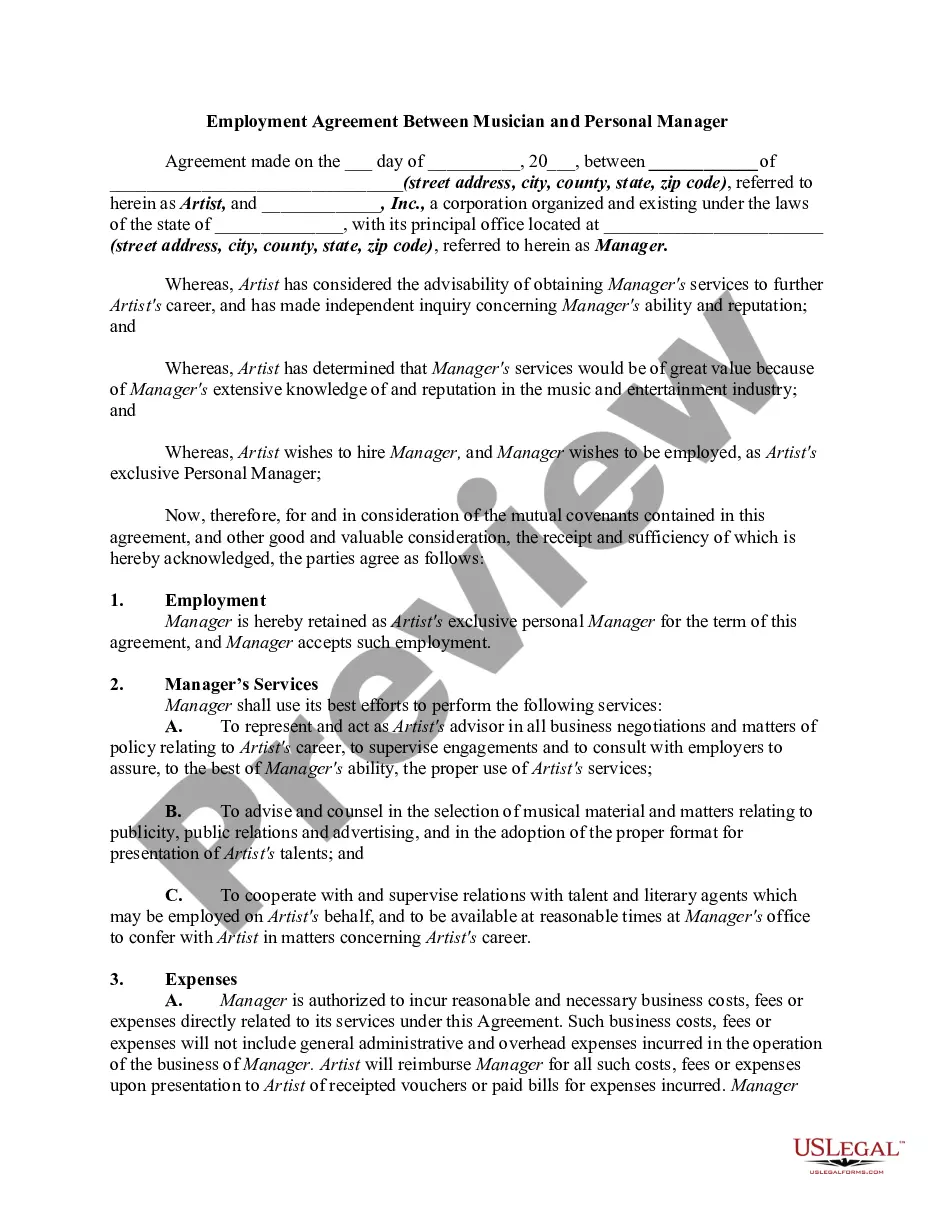
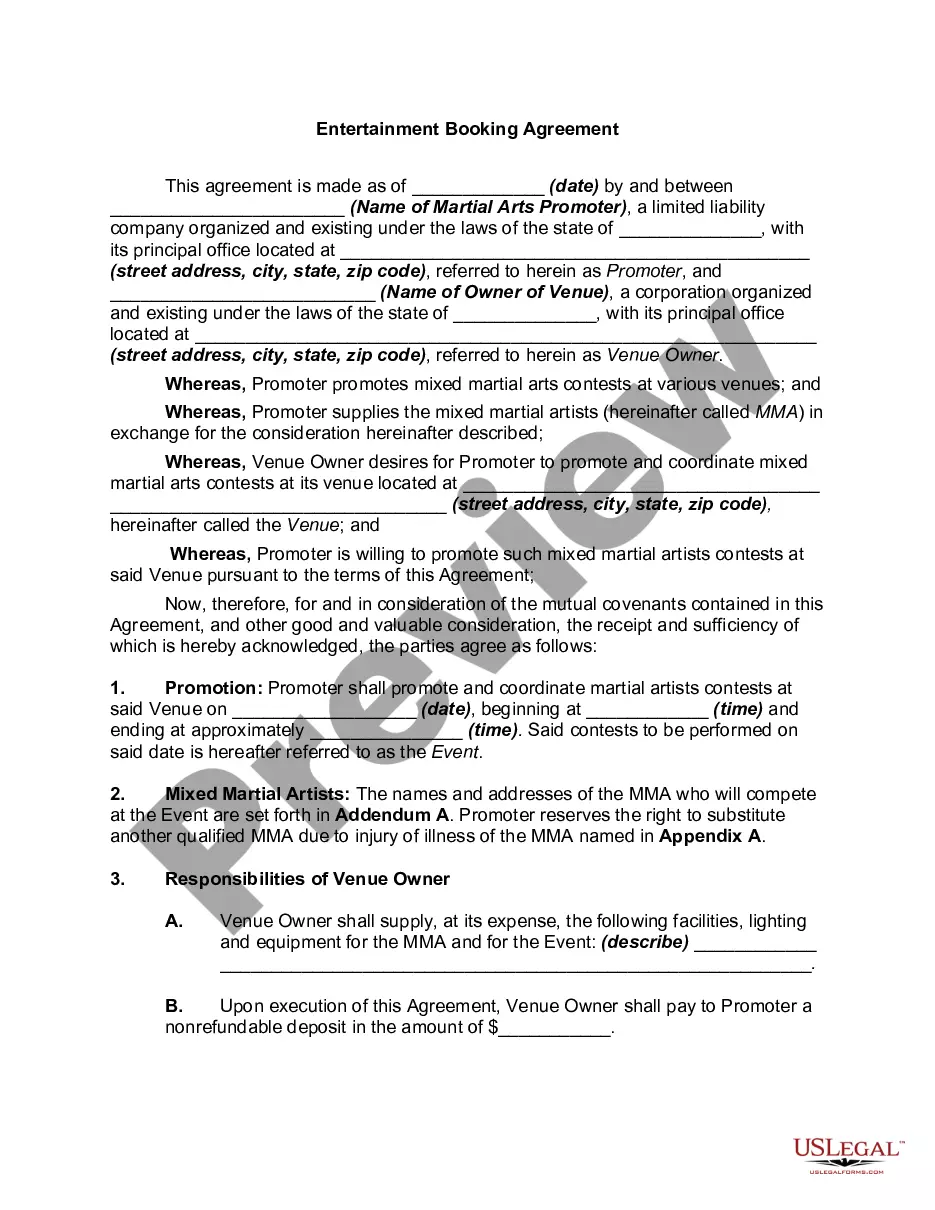
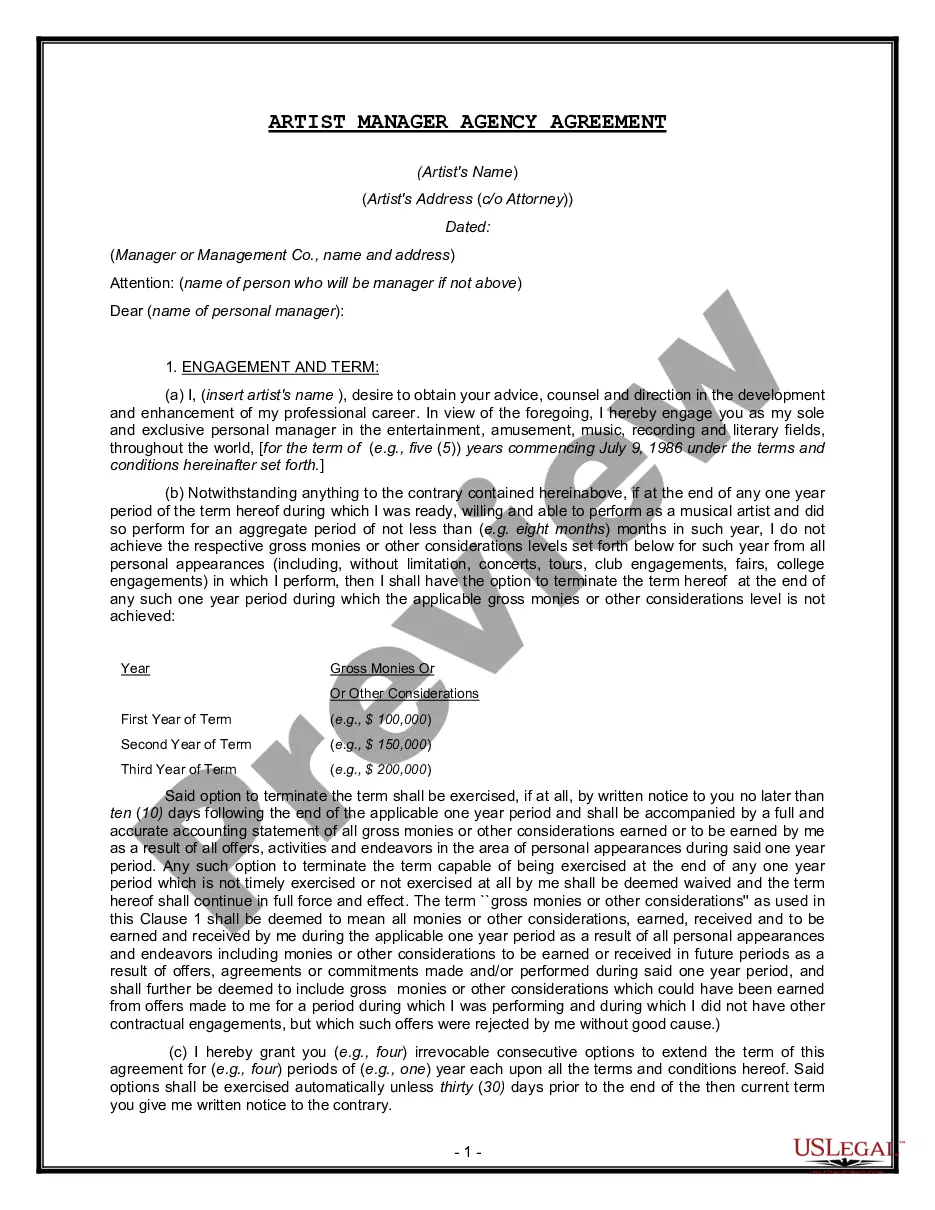
Get your form ready online
Our built-in tools help you complete, sign, share, and store your documents in one place.
Make edits, fill in missing information, and update formatting in US Legal Forms—just like you would in MS Word.
Download a copy, print it, send it by email, or mail it via USPS—whatever works best for your next step.
Sign and collect signatures with our SignNow integration. Send to multiple recipients, set reminders, and more. Go Premium to unlock E-Sign.
If this form requires notarization, complete it online through a secure video call—no need to meet a notary in person or wait for an appointment.
We protect your documents and personal data by following strict security and privacy standards.

Make edits, fill in missing information, and update formatting in US Legal Forms—just like you would in MS Word.

Download a copy, print it, send it by email, or mail it via USPS—whatever works best for your next step.

Sign and collect signatures with our SignNow integration. Send to multiple recipients, set reminders, and more. Go Premium to unlock E-Sign.

If this form requires notarization, complete it online through a secure video call—no need to meet a notary in person or wait for an appointment.

We protect your documents and personal data by following strict security and privacy standards.
Looking for another form?









Form popularity
FAQ
How to Write a Service Agreement Step 1: Identify the parties involved. Step 2: Define the scope of services. Step 3: Set payment terms. Step 4: Outline the responsibilities of each party. Step 5: Add termination, dispute resolution, and other essential clauses. Step 6: Review and finalize.
For a contract to be valid and recognized by the common law, it must include certain elements-- offer, acceptance, consideration, intention to create legal relations, authority and capacity, and certainty. Without these elements, a contract is not legally binding and may not be enforced by the courts.
What is typically included in a contract for services. Description of services. This lays out what professional services you and your company will receive. Payment terms. Ownership rights. Confidentiality clause. Indemnification clause. Amendment. Termination. Dispute resolution.
Key components of an SLA Agreement overview. A list of stakeholders. The goals of all stakeholders. A description of services. Service levels. A list of services excluded from the agreement. Conditions of cancellation. A plan if goals aren't reached.
What is typically included in a contract for services. Description of services. This lays out what professional services you and your company will receive. Payment terms. Ownership rights. Confidentiality clause. Indemnification clause. Amendment. Termination. Dispute resolution.
A robust management contract should include: Defined Responsibilities: Clear scope of services the management company will handle. Compensation Structure: Agreed terms of payment, such as fixed fees or performance-based incentives. Duration and Renewal Terms: Specific start and end dates, with conditions for renewal.
An example of a management contract is a contract between a hotel owner and a management company where the management company runs the daily operations of the hotel on behalf of the owner.
Crafting an effective contract for services involves several key components, including identifying the parties involved, outlining the scope of services, specifying payment details, and establishing procedures for dispute resolution.
Contract lifecycle management for each agreement consists of seven high-level stages: Inception: Identifying Contract Requirements and Stakeholders. Contract Negotiation: Drafting and Agreeing on Terms. Execution: Signing and Finalising Agreements. Start-Up: Extracting and Documenting Contract Metadata.
Key elements of a professional services contract Scope of work. This is one of the most important sections. Timelines. Include the project start date, important milestones, and the final delivery deadline. Payment Terms. Clearly state how and when payments will be made. Confidentiality. Liability. Termination Clauses.
