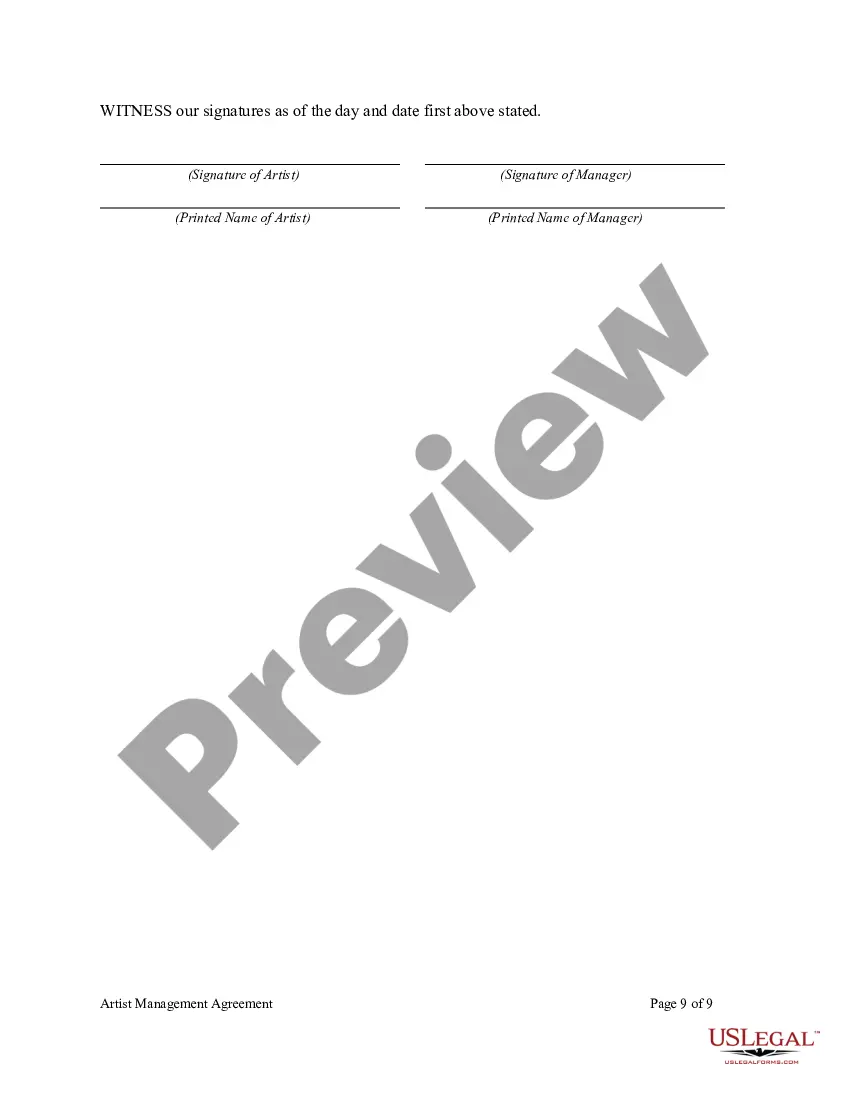
Management Of Agreement Contract In Washington
Description
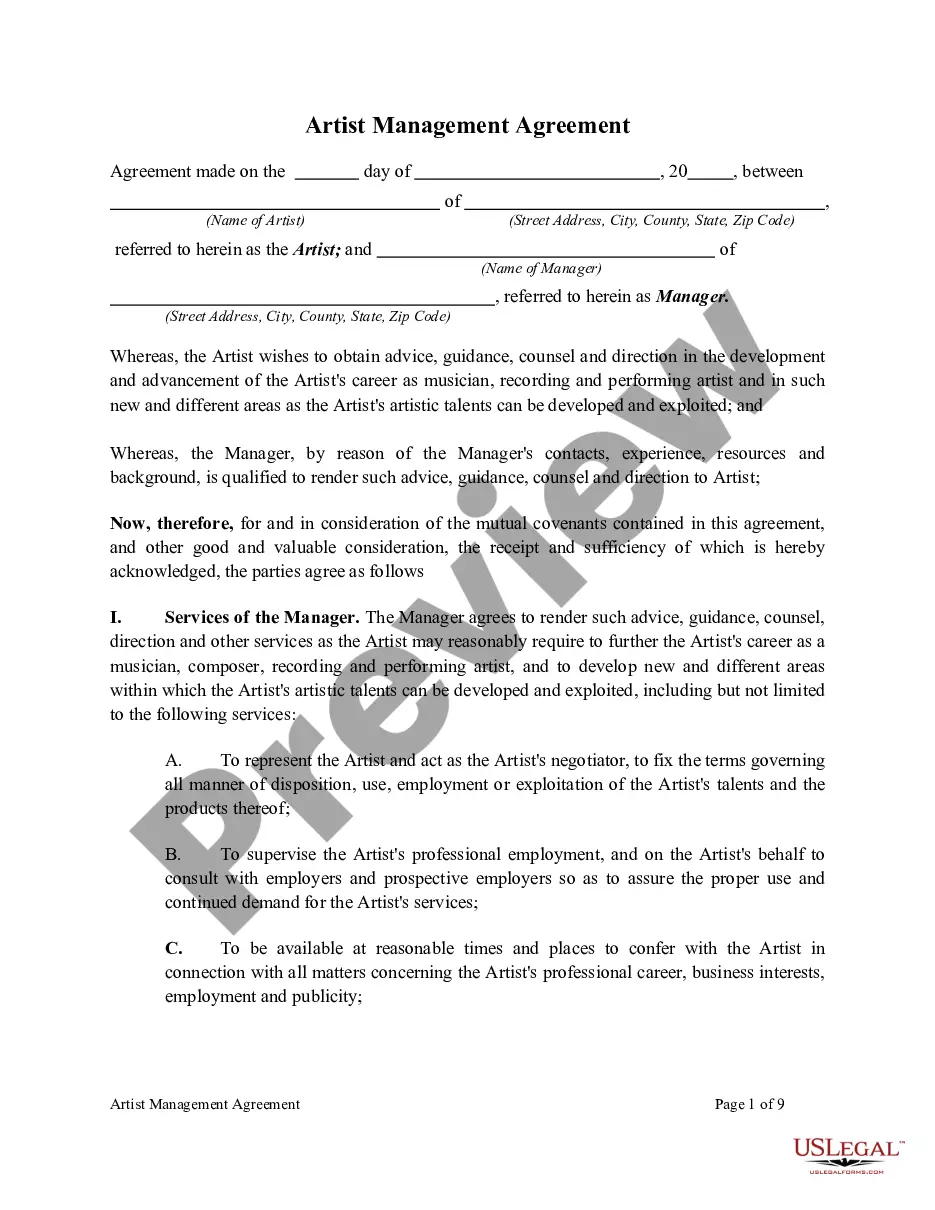
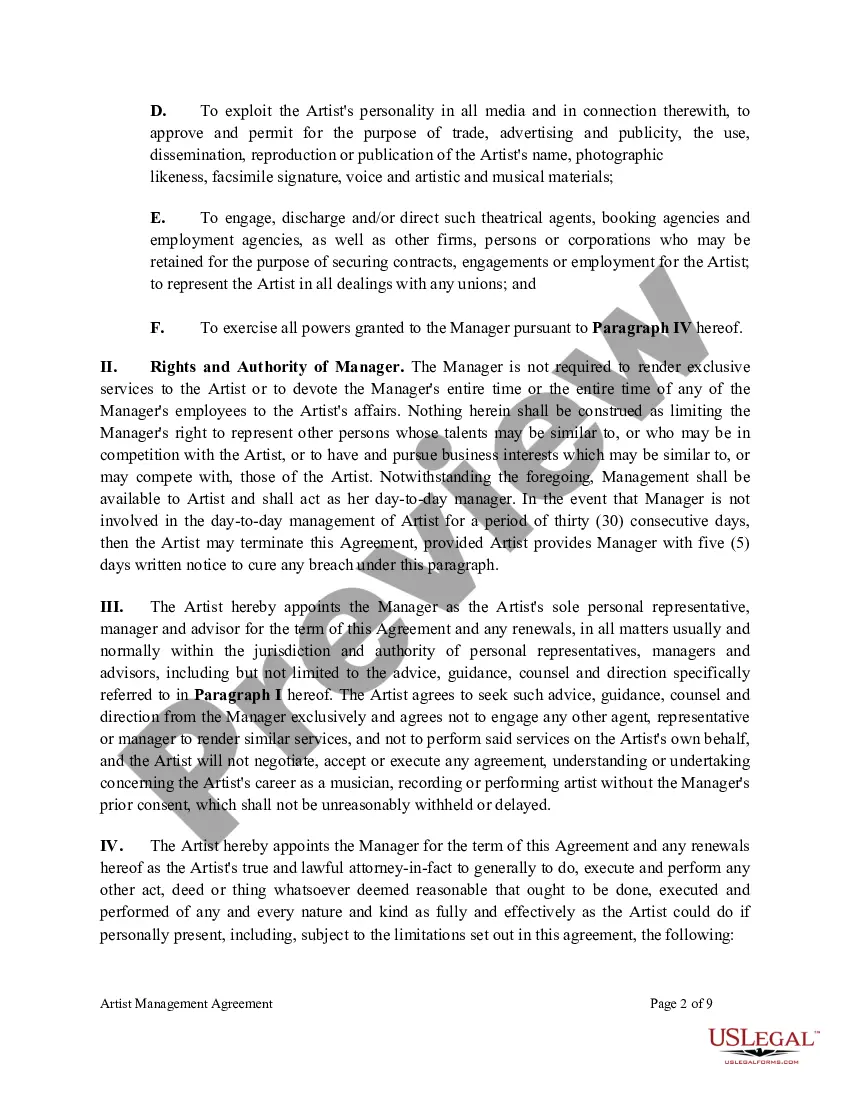
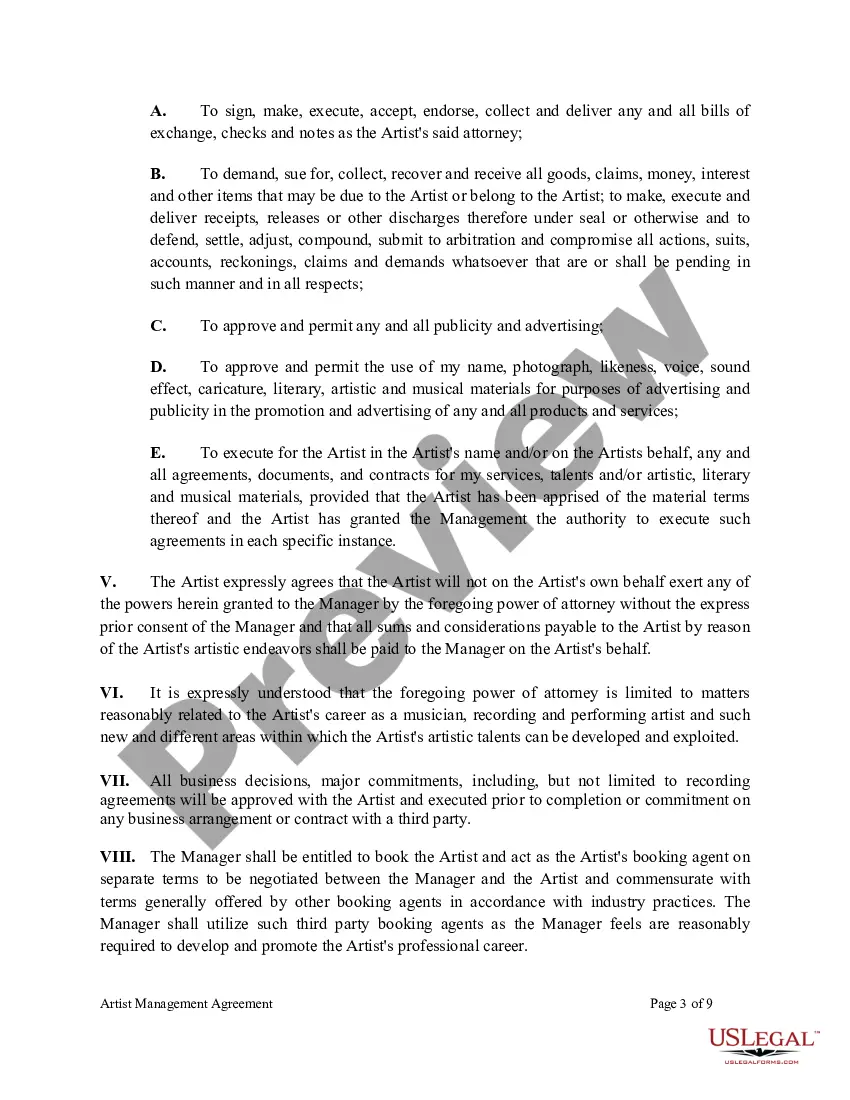
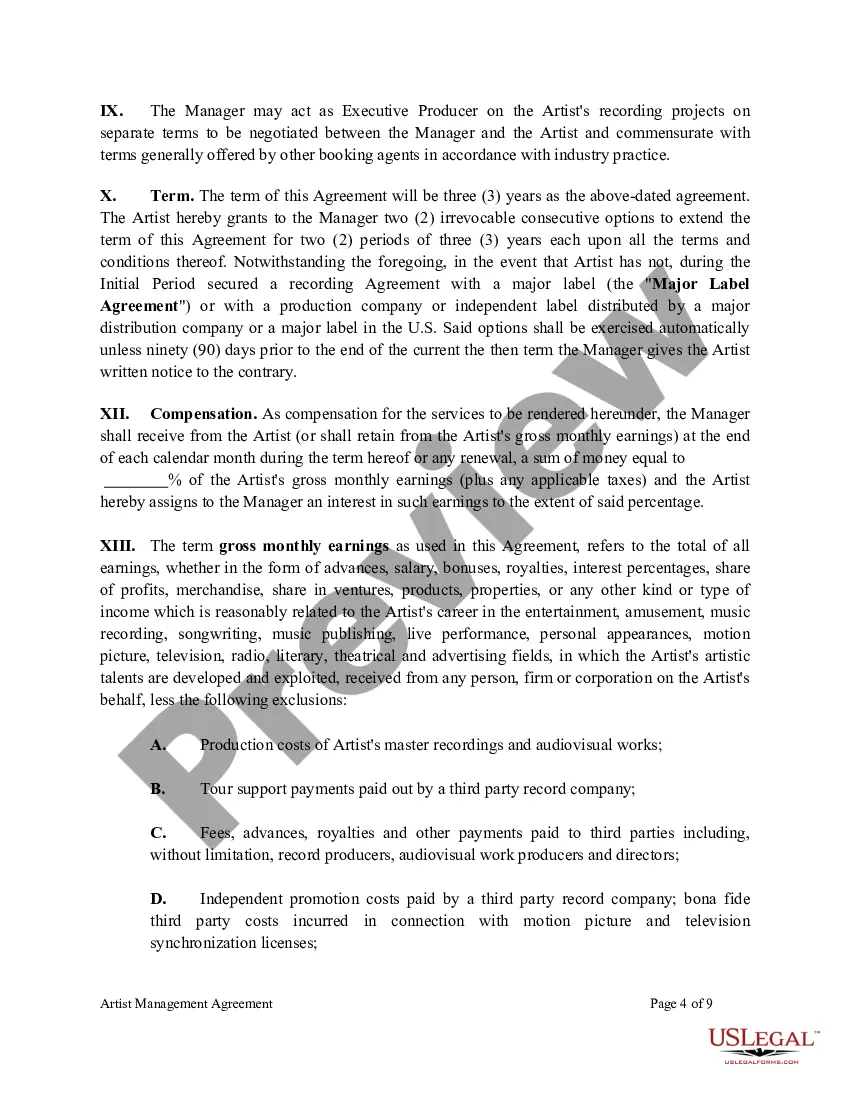
Get your form ready online
Our built-in tools help you complete, sign, share, and store your documents in one place.
Make edits, fill in missing information, and update formatting in US Legal Forms—just like you would in MS Word.
Download a copy, print it, send it by email, or mail it via USPS—whatever works best for your next step.
Sign and collect signatures with our SignNow integration. Send to multiple recipients, set reminders, and more. Go Premium to unlock E-Sign.
If this form requires notarization, complete it online through a secure video call—no need to meet a notary in person or wait for an appointment.
We protect your documents and personal data by following strict security and privacy standards.

Make edits, fill in missing information, and update formatting in US Legal Forms—just like you would in MS Word.

Download a copy, print it, send it by email, or mail it via USPS—whatever works best for your next step.

Sign and collect signatures with our SignNow integration. Send to multiple recipients, set reminders, and more. Go Premium to unlock E-Sign.

If this form requires notarization, complete it online through a secure video call—no need to meet a notary in person or wait for an appointment.

We protect your documents and personal data by following strict security and privacy standards.
Looking for another form?
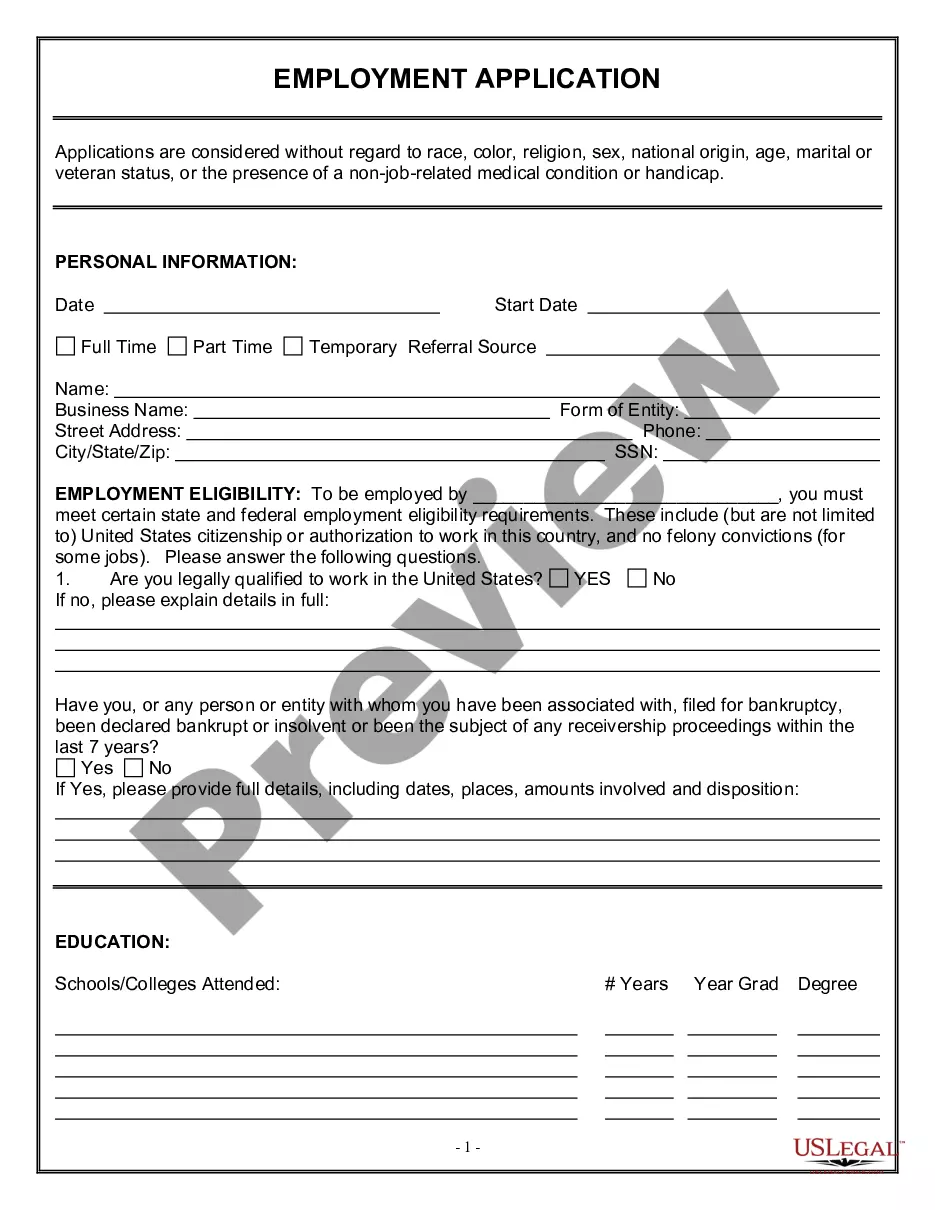
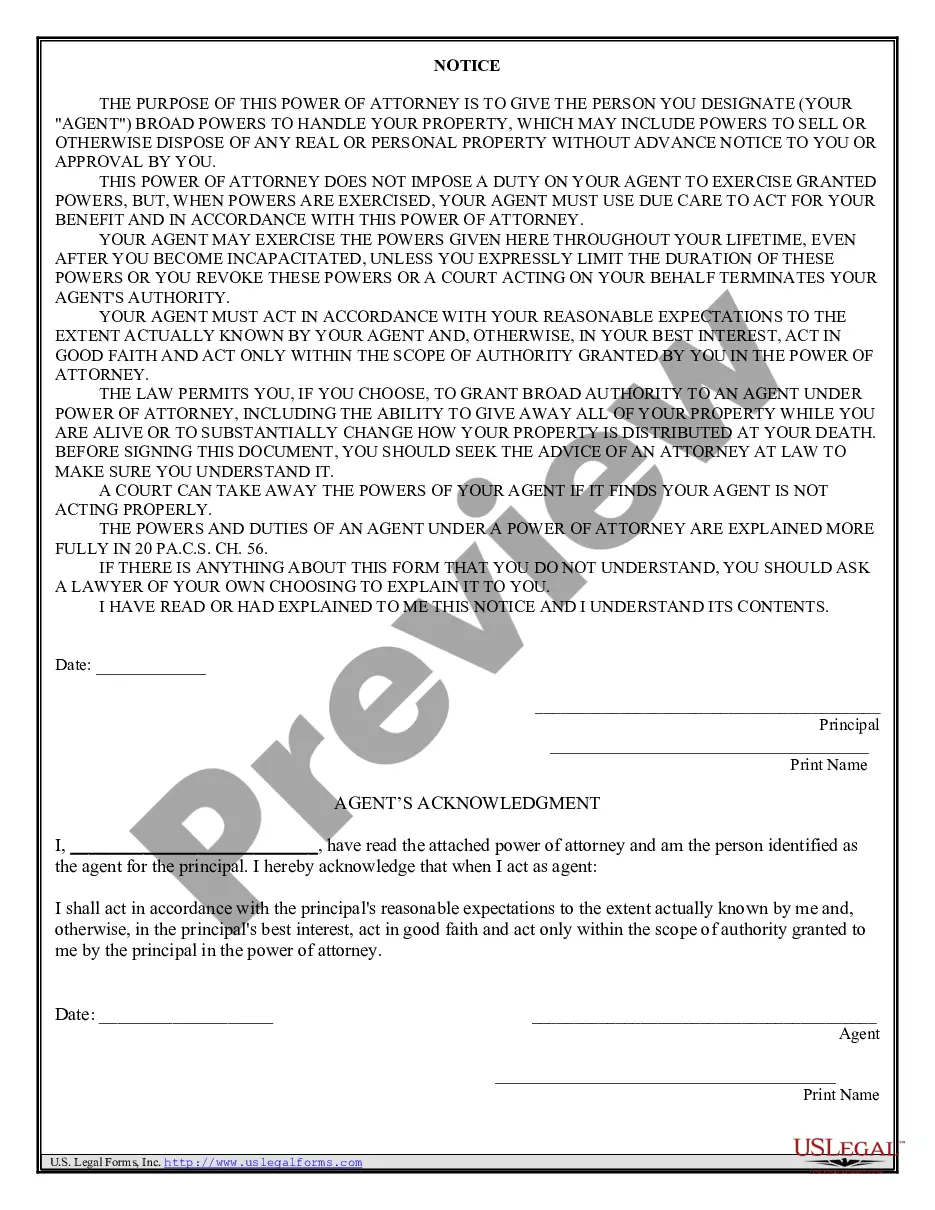
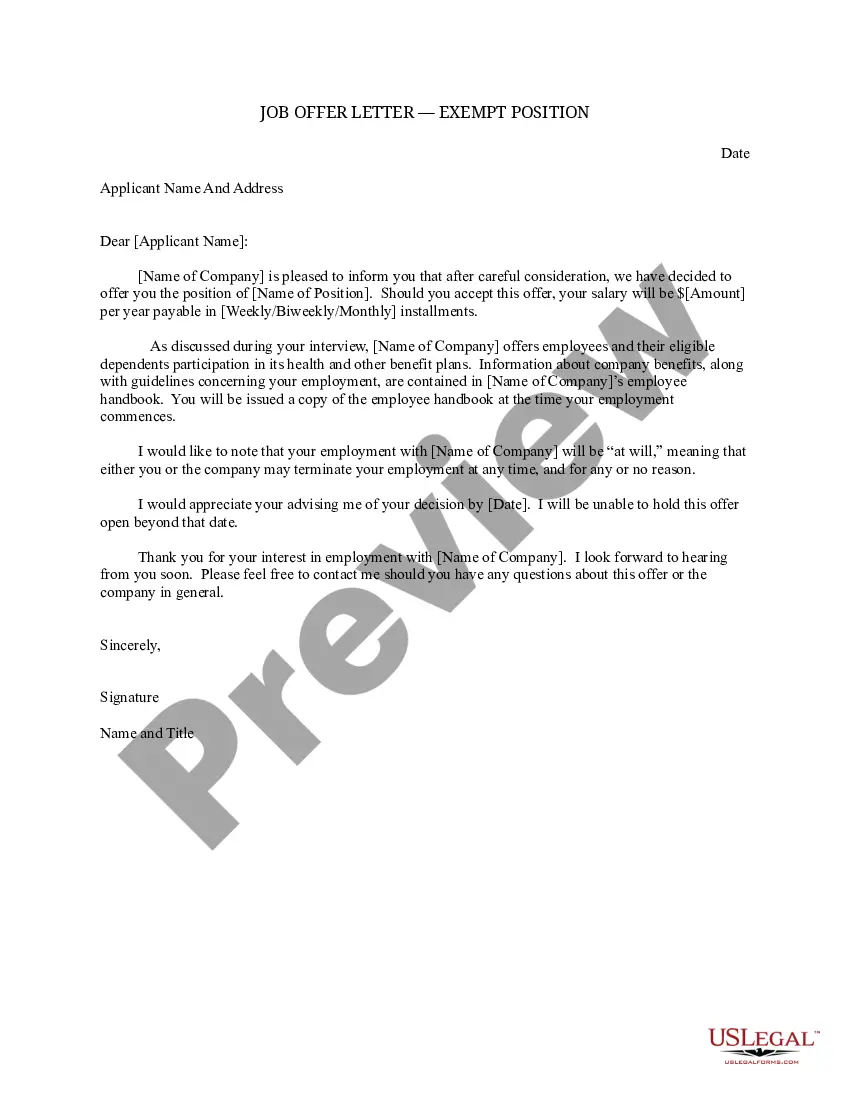

Form popularity
FAQ
A comprehensive guide on how to draft a contract Know your parties. Agree on the terms. Set clear boundaries. Spell out the consequences. Specify how you will resolve disputes. Cover confidentiality. Check the legality of the contract. Open it up to negotiation.
Ing to Boundy (2012), typically, a written contract will include: Date of agreement. Names of parties to the agreement. Preliminary clauses. Defined terms. Main contract clauses. Schedules/appendices and signature provisions (para. 5).
What a best-in-class contract management solution looks like Automated document assembly. AI-powered contract analysis. Process automation and workflow. Document management and search. Electronic signature integration. Intuitive contract collaboration. Contract portfolio reporting to track and visualize KPIs. Integrations.
Contract lifecycle management for each agreement consists of seven high-level stages: Inception: Identifying Contract Requirements and Stakeholders. Contract Negotiation: Drafting and Agreeing on Terms. Execution: Signing and Finalising Agreements. Start-Up: Extracting and Documenting Contract Metadata.
To be legally enforceable, an agreement must contain all of the following criteria: An offer and acceptance; Certainty of terms; Consideration; An intention to create legal relations; Capacity of the parties; and, Legality of purpose.
The common standard term for a management contract is typically between one and five years, but this can vary depending on the specific needs and goals of the parties involved.
How to write a contract agreement in 7 steps. Determine the type of contract required. Confirm the necessary parties. Choose someone to draft the contract. Write the contract with the proper formatting. Review the written contract with a lawyer. Send the contract agreement for review or revisions.
Contract lifecycle management for each agreement consists of seven high-level stages: Inception: Identifying Contract Requirements and Stakeholders. Contract Negotiation: Drafting and Agreeing on Terms. Execution: Signing and Finalising Agreements. Start-Up: Extracting and Documenting Contract Metadata.
Most Commonly: The Finance Team. This is the most common way of handling contract management in small companies. Typically the finance department is responsible for collecting contracts from vendors and customers, making sure that they are filled out correctly, and that they are filed appropriately.
Contract Management Best Practices in Procurement Establish clear contract objectives. Conduct thorough supplier evaluations and selection. Maintain open and transparent communication. Regularly monitor supplier performance against KPIs and SLAs.