Contract Management With Docusign In Travis
Description












Get your form ready online
Our built-in tools help you complete, sign, share, and store your documents in one place.
Make edits, fill in missing information, and update formatting in US Legal Forms—just like you would in MS Word.
Download a copy, print it, send it by email, or mail it via USPS—whatever works best for your next step.
Sign and collect signatures with our SignNow integration. Send to multiple recipients, set reminders, and more. Go Premium to unlock E-Sign.
If this form requires notarization, complete it online through a secure video call—no need to meet a notary in person or wait for an appointment.
We protect your documents and personal data by following strict security and privacy standards.

Make edits, fill in missing information, and update formatting in US Legal Forms—just like you would in MS Word.

Download a copy, print it, send it by email, or mail it via USPS—whatever works best for your next step.

Sign and collect signatures with our SignNow integration. Send to multiple recipients, set reminders, and more. Go Premium to unlock E-Sign.

If this form requires notarization, complete it online through a secure video call—no need to meet a notary in person or wait for an appointment.

We protect your documents and personal data by following strict security and privacy standards.
Looking for another form?



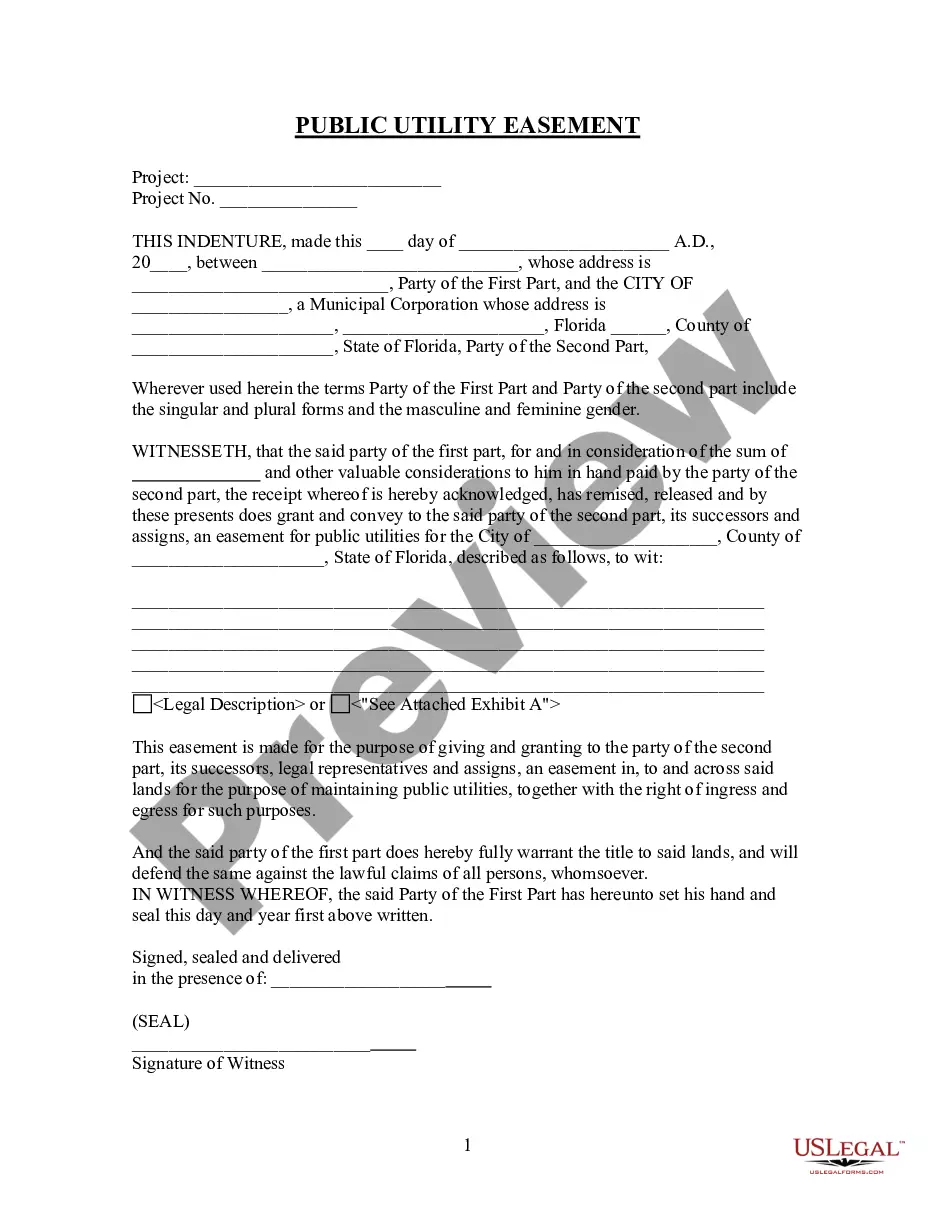



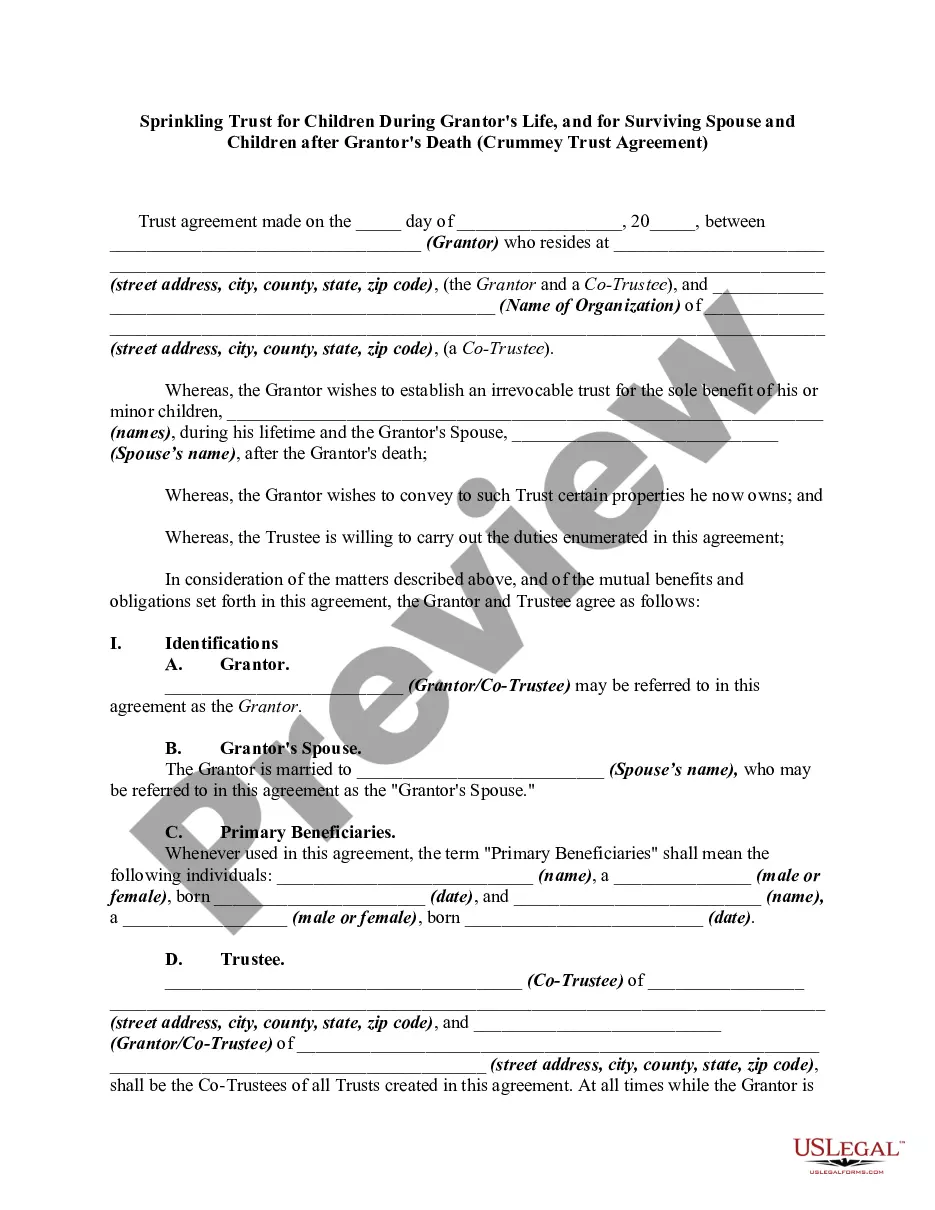

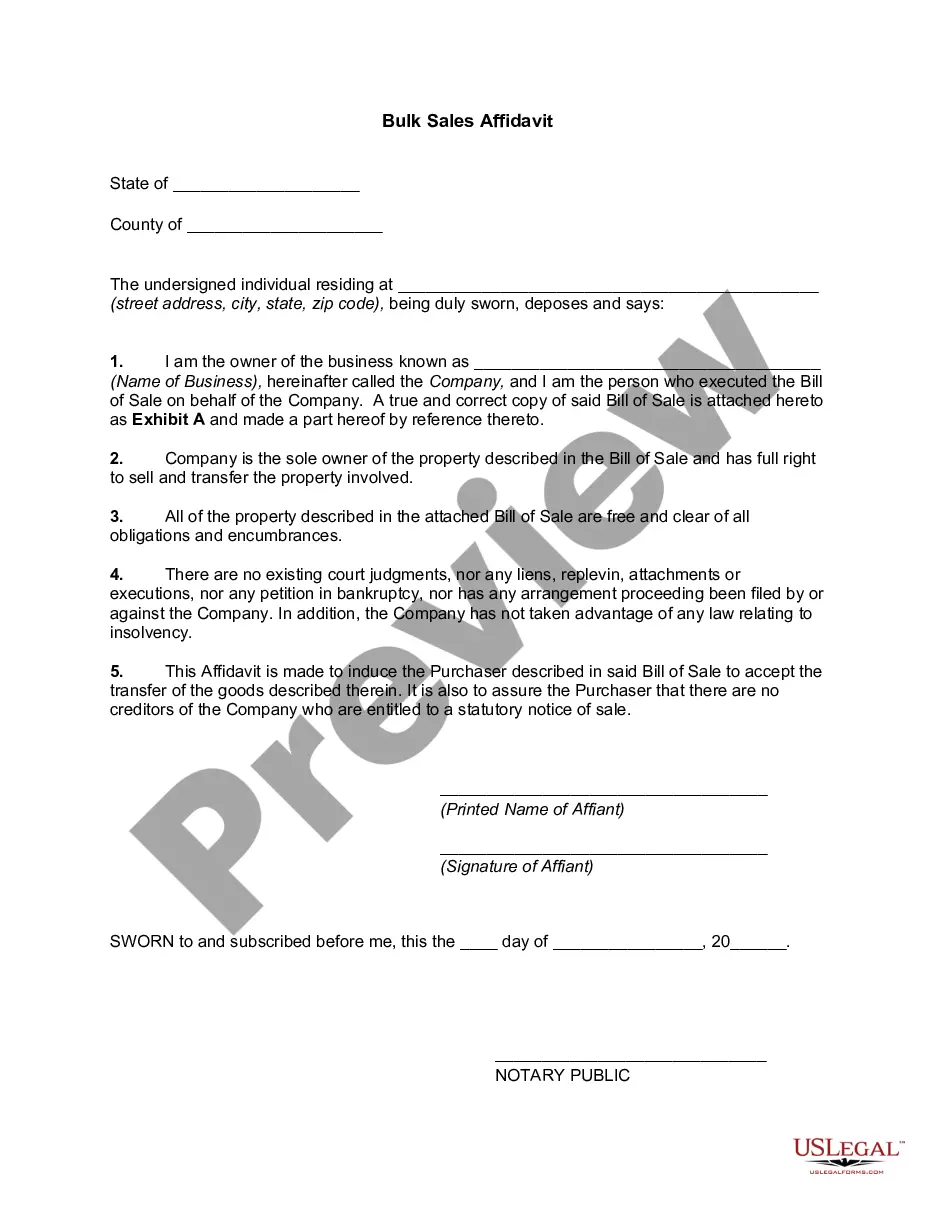
Form popularity
FAQ
Contract Lifecycle Management | .
For financial firms, a client lifecycle management (CLM) approach to customer relationship management (CRM) can enrich both models. Replacing a fragmented approach to data with a holistic, enterprise-wide strategy can improve both data and efficiency.
How to Create a Contract Step 1: Set Up a Account. Step 2: Prepare Your Contract Document. Step 3: Add Recipients and Define Signing Order. Step 4: Add Fields for Recipients to Fill Out. Step 5: Customize the Email Message. Step 6: Send the Contract.
Allows you to sign, send, and manage agreements within a centralized space for all your documentation. It offers a secure, legally binding way to handle paperwork that needs signatures, saving you time on manual tasks. Because it's cloud-based, you can access from anywhere, on any device.
Contract lifecycle management (CLM) refers to the way a business handles contracts through their various stages. An effective CLM solution streamlines and simplifies the contract management process while minimizing errors.
CLM (Contract Lifecycle Management) allows you to streamline the contract lifecycle by automating manual tasks, orchestrating complex workflows and reducing unnecessary risk.
CLM provides a process for keeping track of all your contracts, so you always know their status — from drafting and signatures to approvals and renewals. This visibility helps you stay on top of deadlines and ensures that renewals aren't delayed or missed, so you can close your deals on time and reduce revenue leakage.
Document Management in CLM. Read about document management in CLM. Users with access to a document can perform actions to manage the document. After a document gets uploaded to CLM, users with access to the document can manage the document.
