Contract Management With Example In Pennsylvania
Description

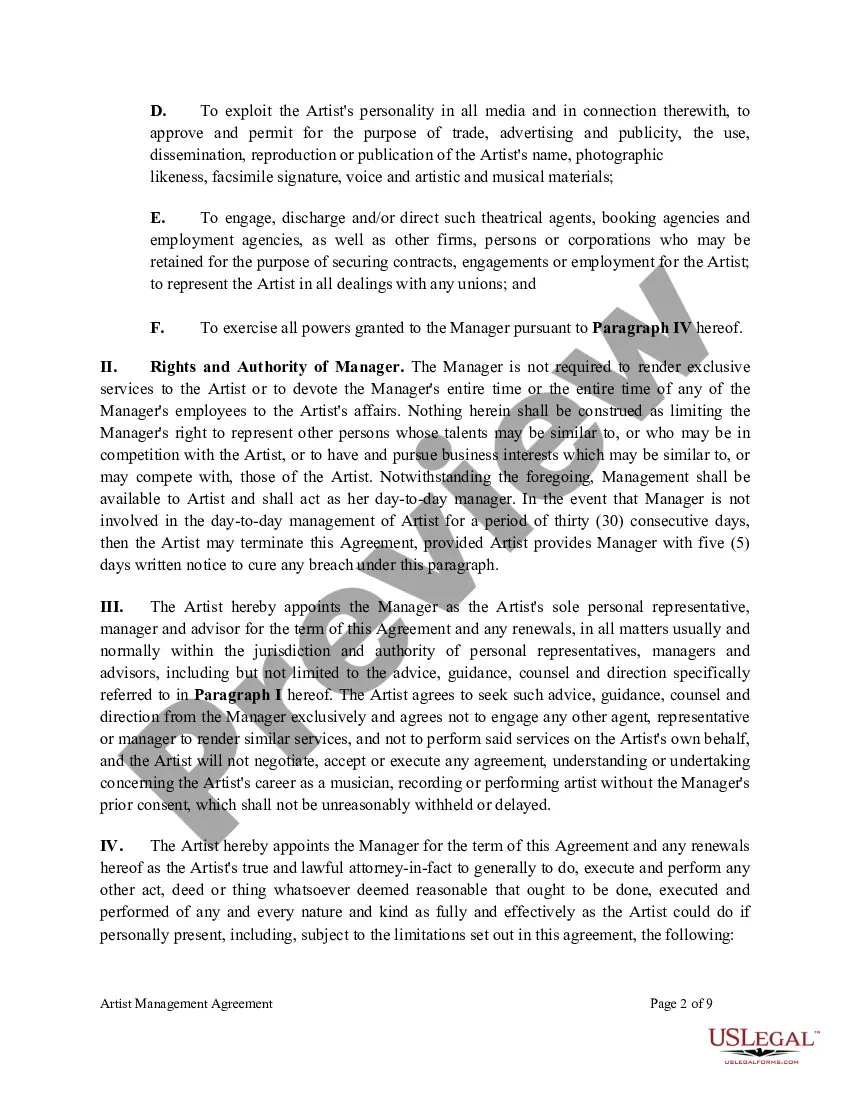
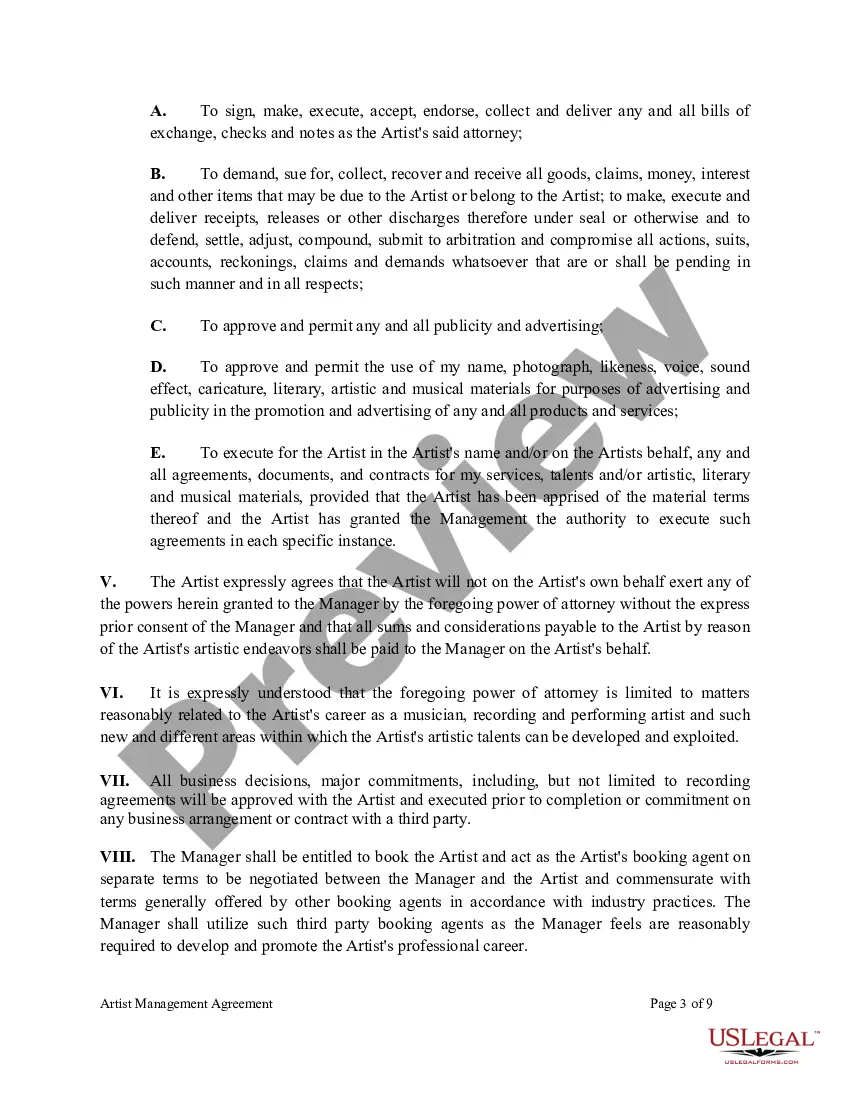
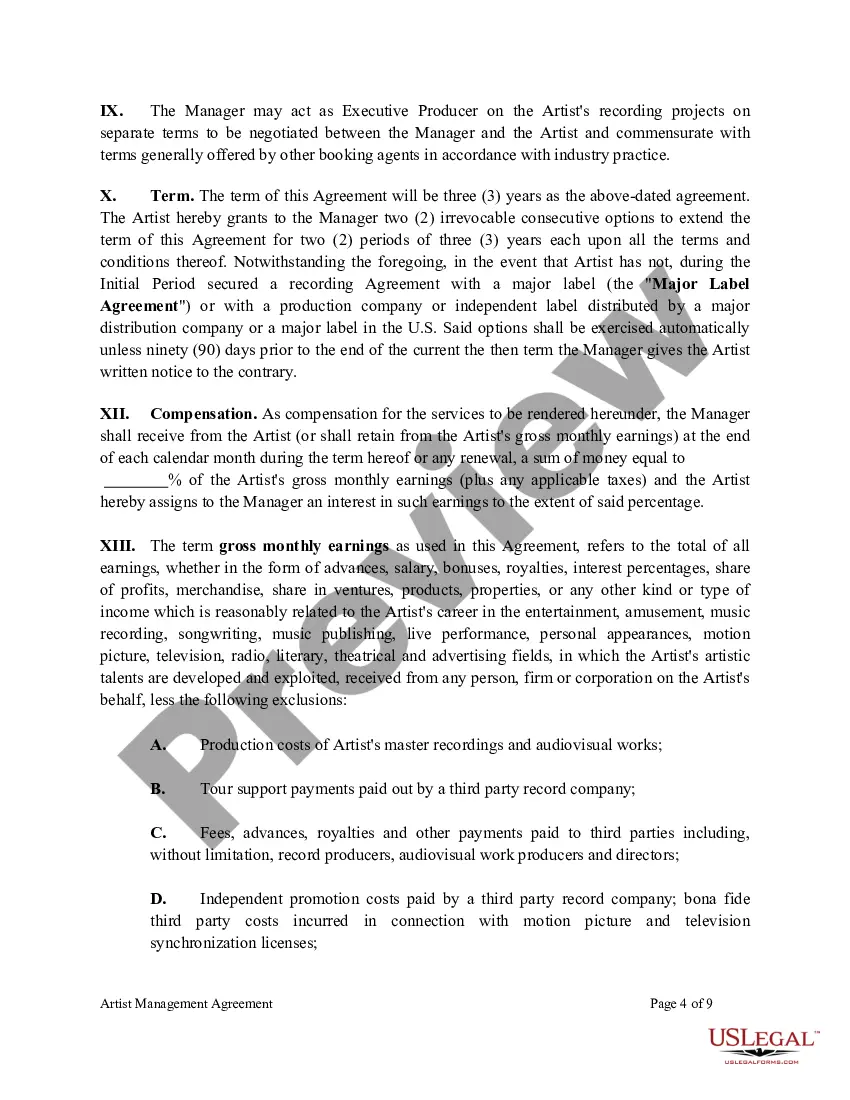
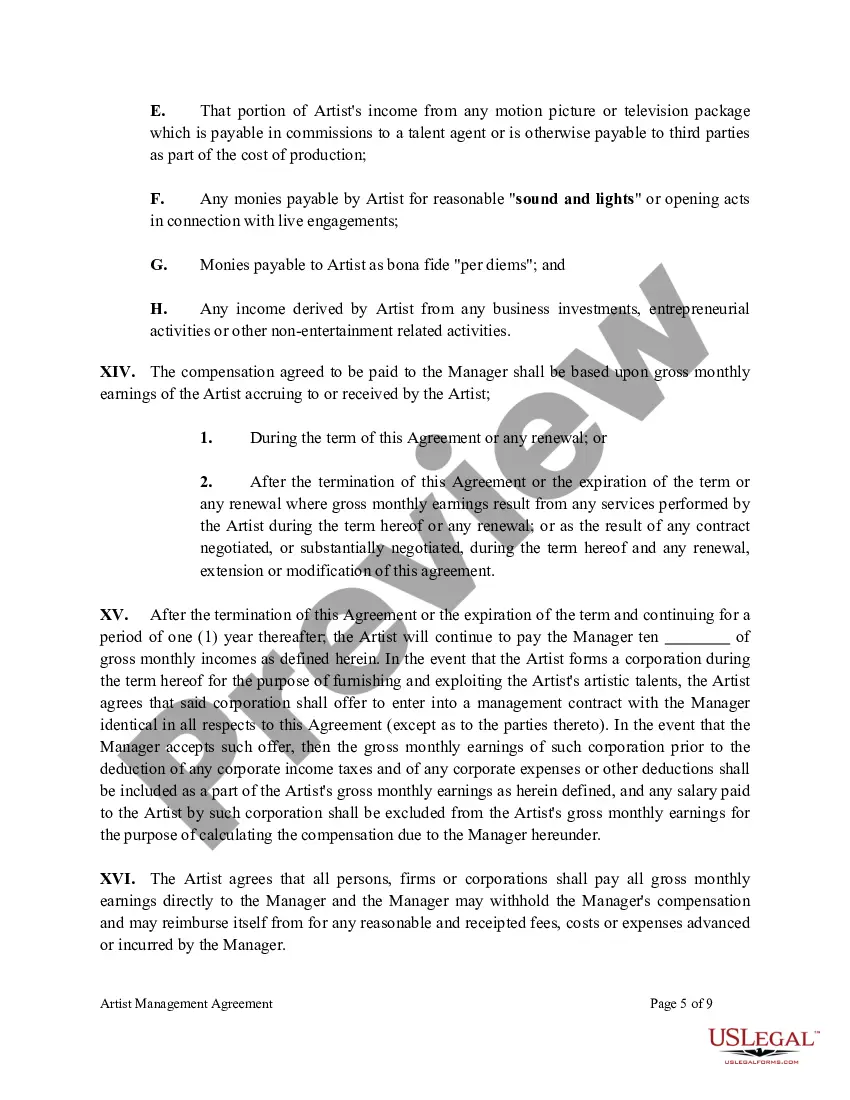
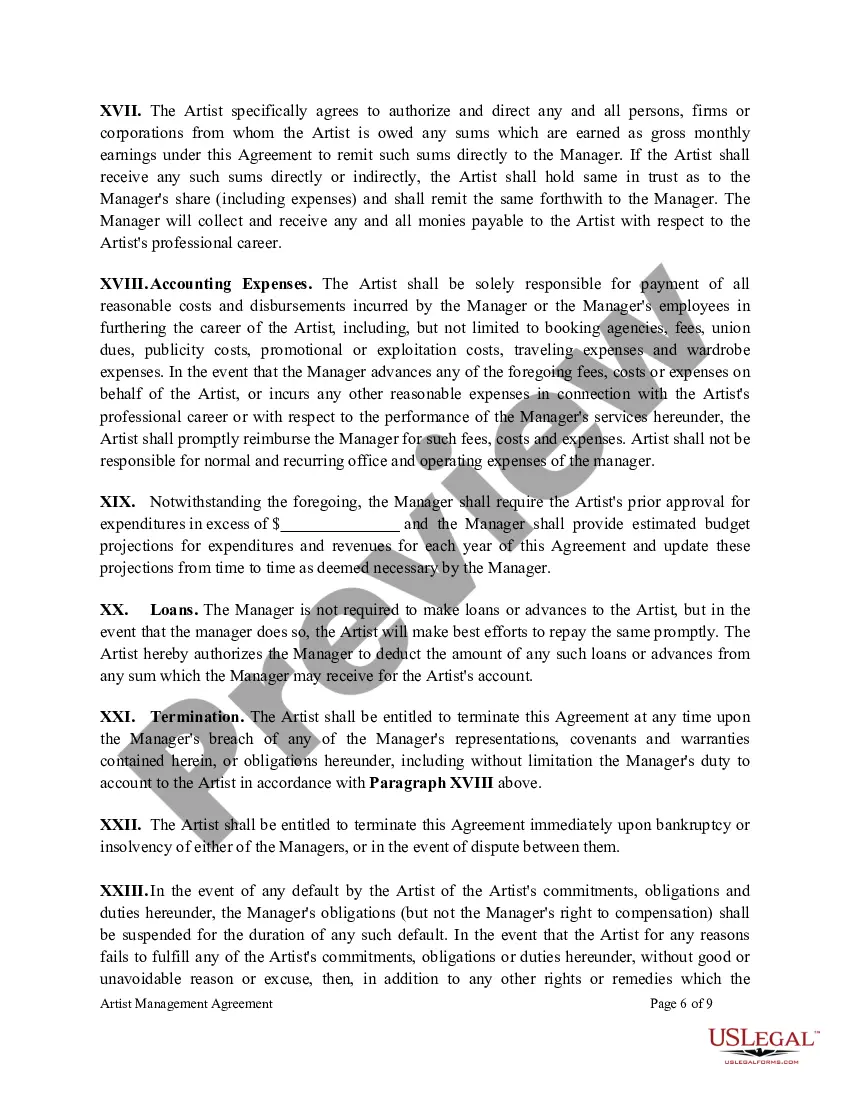
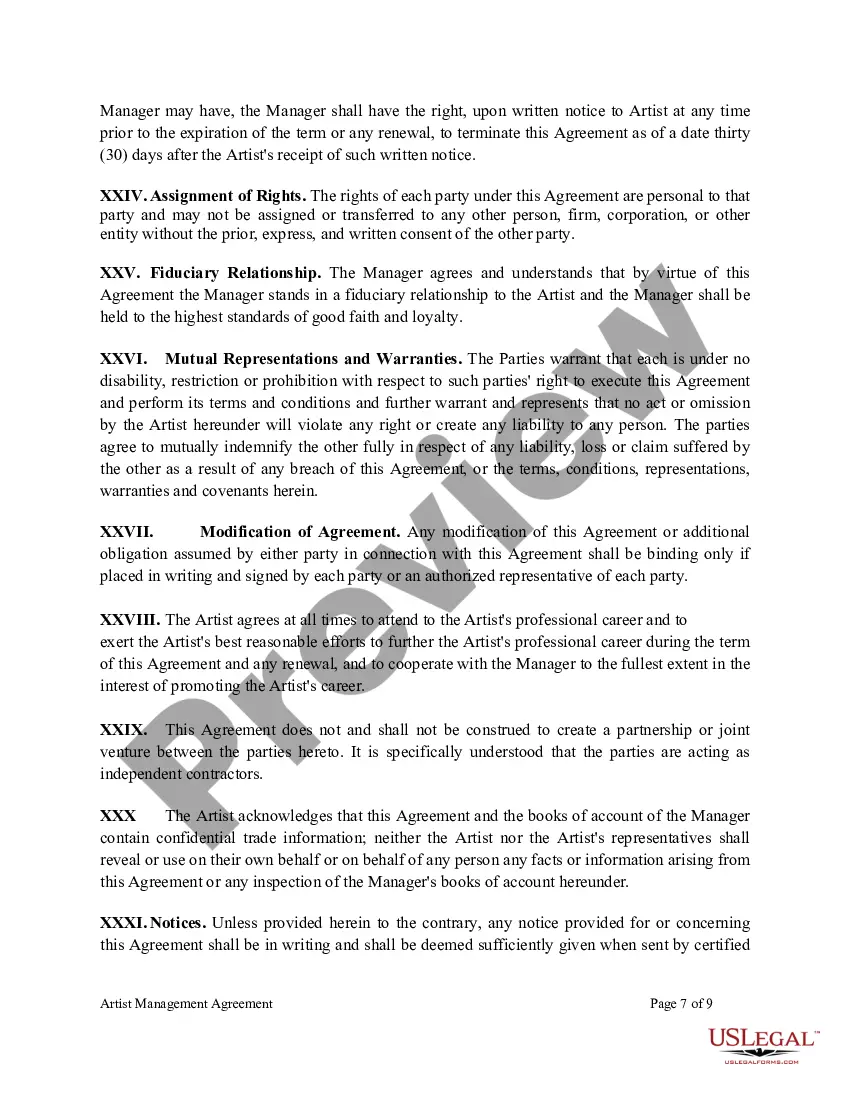
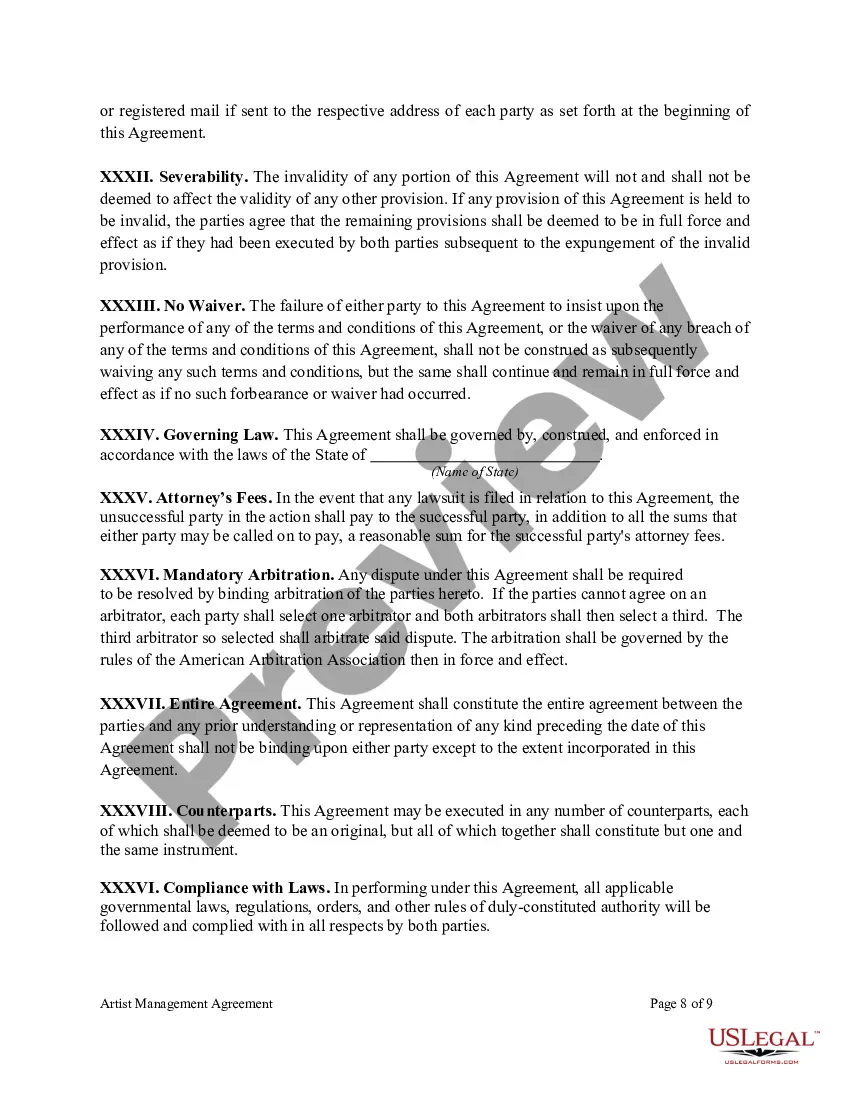
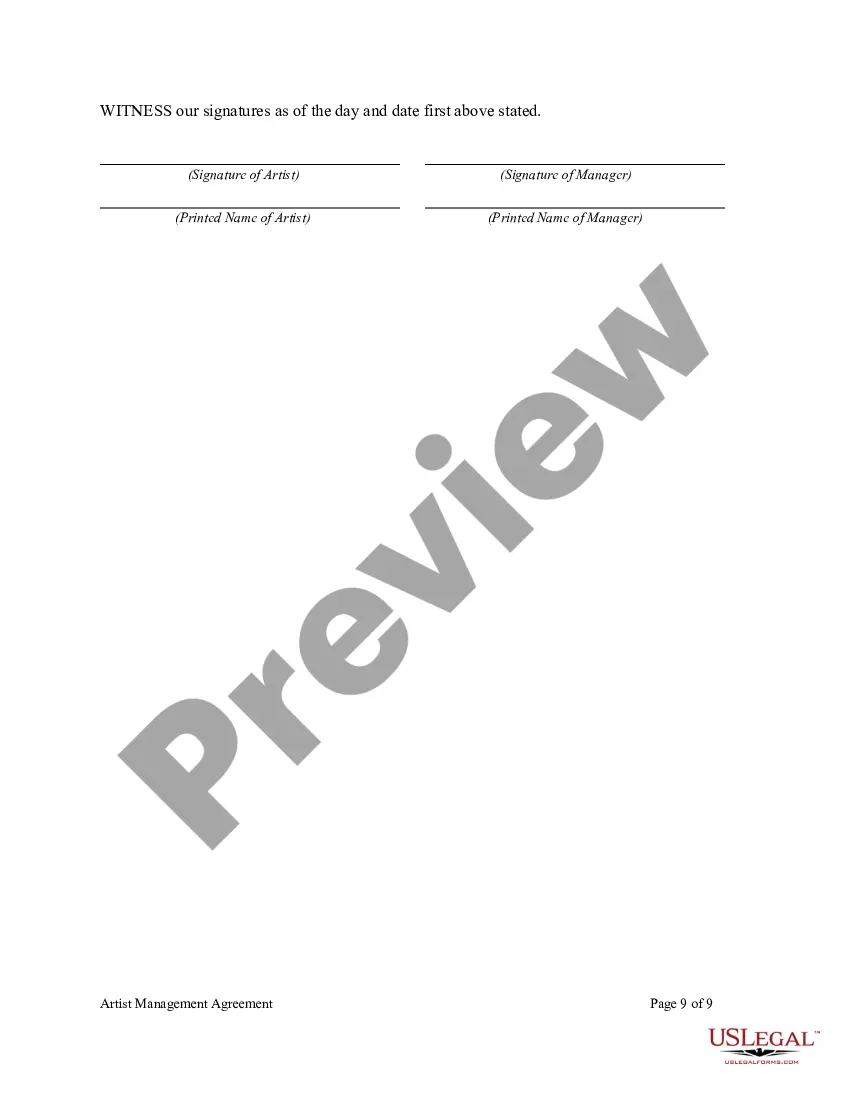
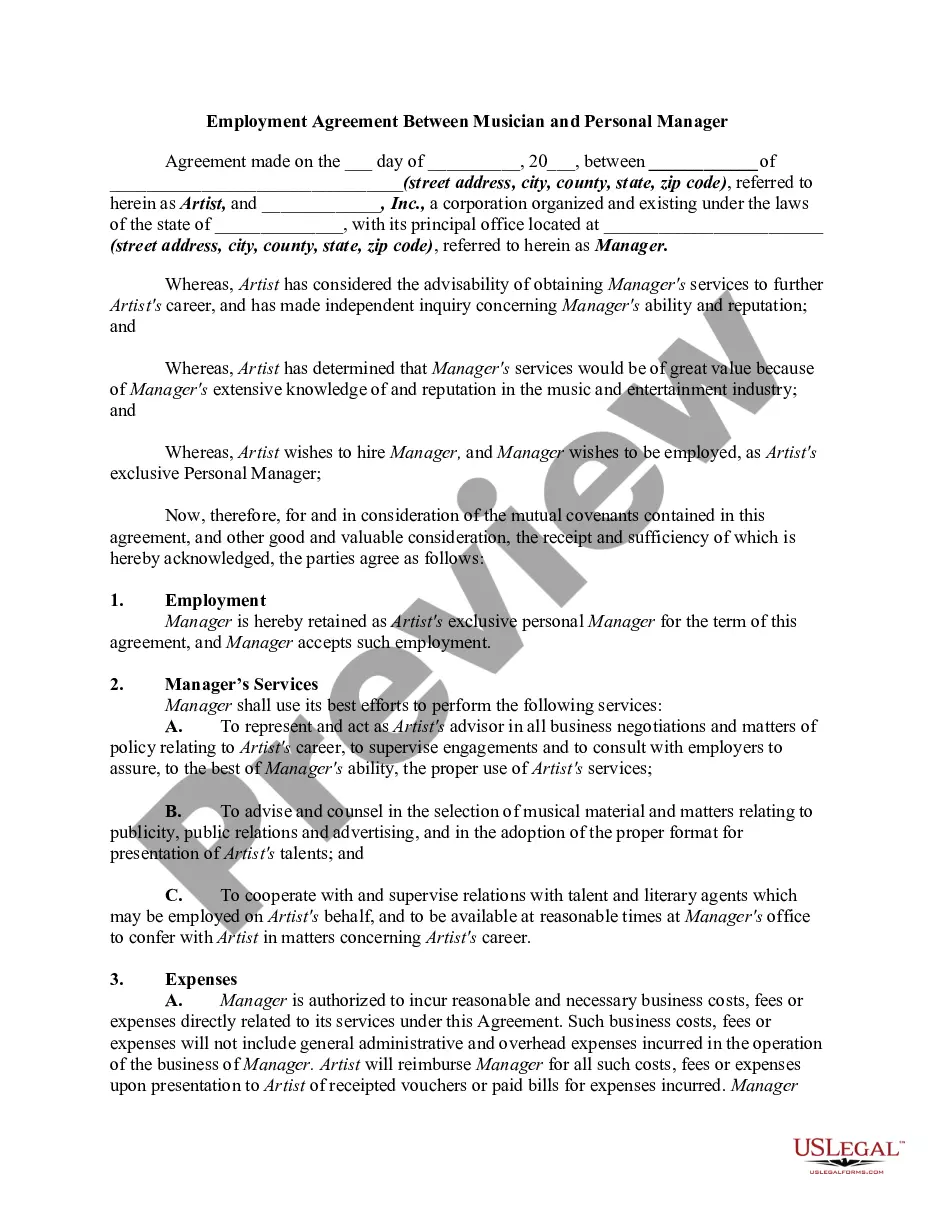
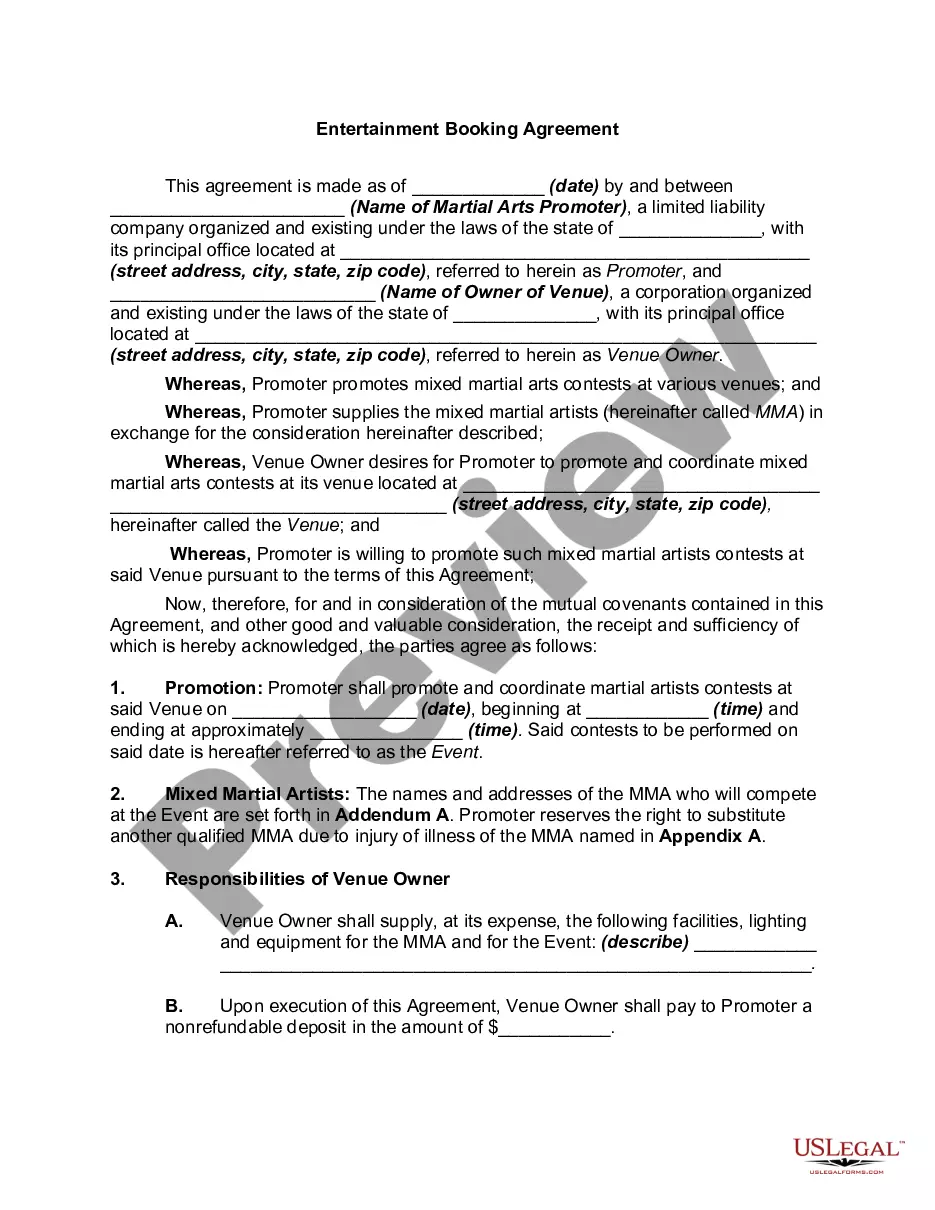
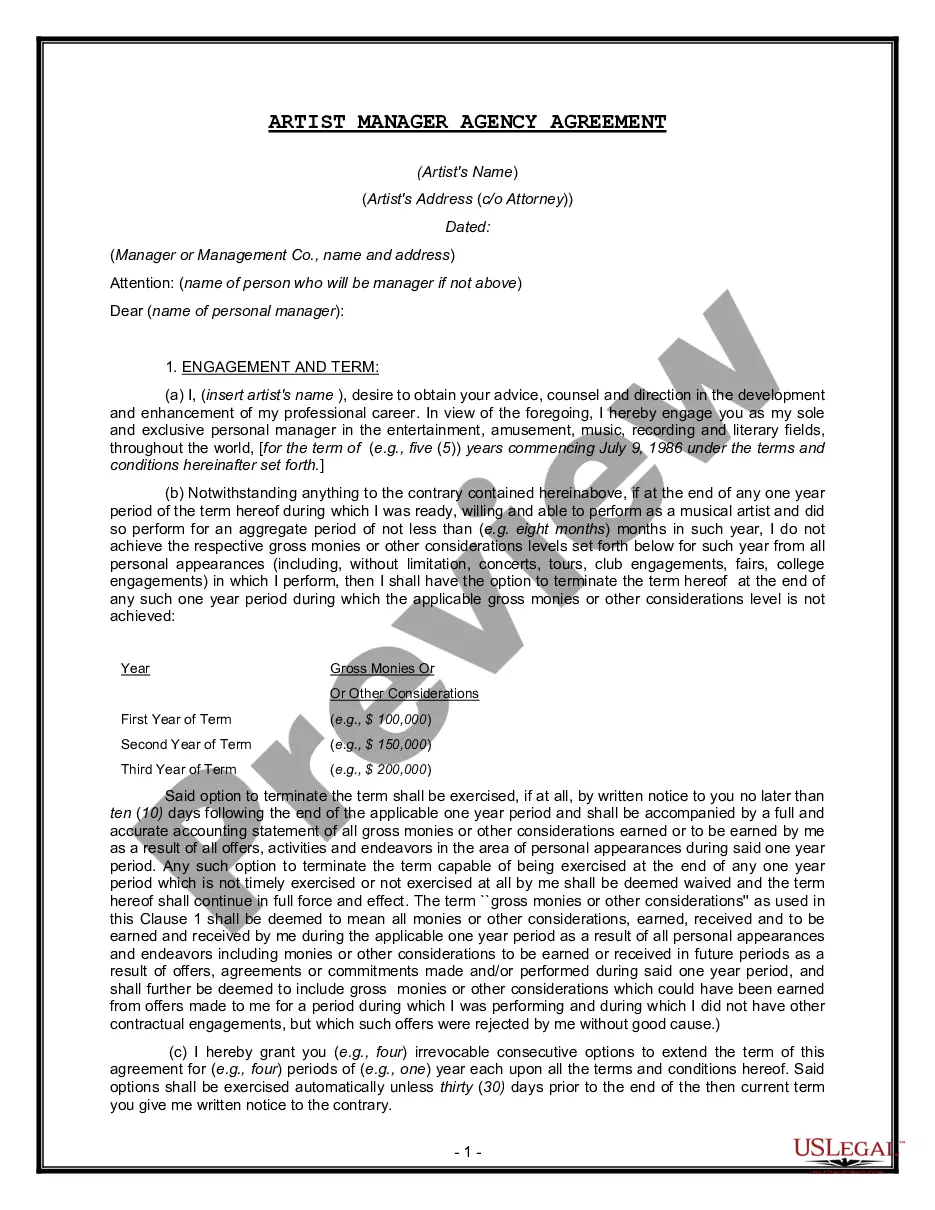
Get your form ready online
Our built-in tools help you complete, sign, share, and store your documents in one place.
Make edits, fill in missing information, and update formatting in US Legal Forms—just like you would in MS Word.
Download a copy, print it, send it by email, or mail it via USPS—whatever works best for your next step.
Sign and collect signatures with our SignNow integration. Send to multiple recipients, set reminders, and more. Go Premium to unlock E-Sign.
If this form requires notarization, complete it online through a secure video call—no need to meet a notary in person or wait for an appointment.
We protect your documents and personal data by following strict security and privacy standards.

Make edits, fill in missing information, and update formatting in US Legal Forms—just like you would in MS Word.

Download a copy, print it, send it by email, or mail it via USPS—whatever works best for your next step.

Sign and collect signatures with our SignNow integration. Send to multiple recipients, set reminders, and more. Go Premium to unlock E-Sign.

If this form requires notarization, complete it online through a secure video call—no need to meet a notary in person or wait for an appointment.

We protect your documents and personal data by following strict security and privacy standards.
Looking for another form?






Form popularity
FAQ
A successful contract management process involves several key components, including contract creation, negotiation, execution, tracking, and analysis. Contract creation involves drafting clear, concise, and comprehensive contracts that accurately reflect the terms and conditions agreed upon by all parties.
It is also commonly referred to as Contract Lifecycle Management (CLM). Examples of contract lifecycle management processes include generating contract terms, redlining, approval of any modifications to the contract terms, and e-signature capabilities.
Most Important Skills Required to Be a Contracts Analyst as Listed by Employers and Employees Skills Listed by EmployeesShare Analysis 9.97% Drafting 9.40% Collaboration 9.40% Accuracy 9.40%6 more rows
How to implement contract management activities Step 1: Transition activities, if any. Step 2: Review the draft contract management plan. Step 3: Review the contract's budget. Step 4: Resources to support contract management. Step 5: Finalise and implement the contract management plan.
Exploring the key stages of the contract management lifecycle Stage 1: Contract Initiation. Stage 2: Contract Creation and Negotiation. Stage 3: Contract Approval. Stage 4: Contract Execution. Stage 5: Contract Monitoring and Management. Stage 6: Contract Renewal or Termination.
All contract manager positions require candidates to have at least a bachelor's degree. There's no degree specifically for contract management, but having a degree in business, pre-law, or human resources may be a good way of preparing for this career path.
How to become a contract manager Get some GCSEs and A-levels. Most of the routes to becoming a contract manager are going to require some GCSEs or A-levels. Complete a university degree. Find an apprenticeship (optional) ... Apply for contract manager work.
How to draft a contract between two parties: A step-by-step checklist Know your parties. Agree on the terms. Set clear boundaries. Spell out the consequences. Specify how you will resolve disputes. Cover confidentiality. Check the legality of the contract. Open it up to negotiation.
To understand that, you need to know about the 5 essential elements of a valid contract: offer, acceptance, consideration, mutual intent, capacity and legality. Understanding these 5 fundamental elements of a contract can help you protect your interests and avoid potential legal disputes.
