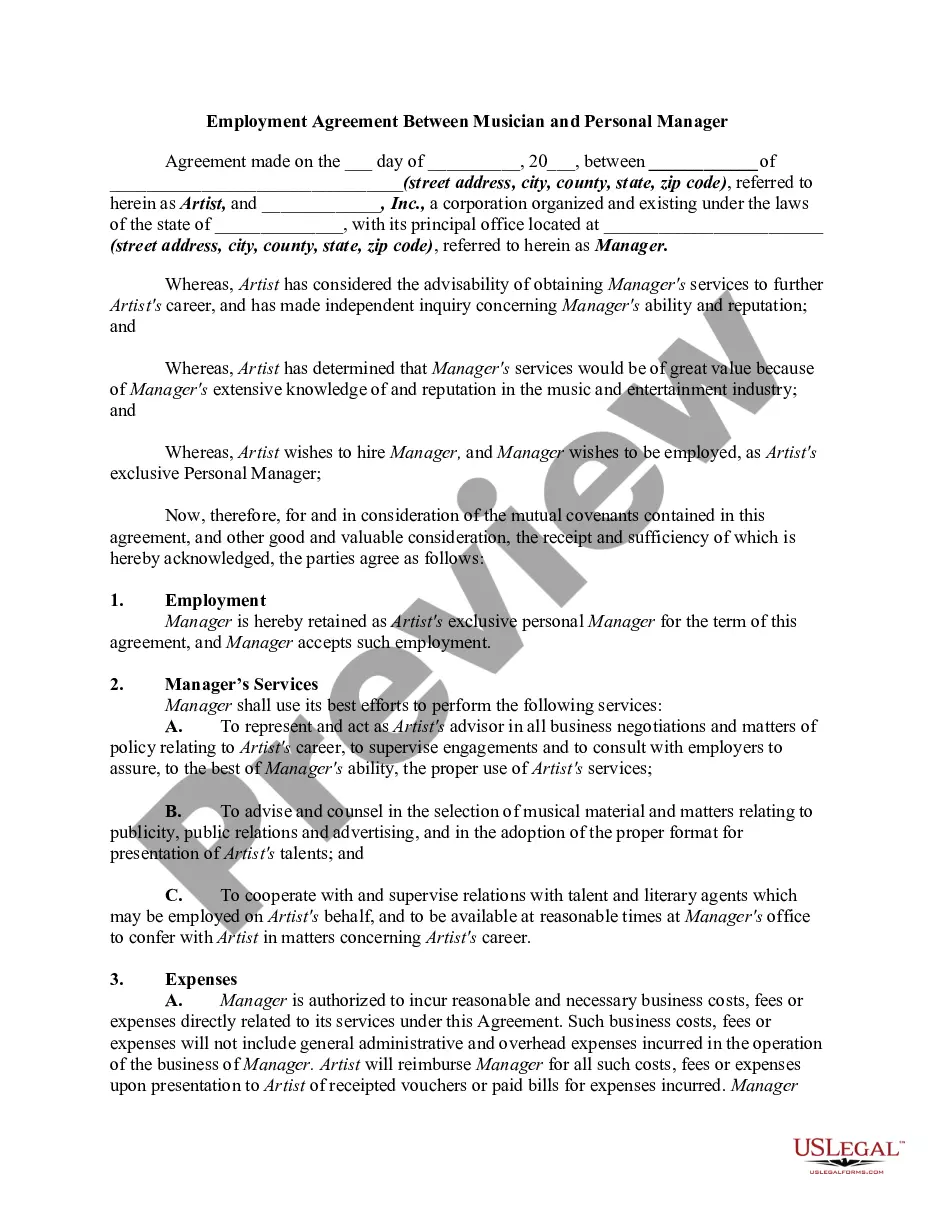
Talent Management Contract For The Twenty-first Century In Palm Beach
Description











Get your form ready online
Our built-in tools help you complete, sign, share, and store your documents in one place.
Make edits, fill in missing information, and update formatting in US Legal Forms—just like you would in MS Word.
Download a copy, print it, send it by email, or mail it via USPS—whatever works best for your next step.
Sign and collect signatures with our SignNow integration. Send to multiple recipients, set reminders, and more. Go Premium to unlock E-Sign.
If this form requires notarization, complete it online through a secure video call—no need to meet a notary in person or wait for an appointment.
We protect your documents and personal data by following strict security and privacy standards.

Make edits, fill in missing information, and update formatting in US Legal Forms—just like you would in MS Word.

Download a copy, print it, send it by email, or mail it via USPS—whatever works best for your next step.

Sign and collect signatures with our SignNow integration. Send to multiple recipients, set reminders, and more. Go Premium to unlock E-Sign.

If this form requires notarization, complete it online through a secure video call—no need to meet a notary in person or wait for an appointment.

We protect your documents and personal data by following strict security and privacy standards.
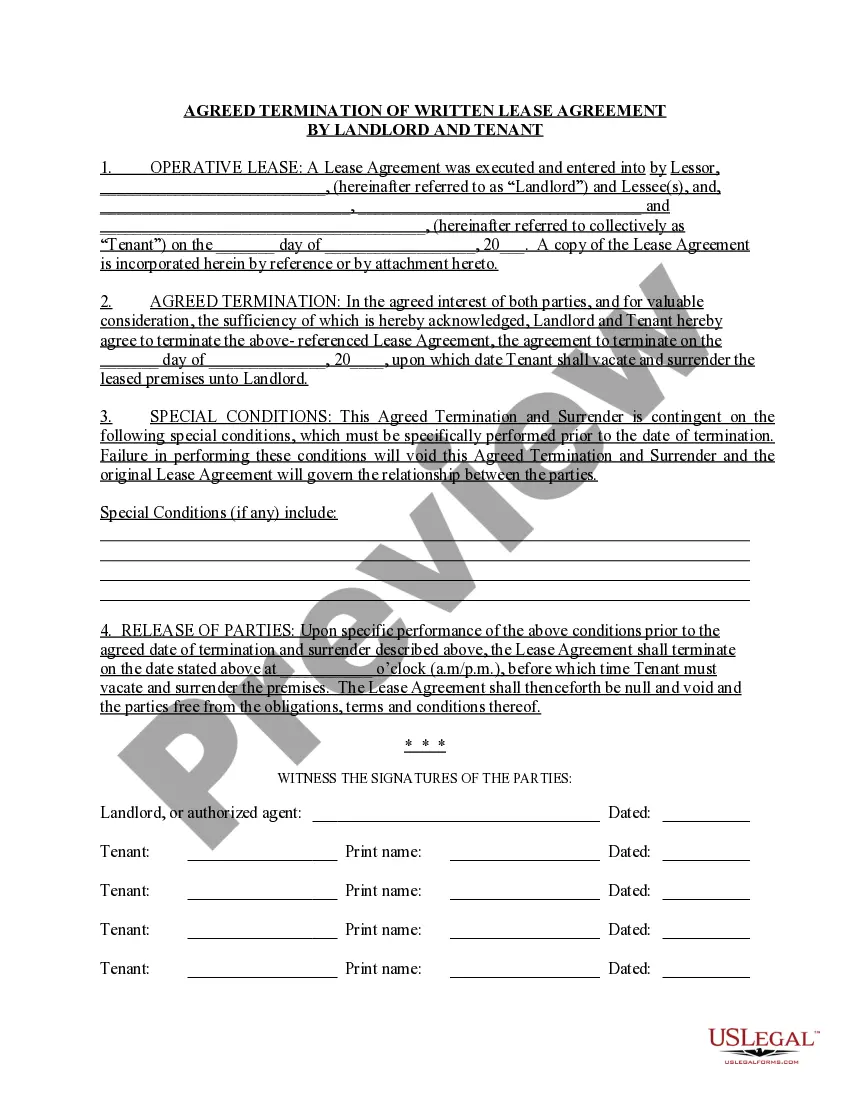
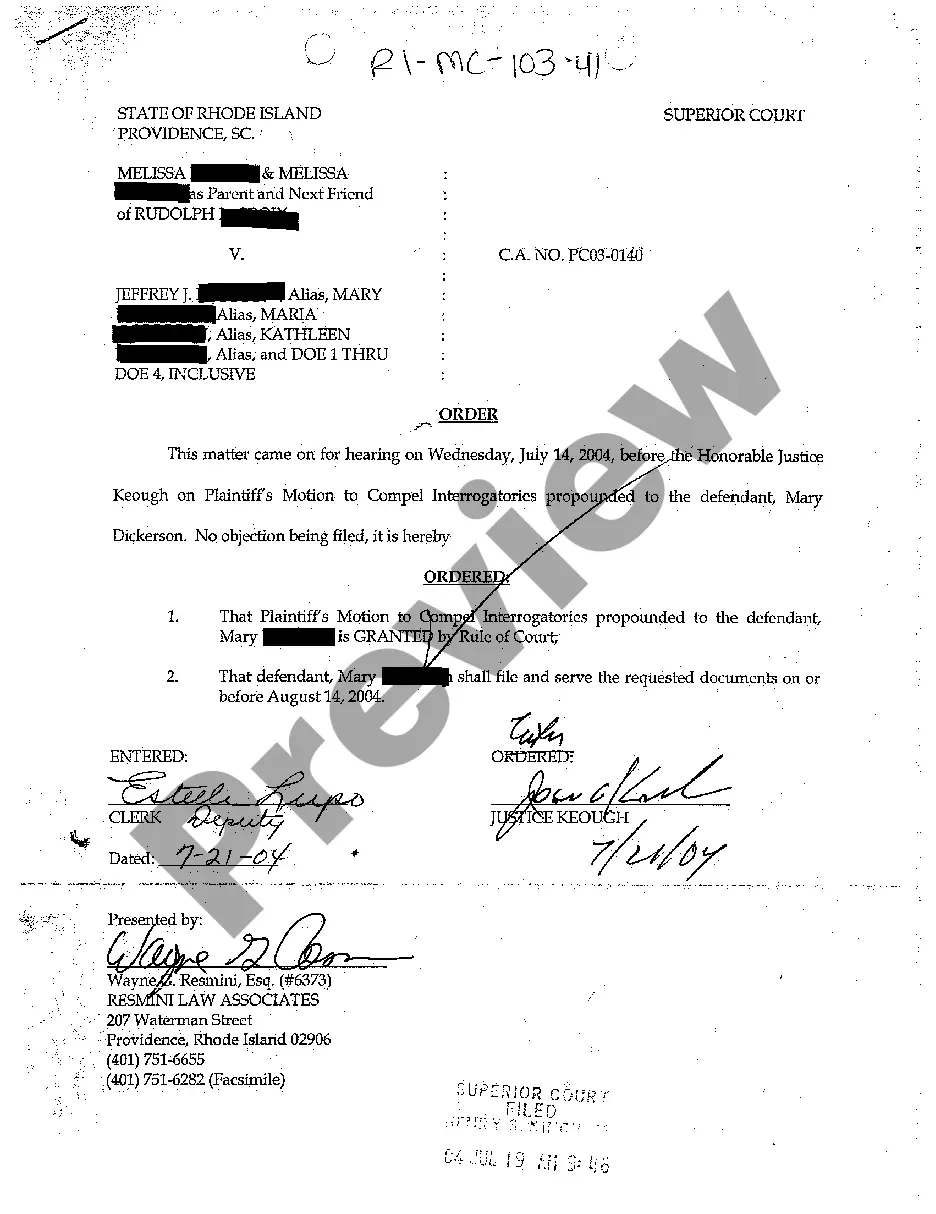
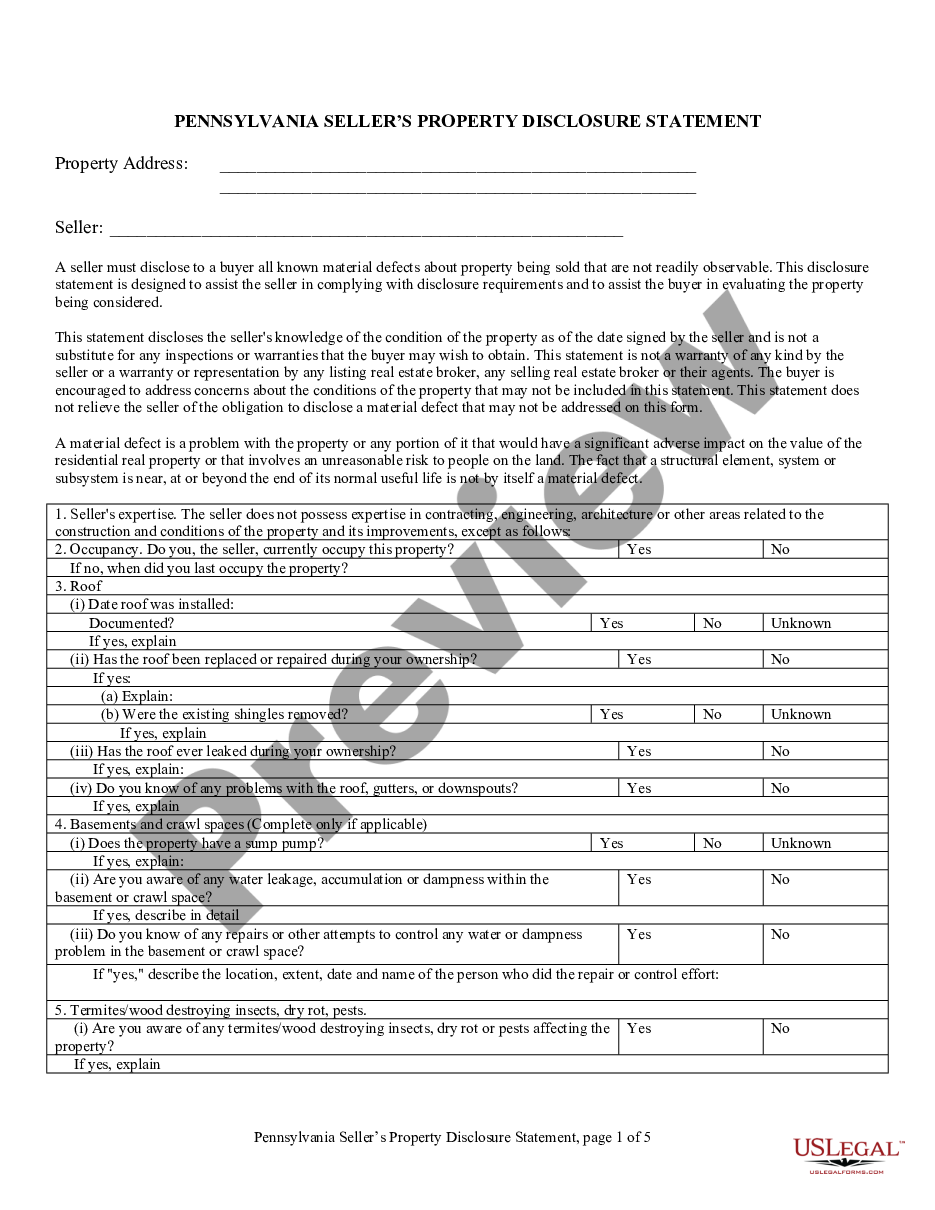
Looking for another form?







Form popularity
FAQ
These core functions are workforce planning, acquisition, development, employment, and retention.
The future of talent management is a blend of advanced technologies, agile processes, and a deep commitment to inclusivity, well-being, and continuous growth. In this new era, organizations that recognize their greatest asset is the collective potential of their workforce will thrive.
A typical talent management framework may include the following areas: Talent strategy and planning. Talent acquisition. Employee performance management. Training and development. Succession planning and identifying. Total rewards.
The talent management process usually includes the following steps: Planning. Attracting talent. Selecting. Developing. Retaining. Transitioning.
Here are the nine key elements of a talent management system. Recruitment and selection. Onboarding. Performance management. Learning and career development. Succession planning. Career pathing. Employee engagement. Retention strategies.
Talent management includes all the ways that organizations bring employees on board, keep them happy and productive, and help them continue to develop their skills over time.
Management agreements usually have a term between one and five years. The agreement can also provide for automatic renewals or extensions of the initial term. With agency contracts, the duration of most initial agreements is between one and three years.
How To Become A Talent Manager? Complete your education. Gain relevant experience in the entertainment industry. Build industry connections. Determine your area of expertise. Create a portfolio. Join a professional association. Create your resume.
It really depends on the agent. Plenty of agents will sign someone with no experience but all they have to offer are commercials and background work.
Here are some potential next steps: Get headshots. A headshot is a professional photo of you, taken from the shoulders up. Create an acting resume. Consider making a demo reel. Make a list of acting agencies. Start submitting your materials. Interview and audition for prospective agents. Foster a good relationship.
