Talent Management Contract Forbes In Oakland
Description

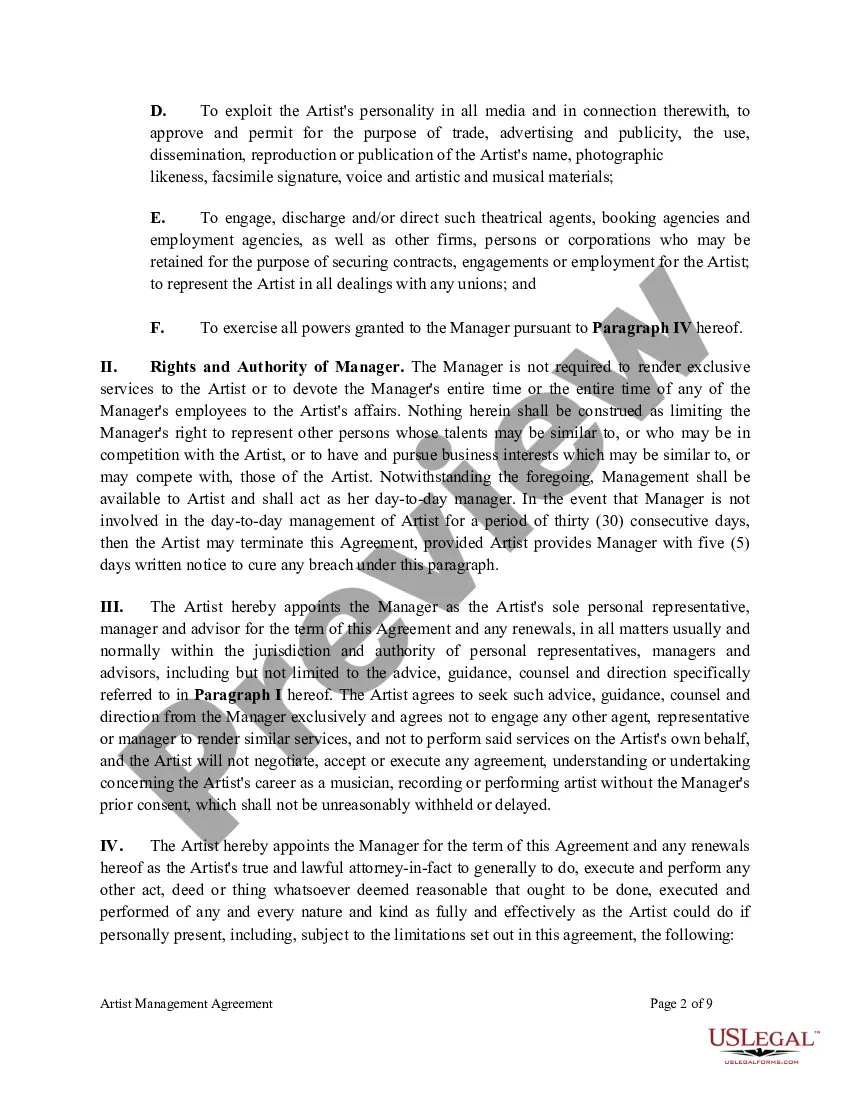
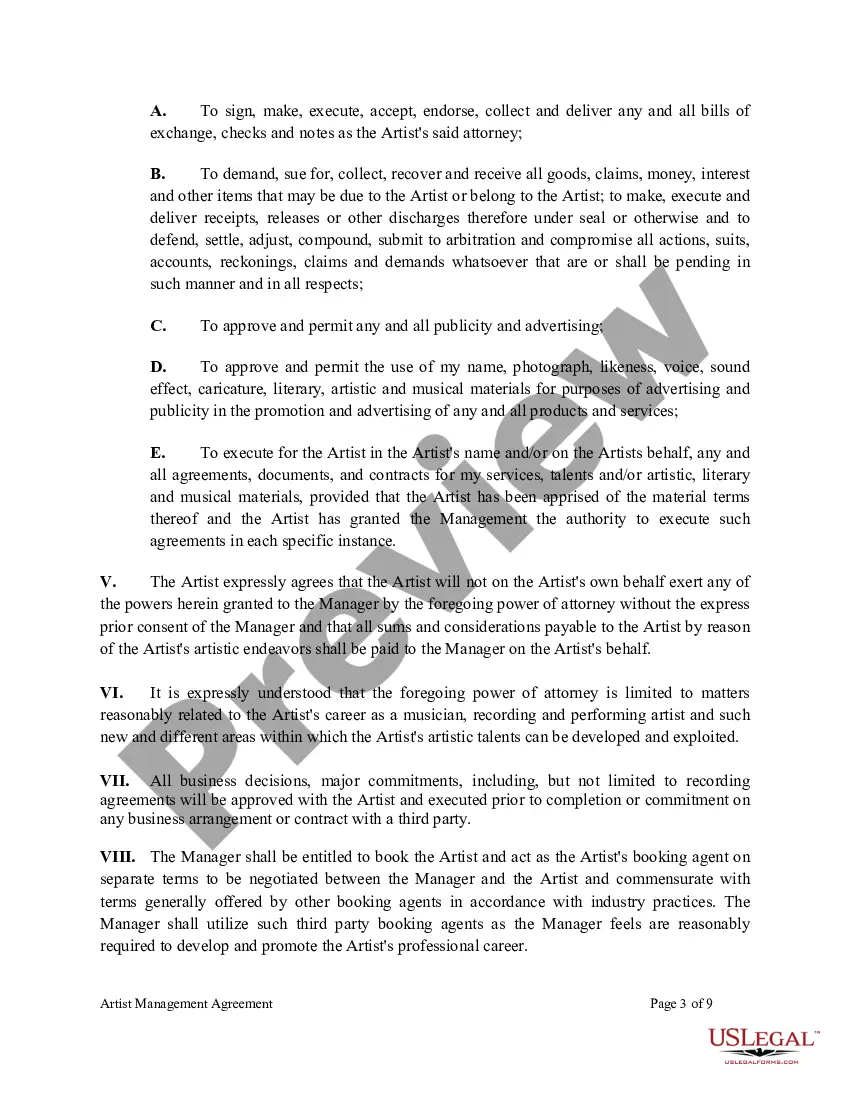
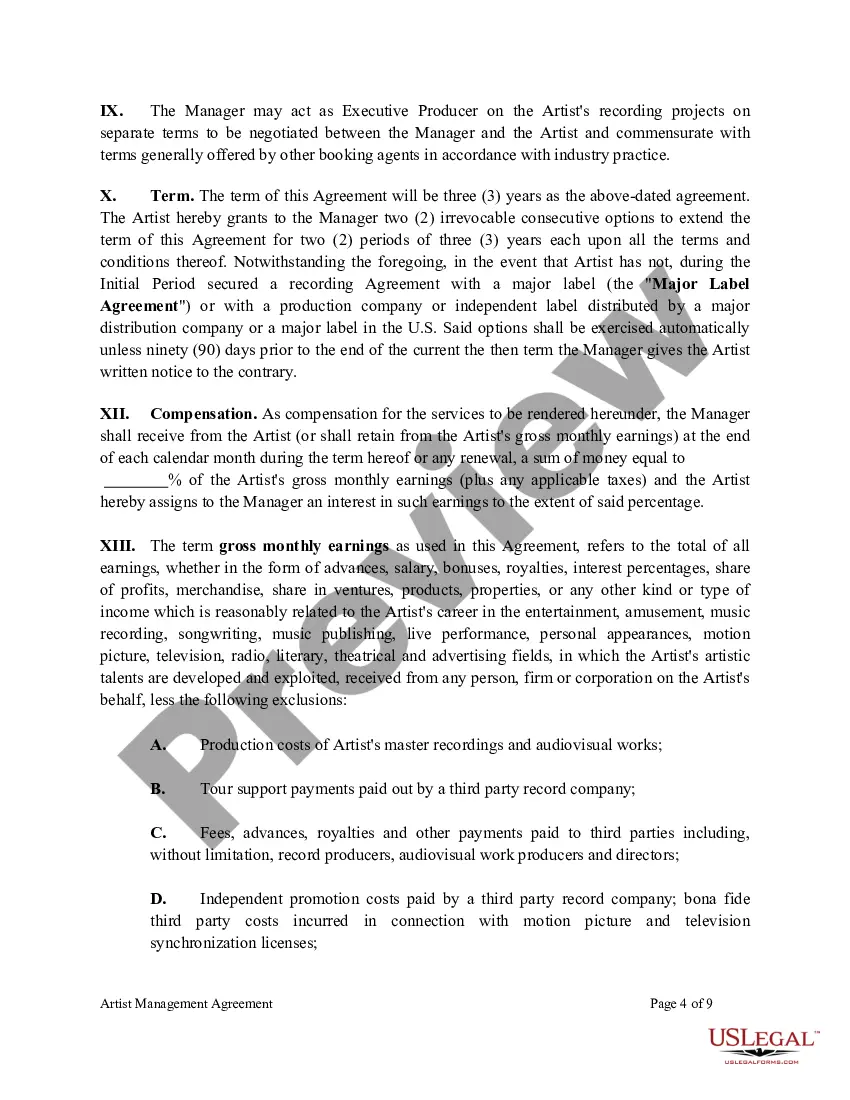
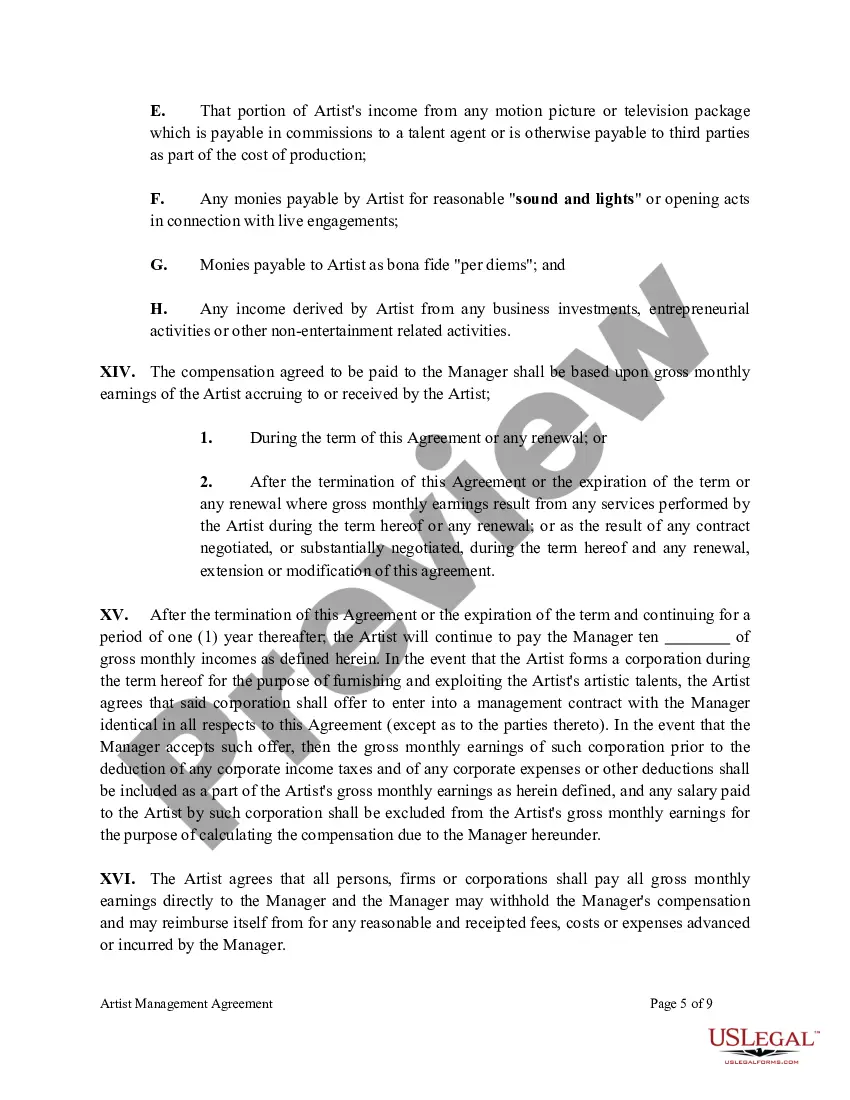
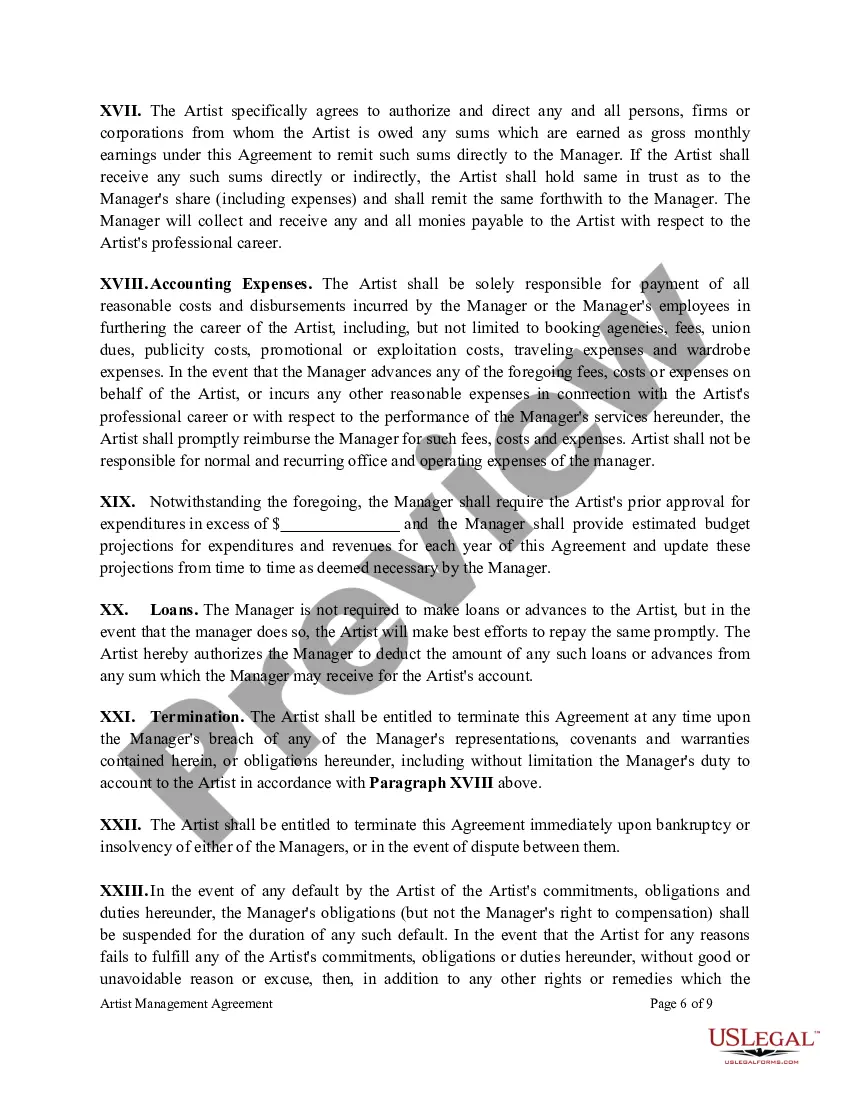
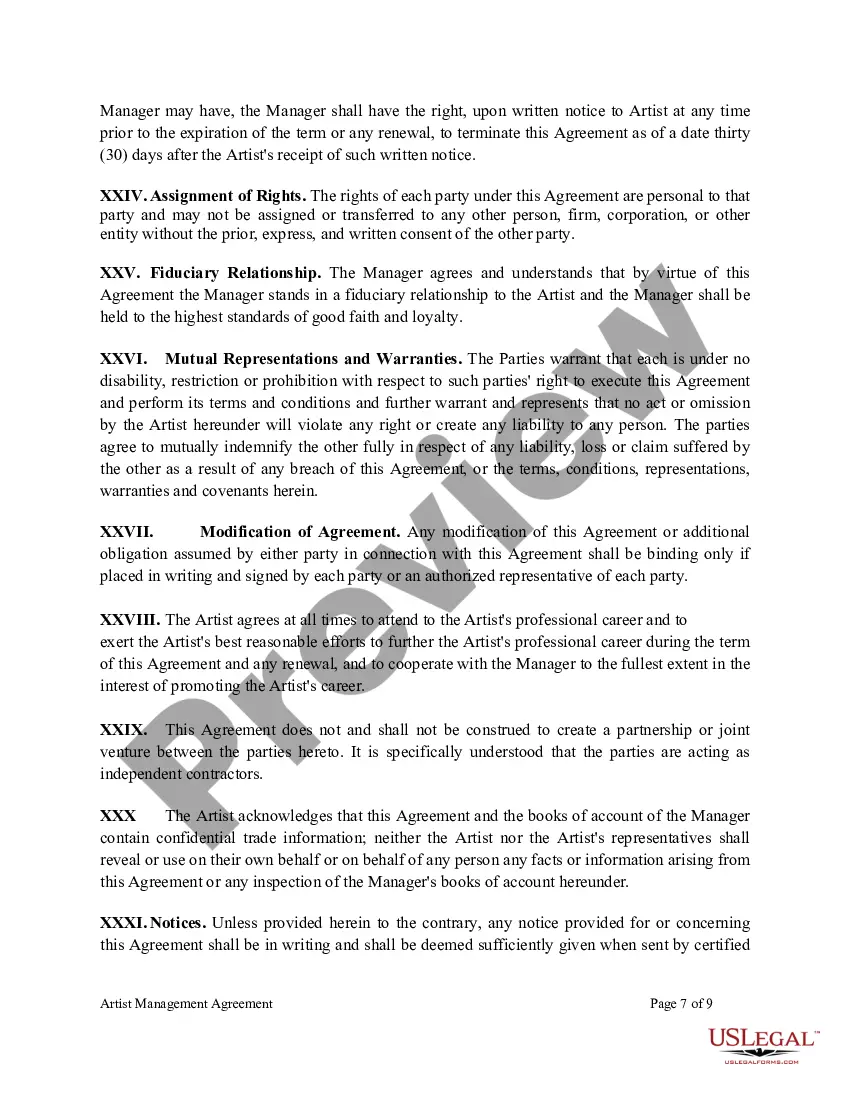
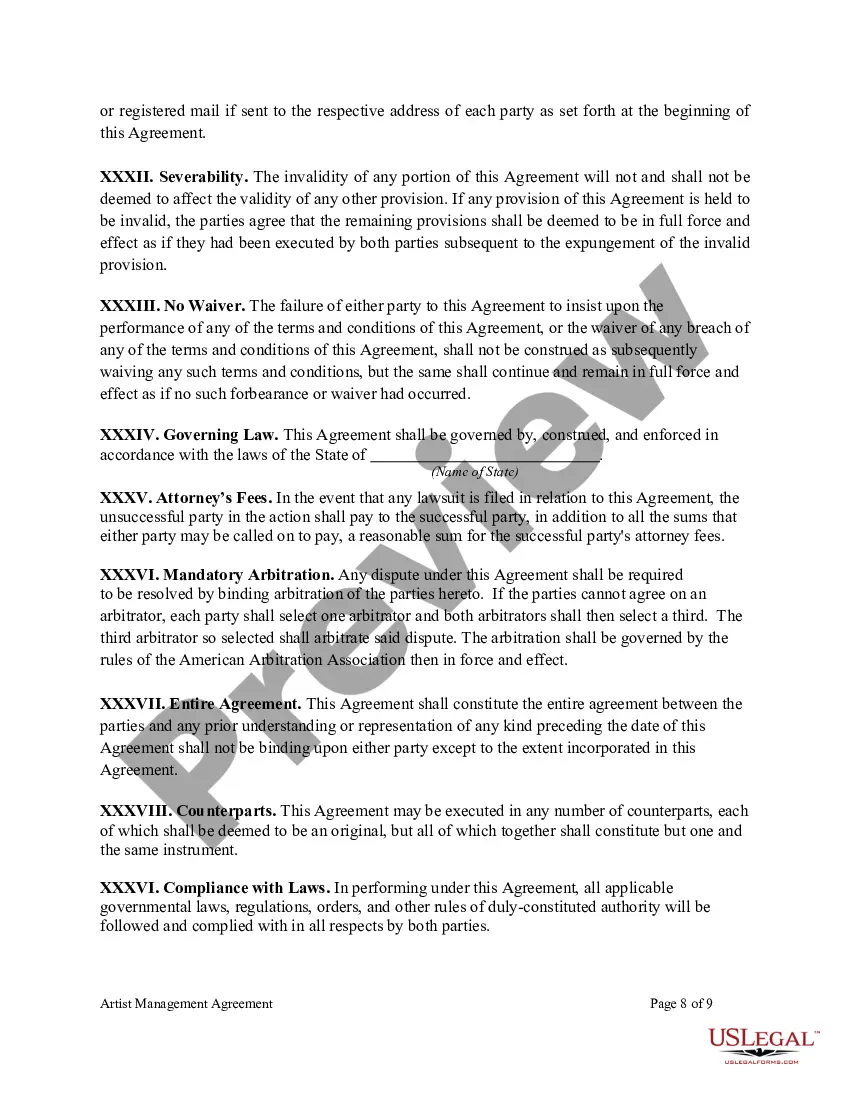

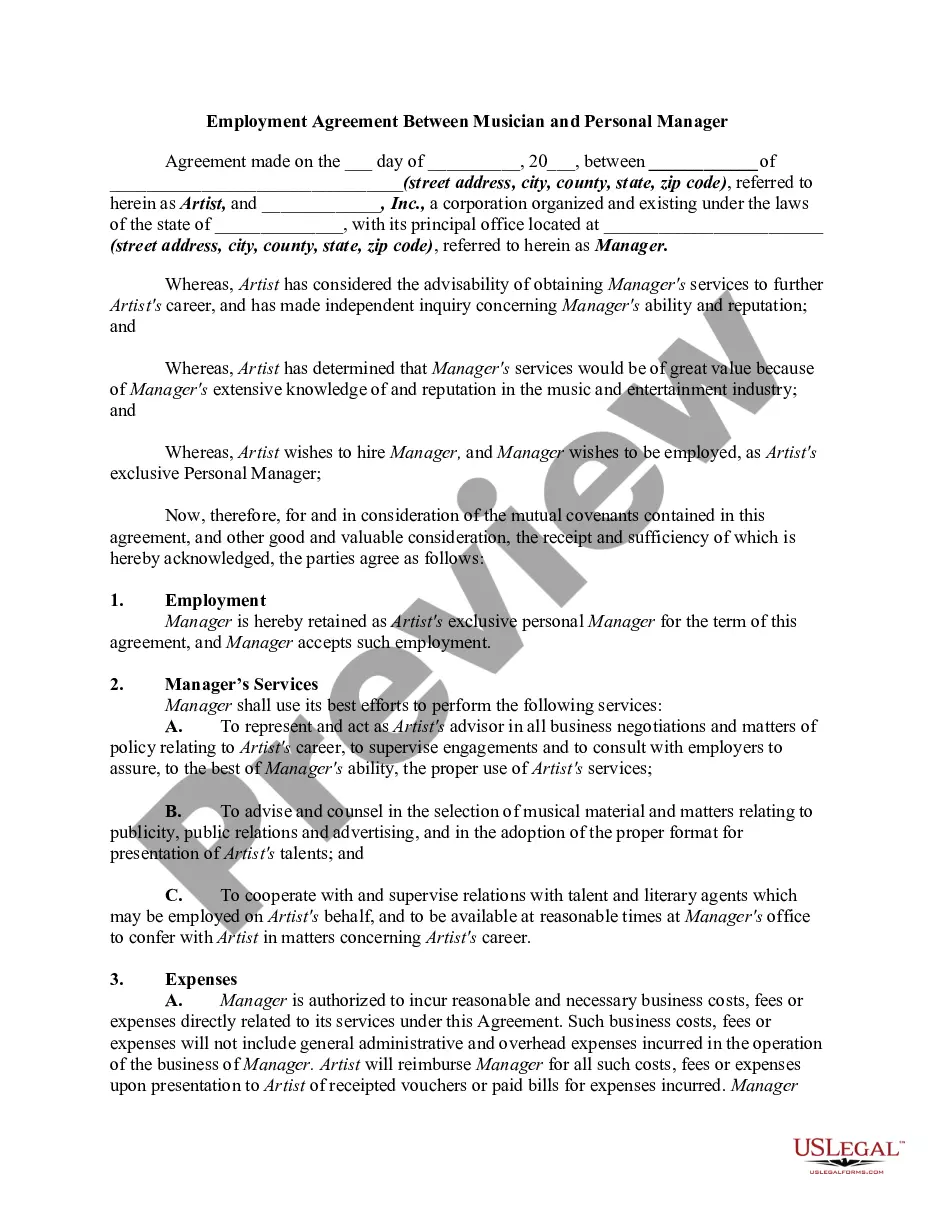
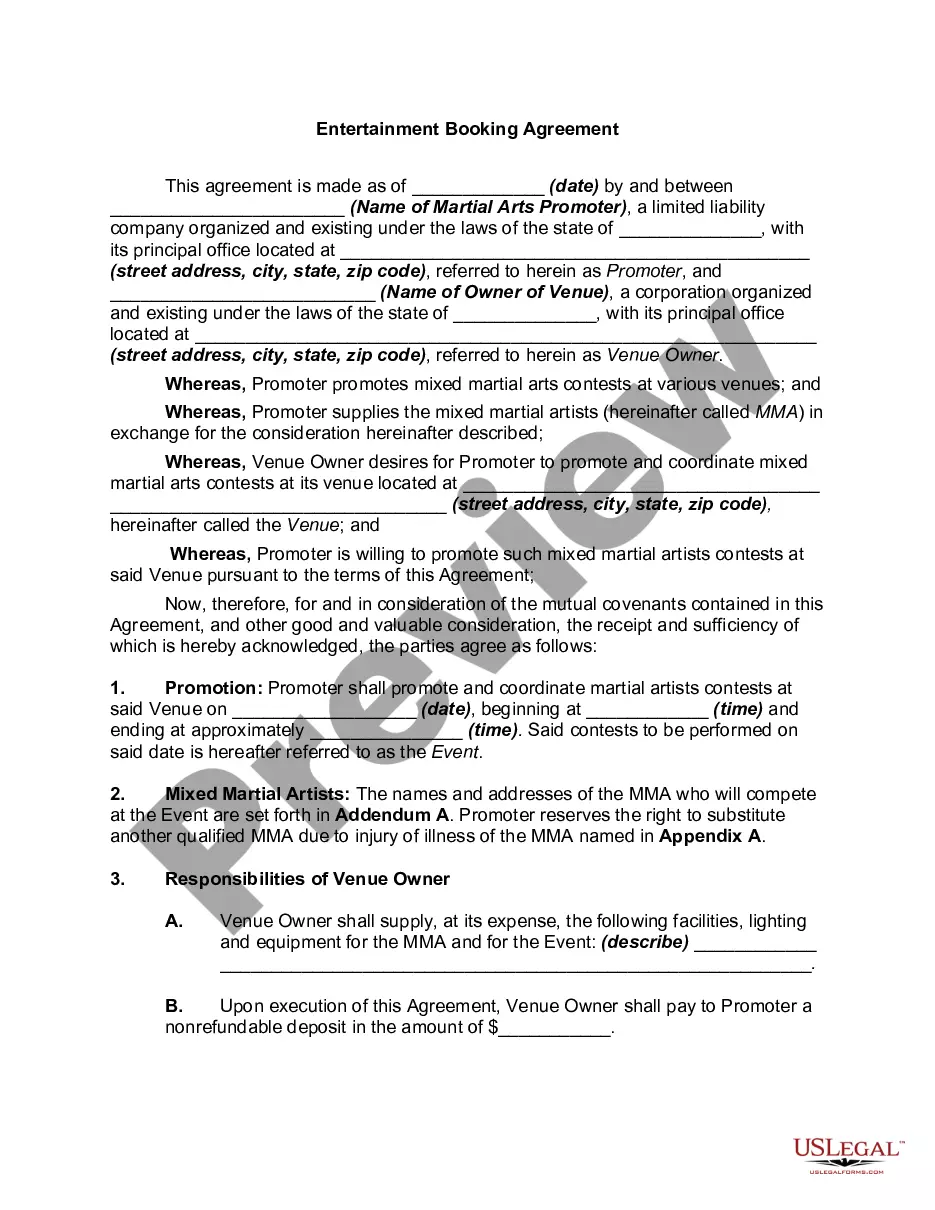
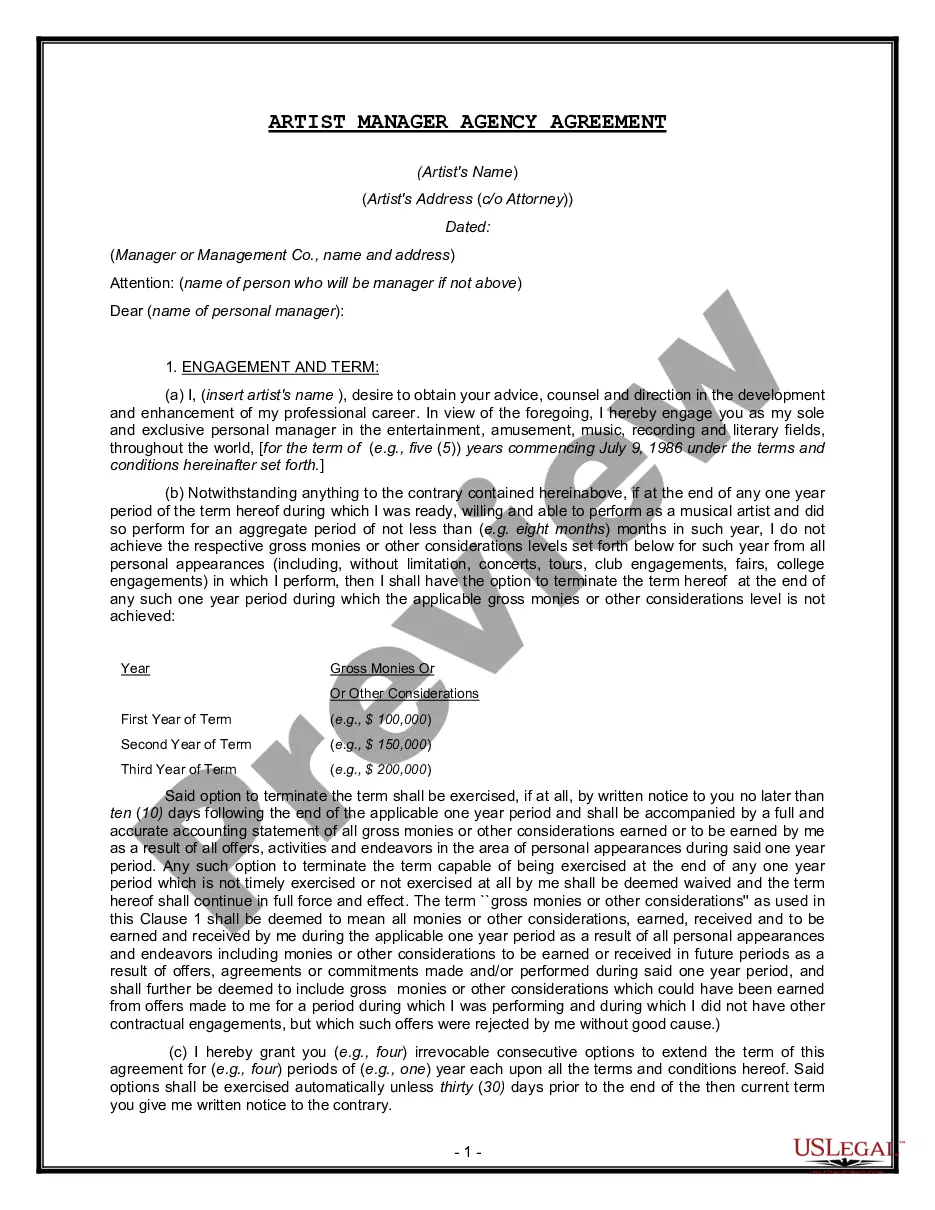
Get your form ready online
Our built-in tools help you complete, sign, share, and store your documents in one place.
Make edits, fill in missing information, and update formatting in US Legal Forms—just like you would in MS Word.
Download a copy, print it, send it by email, or mail it via USPS—whatever works best for your next step.
Sign and collect signatures with our SignNow integration. Send to multiple recipients, set reminders, and more. Go Premium to unlock E-Sign.
If this form requires notarization, complete it online through a secure video call—no need to meet a notary in person or wait for an appointment.
We protect your documents and personal data by following strict security and privacy standards.

Make edits, fill in missing information, and update formatting in US Legal Forms—just like you would in MS Word.

Download a copy, print it, send it by email, or mail it via USPS—whatever works best for your next step.

Sign and collect signatures with our SignNow integration. Send to multiple recipients, set reminders, and more. Go Premium to unlock E-Sign.

If this form requires notarization, complete it online through a secure video call—no need to meet a notary in person or wait for an appointment.

We protect your documents and personal data by following strict security and privacy standards.
Looking for another form?





Form popularity
FAQ
SAG-AFTRA regulates talent agents and their compensation to protect performers from exploitation and ensure fair practices. Agents are restricted from charging guild members more than a 10% commission for union jobs, with detailed rate sheets provided by the guild to guide these calculations.
Who Needs a License? Any person or entity involved in arranging employment for an artist in the entertainment field must get a license to operate as a talent agency.
How to get an acting agent Obtain headshots. A headshot is a modern portrait from your head to your shoulder. Write an acting resume. Make a demo reel. Create a list of acting agencies. Submit your materials. Attend interviews. Specialist service. Job opportunities.
How To Become A Talent Manager? Complete your education. Gain relevant experience in the entertainment industry. Build industry connections. Determine your area of expertise. Create a portfolio. Join a professional association. Create your resume.
The Head (Talent Management) establishes the overall talent management strategy and framework to identify the right talent and drive organisational success. He/She develops career development frameworks and programmes to provide fulfilling career opportunities for employees.
While HR usually provides the processes, workflows, and systems to enable talent management, it is ultimately managers who are responsible for nurturing, guiding, developing, and identifying talent.
HR professionals are primarily responsible for leading talent management efforts. They must develop and implement talent management strategies that align with organizational goals, culture, and values.
Talent Management is a distinct function of Human Resource Management. HRM's objective is to hire the right people and manage them effectively through thoughtful policies and procedures. Talent Management focuses on ways to develop employees by mapping out career paths and training programs.
- Write a concise and engaging cover letter introducing yourself. - Mention your passion for the industry, any relevant skills or training, and your eagerness to learn and work hard. - Identify talent agents who represent individuals with little or no experience, as some agents specialize in developing new talent.
