Talent Management Contract For The Twenty-first Century In Nassau
Description

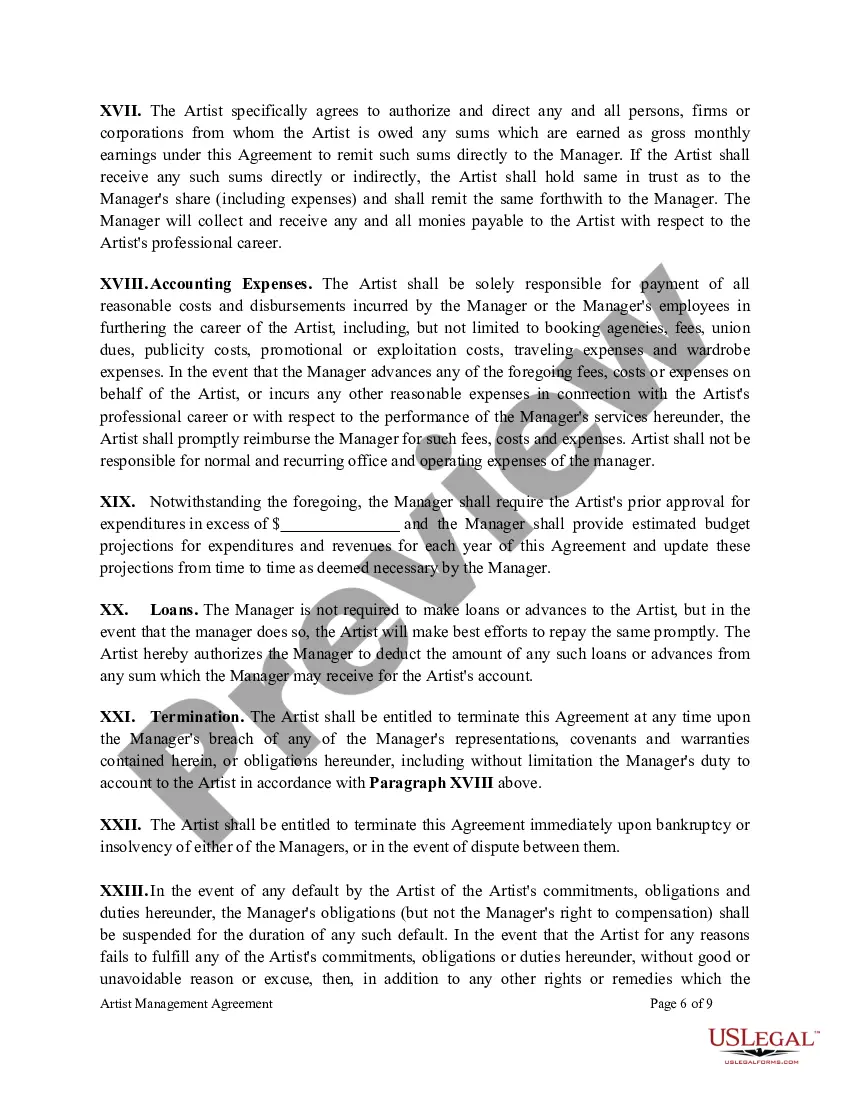
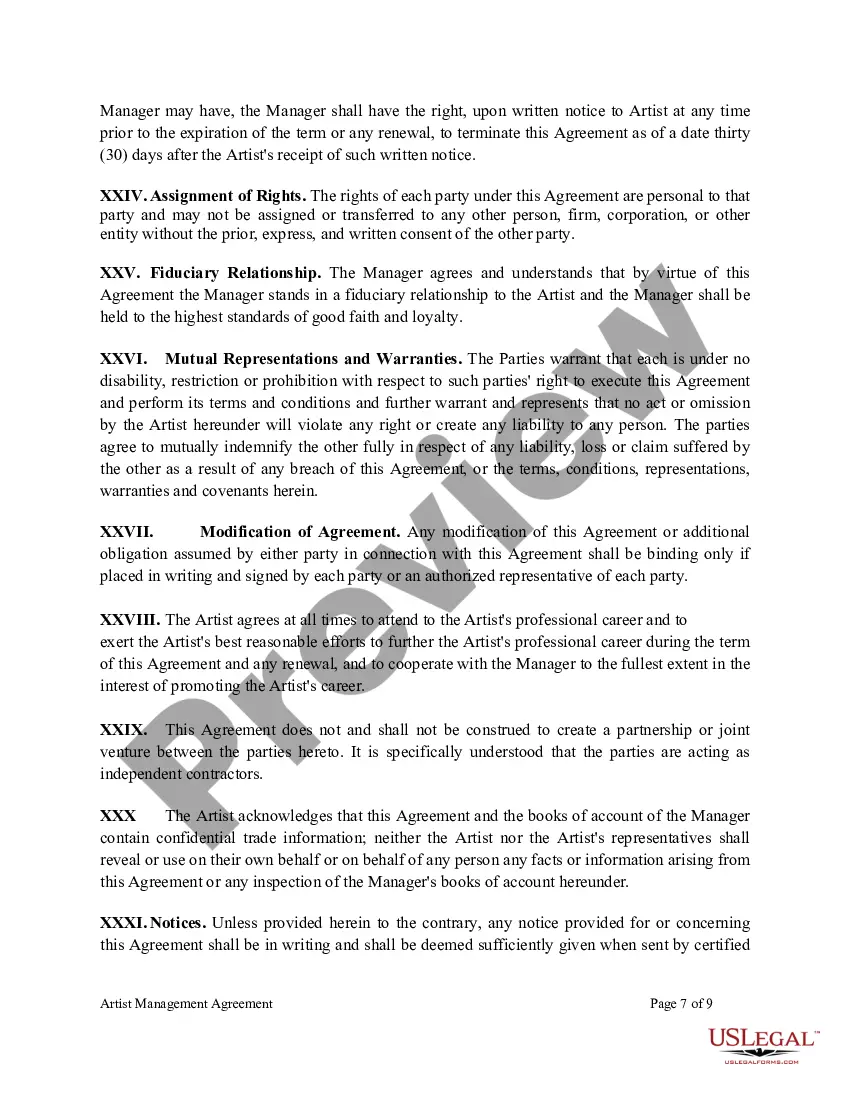
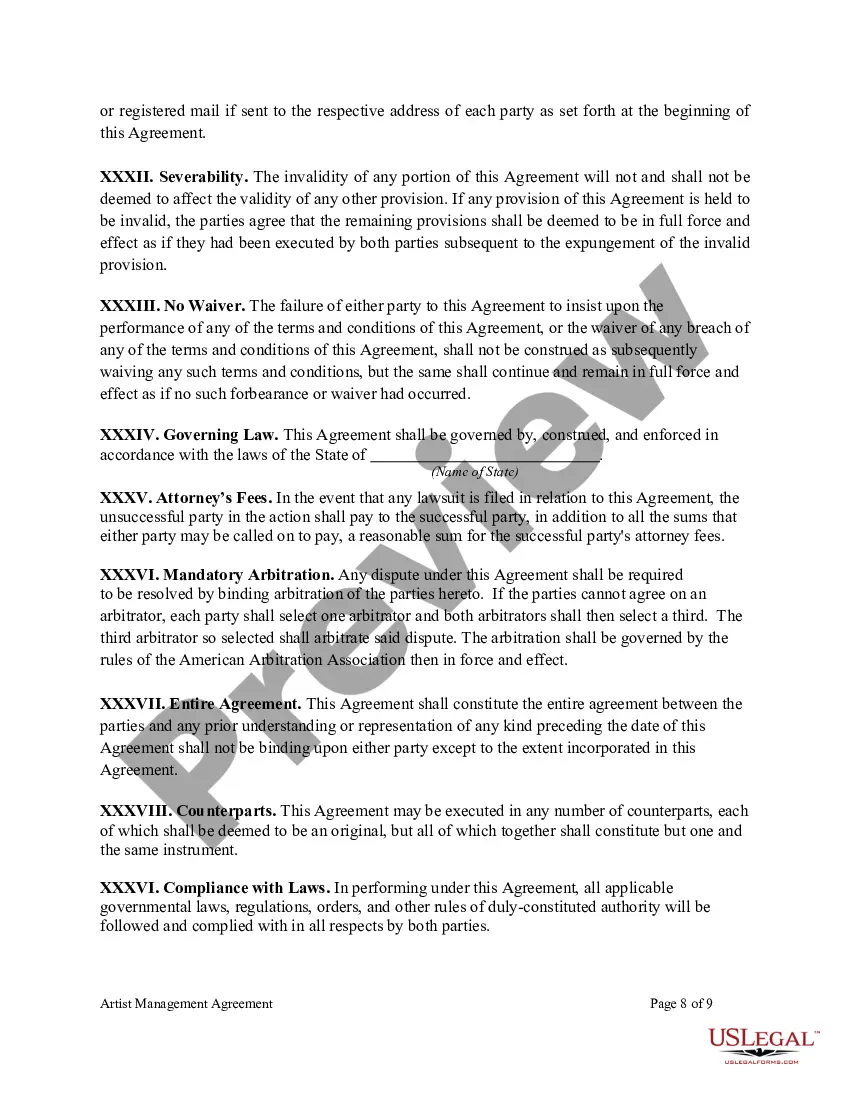

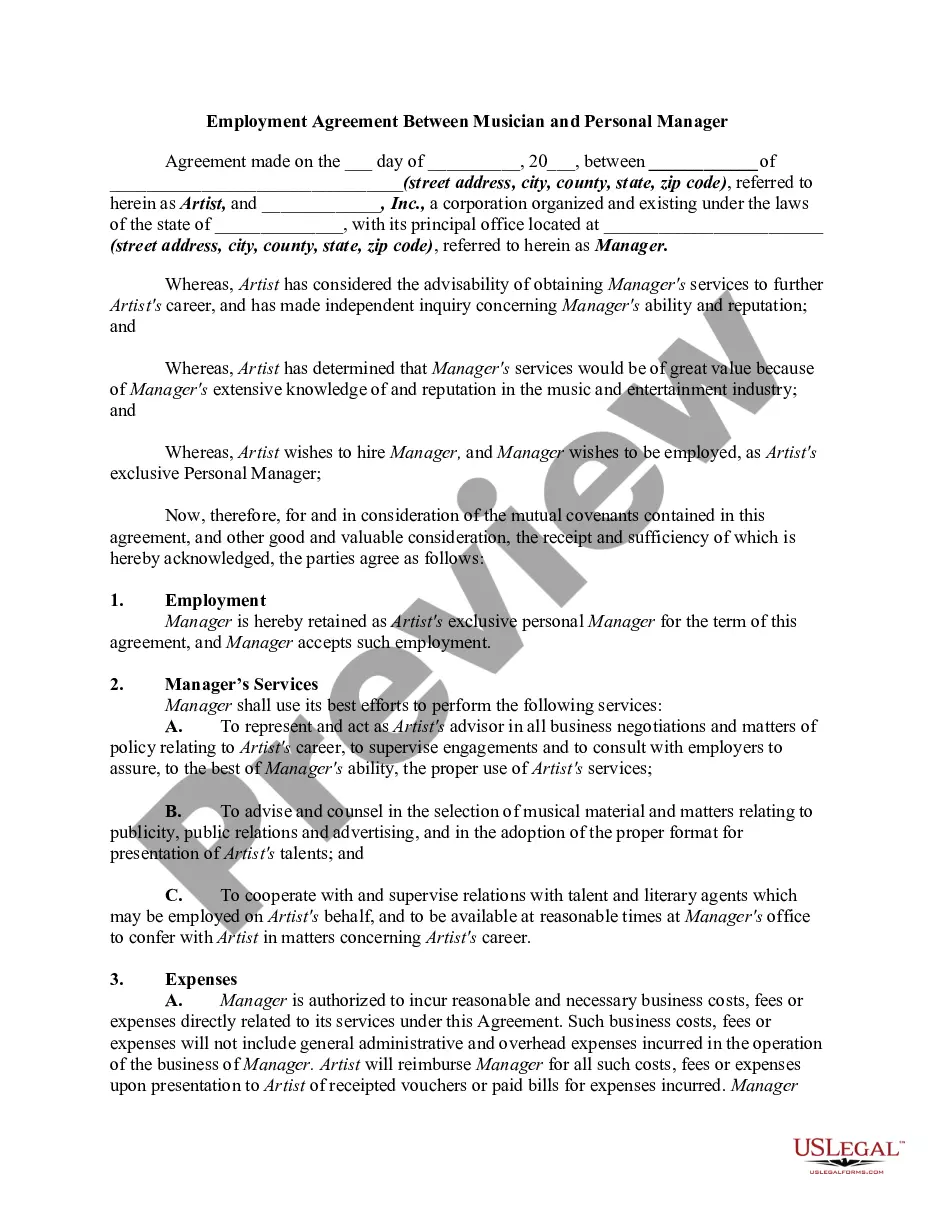
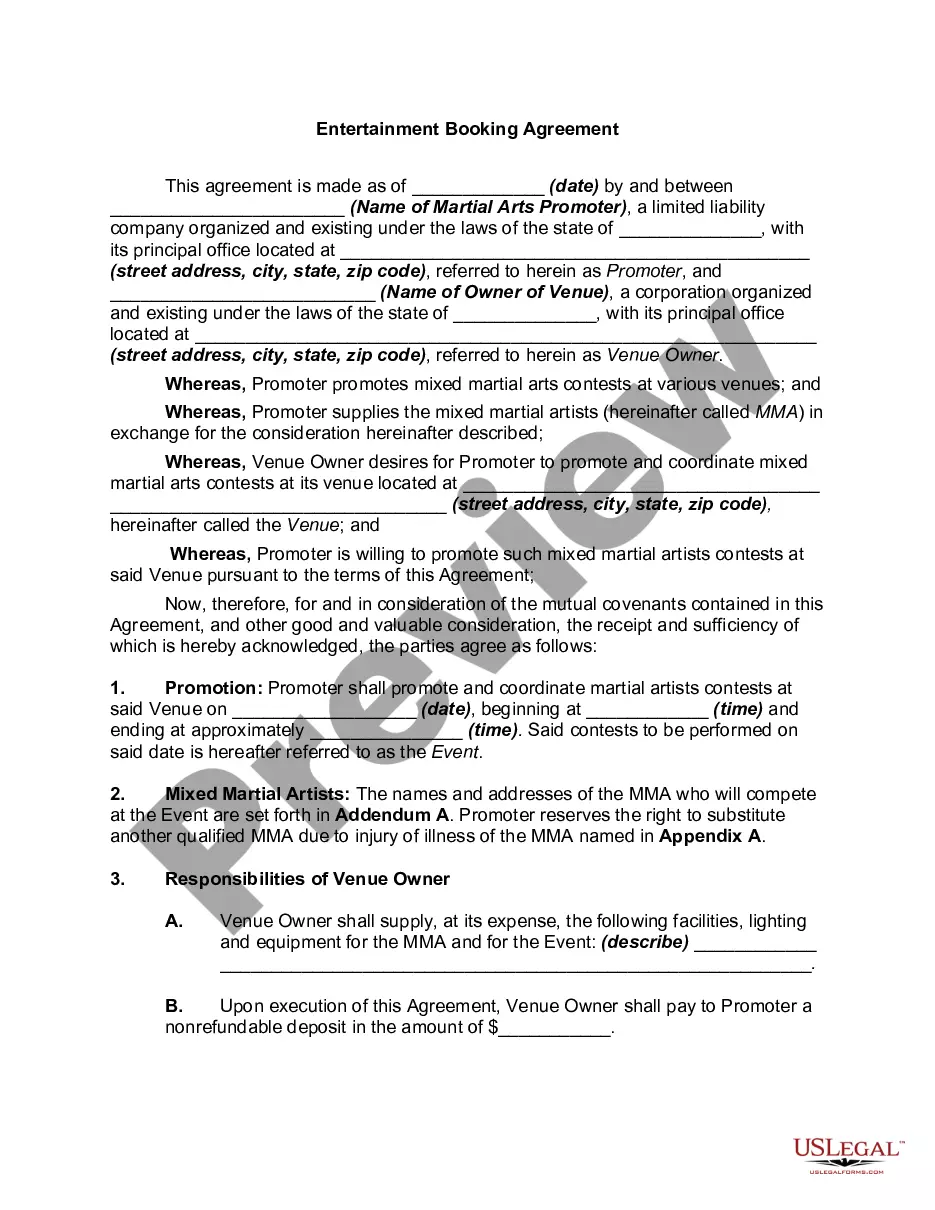
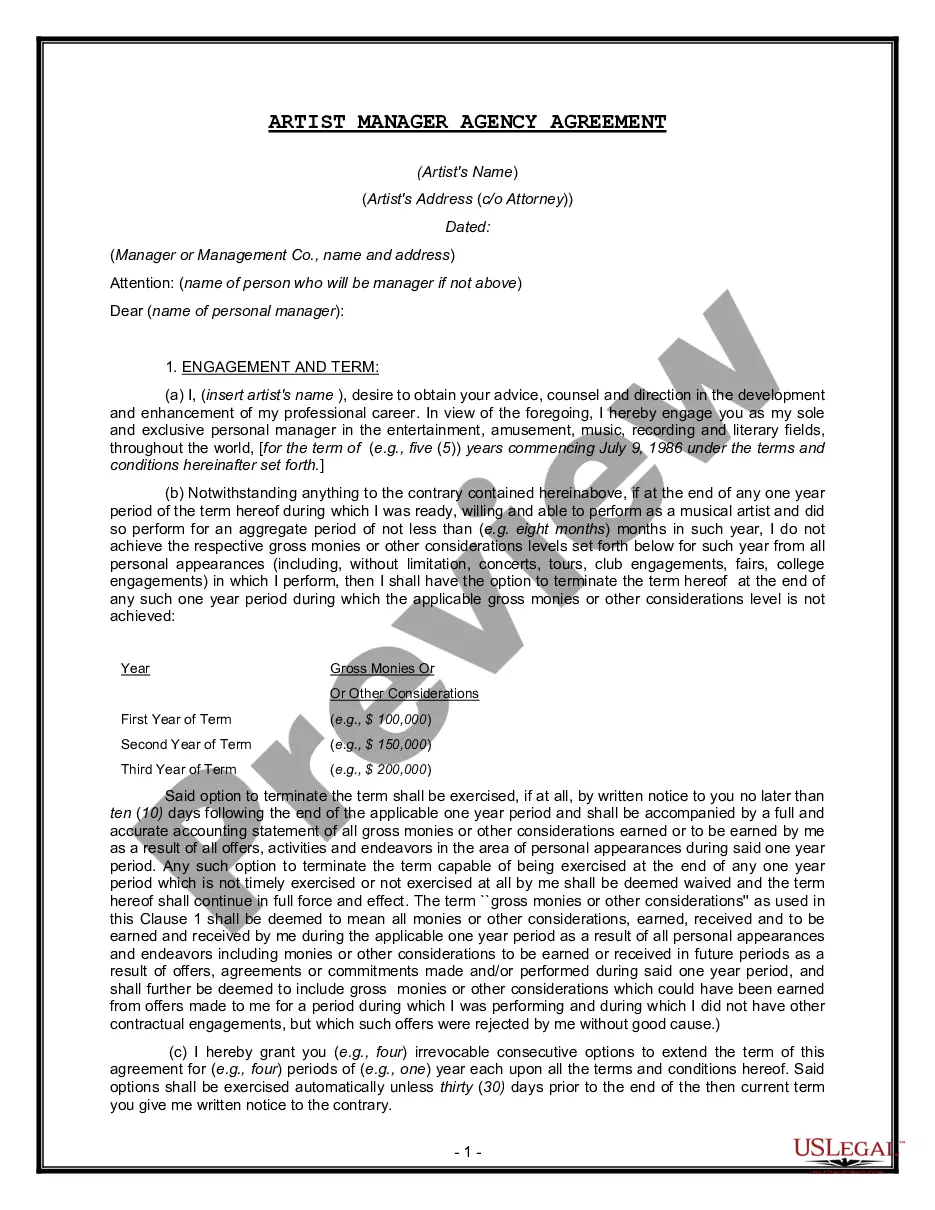
Get your form ready online
Our built-in tools help you complete, sign, share, and store your documents in one place.
Make edits, fill in missing information, and update formatting in US Legal Forms—just like you would in MS Word.
Download a copy, print it, send it by email, or mail it via USPS—whatever works best for your next step.
Sign and collect signatures with our SignNow integration. Send to multiple recipients, set reminders, and more. Go Premium to unlock E-Sign.
If this form requires notarization, complete it online through a secure video call—no need to meet a notary in person or wait for an appointment.
We protect your documents and personal data by following strict security and privacy standards.

Make edits, fill in missing information, and update formatting in US Legal Forms—just like you would in MS Word.

Download a copy, print it, send it by email, or mail it via USPS—whatever works best for your next step.

Sign and collect signatures with our SignNow integration. Send to multiple recipients, set reminders, and more. Go Premium to unlock E-Sign.

If this form requires notarization, complete it online through a secure video call—no need to meet a notary in person or wait for an appointment.

We protect your documents and personal data by following strict security and privacy standards.
Looking for another form?






Form popularity
FAQ
These core functions are workforce planning, acquisition, development, employment, and retention.
The 3 Cs - Competency, Commitment, and Contribution - are inseparable in the realm of talent management.
The talent management process usually includes the following steps: Planning. Attracting talent. Selecting. Developing. Retaining. Transitioning.
Talent management includes all the ways that organizations bring employees on board, keep them happy and productive, and help them continue to develop their skills over time.
A typical talent management framework may include the following areas: Talent strategy and planning. Talent acquisition. Employee performance management. Training and development. Succession planning and identifying. Total rewards.
Here are the nine key elements of a talent management system. Recruitment and selection. Onboarding. Performance management. Learning and career development. Succession planning. Career pathing. Employee engagement. Retention strategies.
Managers' commissions are typically between 15 to 20% of an artist's gross income. Whether it's 15% or 20% really depends on the level of the band and the bargaining power of each party. I've seen some net deals, but they are extremely rare. That being said, I always push for a net commission on merchandise.
Length of Contract The initial term should be no more than 18 months, with renewals to be no longer than three years. Never commit for any longer period than that, especially with an entity that you do not know well, regardless of how great you think he or she is today.
Typically, the term of a Talent Agency Agreement will range anywhere between six months to three years. For Talent engaging their first Agency, it is advisable for Talent to try to negotiate a relatively short initial term (e.g., a one-year initial term).
This typically involves providing written notice within the specified timeframe and adhering to any other requirements stated in the agreement. Remember, getting out of a music management contract can be a complex process, and it's important to approach it carefully before terminating.
