Tour Manager Contract Forest In Michigan
Description

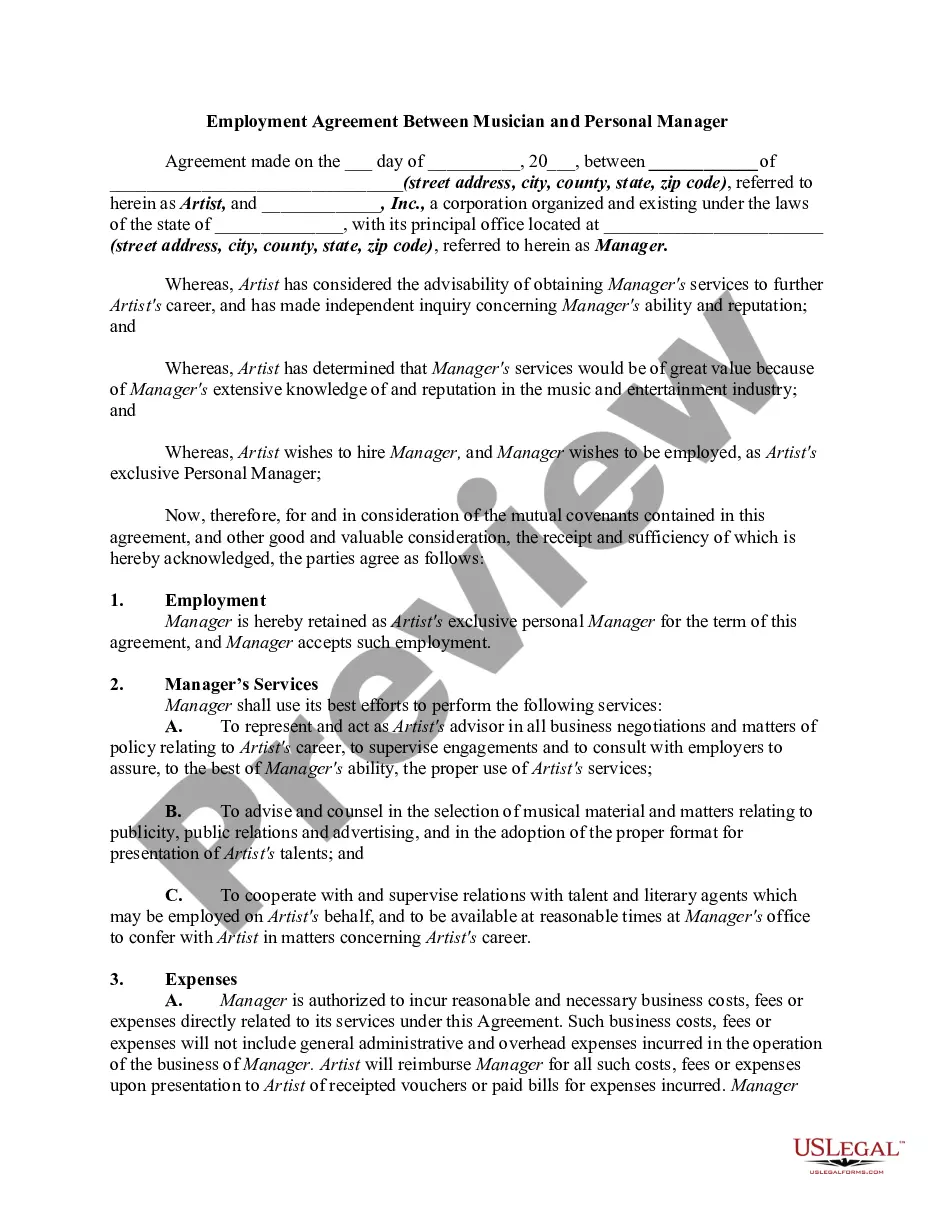
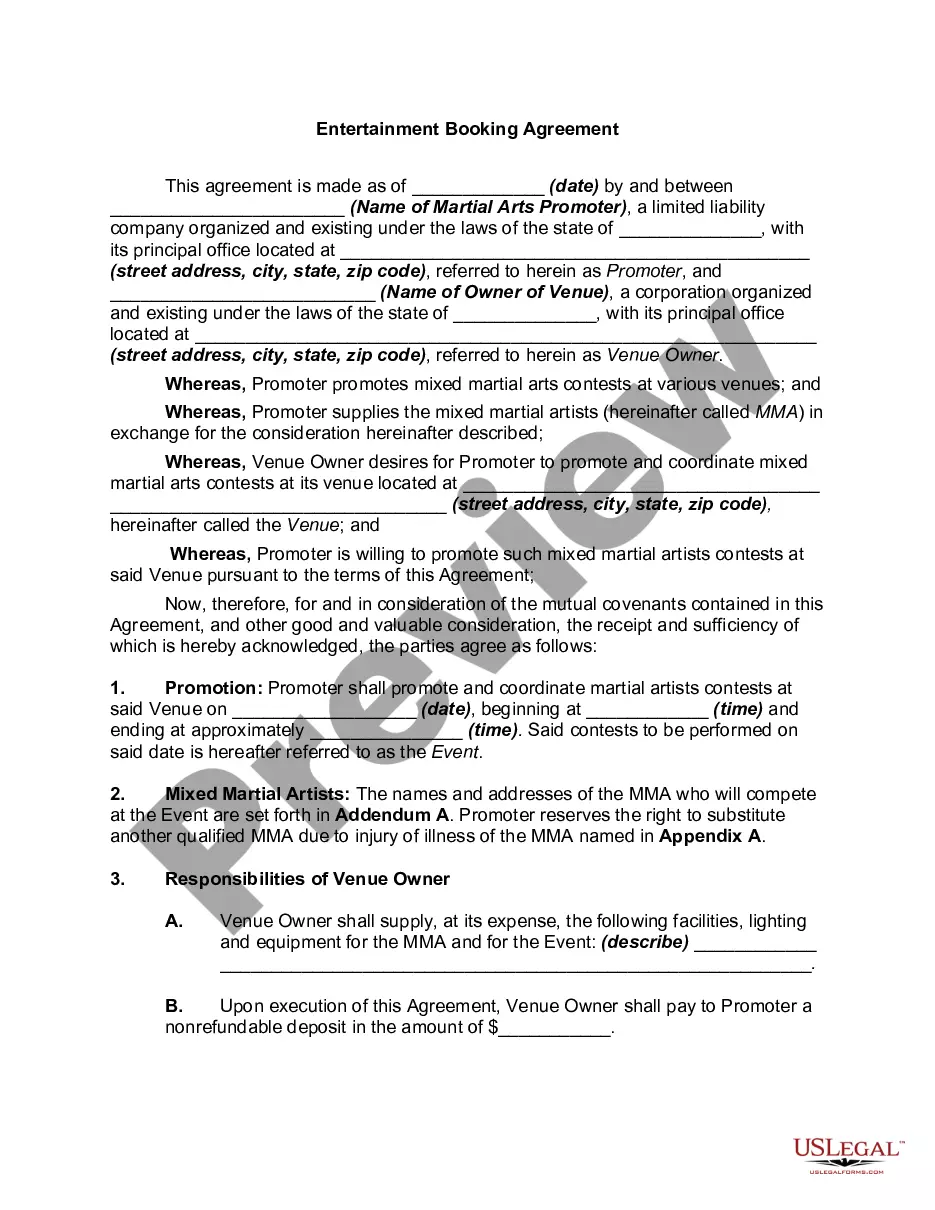
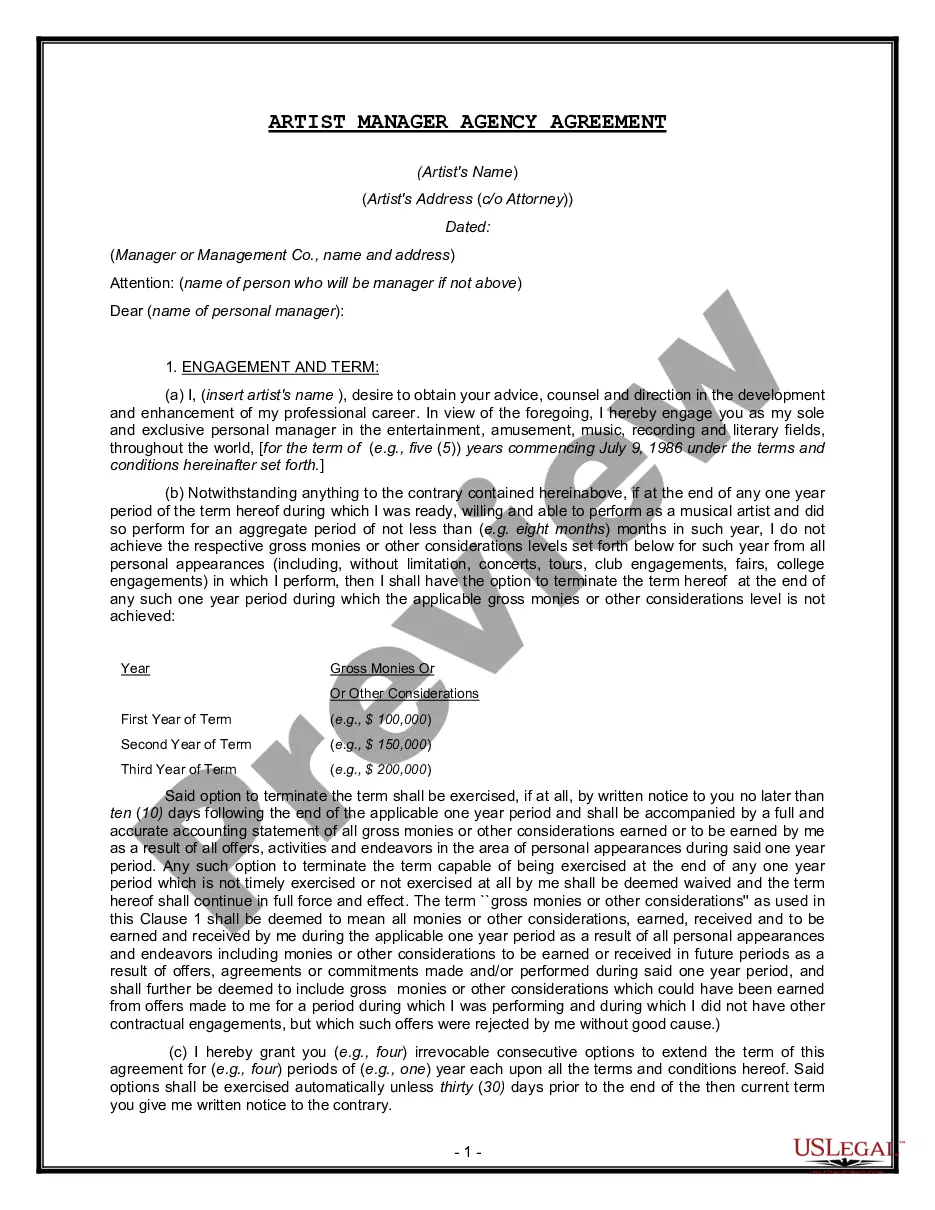
Get your form ready online
Our built-in tools help you complete, sign, share, and store your documents in one place.
Make edits, fill in missing information, and update formatting in US Legal Forms—just like you would in MS Word.
Download a copy, print it, send it by email, or mail it via USPS—whatever works best for your next step.
Sign and collect signatures with our SignNow integration. Send to multiple recipients, set reminders, and more. Go Premium to unlock E-Sign.
If this form requires notarization, complete it online through a secure video call—no need to meet a notary in person or wait for an appointment.
We protect your documents and personal data by following strict security and privacy standards.

Make edits, fill in missing information, and update formatting in US Legal Forms—just like you would in MS Word.

Download a copy, print it, send it by email, or mail it via USPS—whatever works best for your next step.

Sign and collect signatures with our SignNow integration. Send to multiple recipients, set reminders, and more. Go Premium to unlock E-Sign.

If this form requires notarization, complete it online through a secure video call—no need to meet a notary in person or wait for an appointment.

We protect your documents and personal data by following strict security and privacy standards.
Looking for another form?



Form popularity
FAQ
The Right to Forest Act, 2007 recognizes the forest rights and occupation in the forest land of the scheduled tribes and other traditional dwellers who have been residing in the forests for generations. They should not be removed from the forest. The work of protecting the forest should be done by Gram Sabha.
Among the 50 states, Michigan ranks 21st in area but 10th in forest land area, accounting for 20.2 million acres. Timberland accounts for 95 percent of this forest land or 19.1 million acres.
Act 676 of 2002 AN ACT to provide for circumstances under which certain forestry operations shall not be found to be a public or private nuisance; to provide for certain forestry management practices; to provide for certain powers and duties for certain state agencies and departments; and to provide remedies.
Answer: The Qualified Forest Program (QFP) is a property tax incentive program that encourages private landowners to actively manage their forests for commercial harvest, wildlife habitat enhancement, and improvement of other non-timber resources.
CF land cannot be used for agriculture, mineral extraction, grazing, industry, developed recreation, residences, resorts, commercial purposes, or developmental purposes. No buildings or improvements are allowed, including but not limited to trailers, motor homes, permanent hunting blinds, and utilities.
Michigan's Qualified Forest Program (QFP) provides private forest landowners with a tax exemption from their school operating millage in exchange for sustainably and responsibly managing their forestland for wildlife and timber production.
The Commercial Forest (CF) program provides a property tax incentive to private landowners to retain and manage their forestland for long-term timber production and to provide foot access to the public for hunting and fishing. It is a voluntary program.
Commercial forest land means forest land that is producing or capable of producing crops of marketable forest products and is administratively available for intensive management and sustained production.
MCL 211.7dd(d) defines qualified agricultural property as: "Qualified agricultural property" means unoccupied property and related. buildings classified as agricultural, or other unoccupied property and related. buildings located on that property devoted primarily to agricultural use as.
