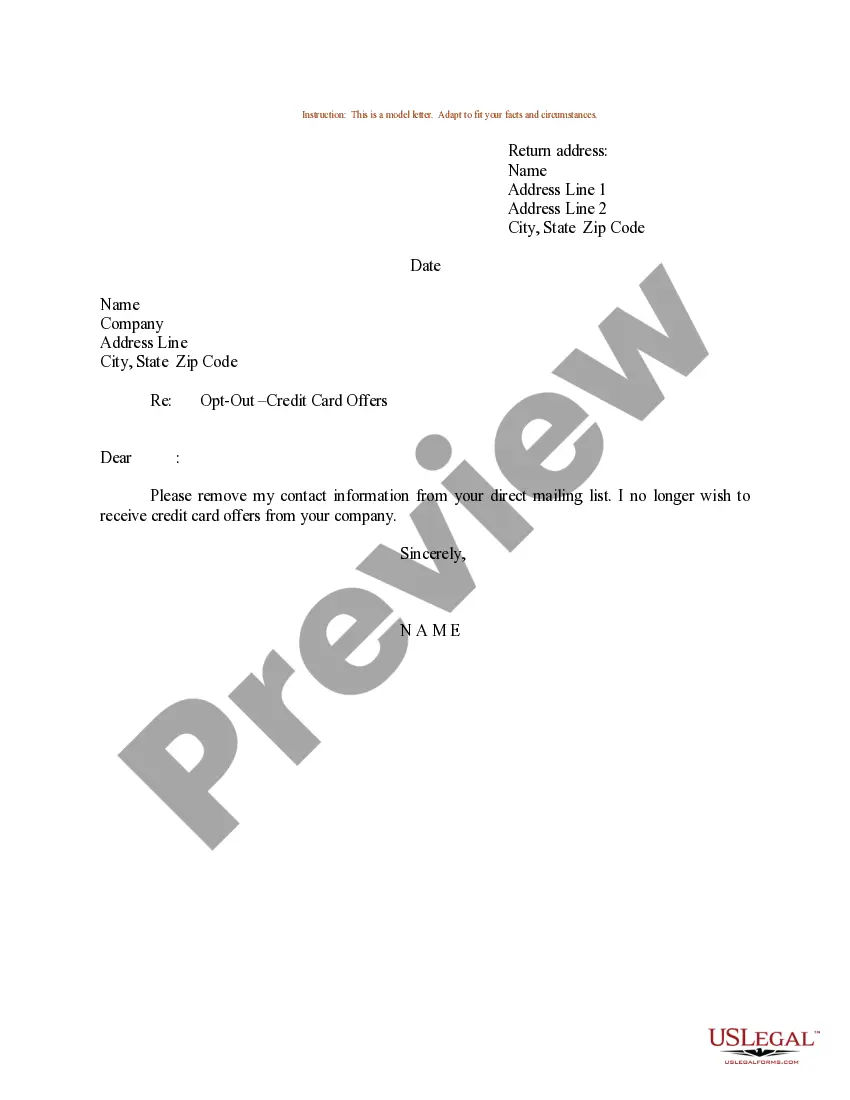
Music Management Contract With Students In Florida
Description

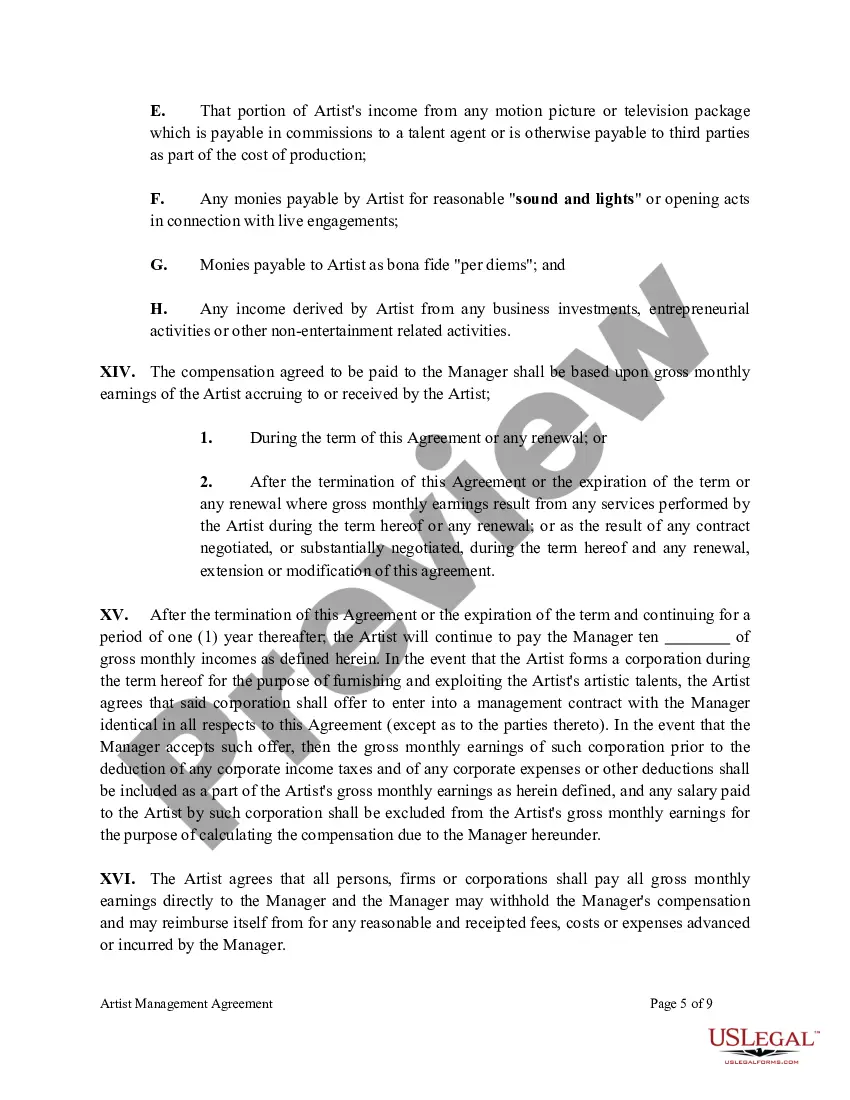
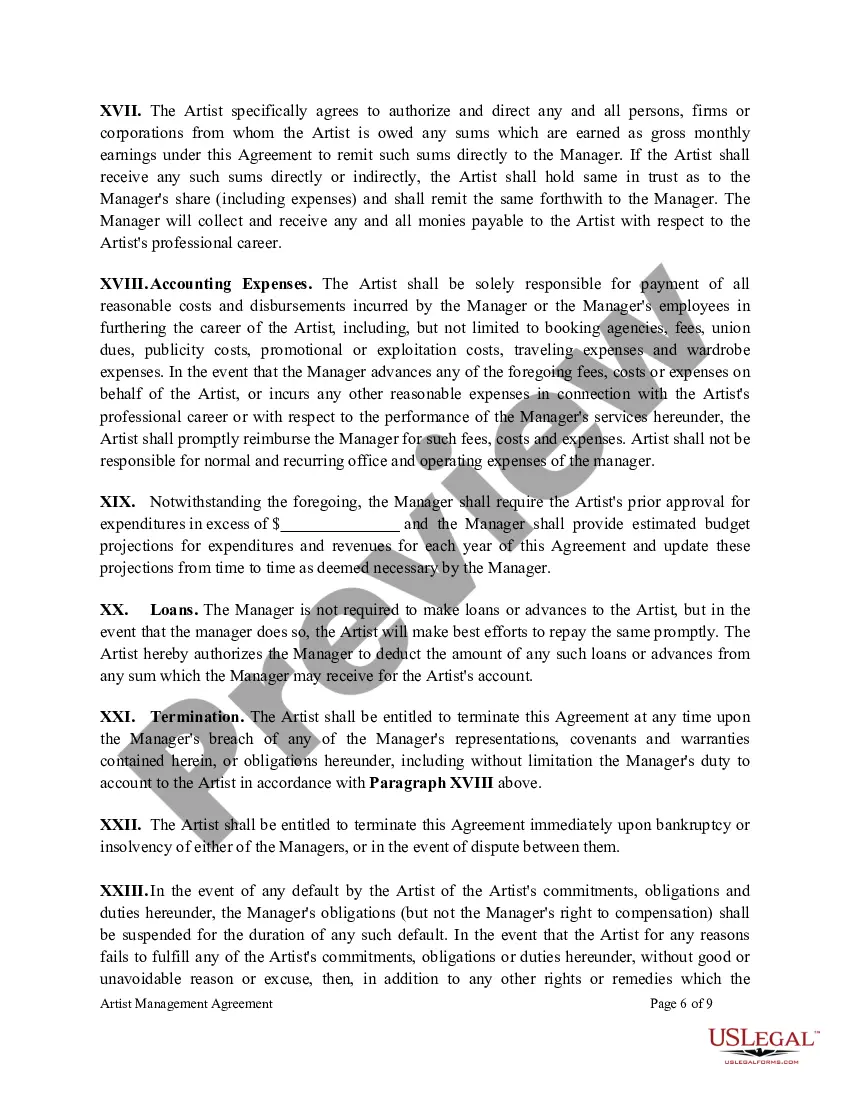
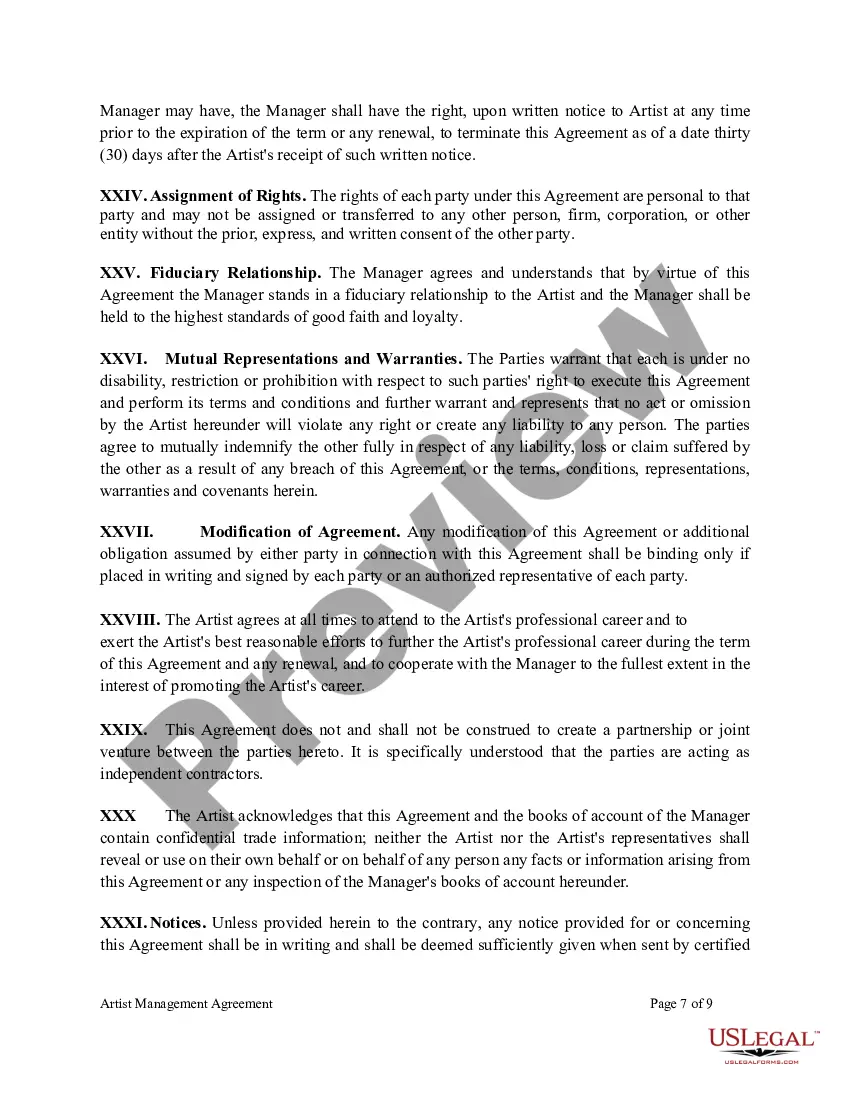
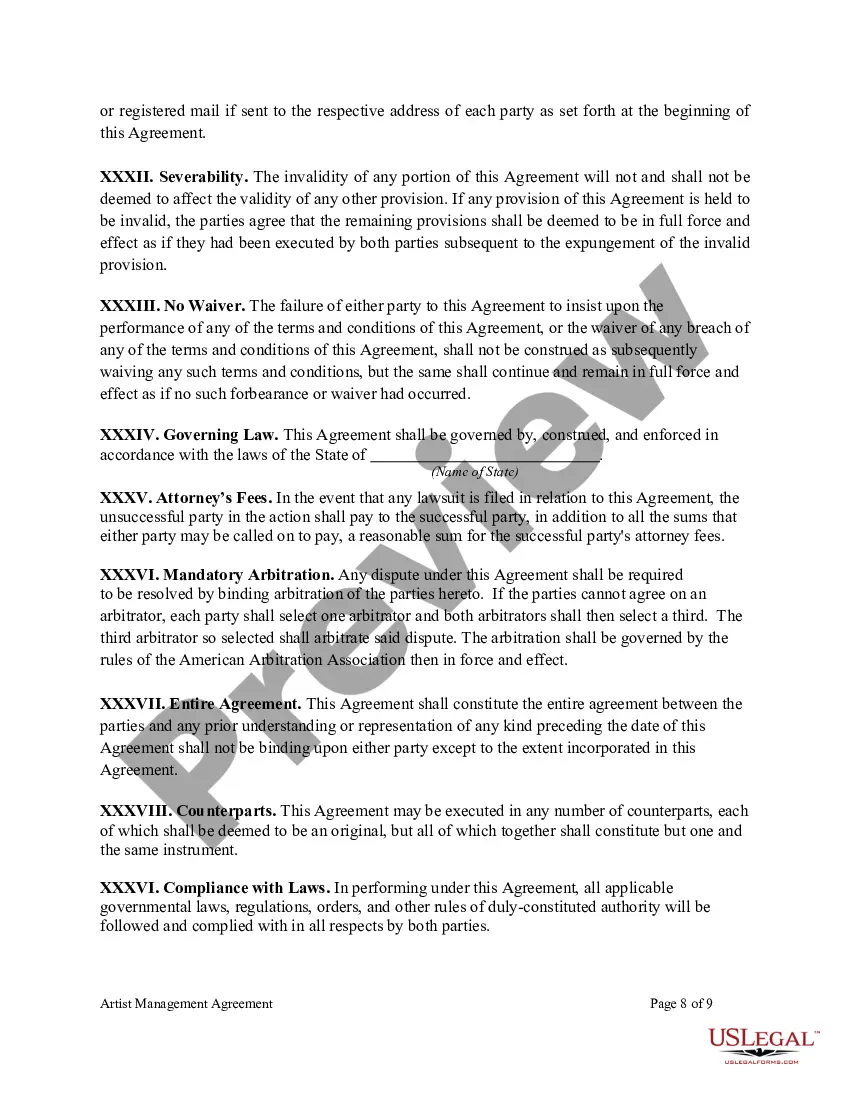
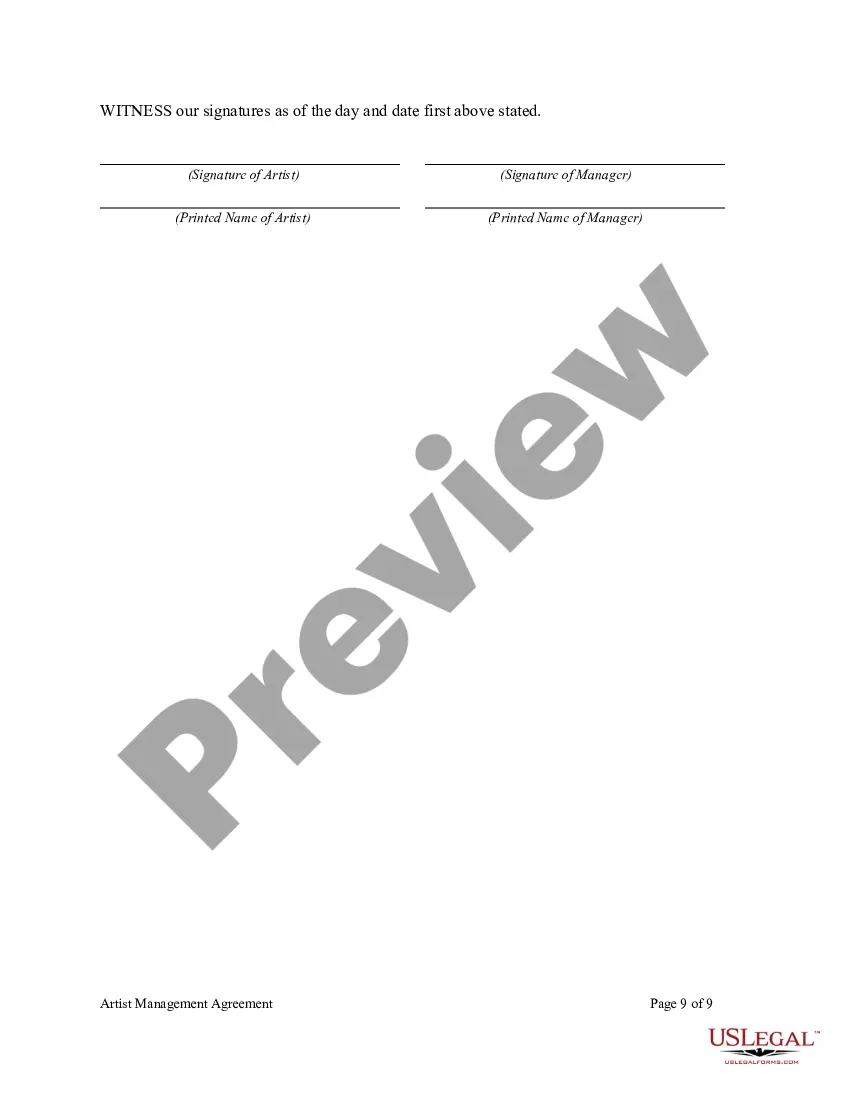
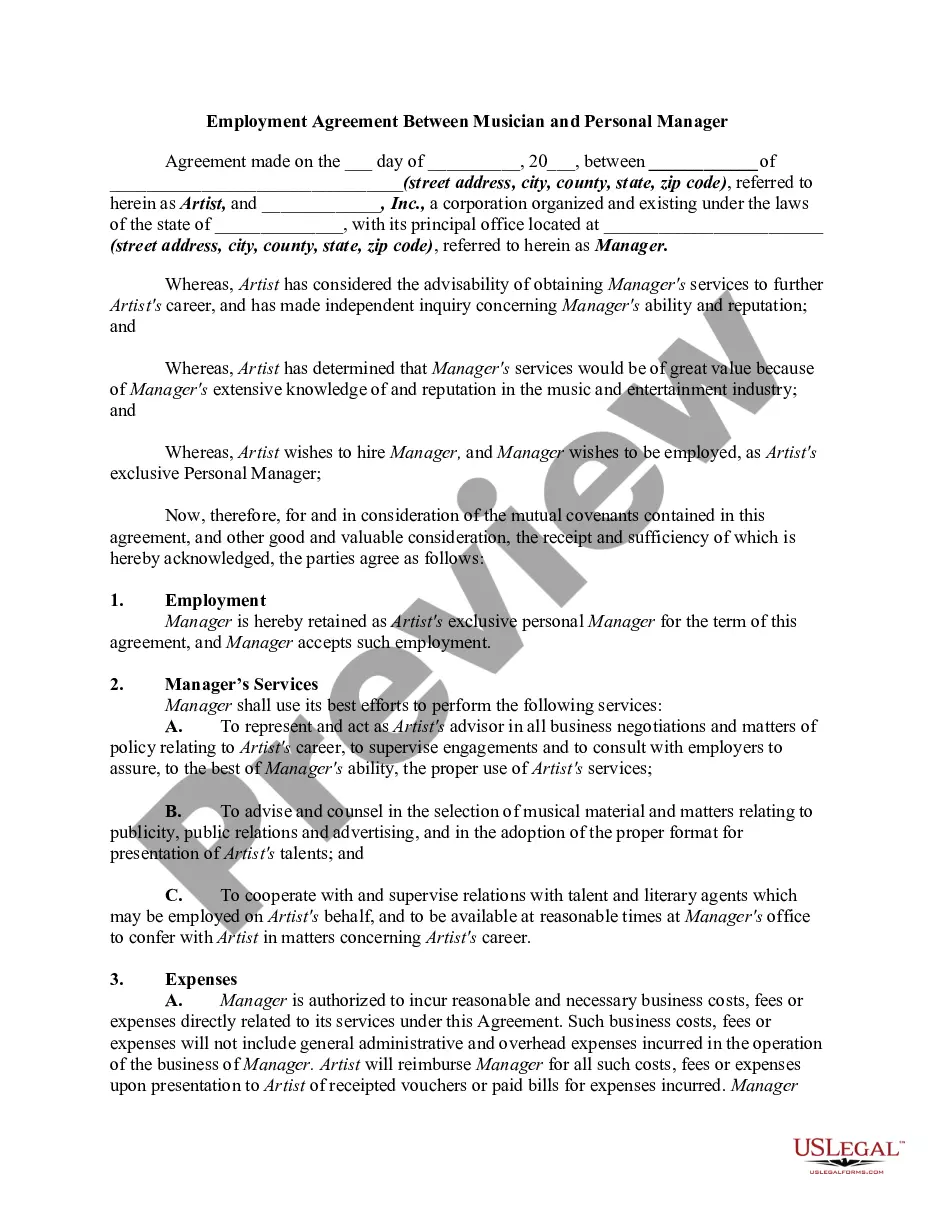
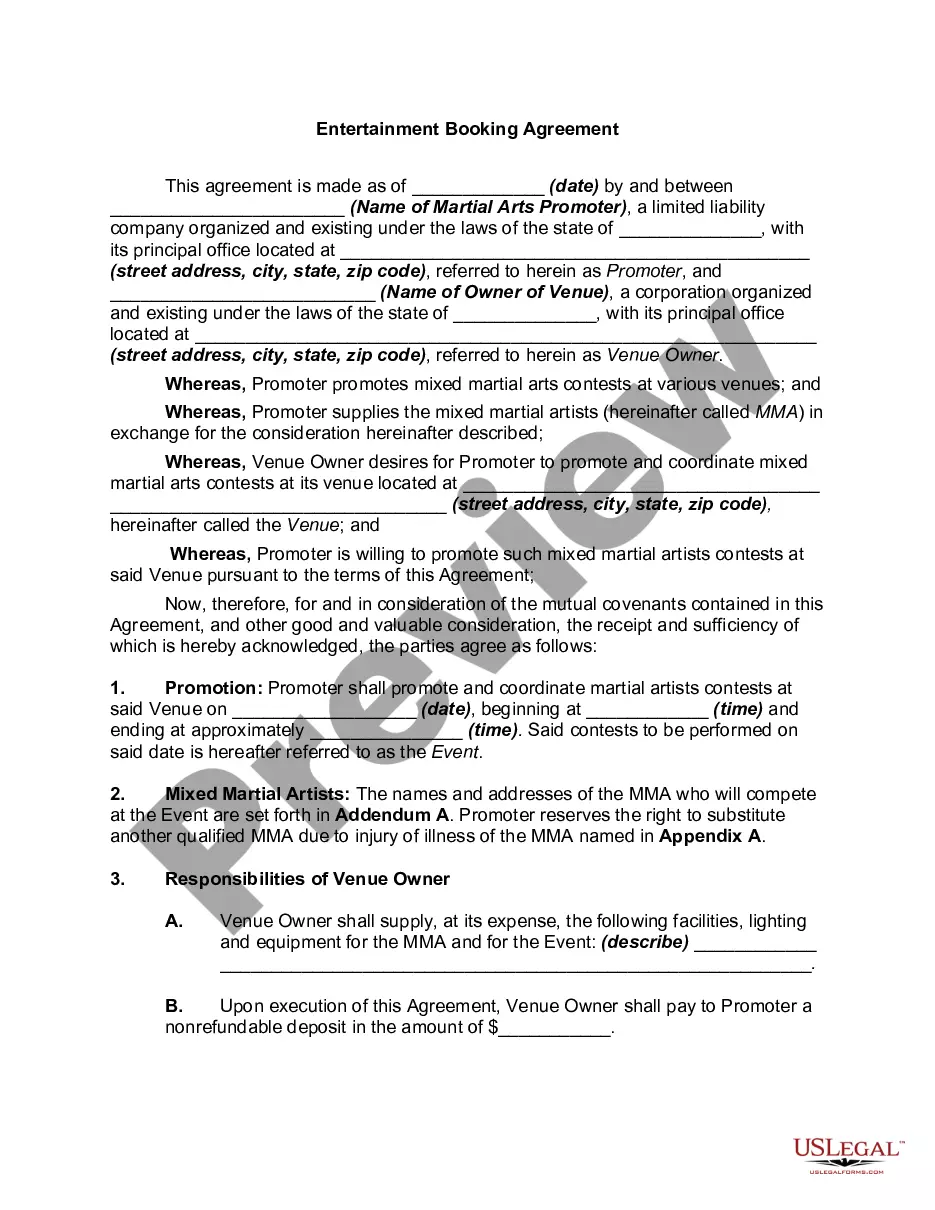
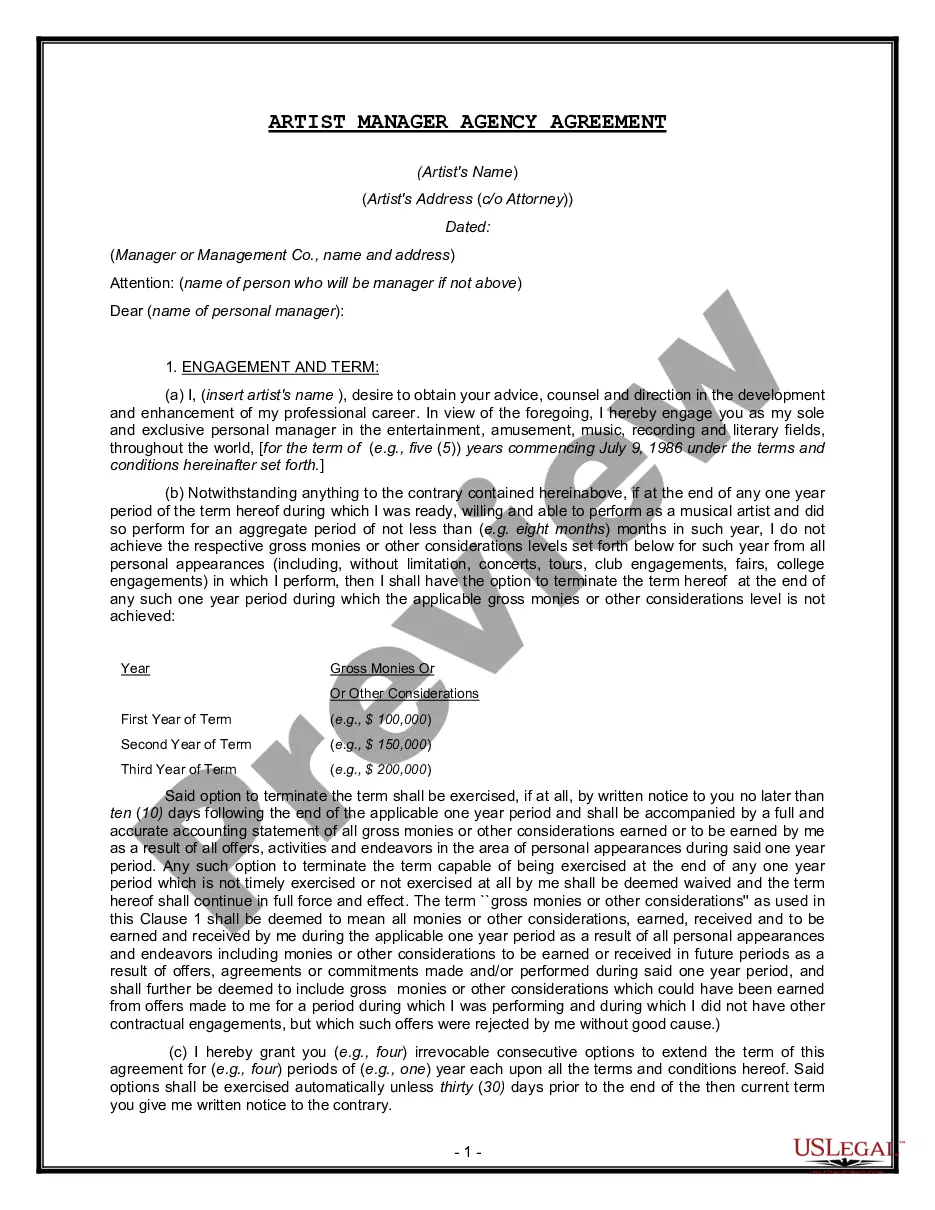
Get your form ready online
Our built-in tools help you complete, sign, share, and store your documents in one place.
Make edits, fill in missing information, and update formatting in US Legal Forms—just like you would in MS Word.
Download a copy, print it, send it by email, or mail it via USPS—whatever works best for your next step.
Sign and collect signatures with our SignNow integration. Send to multiple recipients, set reminders, and more. Go Premium to unlock E-Sign.
If this form requires notarization, complete it online through a secure video call—no need to meet a notary in person or wait for an appointment.
We protect your documents and personal data by following strict security and privacy standards.

Make edits, fill in missing information, and update formatting in US Legal Forms—just like you would in MS Word.

Download a copy, print it, send it by email, or mail it via USPS—whatever works best for your next step.

Sign and collect signatures with our SignNow integration. Send to multiple recipients, set reminders, and more. Go Premium to unlock E-Sign.

If this form requires notarization, complete it online through a secure video call—no need to meet a notary in person or wait for an appointment.

We protect your documents and personal data by following strict security and privacy standards.
Looking for another form?










Form popularity
FAQ
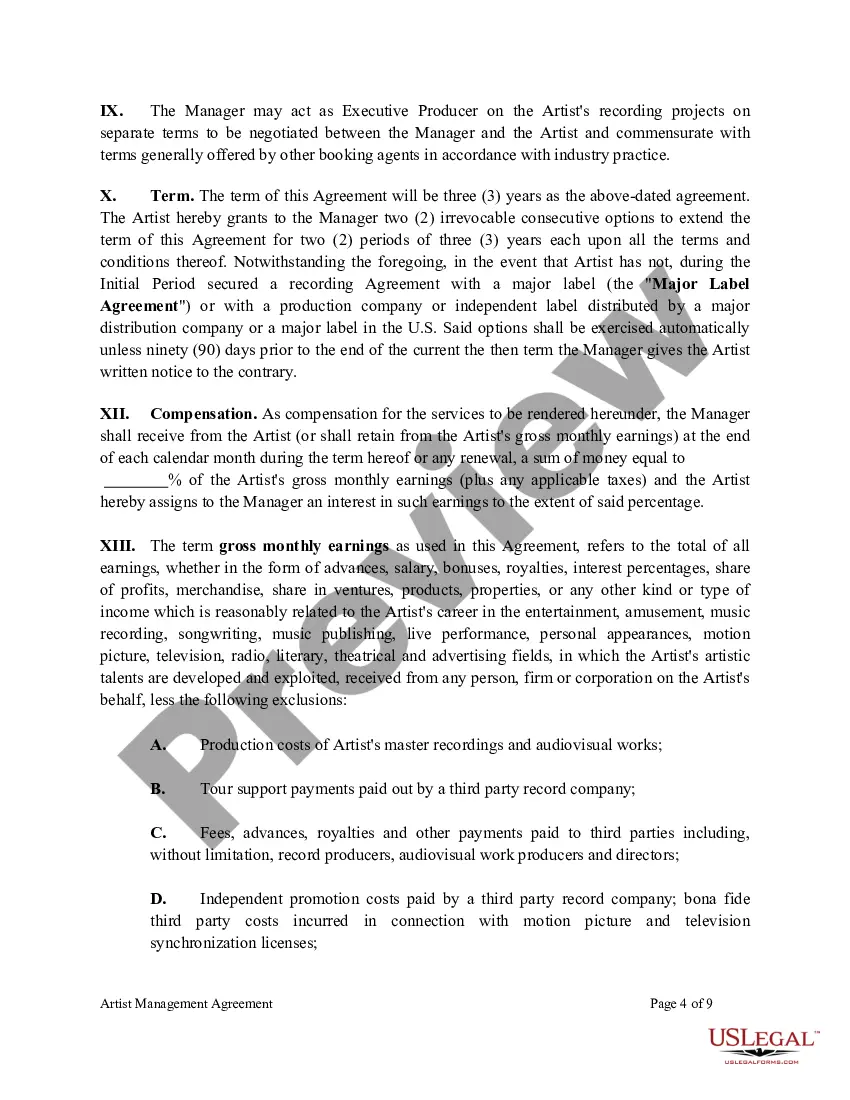
How long is a normal artist manager contract? The standard length of the management contract is three years but it can vary from 2 to 5 years on a case by case basis. Most contracts also include a "Sunset" clause.
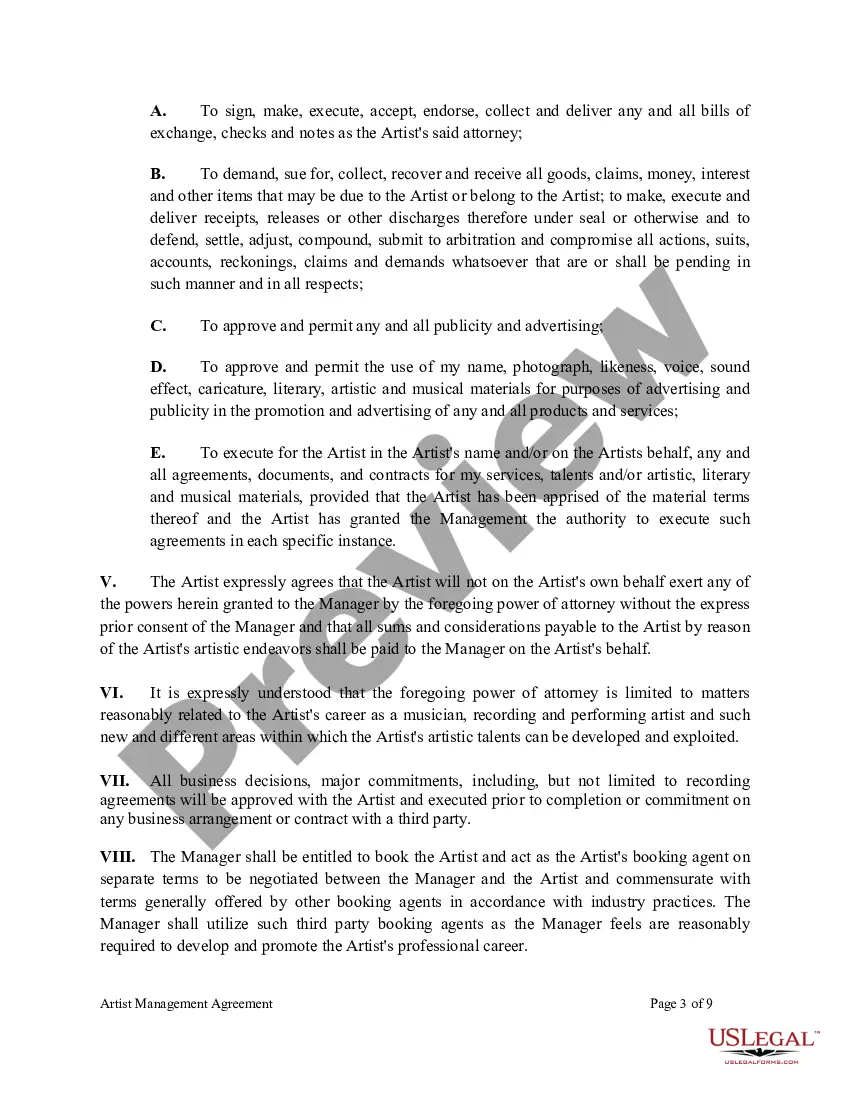
Music Management Contracts Explained Most managers receive a percentage of the artist's gross income, typically between 15-30 percent. Before signing a management contract, artists should thoroughly review the terms and consider seeking legal advice.
Managers typically receive 15% to 20% of the artist's gross earnings (before any expenses are deducted), but this figure can vary from contract to contract. For example, a manager might start at 20% and decrease his or her cut to 15% after a period of time or once the artist achieves a certain level in their career.
Your Music Recording Contract should cover details like: Compensation and royalties. Where and when the album will be recorded. The album's release date. Who has creative control over specific elements of the album. The termination clause. The exclusive agreement clause. Dispute resolution. Promotional appearances.
Contract Overview. Briefly outline. Objectives. List objectives and desired outcomes here. Transitional arrangements and mobilisation. Briefly outline. Performance management. Briefly outline. Finance. Briefly outline. Governance arrangements. Communication with provider. Briefly outline. Communication with stakeholders.
This includes various aspects such as rent collection, property maintenance, and dispute resolution mechanisms. By having a detailed contract in place, both parties can have a clear understanding of their obligations, reducing the chances of conflicts arising in the future.
Your Music Recording Contract should cover details like: Compensation and royalties. Where and when the album will be recorded. The album's release date. Who has creative control over specific elements of the album. The termination clause. The exclusive agreement clause. Dispute resolution. Promotional appearances.
Building a Professional Network Networking is a powerful tool in the music industry. Connect with industry professionals, attend music events, and participate in conferences. Building relationships with other artists, producers, and industry insiders can lead to valuable introductions to potential managers.
Networking: Attend music industry events, conferences, or concerts. Networking can often lead to personal connections with managers or their representatives. LinkedIn: Search for the artist's management team on LinkedIn. Professionals in the industry often maintain profiles that can provide contact details.
Typing 'music manager' into any search engine will produce tons of results you can scroll through to fish out music managers you can contact via email addresses or social media handles. You should also use social media platforms like LinkedIn, Instagram, and Facebook to search for music managers.