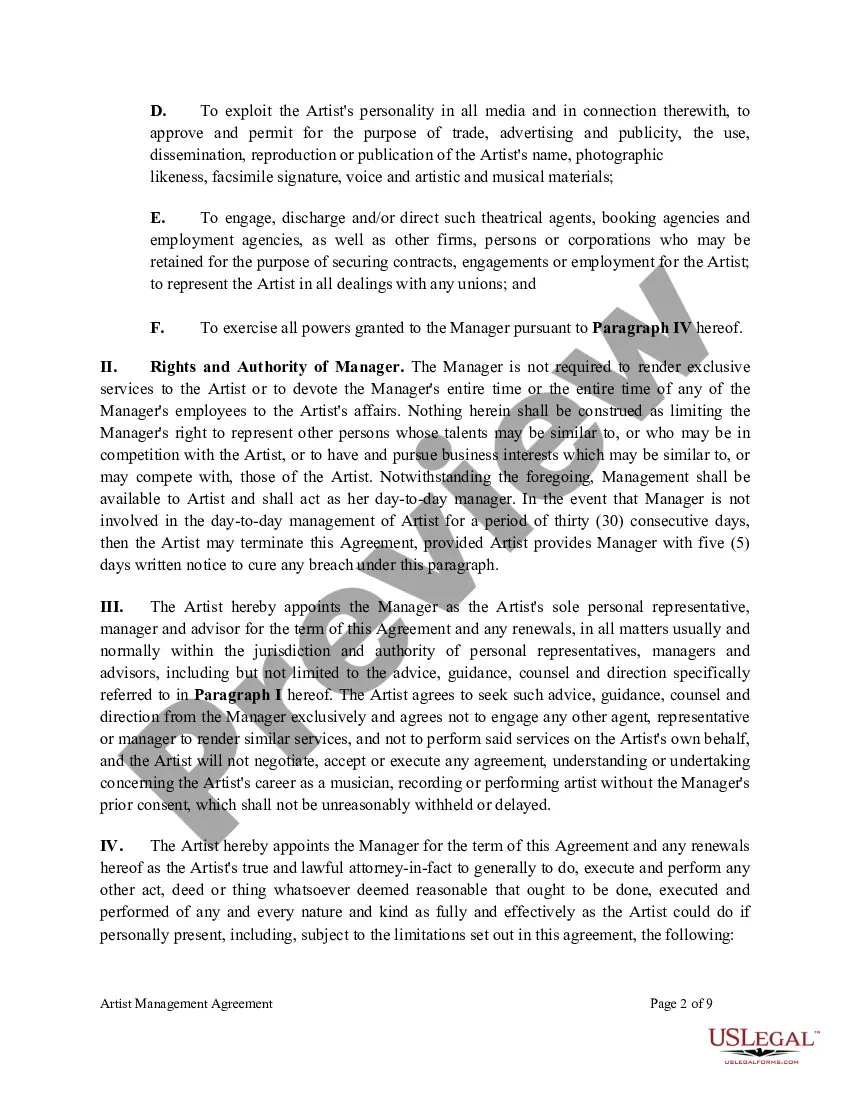
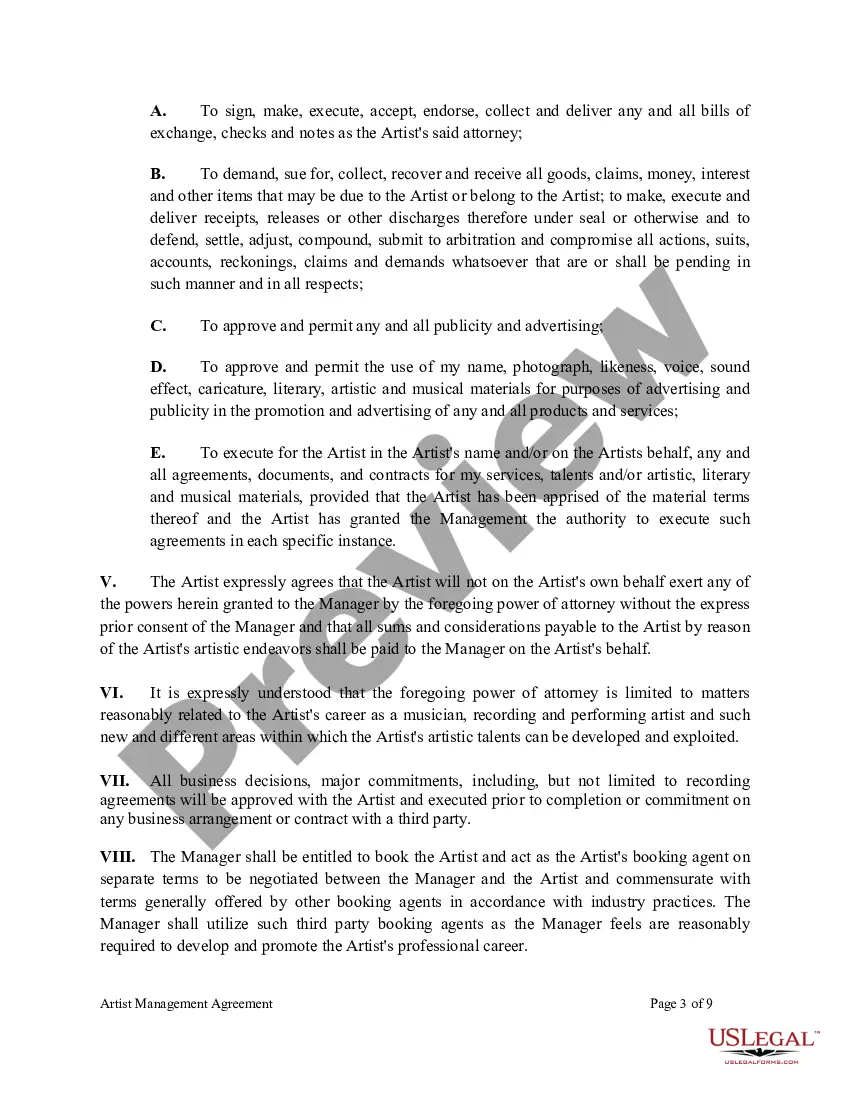
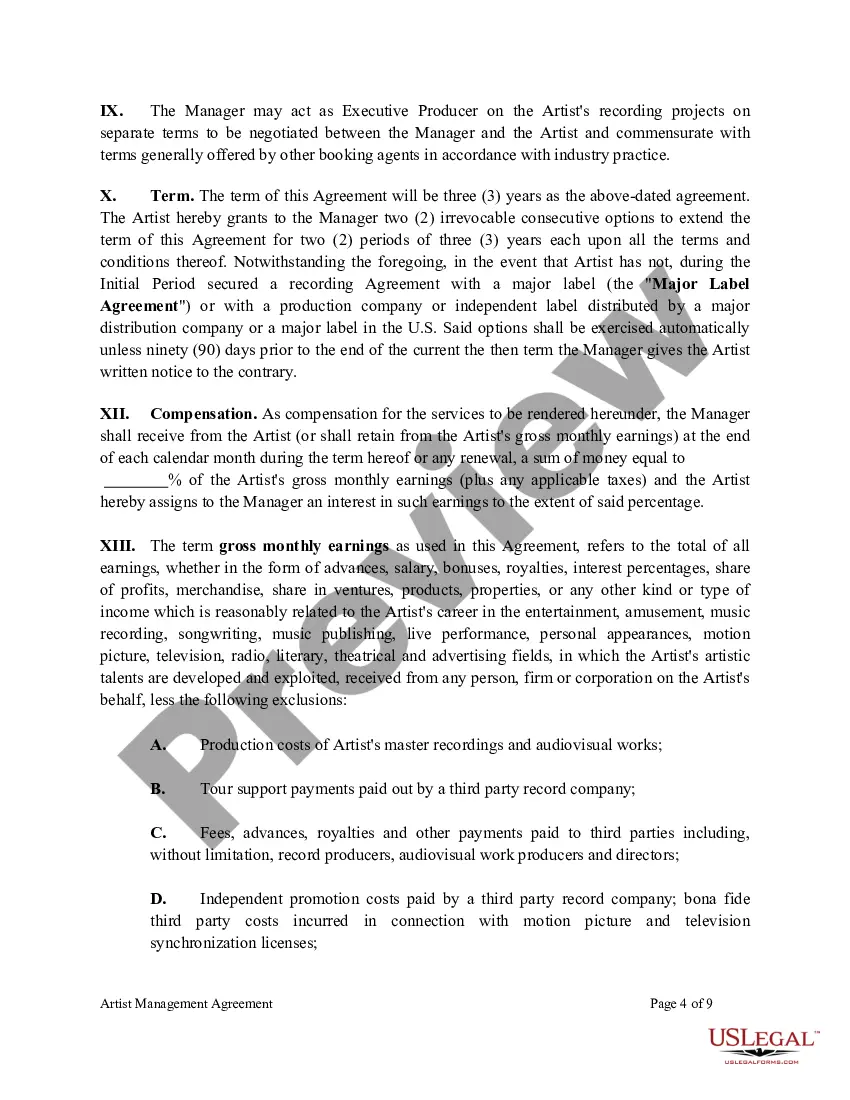
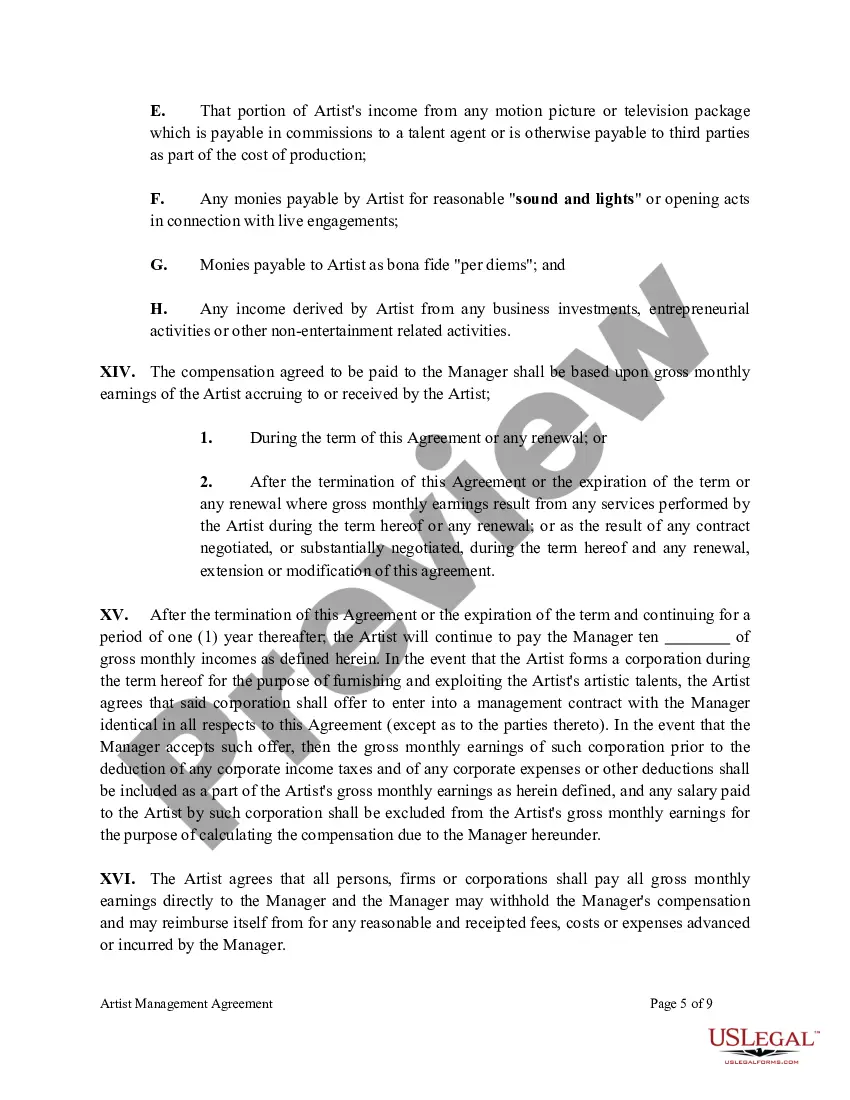
Agreement With Managing Director In Dallas
Description

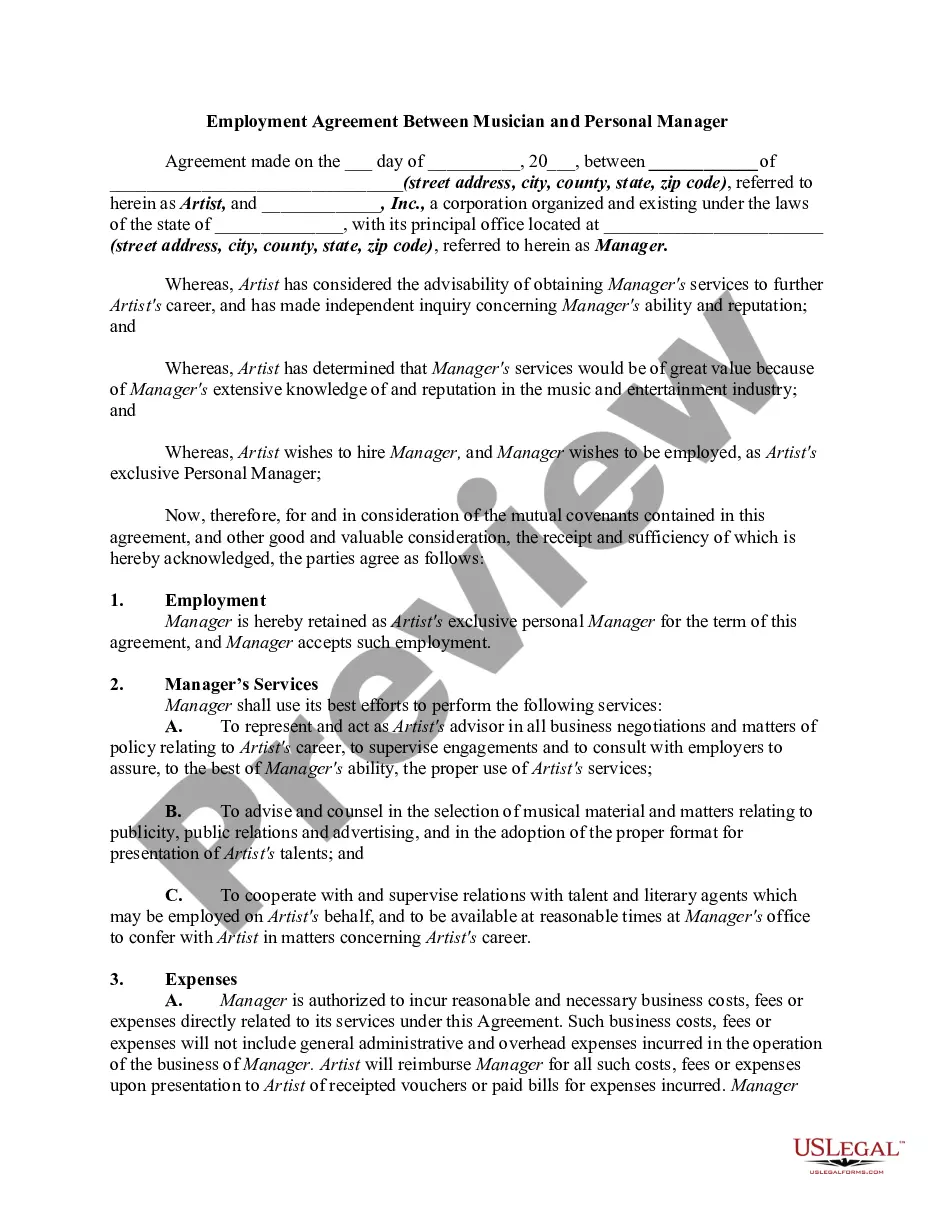
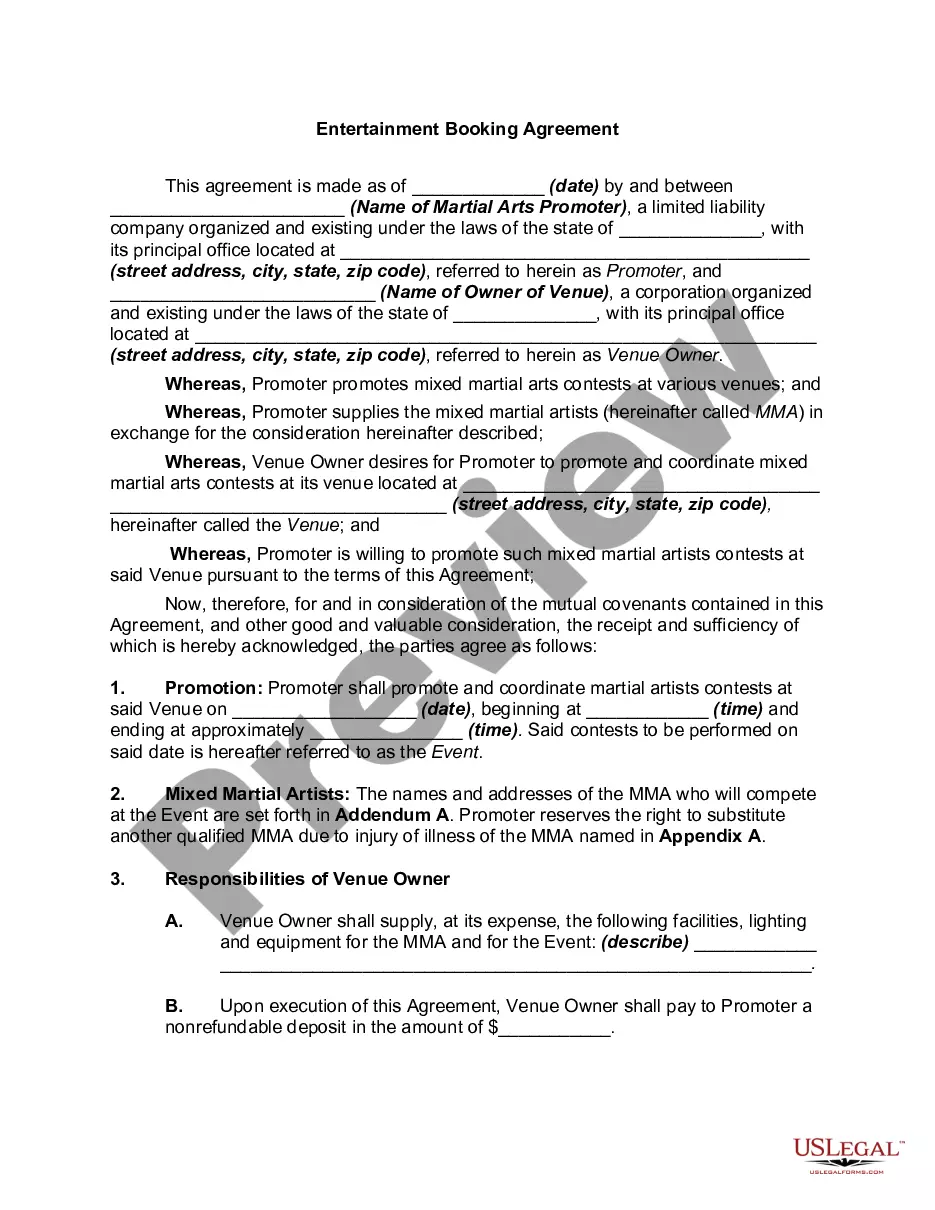
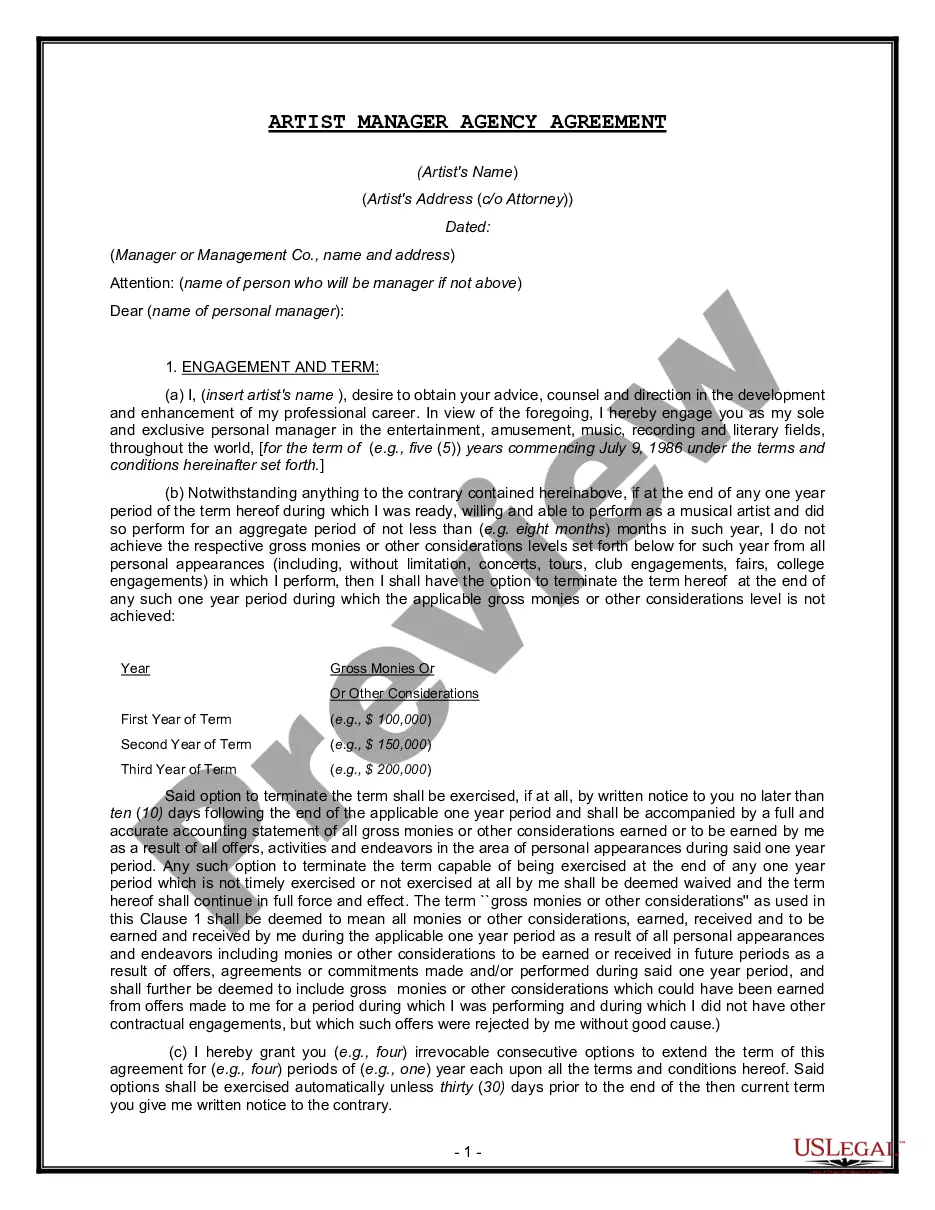
Get your form ready online
Our built-in tools help you complete, sign, share, and store your documents in one place.
Make edits, fill in missing information, and update formatting in US Legal Forms—just like you would in MS Word.
Download a copy, print it, send it by email, or mail it via USPS—whatever works best for your next step.
Sign and collect signatures with our SignNow integration. Send to multiple recipients, set reminders, and more. Go Premium to unlock E-Sign.
If this form requires notarization, complete it online through a secure video call—no need to meet a notary in person or wait for an appointment.
We protect your documents and personal data by following strict security and privacy standards.

Make edits, fill in missing information, and update formatting in US Legal Forms—just like you would in MS Word.

Download a copy, print it, send it by email, or mail it via USPS—whatever works best for your next step.

Sign and collect signatures with our SignNow integration. Send to multiple recipients, set reminders, and more. Go Premium to unlock E-Sign.

If this form requires notarization, complete it online through a secure video call—no need to meet a notary in person or wait for an appointment.

We protect your documents and personal data by following strict security and privacy standards.
Looking for another form?

Form popularity
FAQ
Default State Laws Apply: Without an operating agreement, your LLC is automatically subjected to the default state laws where the LLC was formed. These laws may not suit the specific needs of your business or its members, potentially leading to unfavorable governance and operational structures.
Texas LLC Law on LLC Member Withdrawal or Expulsion Unless your LLC operating agreement has a provision for withdrawal or expulsion, there are only two mainstream options available for removing a member from an LLC. The first is voluntary dissolution and the second is judicial dissolution.
Operating agreements are not filed or sent to the state in any manner. Your operating agreement is an internal document your LLC should keep on record.
There are seven steps you'll complete to start an S corp in Texas. Step 1: Check Name Availability. Step 2: Choose a Business Name. Step 3: Registered Agent. Step 4: Complete Form 201. Step 5: Bylaws and Regulations. Step 6: Obtain EIN. Step 7: File Form 2553.
While Texas law does not mandate LLCs to have an operating agreement, it is highly recommended to have one as it offers numerous benefits and legal protections. It also helps in avoiding misunderstandings among members and demonstrating compliance with legal formalities.
No requirement exists under Texas law for a Texas LLC to create an operating agreement. However, it is recommended. Both sole owners and multi-members benefit from a Texas LLC operating agreement.
Agreements to Agree In the Future Are Not Enforceable Texas law is clear that contracts calling for parties to negotiate in the future —to agree to agree to material terms at a later point—are unenforceable.
With that in mind, let's consider the basic legal elements of a contract. Under Texas law, a binding contract typically consists of six essential elements. Offer and Acceptance. Legal Purpose. Mutual Assent. Sufficiently Defined Terms. Consideration. Competent Parties. Protect your interests by getting legal advice.
There is currently no legal requirement to have an executive service agreement in place. However, it is strongly advisable to do so in order to regulate the relationship between the director and the employer, as well as providing protection to both parties.
The managing director/chief executive is the most senior full-time executive of the company (except when there is an executive chairperson). The role of managing director and chief executive are virtually the same, although the chief executive may not be a member of the board of directors.
