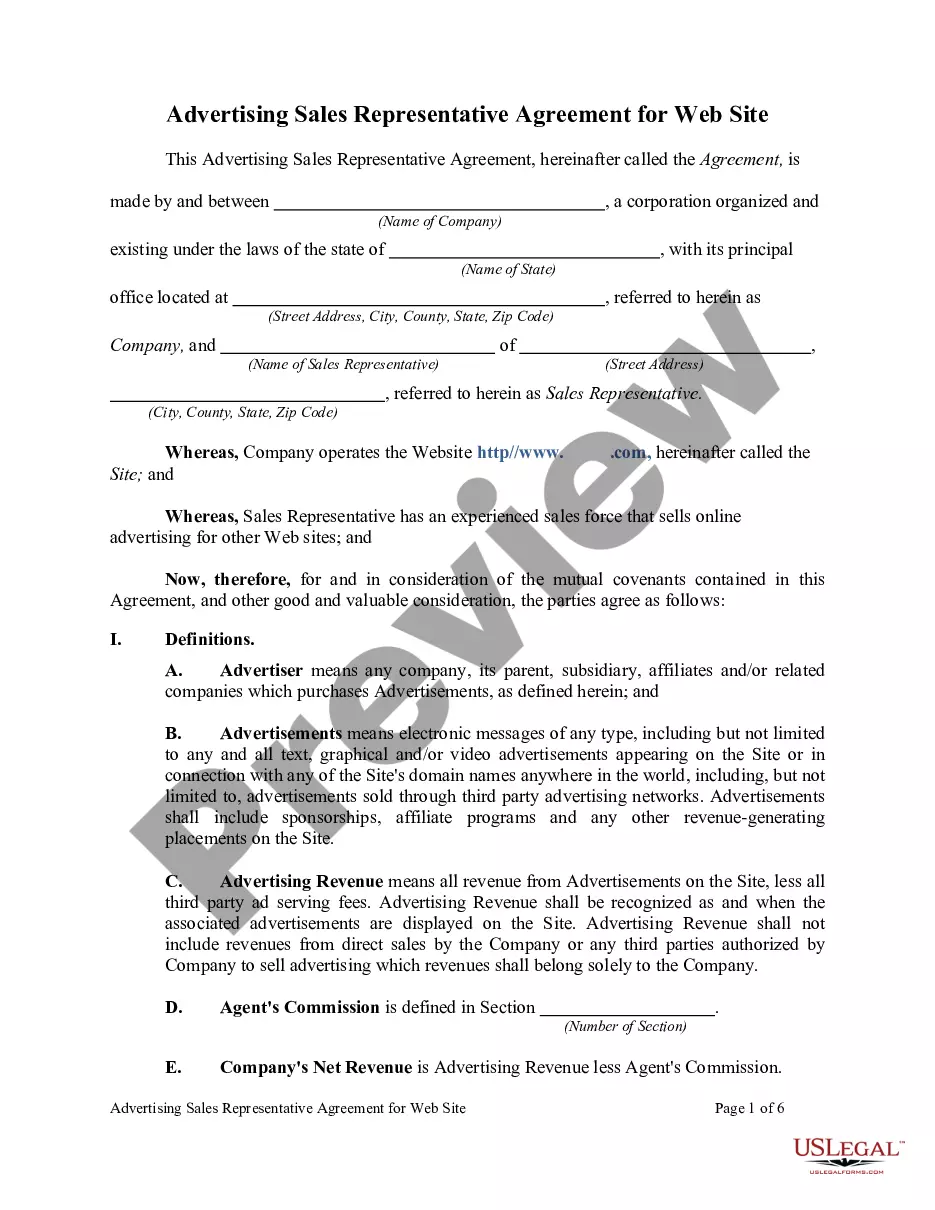
Artist Record Deal Contract In Contra Costa
Description









Get your form ready online
Our built-in tools help you complete, sign, share, and store your documents in one place.
Make edits, fill in missing information, and update formatting in US Legal Forms—just like you would in MS Word.
Download a copy, print it, send it by email, or mail it via USPS—whatever works best for your next step.
Sign and collect signatures with our SignNow integration. Send to multiple recipients, set reminders, and more. Go Premium to unlock E-Sign.
If this form requires notarization, complete it online through a secure video call—no need to meet a notary in person or wait for an appointment.
We protect your documents and personal data by following strict security and privacy standards.

Make edits, fill in missing information, and update formatting in US Legal Forms—just like you would in MS Word.

Download a copy, print it, send it by email, or mail it via USPS—whatever works best for your next step.

Sign and collect signatures with our SignNow integration. Send to multiple recipients, set reminders, and more. Go Premium to unlock E-Sign.

If this form requires notarization, complete it online through a secure video call—no need to meet a notary in person or wait for an appointment.

We protect your documents and personal data by following strict security and privacy standards.
Looking for another form?






Form popularity
FAQ
Most musicians do not get a record deal for several reasons: High Competition: The music industry is highly competitive, with countless artists vying for attention. Labels receive thousands of demos and submissions, making it difficult for any single artist to stand out.
GETTING SIGNED TO A MAJOR LABEL We're talking between 20-100k followers. Many artists end up hiring social media management to get this done so they can stay focused on the music.
The average major record label receives between 10,000 – 20,000 submissions a year from independent artists. Depending on the size of their budget, each label can only sign around 5 – 40 artists a year. So as you can see, competition is ferocious!
A typical recording contract pays royalties ranging from 10% to 20% of album sales. For example, if an artist sells 100,000 copies of their album priced at $10 each, they would earn $100,000 to $200,000 in royalties.
How to get signed by a record label Define your sound. Build your online presence. Release high-quality music. Develop your industry network. Submit your music. Music managers and music lawyers.
How to get signed by a record label Define your sound. Build your online presence. Release high-quality music. Develop your industry network. Submit your music. Music managers and music lawyers.
Just cold email them and be honest, friendly, and professional. Say how much you like the label and tell them you are interested in releasing music with them. Along with your message, share a streaming link to your best demos.
Contracts like an artist agreement help avoid miscommunications and confusion over the rights and responsibilities of both parties involved. Artist agreements typically include availability expectations, performance markers, and licensing or ownership rights of the works created during the partnership.
Generally, to be legally valid, most contracts must contain two elements: All parties must agree about an offer made by one party and accepted by the other. Something of value must be exchanged for something else of value.
For major label record deals, a typical artist royalty is in the 12-20% range. This lower royalty is a reflection of the increased investment that comes with a major label. In other words, you make less from record sales, but should be benefitting from a much larger investment in recording and marketing.