Contract Management For Construction Project In California
Description

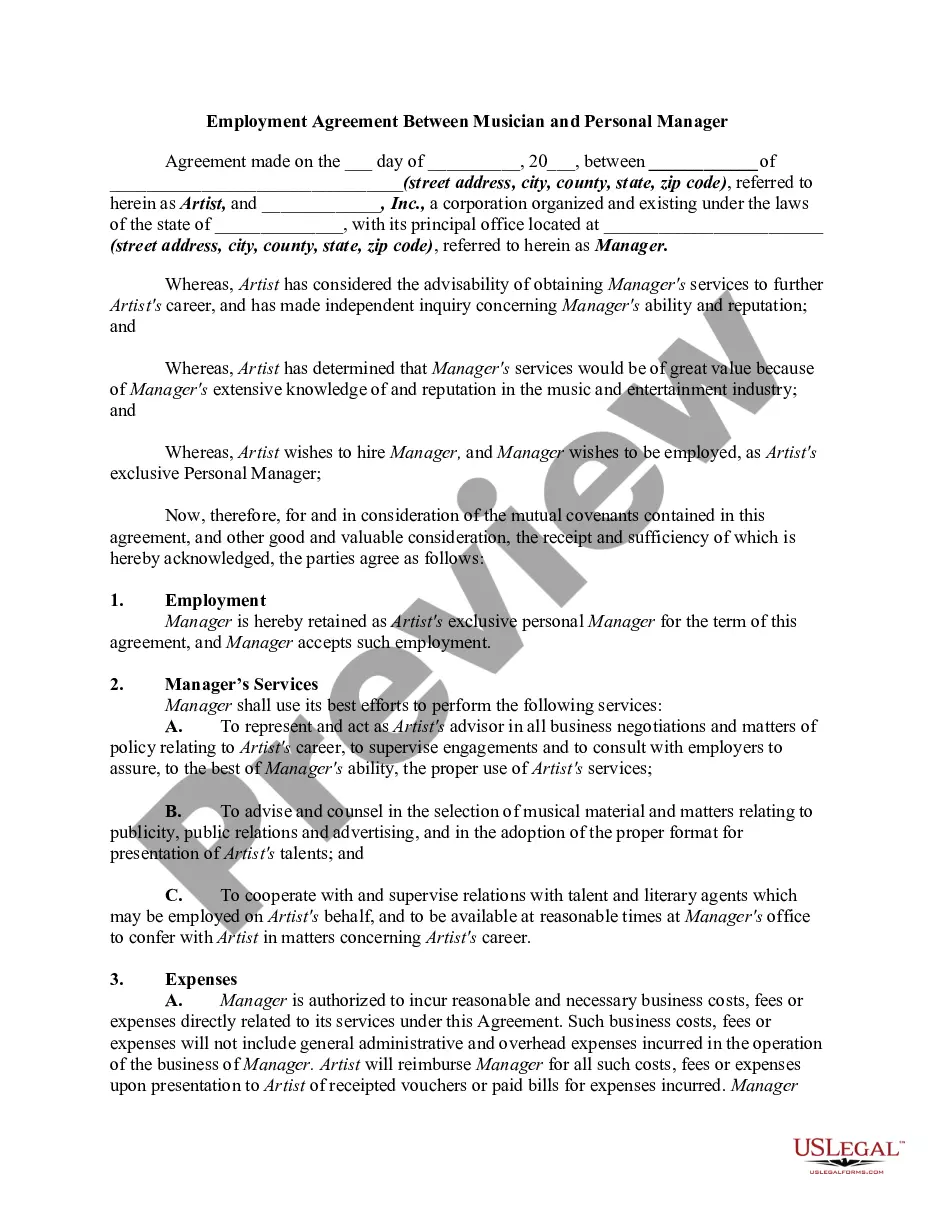
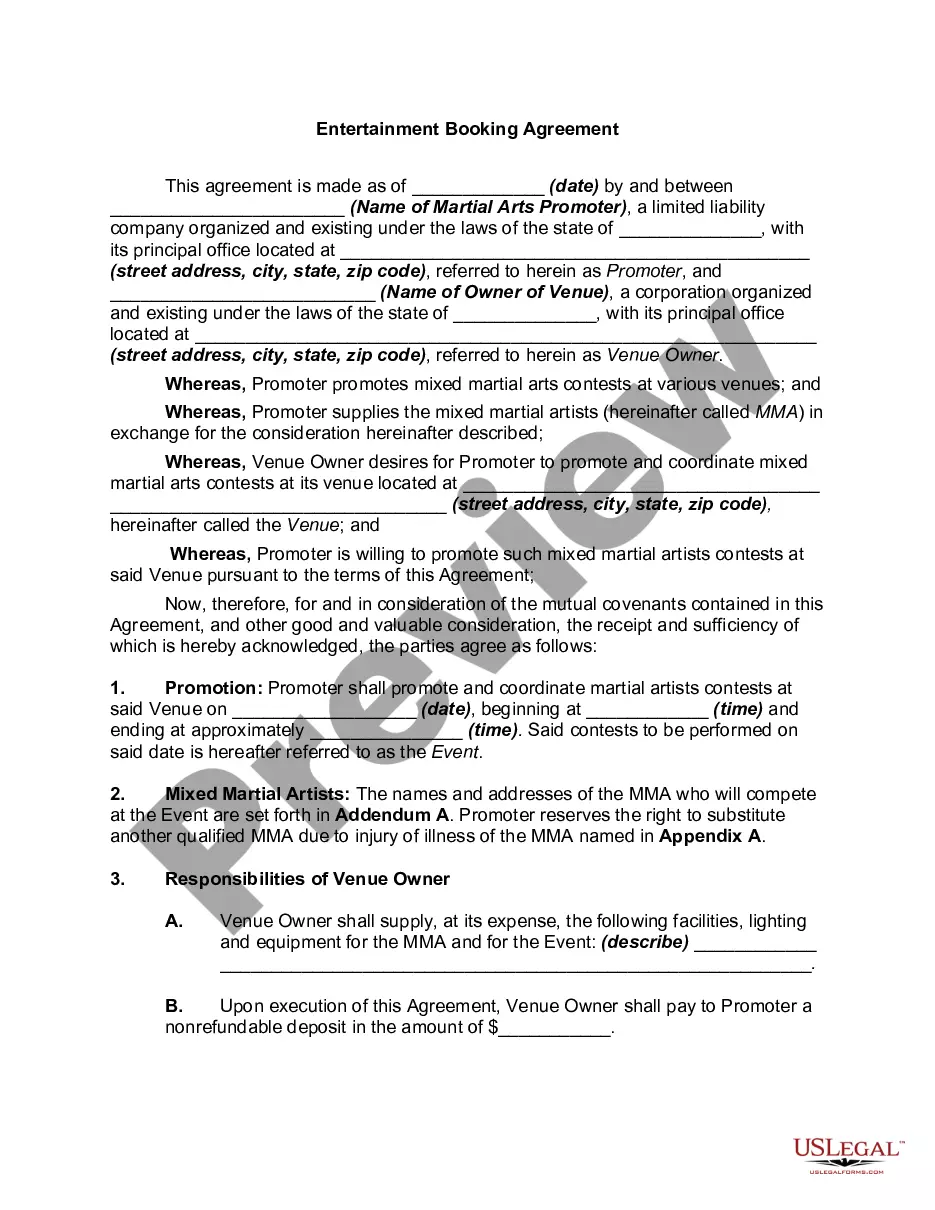
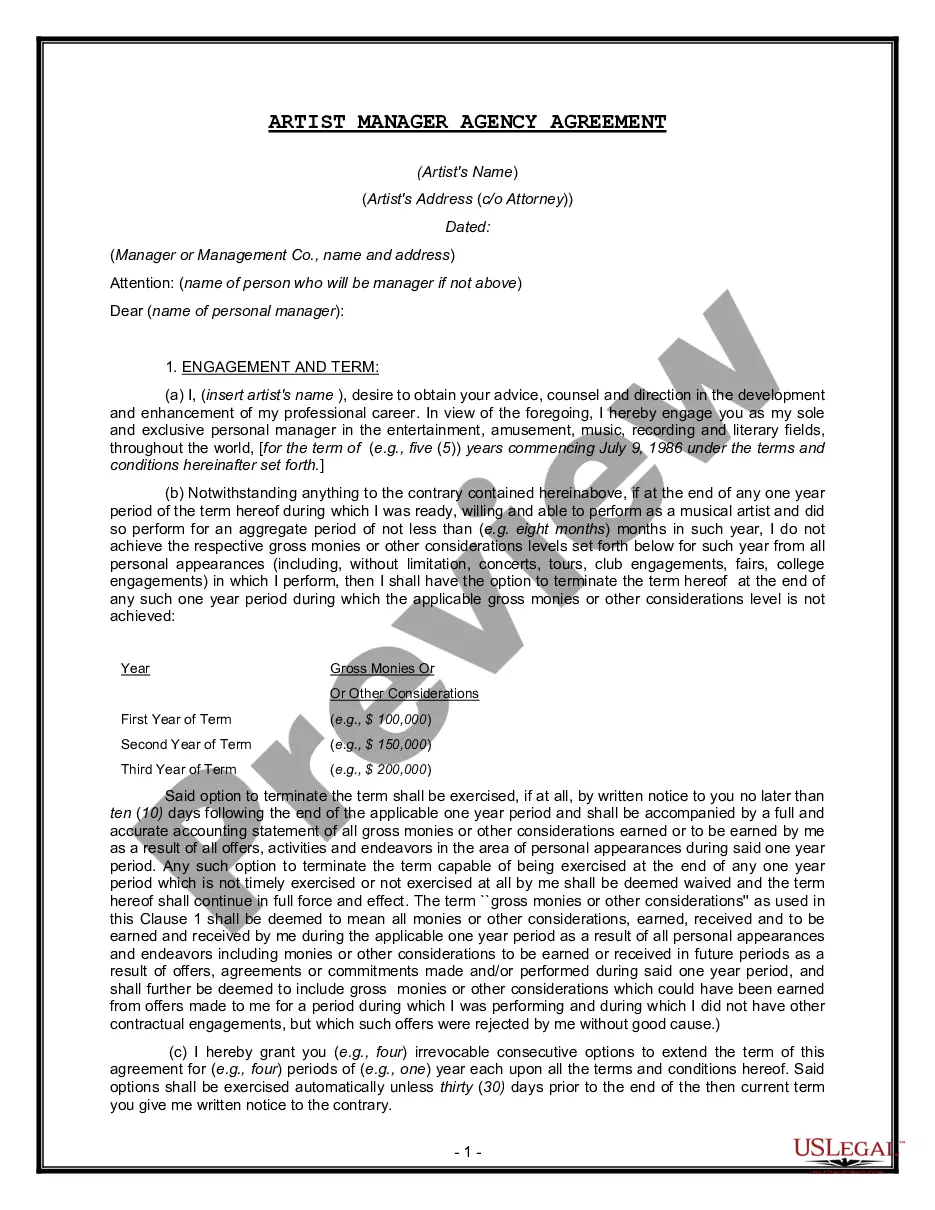
Get your form ready online
Our built-in tools help you complete, sign, share, and store your documents in one place.
Make edits, fill in missing information, and update formatting in US Legal Forms—just like you would in MS Word.
Download a copy, print it, send it by email, or mail it via USPS—whatever works best for your next step.
Sign and collect signatures with our SignNow integration. Send to multiple recipients, set reminders, and more. Go Premium to unlock E-Sign.
If this form requires notarization, complete it online through a secure video call—no need to meet a notary in person or wait for an appointment.
We protect your documents and personal data by following strict security and privacy standards.

Make edits, fill in missing information, and update formatting in US Legal Forms—just like you would in MS Word.

Download a copy, print it, send it by email, or mail it via USPS—whatever works best for your next step.

Sign and collect signatures with our SignNow integration. Send to multiple recipients, set reminders, and more. Go Premium to unlock E-Sign.

If this form requires notarization, complete it online through a secure video call—no need to meet a notary in person or wait for an appointment.

We protect your documents and personal data by following strict security and privacy standards.
Looking for another form?






Form popularity
FAQ
REQUIREMENTS FOR A CONTRACT In order for a contract to be valid, there must be an offer, an acceptance of the offer, an exchange between the parties of something of value, and an agreement to the terms.
Legal Requirements: In California, construction managers must hold a valid contractor's license issued by the Contractors State License Board (CSLB). To obtain a license, you must meet the following criteria: Be at least 18 years old. Have a valid Social Security number or Individual Taxpayer Identification Number.
10 Different Types of Contracts Type of ContractEveryday Use Implied Contracts Common in everyday transactions like dining out. Express Contracts Standard in formal business agreements. Simple Contracts Used for straightforward services or transactions. Unconscionable Contracts Often challenged in court for fairness.10 more rows •
Contract management in construction is the process of overseeing and administrating contracts between various parties involved in a construction project. It encompasses activities such as the negotiation of contract terms, monitoring compliance with agreed-upon conditions, and facilitating dispute resolutions.
Unlike lump sum contracts, which require a well-defined scope of work, T&M contracts are often used for projects where the scope is less certain.
To become a construction manager in California, one must first obtain a bachelor's degree in construction management, engineering, or a related field. Next, they must complete the required certifications, such as the Certified Construction Manager (CCM) credential.
All contract manager positions require candidates to have at least a bachelor's degree. There's no degree specifically for contract management, but having a degree in business, pre-law, or human resources may be a good way of preparing for this career path.
How to implement contract management activities Step 1: Transition activities, if any. Step 2: Review the draft contract management plan. Step 3: Review the contract's budget. Step 4: Resources to support contract management. Step 5: Finalise and implement the contract management plan.
The best practices for effective contract management in construction include establishing clear communication and documentation procedures, regularly reviewing and updating the contract management plan, tracking project progress, and addressing issues promptly to avoid disputes.
This good practice framework defines the four blocks – structure and resources, delivery, development, and strategy – comprising 11 areas (Figure 1) that organisations should consider when planning and delivering contract management.
