Granting Plead With You In North Carolina
Description
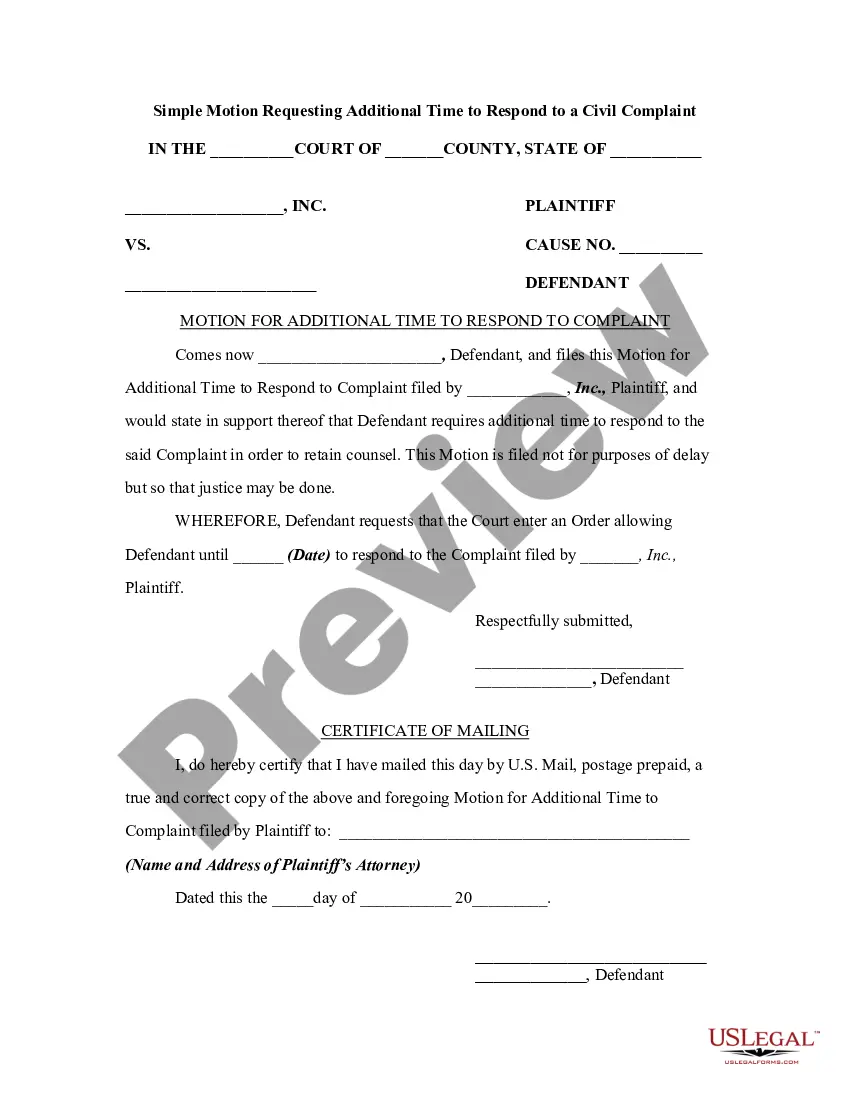
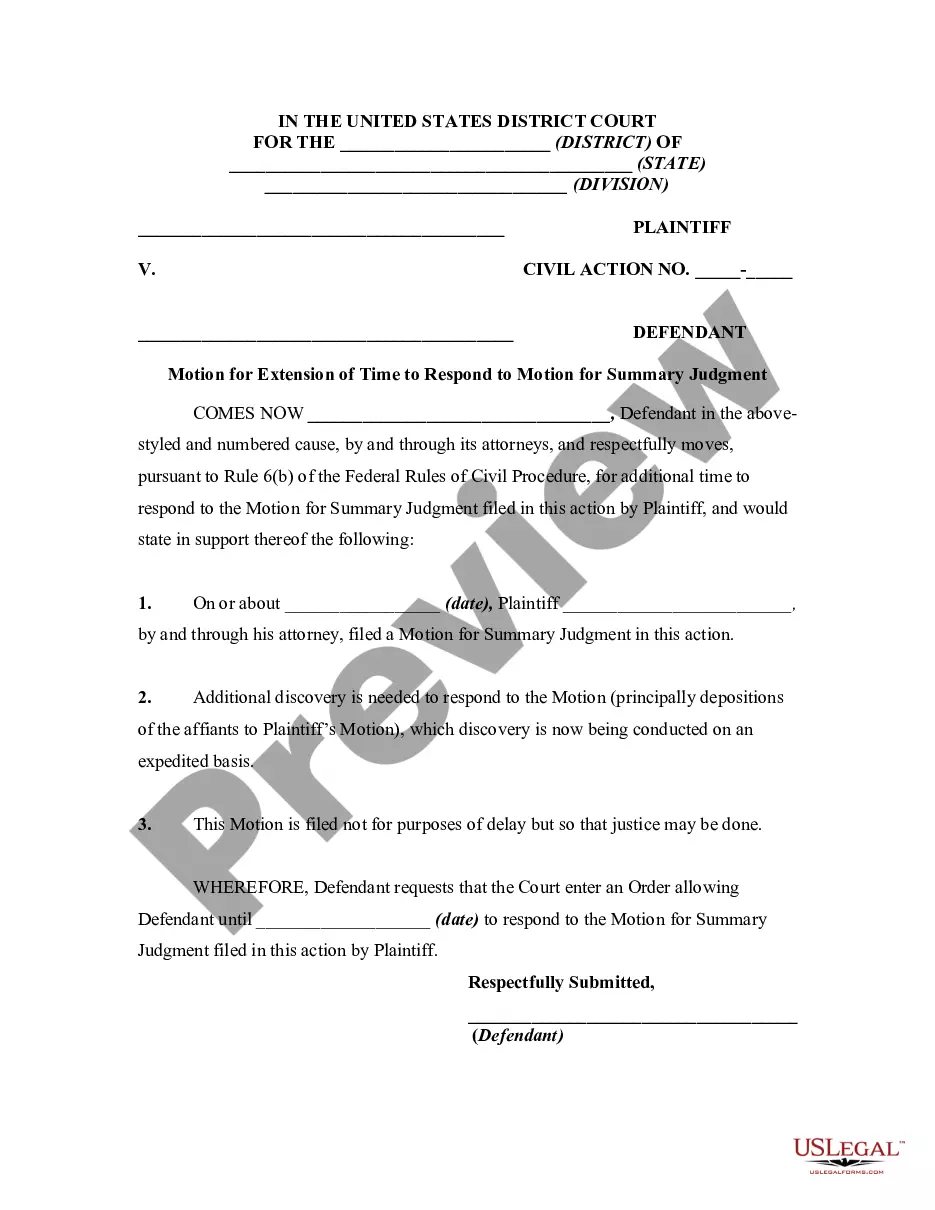
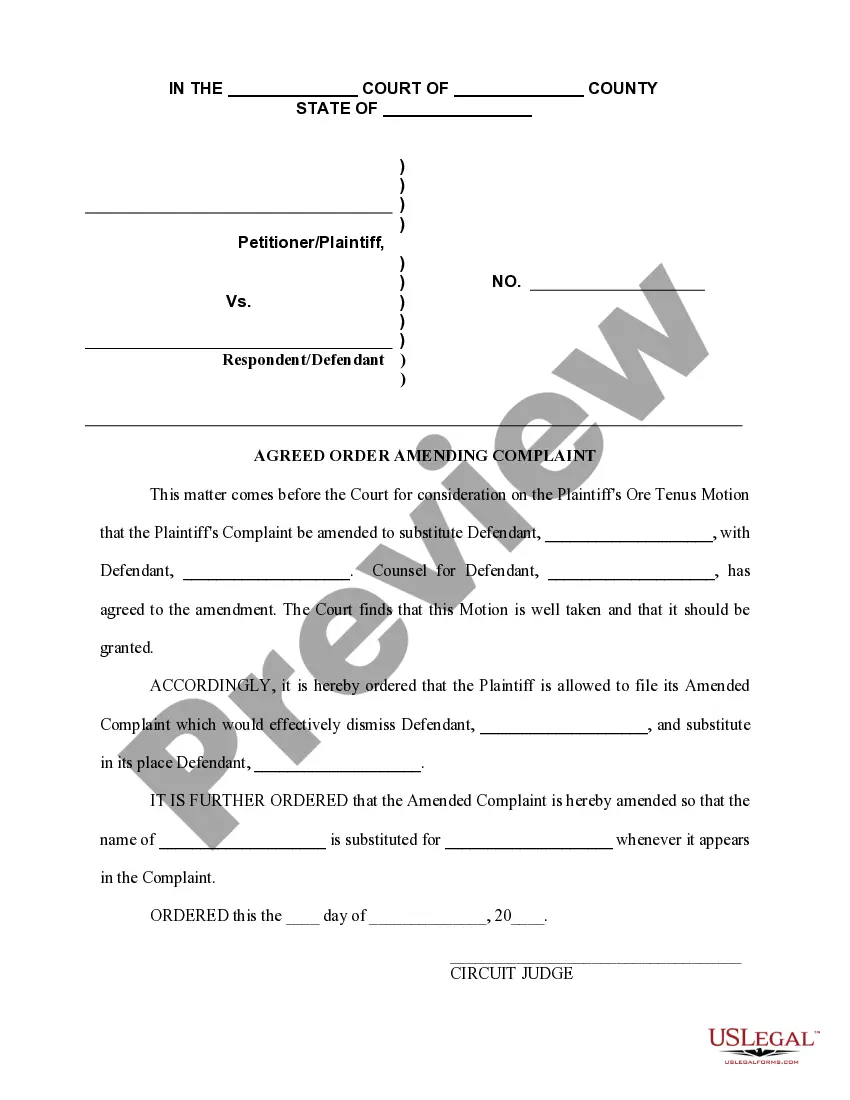
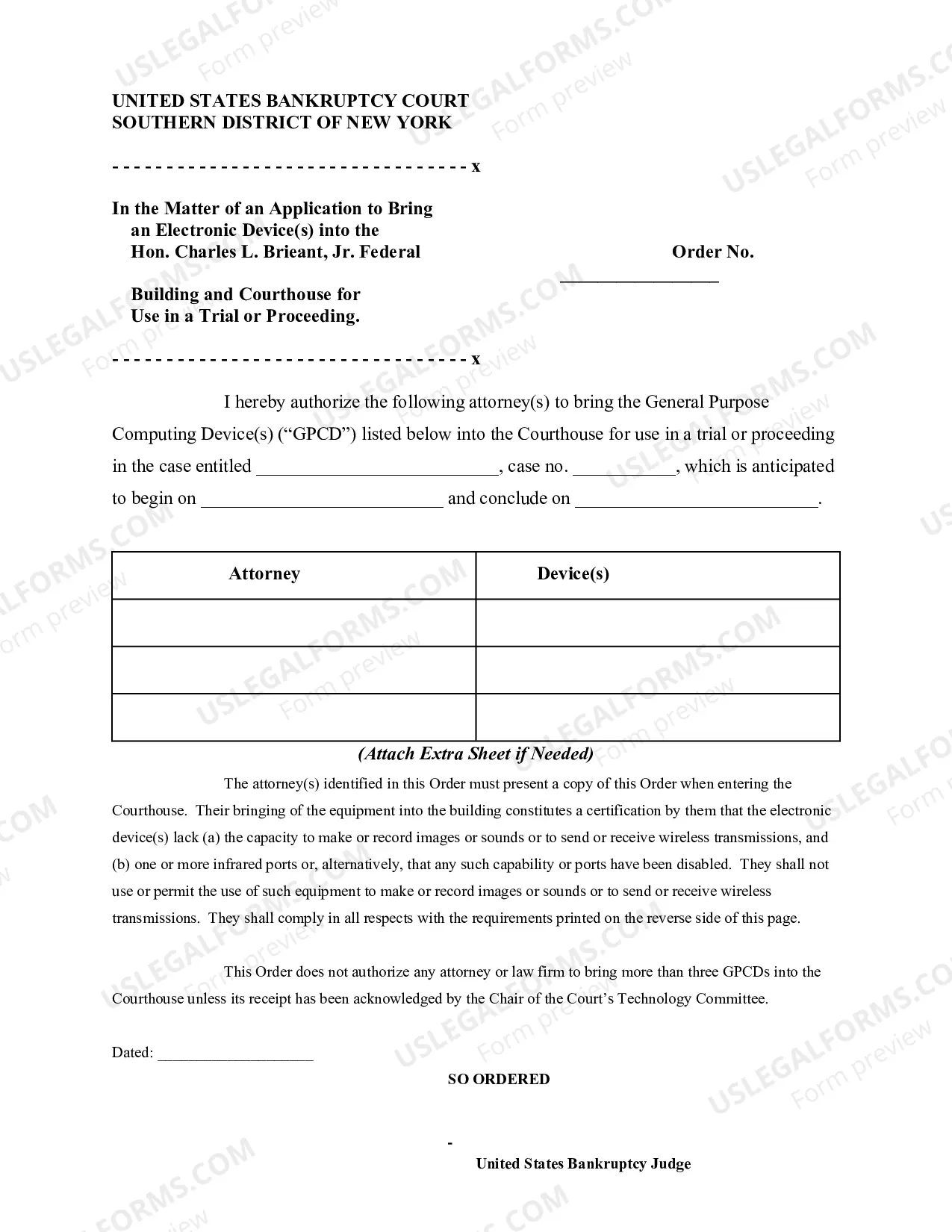
Get your form ready online
Our built-in tools help you complete, sign, share, and store your documents in one place.
Make edits, fill in missing information, and update formatting in US Legal Forms—just like you would in MS Word.
Download a copy, print it, send it by email, or mail it via USPS—whatever works best for your next step.
Sign and collect signatures with our SignNow integration. Send to multiple recipients, set reminders, and more. Go Premium to unlock E-Sign.
If this form requires notarization, complete it online through a secure video call—no need to meet a notary in person or wait for an appointment.
We protect your documents and personal data by following strict security and privacy standards.

Make edits, fill in missing information, and update formatting in US Legal Forms—just like you would in MS Word.

Download a copy, print it, send it by email, or mail it via USPS—whatever works best for your next step.

Sign and collect signatures with our SignNow integration. Send to multiple recipients, set reminders, and more. Go Premium to unlock E-Sign.

If this form requires notarization, complete it online through a secure video call—no need to meet a notary in person or wait for an appointment.

We protect your documents and personal data by following strict security and privacy standards.
Looking for another form?
Form popularity
FAQ
When you accept the plea deal, you will admit guilt and not go to court. Instead, a judge will issue your sentence during a sentencing hearing. In exchange for pleading guilty, the prosecution may reduce the charges against you, dismiss one or more charges, or recommend to the judge a reduced sentence.
A defendant may plead guilty, not guilty, or, with the consent of the court, nolo contendere. If the defendant refuses to plead, or if a defendant corporation fails to appear, the court must enter a plea of not guilty.
The constitutional rights that you waive (give up) when you enter a guilty plea include: the right to a trial by jury,6 the right to testify or not to testify at trial, 7 the privilege against self-incrimination (meaning the right to not reveal information about criminal acts that you may have committed),8 the right to ...
A defendant has a right to appeal when a motion to withdraw a plea of guilty or no contest has been denied. G.S. 15A-1444(e); State v. Handy, 326 N.C. 532 (1990). A defendant may retain the right to appeal the denial of a motion to suppress evidence even after the entry of a guilty plea.
An answer is a response to a complaint that has been filed against you. These forms allow you to file a document telling the Judge which parts of the Plaintiff's complaint that you agree and disagree with. YOU MUST FILE THESE DOCUMENTS WITHIN 30 DAYS OF BEING SERVED WITH THE PLAINTIFF'S COMPLAINT.
You are required to file your Answer with the Clerk of Court and send a copy to the Plaintiff. You may serve your Answer by delivering a copy to the Plaintiff or by mailing it to the Plaintiff's last known address.
A will in North Carolina generally must be self-proving. This means that the will must have been signed by two competent witnesses in front of a notary and the person making the will must be over 18 and of sound mind. However, a will does not have to be self-proving to be valid.
How to Obtain a Prayer for Judgement in North Carolina Understand Eligibility Criteria. Consult with an Attorney. File a Request with the Court. Appear in Court. Provide Relevant Documentation. Negotiate with the Prosecution. Understand the Implications. Comply with Court Requirements.
When drafting an answer, one must: (1) follow the local, state, and federal court rules; (2) research the legal claims in the adversary's complaint; (3) respond to the adversary's factual allegations; and (4) assert affirmative defenses, counterclaims, cross-claims, or third-party claims, if applicable.
The defendant's response to a complaint is called the answer. The answer contains the defendant's version of the events leading to the lawsuit and may be based on the contents of the complaint. The filing of the answer is one option that the defendant has in deciding how to respond to the complaint.