Granting Plead With God In Cuyahoga
Description
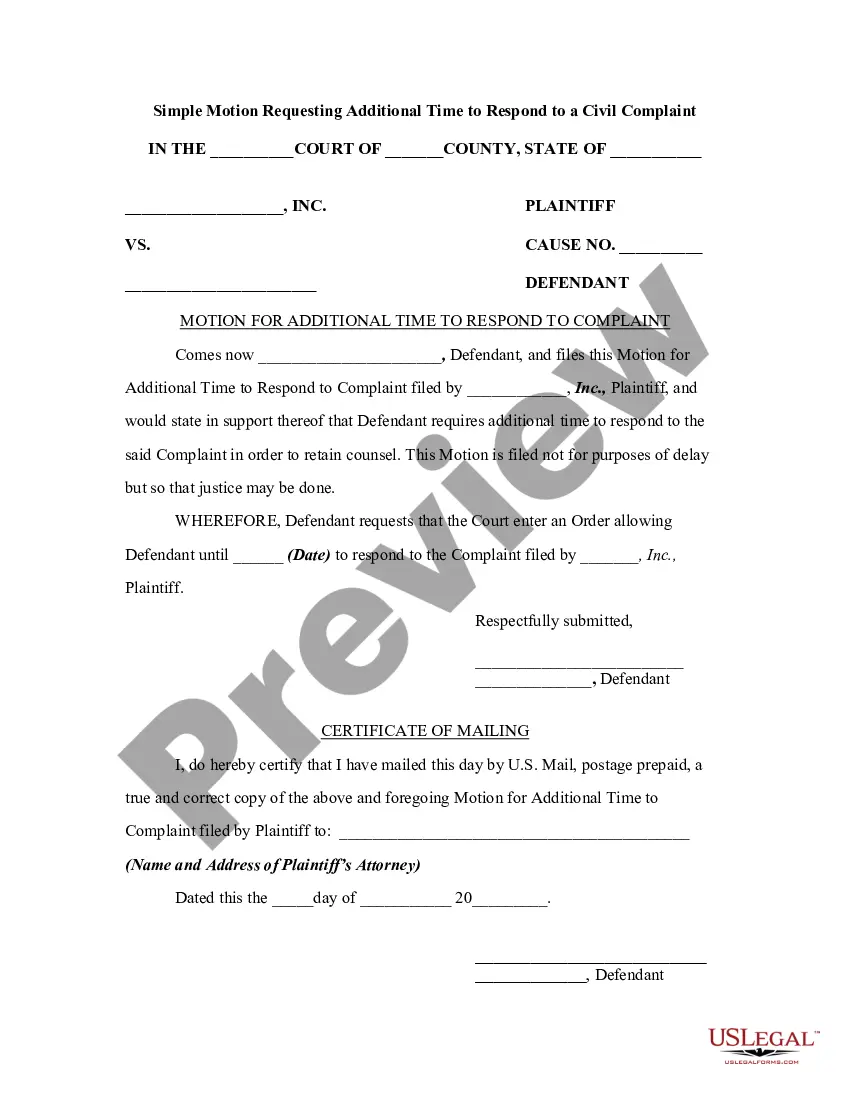
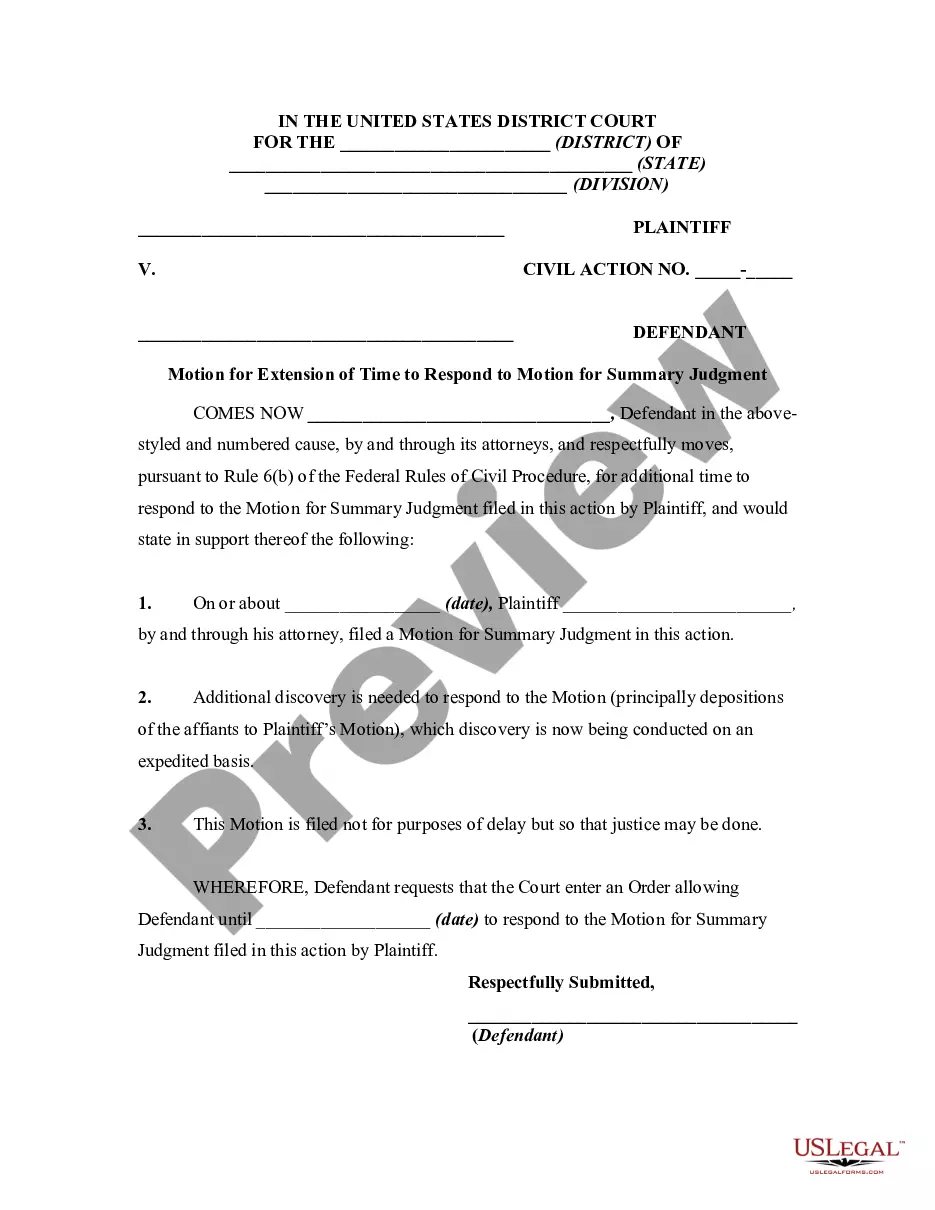
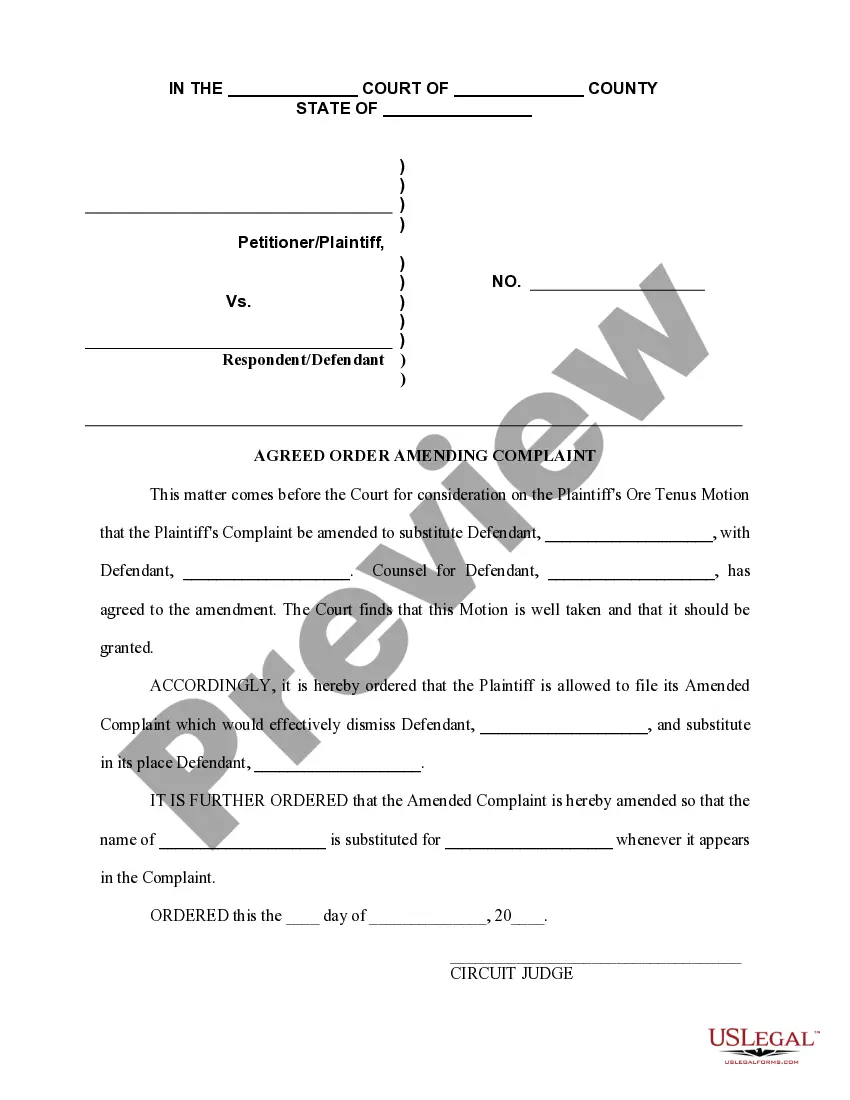
Get your form ready online
Our built-in tools help you complete, sign, share, and store your documents in one place.
Make edits, fill in missing information, and update formatting in US Legal Forms—just like you would in MS Word.
Download a copy, print it, send it by email, or mail it via USPS—whatever works best for your next step.
Sign and collect signatures with our SignNow integration. Send to multiple recipients, set reminders, and more. Go Premium to unlock E-Sign.
If this form requires notarization, complete it online through a secure video call—no need to meet a notary in person or wait for an appointment.
We protect your documents and personal data by following strict security and privacy standards.

Make edits, fill in missing information, and update formatting in US Legal Forms—just like you would in MS Word.

Download a copy, print it, send it by email, or mail it via USPS—whatever works best for your next step.

Sign and collect signatures with our SignNow integration. Send to multiple recipients, set reminders, and more. Go Premium to unlock E-Sign.

If this form requires notarization, complete it online through a secure video call—no need to meet a notary in person or wait for an appointment.

We protect your documents and personal data by following strict security and privacy standards.
Looking for another form?



Form popularity
FAQ
The division establishes a twenty-eight- day deadline for service of responses to motions for summary judgment, and a fourteen-day deadline for service of responses to all other motions. A movant's reply to a response to any motion may be served within seven days after service of the response.
A motion is heard on a 24 day cycle, meaning that when you file a motion, you can expect that your case will be scheduled before a judge within approximately 24 days. There is often times a motion can be delayed when an adjournment is requested or when the court's calendar requires.
11.0 HEARING AND SUBMISSION OF MOTIONS If the motion requires consideration of facts not appearing of record, the movant shall serve and file copies of all affidavits, depositions, photographs or documentary evidence which the movant desires to submit in support of the motion.
Except for motions made during a hearing or during trial, motions are required to be in writing. They must also be filed in court and served on the opposing party's attorney (or the party if not represented by counsel). If the motion is contested, the opposing attorneys will also file papers opposing the motion.
The arraignment judge checks that the defendant knows the charges they face. The court assigns the defendant an attorney if they don't have one. Defendants enter a plea to the charges.
Application must include a statement of the guardian's willingness to perform as guardian, a bond as required by law, and, in the case of a prospective incompetent ward, a statement of the ward's mental and physical condition from a treating physician, psychiatrist, or licensed psychologist.
Things You Should Know Write your legal argument by stating the rule and explaining how your facts apply to it. Then, add your signature, a Certificate of Service, and a Notice of Hearing. File your motion with the clerk of court overseeing your case. Then, give copies to each defendant.
During the arraignment hearing the prosecutor or judge would read the charges to the defendant so he understood what he was being charged with and could, in response, decide if he needed to hire an attorney, gather up witnesses and other evidence or simply plead guilty.
No you will not go to jail at your formal arraignment. The charges will read to you, a judge will be assigned to your case, and you will get a pre trial conference date. For a 3rd duo and 3rd tier, the mandatory, statutory minimum is 1 year in prison. Ask your lawyer to review all of the details of your sentence.