Letter Requesting Motion To Vacate Order Of Default Without Notice In Washington
Description

Get your form ready online
Our built-in tools help you complete, sign, share, and store your documents in one place.
Make edits, fill in missing information, and update formatting in US Legal Forms—just like you would in MS Word.
Download a copy, print it, send it by email, or mail it via USPS—whatever works best for your next step.
Sign and collect signatures with our SignNow integration. Send to multiple recipients, set reminders, and more. Go Premium to unlock E-Sign.
If this form requires notarization, complete it online through a secure video call—no need to meet a notary in person or wait for an appointment.
We protect your documents and personal data by following strict security and privacy standards.

Make edits, fill in missing information, and update formatting in US Legal Forms—just like you would in MS Word.

Download a copy, print it, send it by email, or mail it via USPS—whatever works best for your next step.

Sign and collect signatures with our SignNow integration. Send to multiple recipients, set reminders, and more. Go Premium to unlock E-Sign.

If this form requires notarization, complete it online through a secure video call—no need to meet a notary in person or wait for an appointment.

We protect your documents and personal data by following strict security and privacy standards.
Looking for another form?

Form popularity
FAQ
(CR 60) The tool of last resort. Sometimes, for reason of mistake or justice, final orders entered in a matter need to be voided. CR 60 motions are named after Washington Court Civil Rule 60. It adjudicates how parties can get final orders in a case overturned, and issues in a case subsequently reopened.
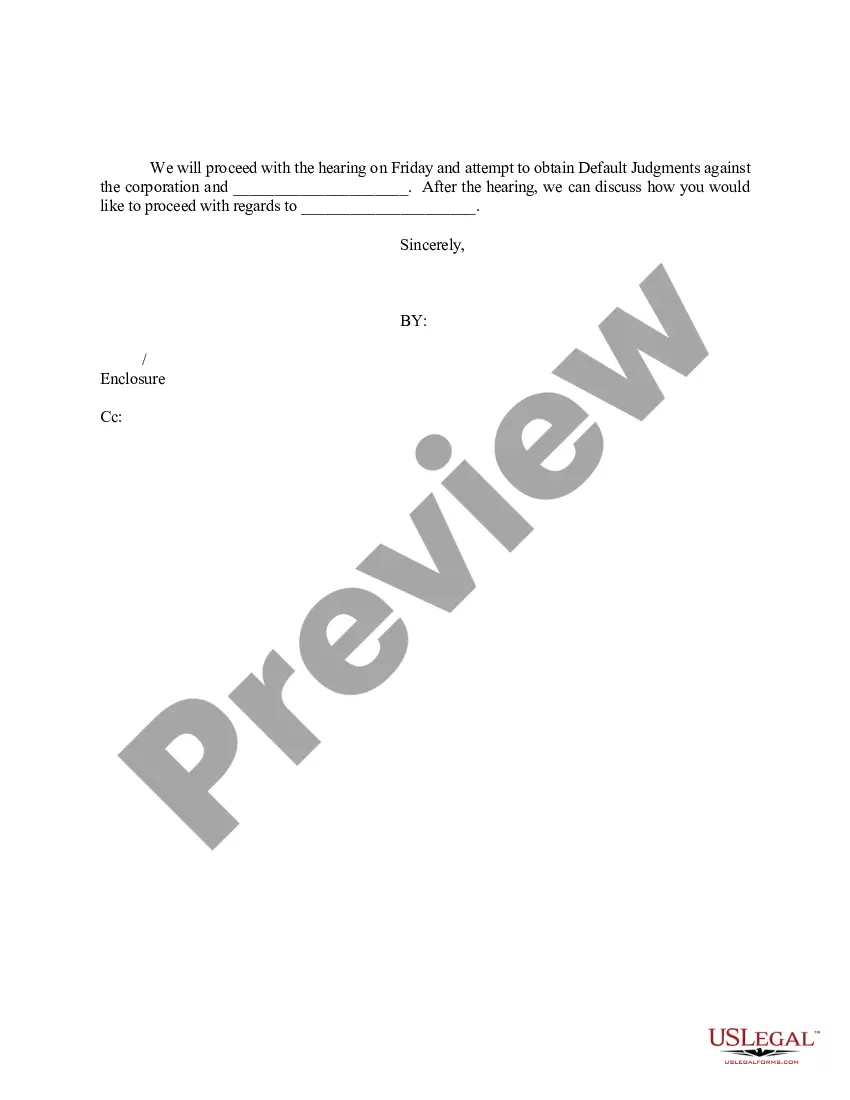
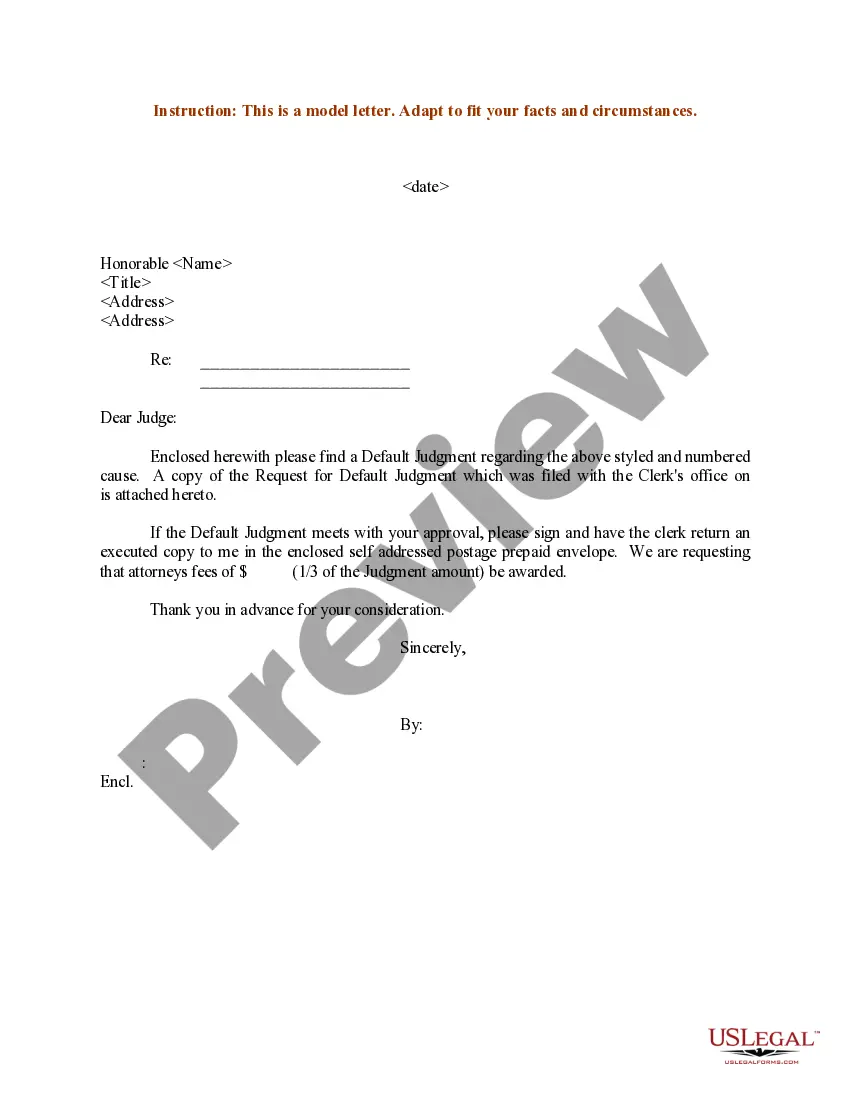
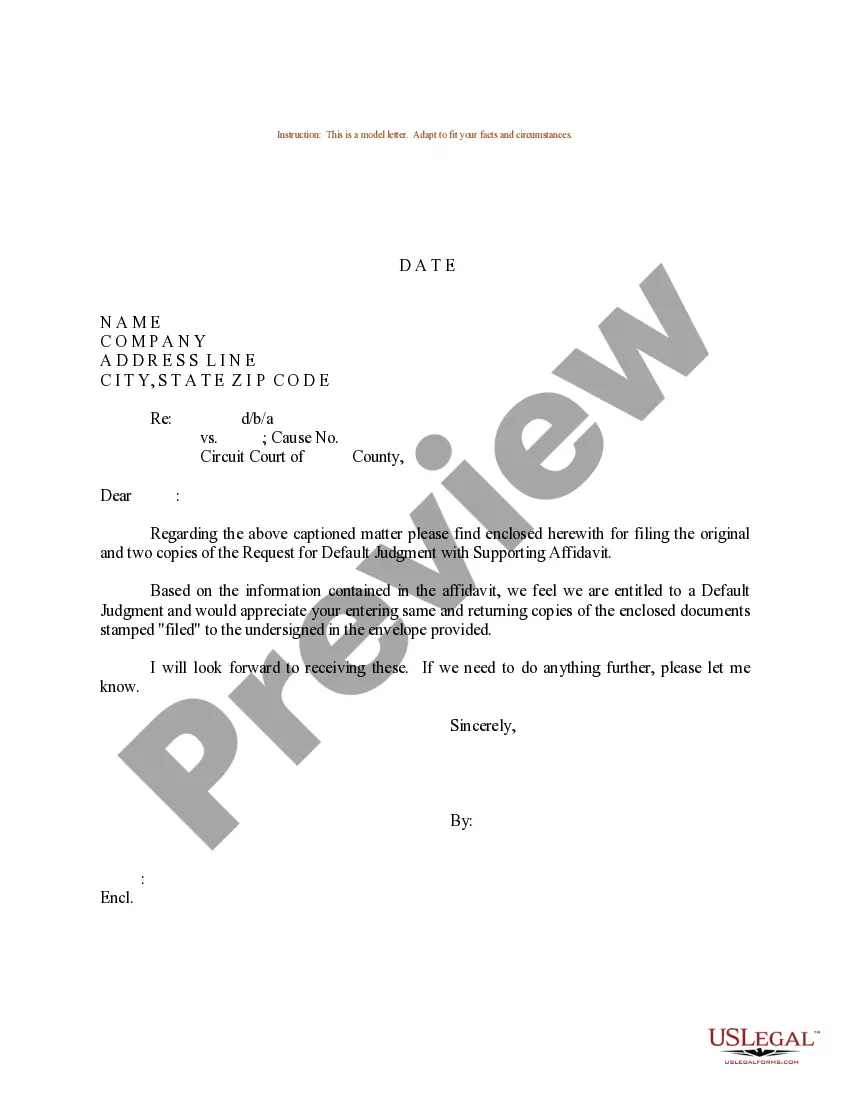
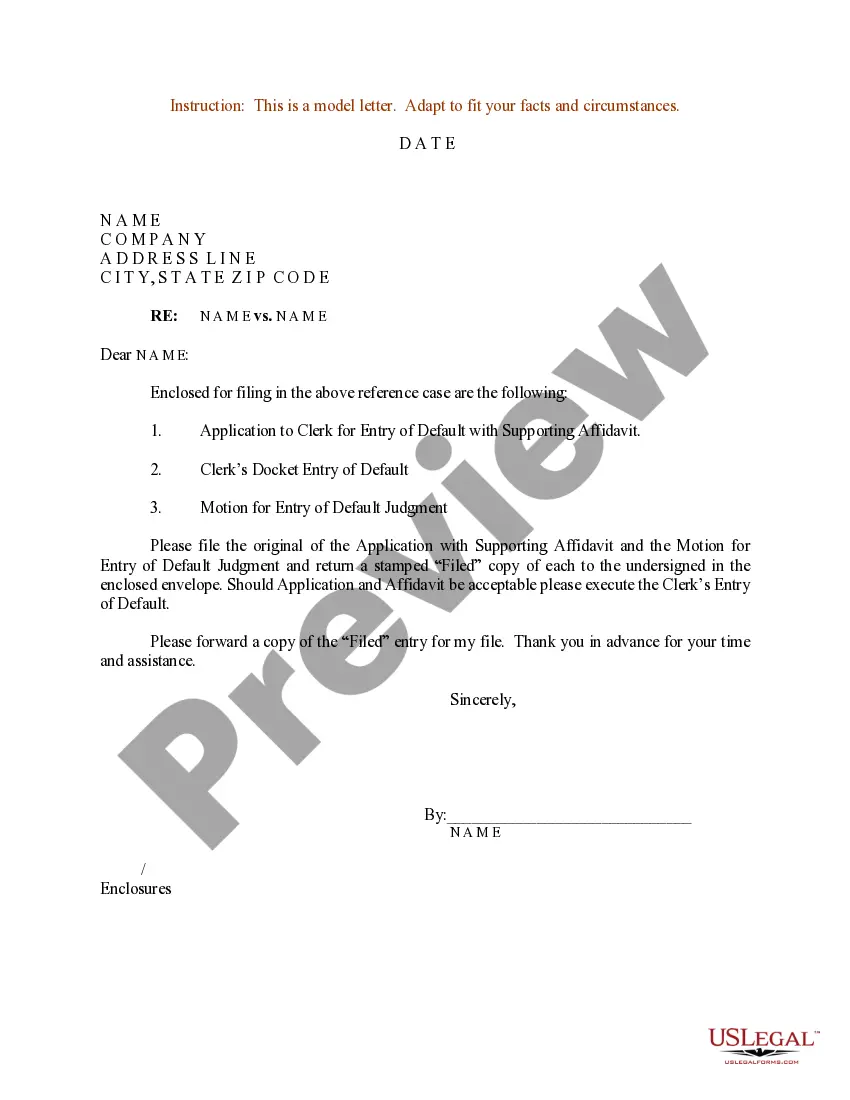
If the defendant fails to respond, then your attorney can request in writing from the court an order of default. If the order of default is granted and entered by the court, the defendant has lost. The next step is to asked the court to determine how much the defendant owes the plaintiff.
The proceedings to vacate or modify a judgment or order for mistakes or omissions of the clerk, or irregularity in obtaining the judgment or order, shall be by motion served on the adverse party or on his or her attorney in the action, and within one year.
If the defendant has a valid reason for not responding, such as never being notified, they may file a motion asking the judge to set aside the default judgment. This is also called a motion for relief from default or a motion to vacate judgment.
A motion to vacate the chair or motion to declare the chair vacant, commonly shortened to motion to vacate, is a procedure in which a member of a legislative body proposes that the presiding officer vacates their office.
The proceedings to vacate or modify a judgment or order for mistakes or omissions of the clerk, or irregularity in obtaining the judgment or order, shall be by motion served on the adverse party or on his or her attorney in the action, and within one year.
An appeal asks a higher court to change the decision made by a lower court. A Motion to Vacate asks the same court to cancel its decision, as if the case never happened.
The Law Clerk Program is an alternative to law school authorized under rule 6 of the Washington Supreme Courts Admission and Practice Rule (APR) 6. It is a four-year program designed to provide educational and practical experience through a combination of work and study with an experienced lawyer or judge.
The "Rule of 60" is a guideline often used in retirement plans, where an employee becomes eligible for a pension or early retirement benefits once their age combined with years of service equals 60. This rule aims to reward long-serving employees by allowing them to retire earlier with full or partial benefits.
