Request For Default Prove Up Hearing In Ohio
Description

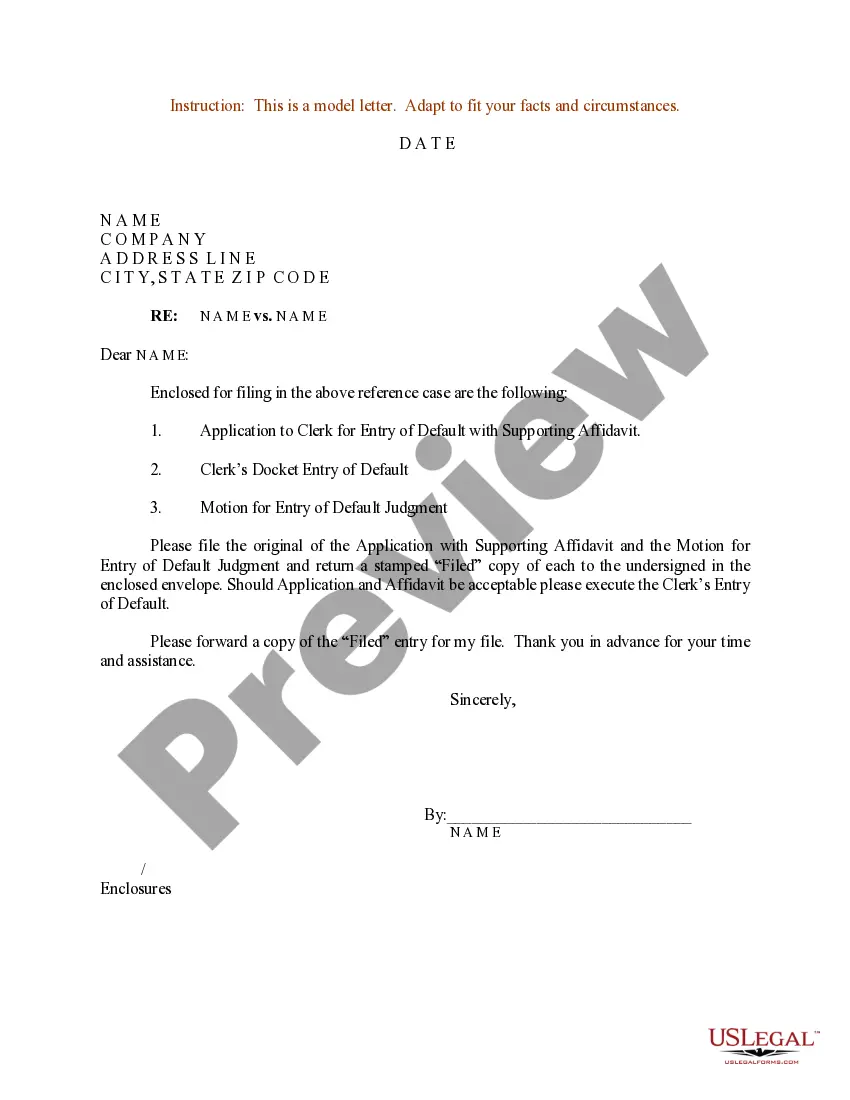
Get your form ready online
Our built-in tools help you complete, sign, share, and store your documents in one place.
Make edits, fill in missing information, and update formatting in US Legal Forms—just like you would in MS Word.
Download a copy, print it, send it by email, or mail it via USPS—whatever works best for your next step.
Sign and collect signatures with our SignNow integration. Send to multiple recipients, set reminders, and more. Go Premium to unlock E-Sign.
If this form requires notarization, complete it online through a secure video call—no need to meet a notary in person or wait for an appointment.
We protect your documents and personal data by following strict security and privacy standards.

Make edits, fill in missing information, and update formatting in US Legal Forms—just like you would in MS Word.

Download a copy, print it, send it by email, or mail it via USPS—whatever works best for your next step.

Sign and collect signatures with our SignNow integration. Send to multiple recipients, set reminders, and more. Go Premium to unlock E-Sign.

If this form requires notarization, complete it online through a secure video call—no need to meet a notary in person or wait for an appointment.

We protect your documents and personal data by following strict security and privacy standards.
Looking for another form?







Form popularity
FAQ
For example, let's say Annie files a lawsuit against Bridget. Bridget appears in court to argue her side of the case, but Annie forgets to go to court. The judge enters a default judgment against Annie and dismisses the lawsuit because Annie did not show up in court.
This brief hearing allows you and your soon-to-be ex to present divorce settlement terms and corresponding evidence for the judge's ultimate approval. However, the judge can still exercise discretion to make further changes as they deem appropriate.
Disrespectful Language : Avoid using any form of disrespect, such as insults, sarcasm, or derogatory remarks about the judge, the opposing party, or even the legal system. Negative Comments About the Other Parent : Speaking poorly about the other parent can reflect badly on you. Emotional Outbursts
In this process, a judge (rather than a clerk) determines how much the plaintiff can collect after reviewing the amount requested by the plaintiff, which may require a court hearing. Once the default prove-up process is finished and a ruling by the judge is provided, the case is complete.
Ing to a 2019 survey conducted by Martindale-Nolo Research, contested divorces take at least 18 months to finalize in California.
up hearing typically happens when a divorce is uncontested, and the judge needs to verify that the settlement terms are fair and in alignment with California's divorce laws. Start by reviewing all case documents, especially your marital settlement agreement (MSA) and any supporting financial records submitted.
In this process, a judge (rather than a clerk) determines how much the plaintiff can collect after reviewing the amount requested by the plaintiff, which may require a court hearing. Once the default prove-up process is finished and a ruling by the judge is provided, the case is complete.
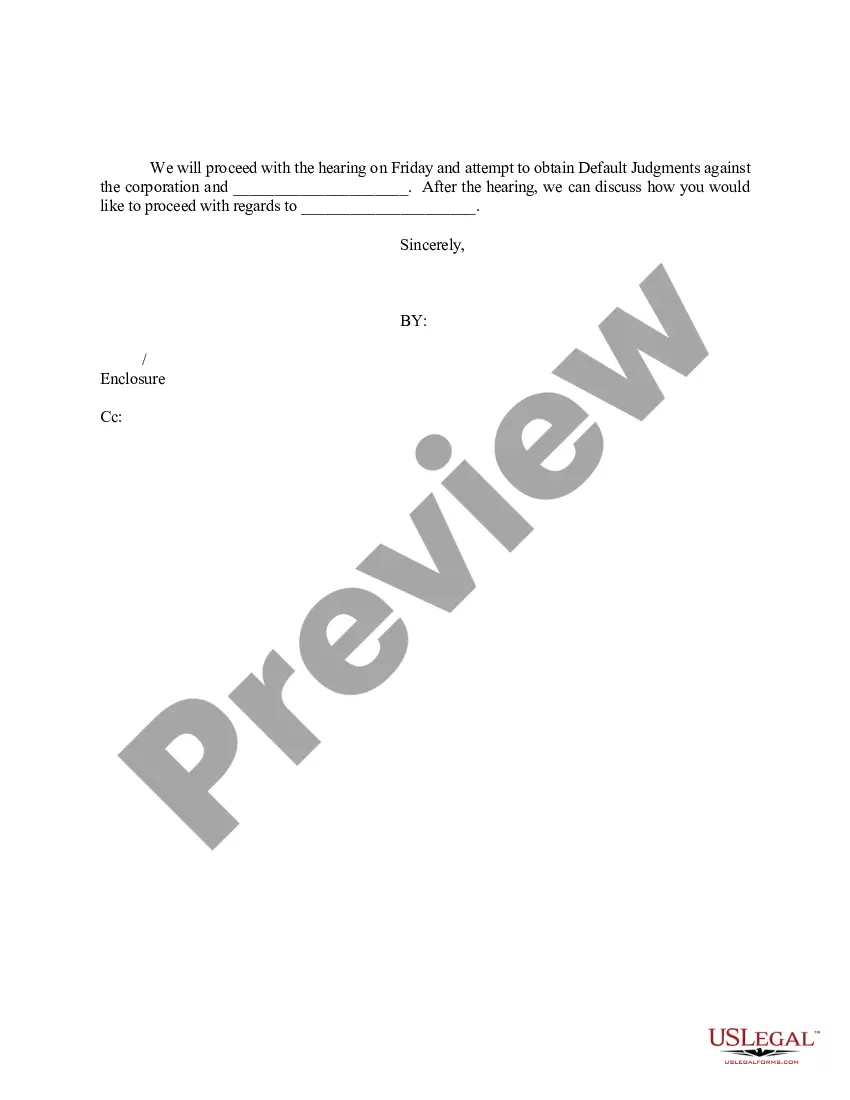
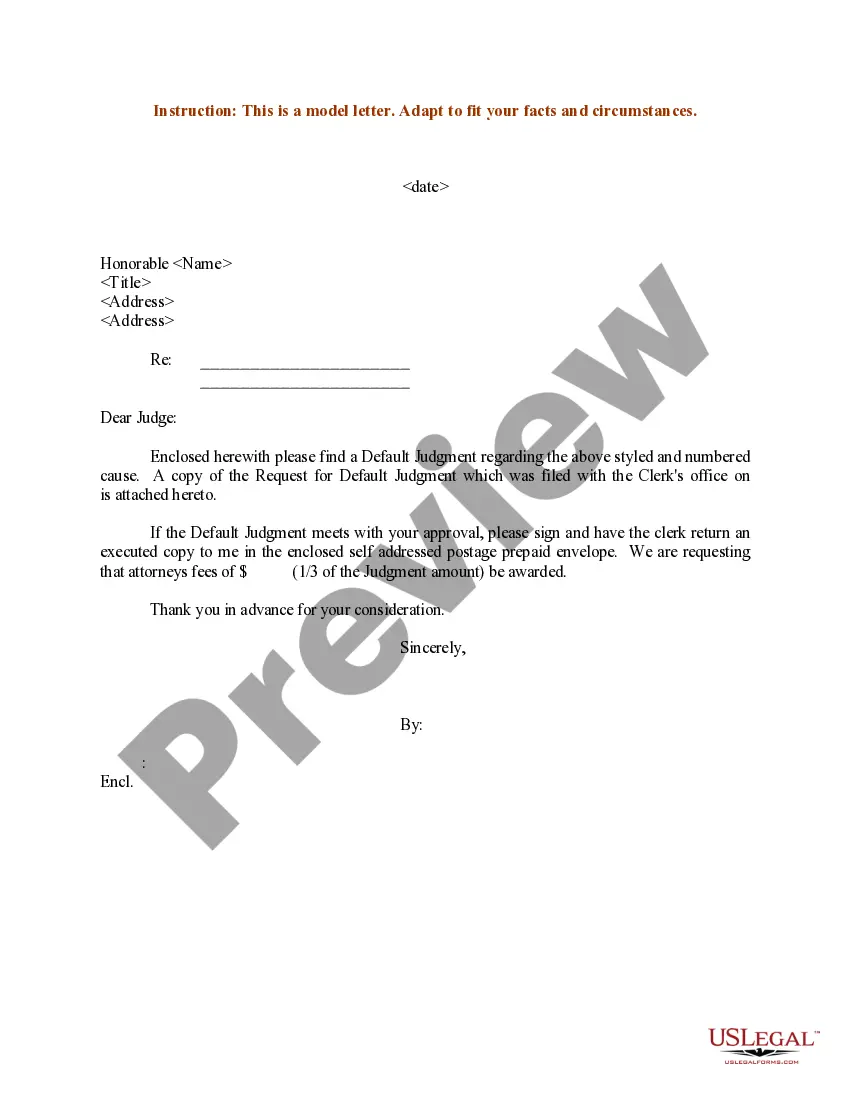
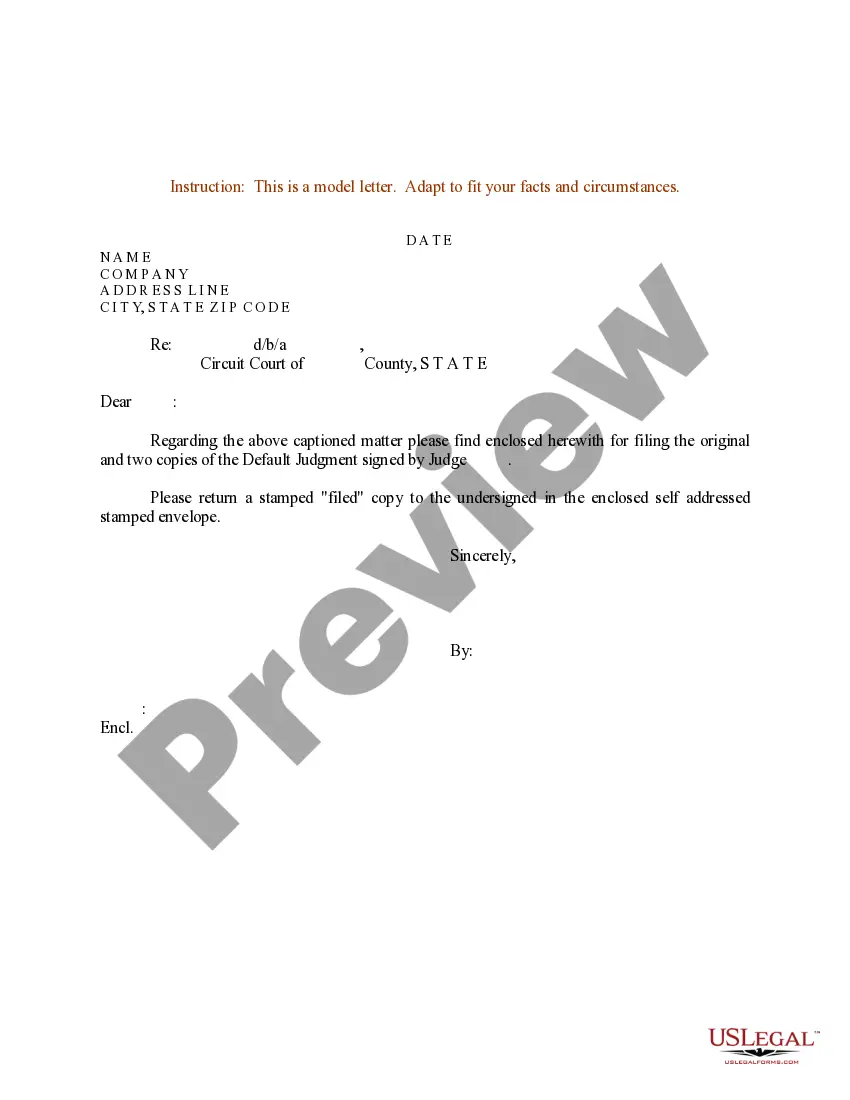
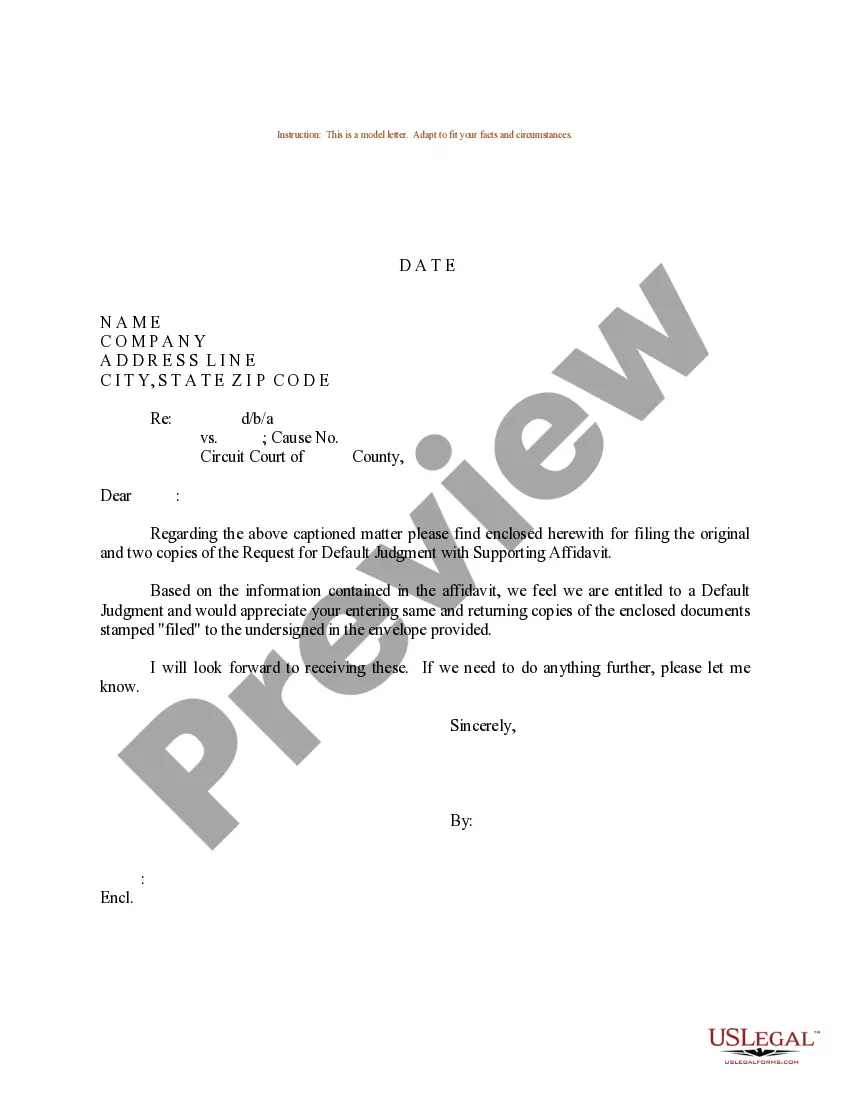
A default prove up hearing occurs when the defendant has failed to respond to the plaintiff's complaint within the specified time frame. As a result, the defendant is considered to be in default, and the hearing is held to determine the appropriate judgment in favor of the plaintiff.
Rule 33 - Interrogatories to Parties (A) Availability; procedures for use. Any party, without leave of court, may serve upon any other party up to forty written interrogatories to be answered by the party served.
