Letter Requesting Motion To Vacate Order Of Default With Student Loans In Nevada
Description
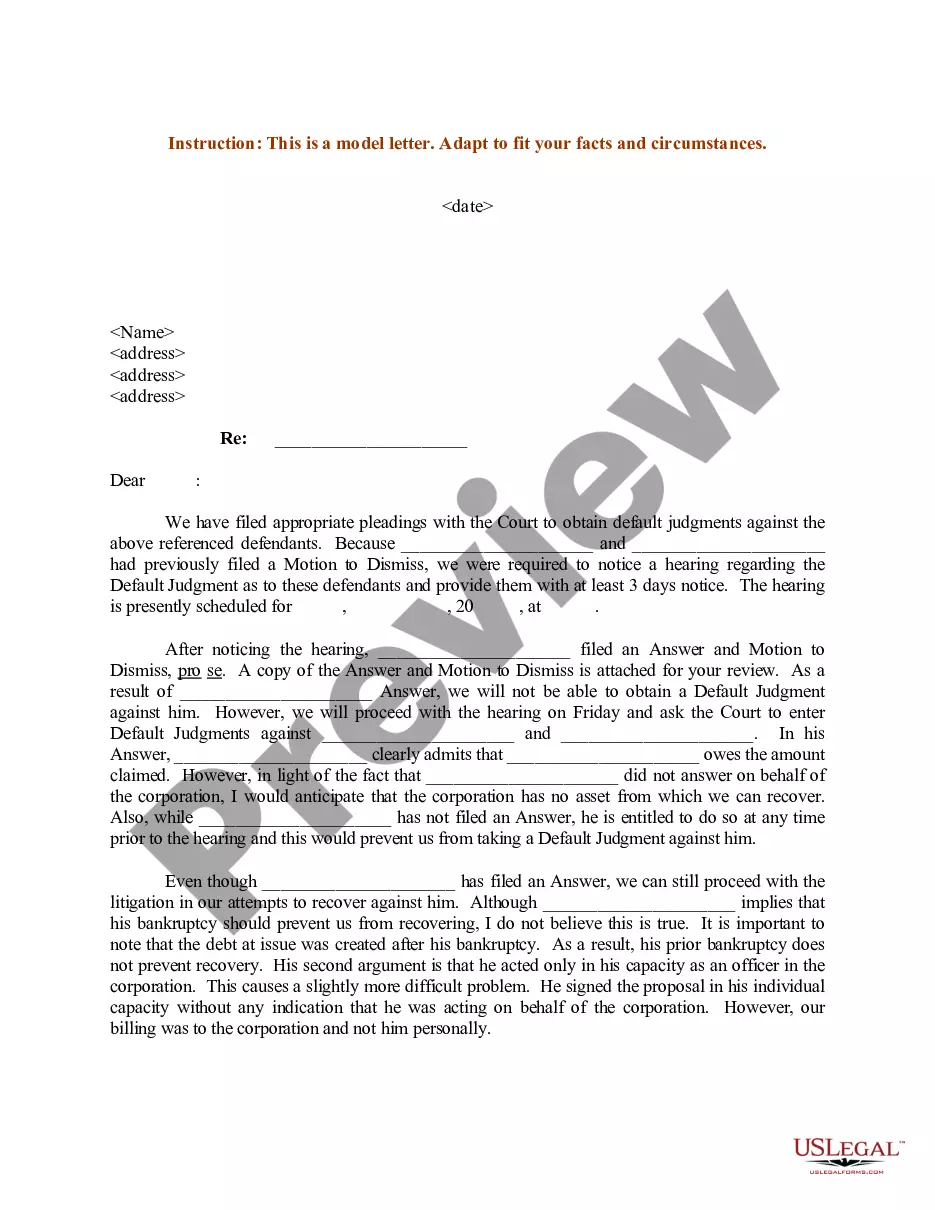
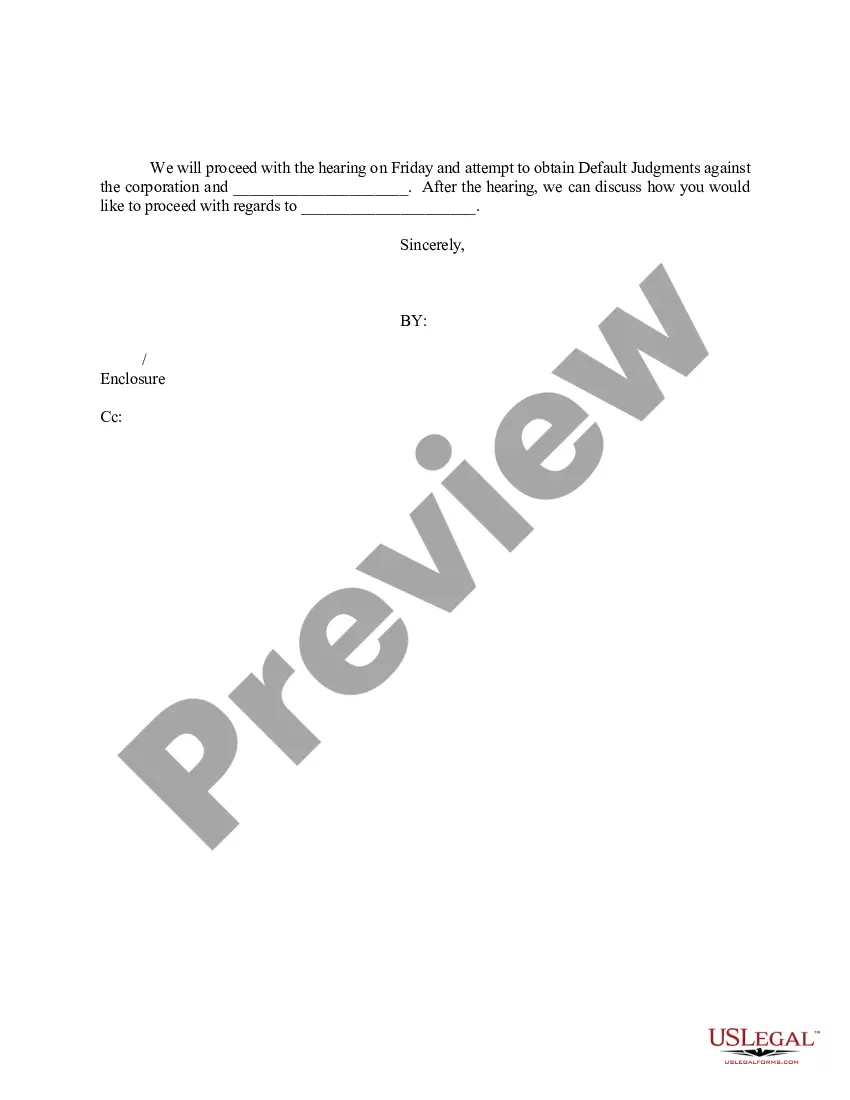
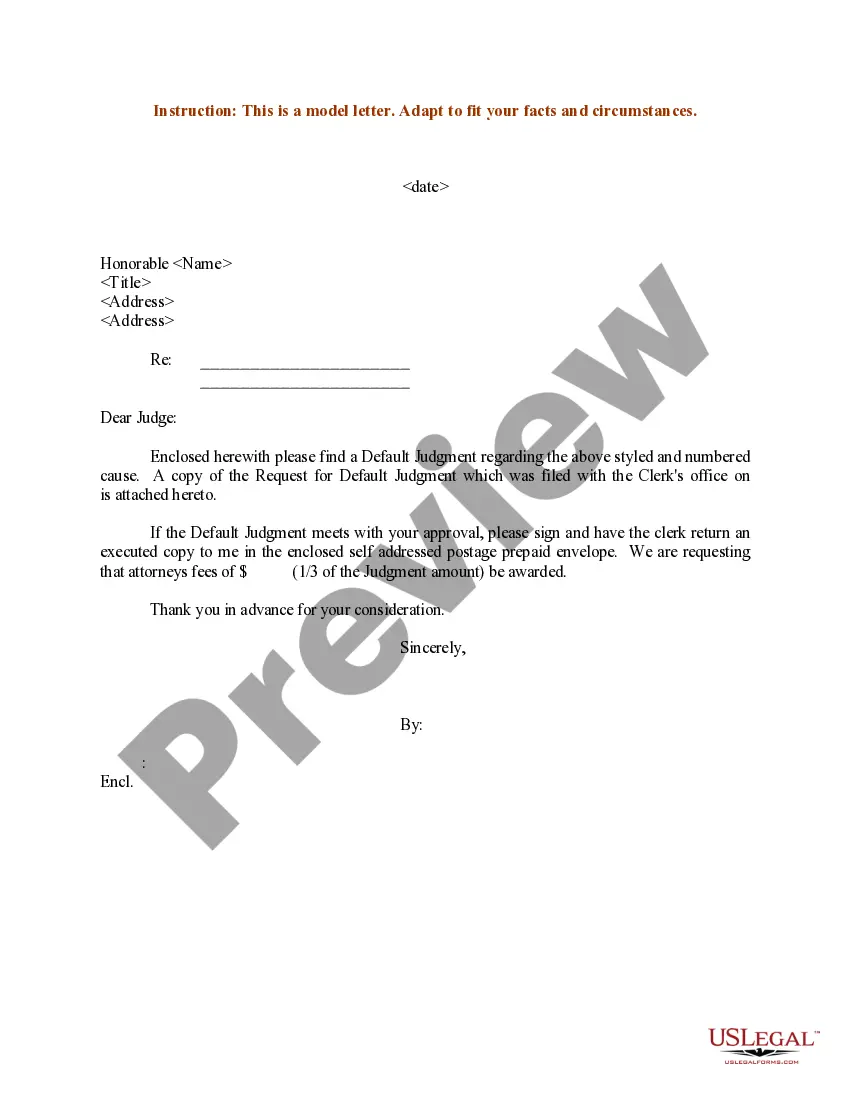
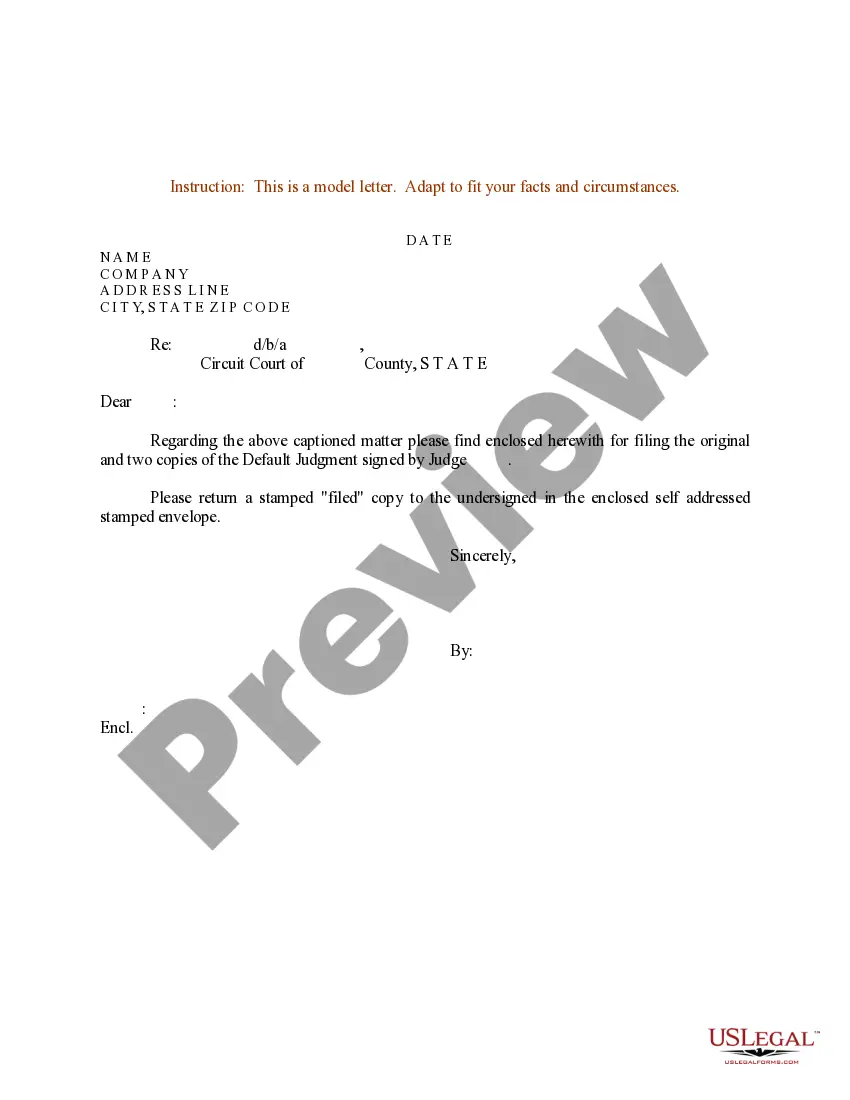
Get your form ready online
Our built-in tools help you complete, sign, share, and store your documents in one place.
Make edits, fill in missing information, and update formatting in US Legal Forms—just like you would in MS Word.
Download a copy, print it, send it by email, or mail it via USPS—whatever works best for your next step.
Sign and collect signatures with our SignNow integration. Send to multiple recipients, set reminders, and more. Go Premium to unlock E-Sign.
If this form requires notarization, complete it online through a secure video call—no need to meet a notary in person or wait for an appointment.
We protect your documents and personal data by following strict security and privacy standards.

Make edits, fill in missing information, and update formatting in US Legal Forms—just like you would in MS Word.

Download a copy, print it, send it by email, or mail it via USPS—whatever works best for your next step.

Sign and collect signatures with our SignNow integration. Send to multiple recipients, set reminders, and more. Go Premium to unlock E-Sign.

If this form requires notarization, complete it online through a secure video call—no need to meet a notary in person or wait for an appointment.

We protect your documents and personal data by following strict security and privacy standards.
Looking for another form?





Form popularity
FAQ
Consider the following five approaches: Show that the motion fails to list the specific facts and law supporting summary judgment. Show that a dispute exists on a material fact. Show that the law does not support judgment on the undisputed facts.
The rule provides that entry of default may be set aside upon a showing of “good cause.” In determining whether good cause has been shown, a district court must consider (1) whether the default resulted from culpable conduct on the part of the defendant; (2) whether the defendant has a meritorious defense; and (3) ...
Most Courts, including California, put strict time limits on when that motion may be filed (six months from entry of default in California though this time limit may be altered based on various factors) and the longer the period of time from entry of default, the harder it is to have the Court remove it.
A defendant who has a default judgment against them can apply to the court that issued the judgment to set it aside. If the court sets aside the judgment, it is as though the order was never made. The court still needs to deal with the claim.
For that purpose the judgment debtor should approach the plaintiff/judgment creditor or his/her/its attorney to obtain the written consent to rescission of judgment. There is however no requirement in law that obliges a plaintiff/judgment creditor to give a consent to rescission of judgment.
This involves: Filing a Motion: Submit a formal motion to the court requesting that the default be overturned. Providing a Reason: Explain why you failed to respond and provide evidence supporting your claim. Demonstrating a Defense: Show that you have a valid defense to the plaintiff's claims.
The rule provides that entry of default may be set aside upon a showing of “good cause.” In determining whether good cause has been shown, a district court must consider (1) whether the default resulted from culpable conduct on the part of the defendant; (2) whether the defendant has a meritorious defense; and (3) ...
In law, a motion to set aside judgment is an application to overturn or set aside a court's judgment, verdict or other final ruling in a case. Such a motion is proposed by a party who is dissatisfied with the result of a case.
