Default Prove Up Hearing With California In Massachusetts
Description

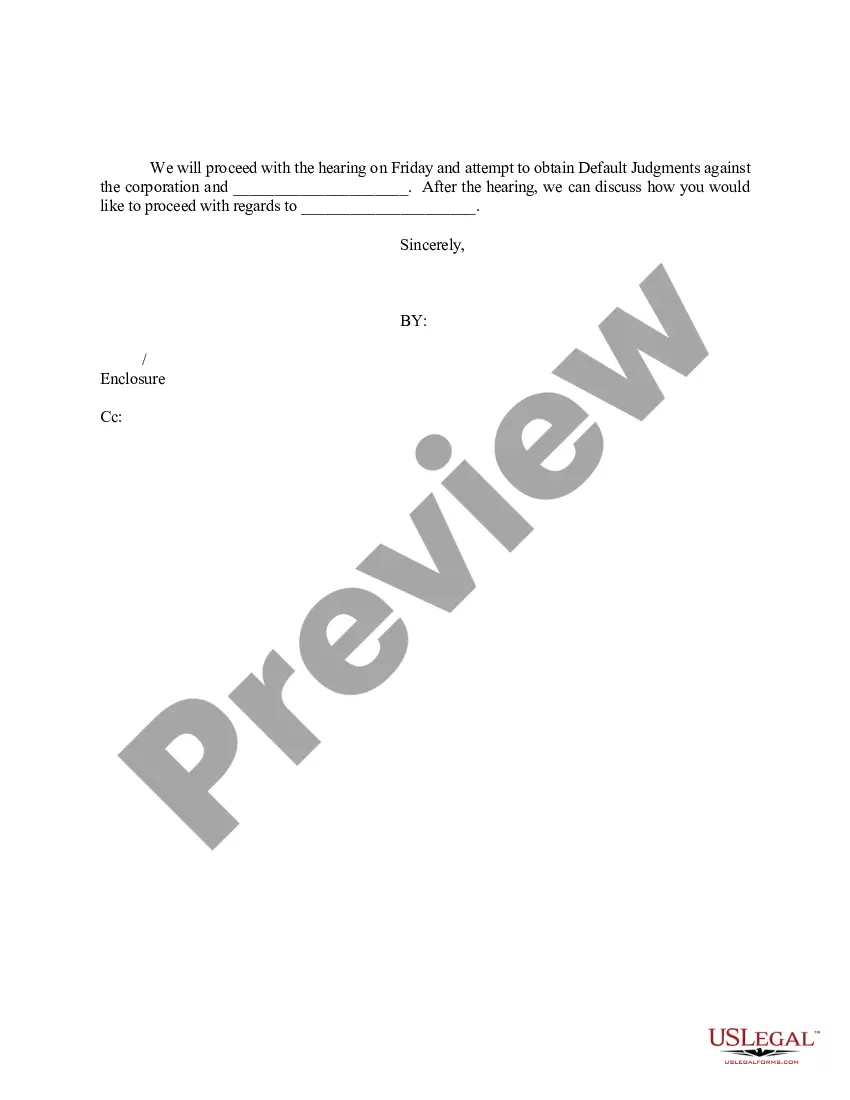
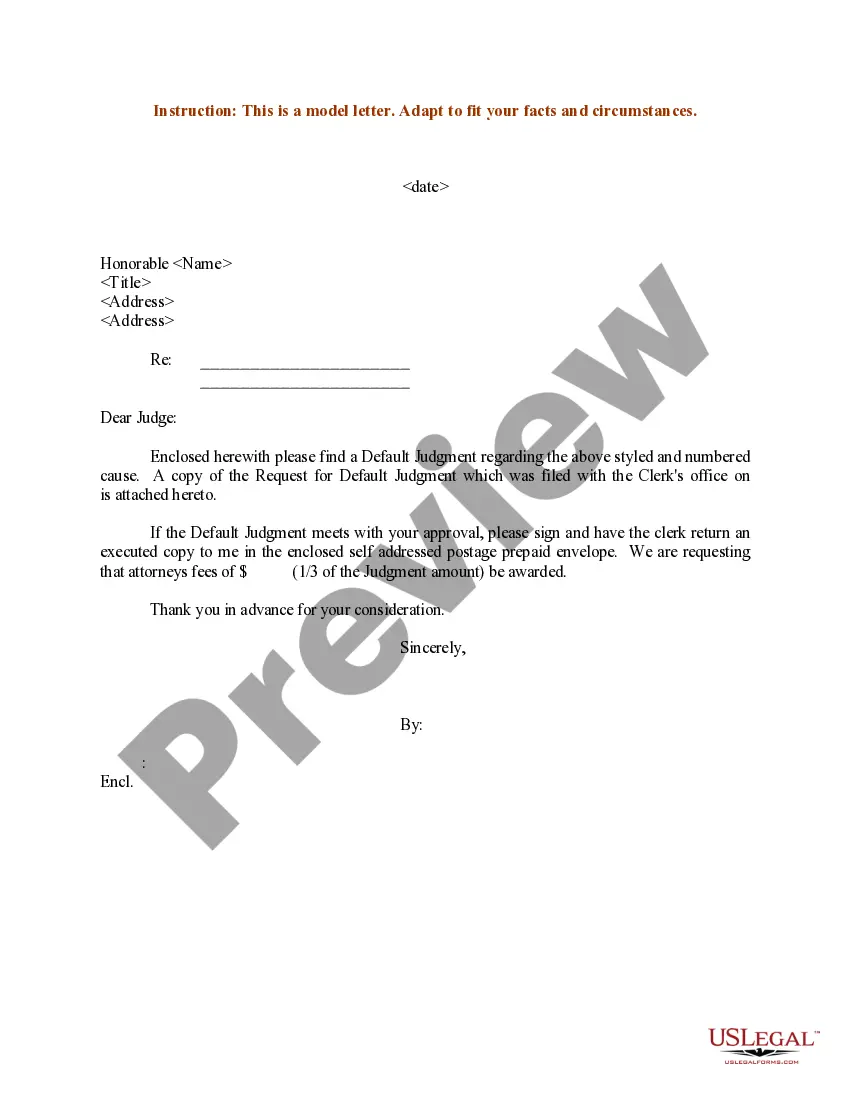
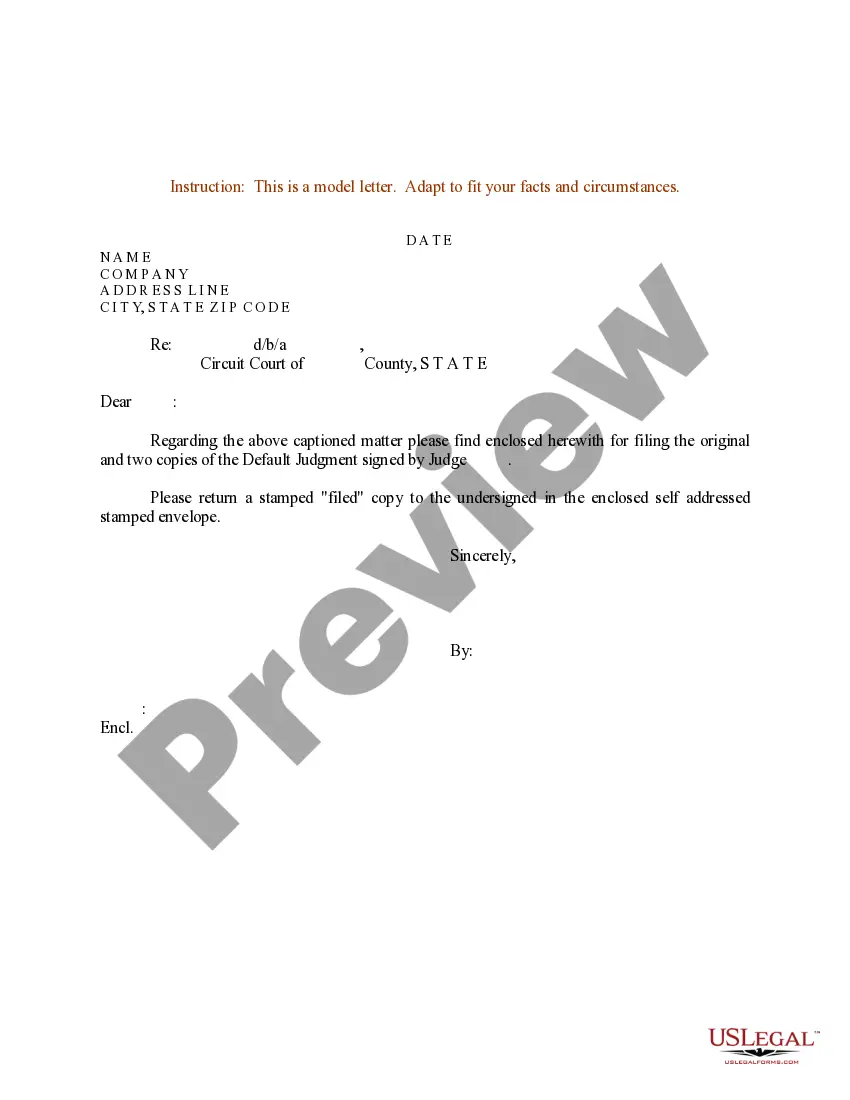
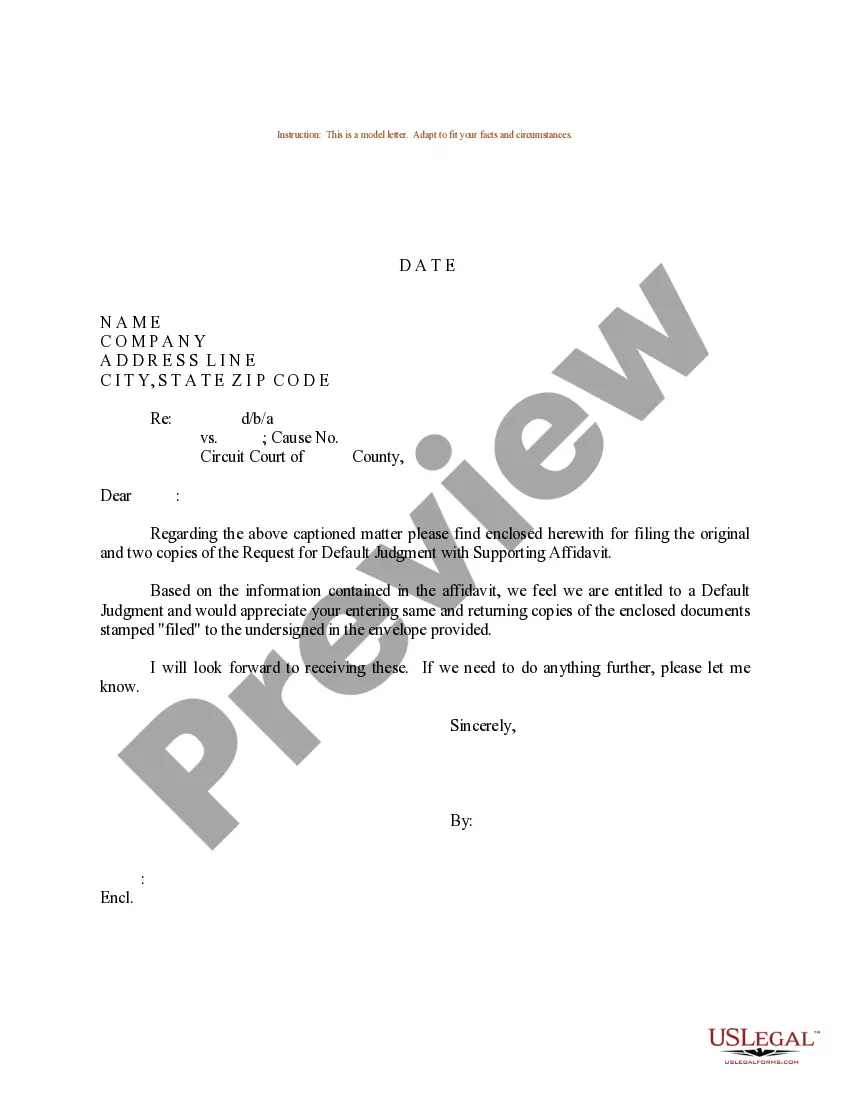
Get your form ready online
Our built-in tools help you complete, sign, share, and store your documents in one place.
Make edits, fill in missing information, and update formatting in US Legal Forms—just like you would in MS Word.
Download a copy, print it, send it by email, or mail it via USPS—whatever works best for your next step.
Sign and collect signatures with our SignNow integration. Send to multiple recipients, set reminders, and more. Go Premium to unlock E-Sign.
If this form requires notarization, complete it online through a secure video call—no need to meet a notary in person or wait for an appointment.
We protect your documents and personal data by following strict security and privacy standards.

Make edits, fill in missing information, and update formatting in US Legal Forms—just like you would in MS Word.

Download a copy, print it, send it by email, or mail it via USPS—whatever works best for your next step.

Sign and collect signatures with our SignNow integration. Send to multiple recipients, set reminders, and more. Go Premium to unlock E-Sign.

If this form requires notarization, complete it online through a secure video call—no need to meet a notary in person or wait for an appointment.

We protect your documents and personal data by following strict security and privacy standards.
Looking for another form?









Form popularity
FAQ
Most Courts, including California, put strict time limits on when that motion may be filed (six months from entry of default in California though this time limit may be altered based on various factors) and the longer the period of time from entry of default, the harder it is to have the Court remove it.
Under Rule 55(b)(1) the plaintiff must request the clerk to enter the judgment by default and submit affidavits establishing the amount due and stating that the defendant is not an infant or an adjudged incompetent person. The section is also affected by the Soldiers' and Sailors' Civil Relief Act, 50 U.S.C.
A default prove up is essentially a short court hearing where the individual seeking the divorce presents evidence to the judge. This is necessary because, in a default situation, the judgment is submitted without the agreement or participation of the other spouse.
To stop the entry of a default or default judgment before it is entered, one generally has to file something in court. This can be an Answer, a Motion to Extend Time, a Motion to Quash Service of Process, or perhaps others. A motion will likely interrupt entry of a default, but a motion is merely a request.
You have four main options to deal with a default judgment: Accept the judgment. Settle the judgment for less. Challenge the judgment. Pursue debt relief.
In the District of Massachusetts, Local Rule 56.1 requires the filing of a concise statement of material facts, as to which the moving party contends there is no issue to be tried, with page references to admissible evidence.
The idea is to save the parties and the court time and expense in having to deal with something that is essentially not at issue—thus there is “no genuine issue as to any material fact,” as mentioned above. Motion for Summary Judgment.
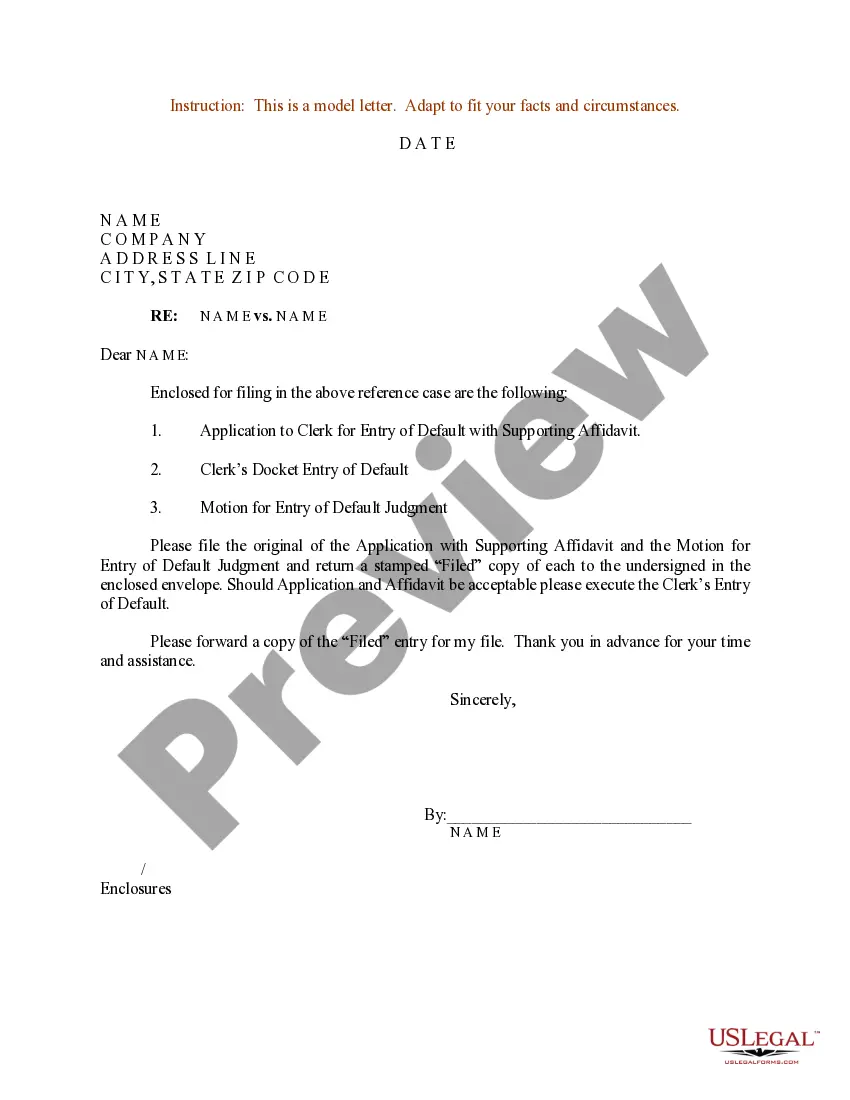
Rule 55(a) authorizes the entry of default when the opposing party has "failed to plead or otherwise defend".
See Local Rules 7.1, 56.1. 3. Reply: The moving party may file a reply as of right within seven (7) days of the filing of the opposition, except as to motions for summary judgment, where a reply may be filed within fourteen (14) days after the opposition is served. A reply shall not exceed ten (10) pages.
Any judgment in a summary process action, except a default judgment, may be appealed by an aggrieved party in ance with the provisions of law.