Letter Requesting Motion To Vacate Order Of Default Without Notice In Maryland
Description

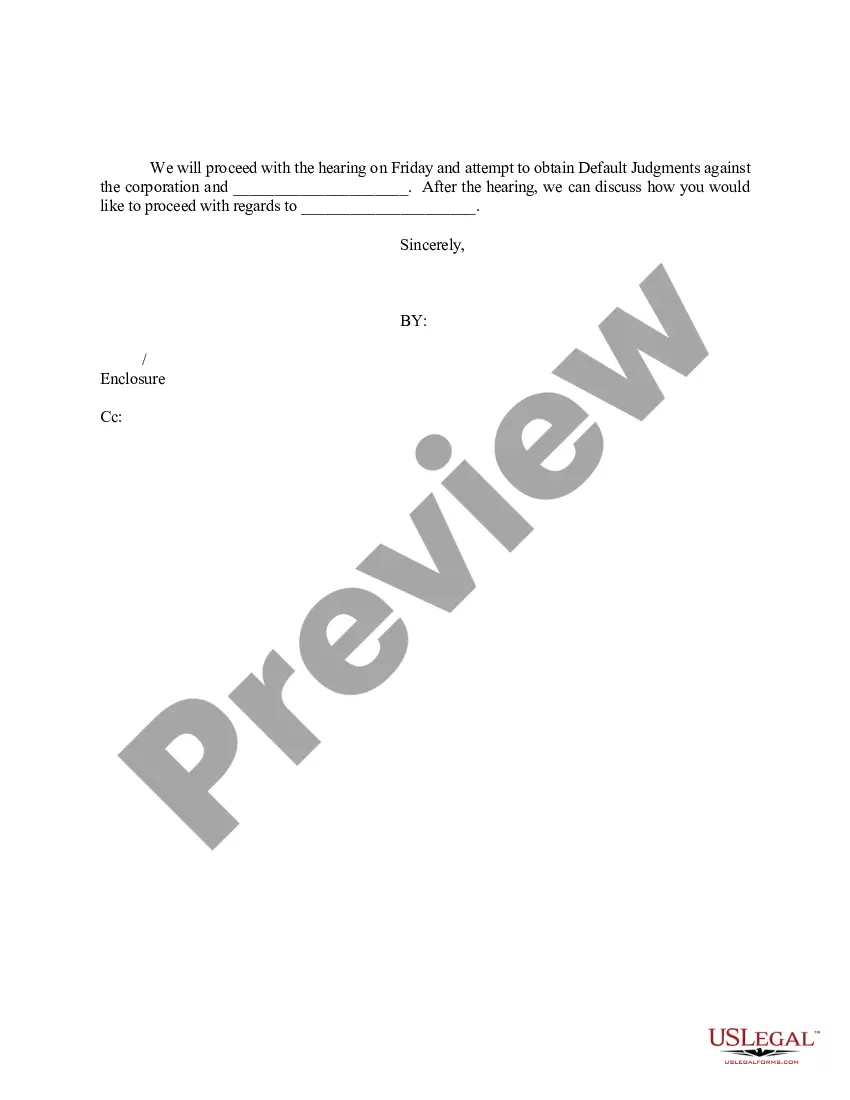
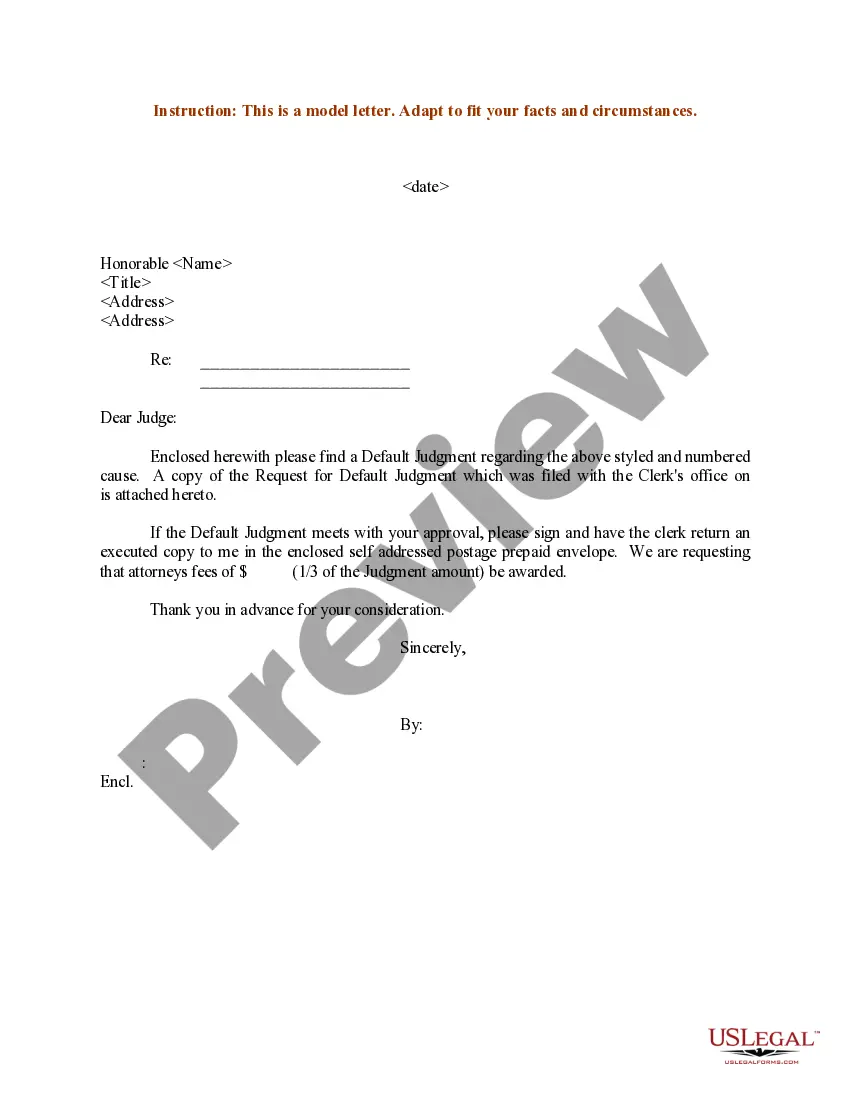
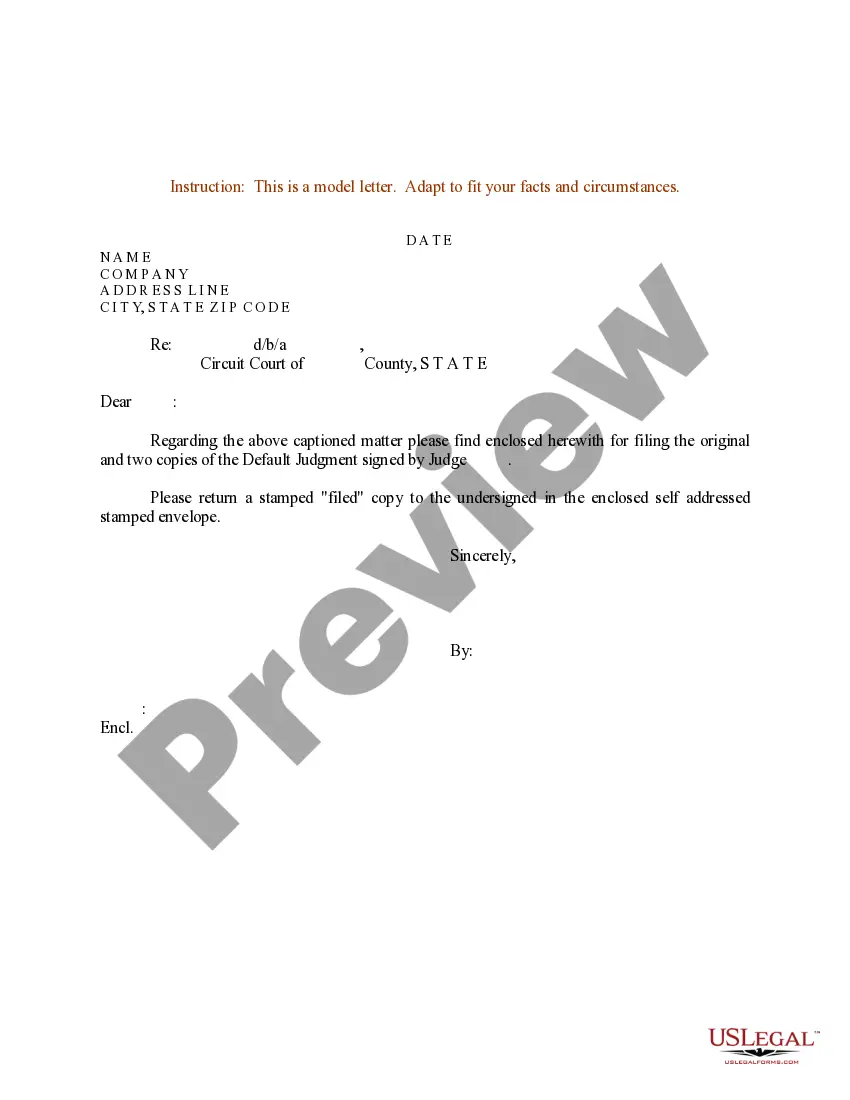
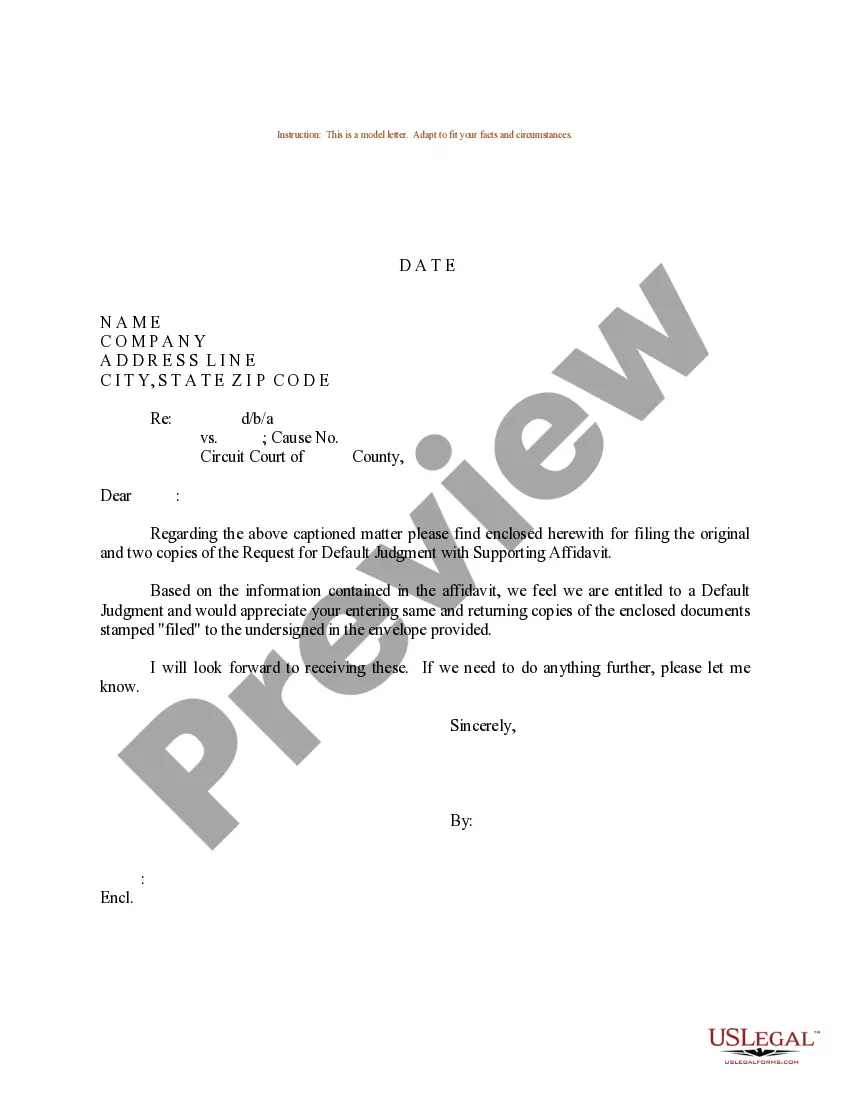
Get your form ready online
Our built-in tools help you complete, sign, share, and store your documents in one place.
Make edits, fill in missing information, and update formatting in US Legal Forms—just like you would in MS Word.
Download a copy, print it, send it by email, or mail it via USPS—whatever works best for your next step.
Sign and collect signatures with our SignNow integration. Send to multiple recipients, set reminders, and more. Go Premium to unlock E-Sign.
If this form requires notarization, complete it online through a secure video call—no need to meet a notary in person or wait for an appointment.
We protect your documents and personal data by following strict security and privacy standards.

Make edits, fill in missing information, and update formatting in US Legal Forms—just like you would in MS Word.

Download a copy, print it, send it by email, or mail it via USPS—whatever works best for your next step.

Sign and collect signatures with our SignNow integration. Send to multiple recipients, set reminders, and more. Go Premium to unlock E-Sign.

If this form requires notarization, complete it online through a secure video call—no need to meet a notary in person or wait for an appointment.

We protect your documents and personal data by following strict security and privacy standards.
Looking for another form?





Form popularity
FAQ
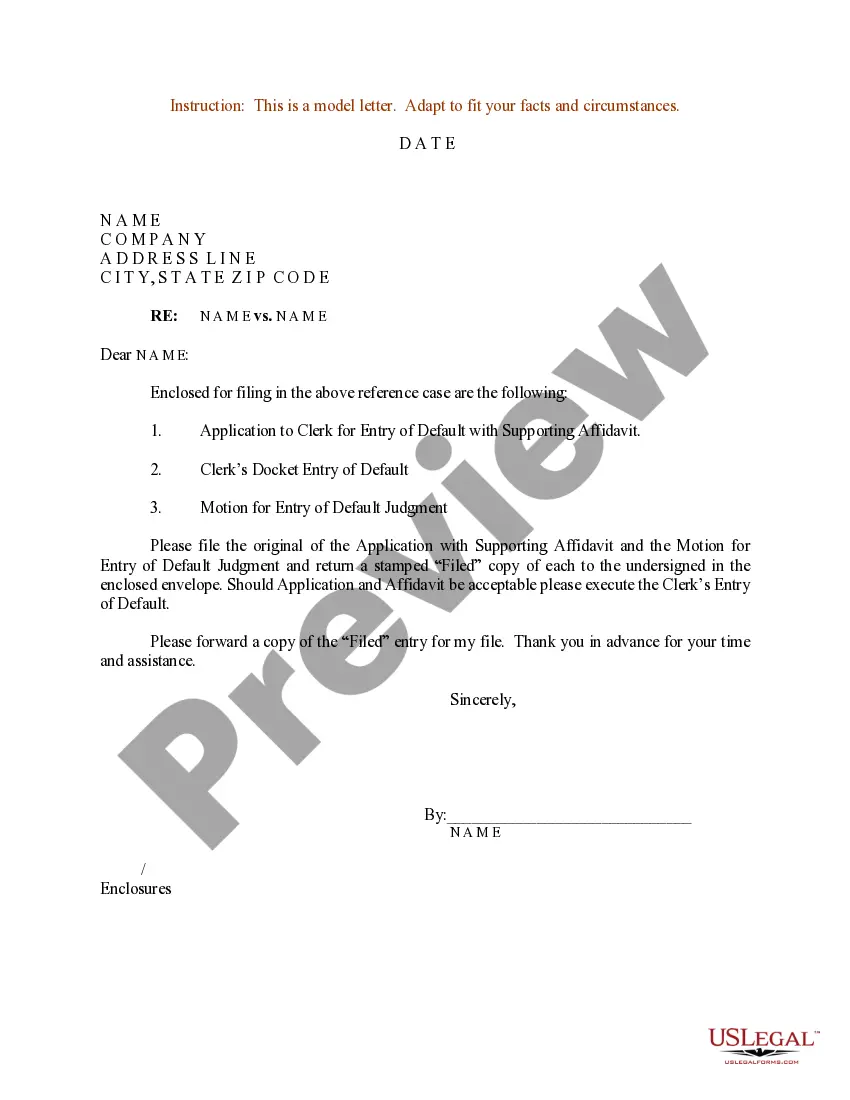
If the defendant didn't file a response by the deadline, you can ask the court to enter a default. A default ends the defendant's chance to file a response because the defendant has not responded in time. You must ask for a default within 10 days of the defendant missing the deadline to respond.
By filing for a default, you are telling the Court that the other party was properly served, that the other party did not file an Answer, and you still wish to proceed with your case.
A default judgment occurs when the defendant in a legal case fails to respond to a court summons or does not appear in court. If this occurs, a court may rule in favor of the plaintiff by default.
If you receive an Order of Default, and you want to fight the case, you can quickly file a “Motion to Vacate an Order of Default.” In this motion, you must tell the court that you want to contest the case and why you did not file your response in time. You must also state the legal and factual basis for your defense.
TIME FOR FILING ANSWER. (a) General Rule. A party shall file an answer to an original complaint, counterclaim, cross-claim, or third-party claim within 30 days after being served, except as provided by sections (b) and (c) of this Rule.
A default occurs and is recorded on your credit report when you have missed three consecutive payments on a payment obligation. A judgment is a legal ruling that occurs when a creditor or service provider acts against a borrower for unpaid debts.
Clerical mistakes in judgments, orders, or other parts of the record may be corrected by the court at any time on its own initiative, or on motion of any party after such notice, if any, as the court orders.
You can file a motion to revise or vacate (cancel) the judgment in writing within 30 days after the date of the judgment. This motion is usually filed to correct clerical errors, or to vacate a judgment if you believe that you were not served with the court papers or were not notified of the court date.
The following defenses may be made by motion to dismiss filed before the answer, if an answer is required: (1) lack of jurisdiction over the subject matter, (2) failure to state a claim upon which relief can be granted, (3) failure to join a party under Rule 2-211, (4) discharge in bankruptcy, and (5) governmental ...
Rule 2-519 - Motion for Judgment (a) Generally. A party may move for judgment on any or all of the issues in any action at the close of the evidence offered by an opposing party, and in a jury trial at the close of all the evidence.
